Adventure Level 2

Skip To...
    Add a header to begin generating the table of contents

    Goal

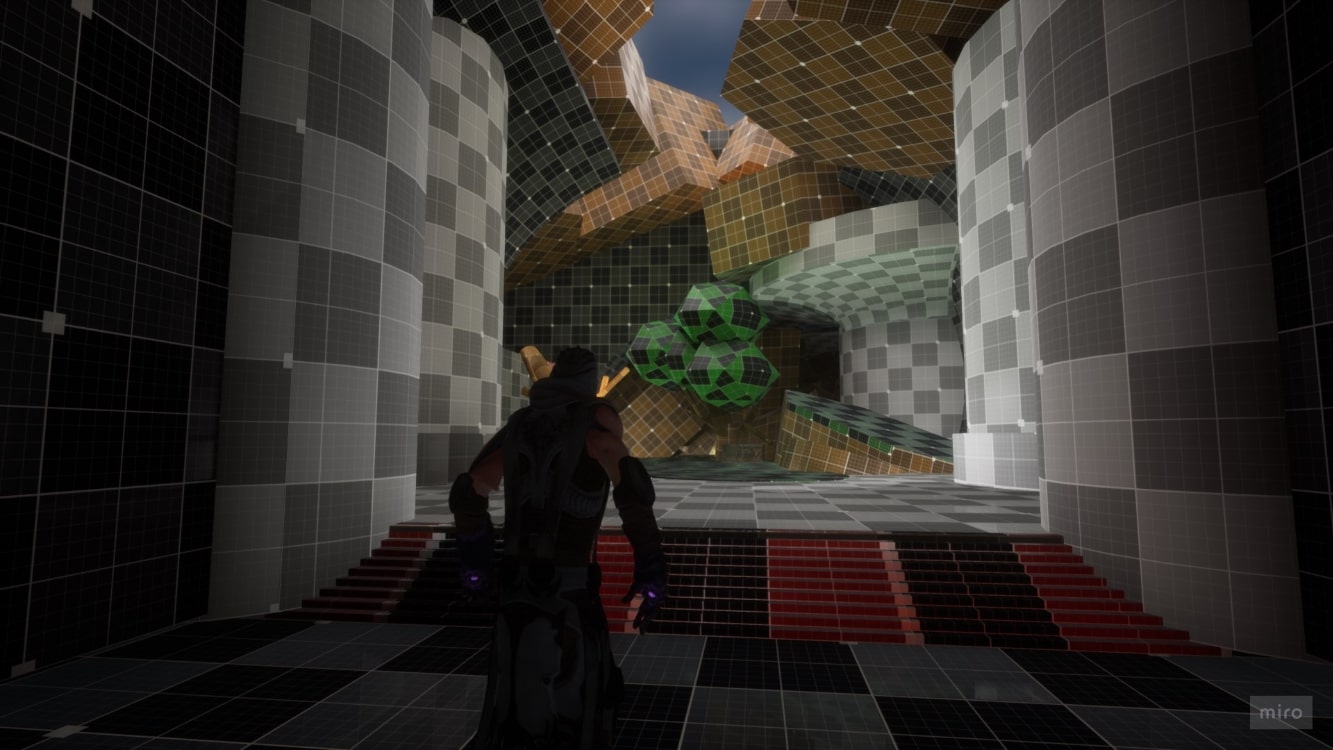
    My goal was to create a linear, story driven level within the Adventure framework, focused on teaching and mastering a new gameplay mechanic. Inspired by the cinematic style of Uncharted and the atmospheric environments of Metro, I chose an abandoned metro station setting to explore interior design and environmental storytelling.

    In addition to the level, I developed two fully integrated mechanics, a pattern based puzzle and timed pistons, that form a cohesive system and evolve across multiple challenges.

    Throughout the project, I focused on:

    • Teaching mechanics through progressive challenge design
    • Maintaining player engagement with constant interaction
    • Building spatial flow around mechanic driven gameplay

    This project strengthened my ability to create mechanics first levels that are both thematically grounded and engaging to play.

    Level Overview & Highlights

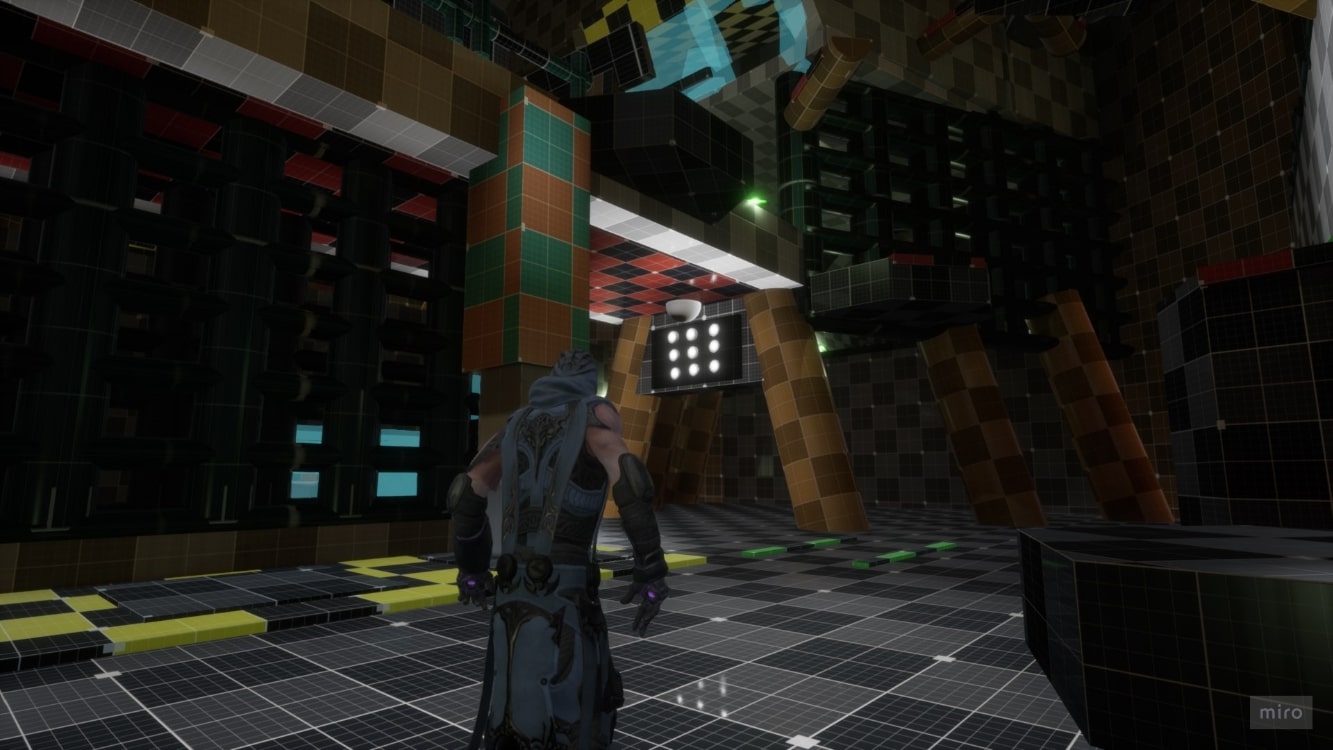
    The level is set in a long abandoned metro station, with collapsed tunnels, rusted service rooms, and a decaying terminal repurposed for puzzle based traversal. The environment emphasizes interior spaces and grounded architecture, using lighting, framing, and blocked paths to guide the player forward.

    The player begins near a derailed train and moves deeper into the station, gradually unlocking access through environmental puzzles. Core mechanics, pattern locks and timed pistons, are introduced and escalated through structured, spatial challenges. The experience focuses on mechanical problem solving, environmental storytelling, and a steady sense of progression without combat or dialogue.

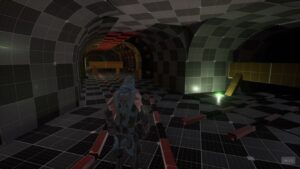
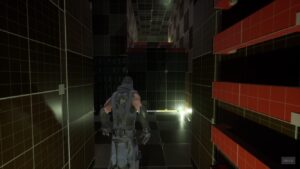
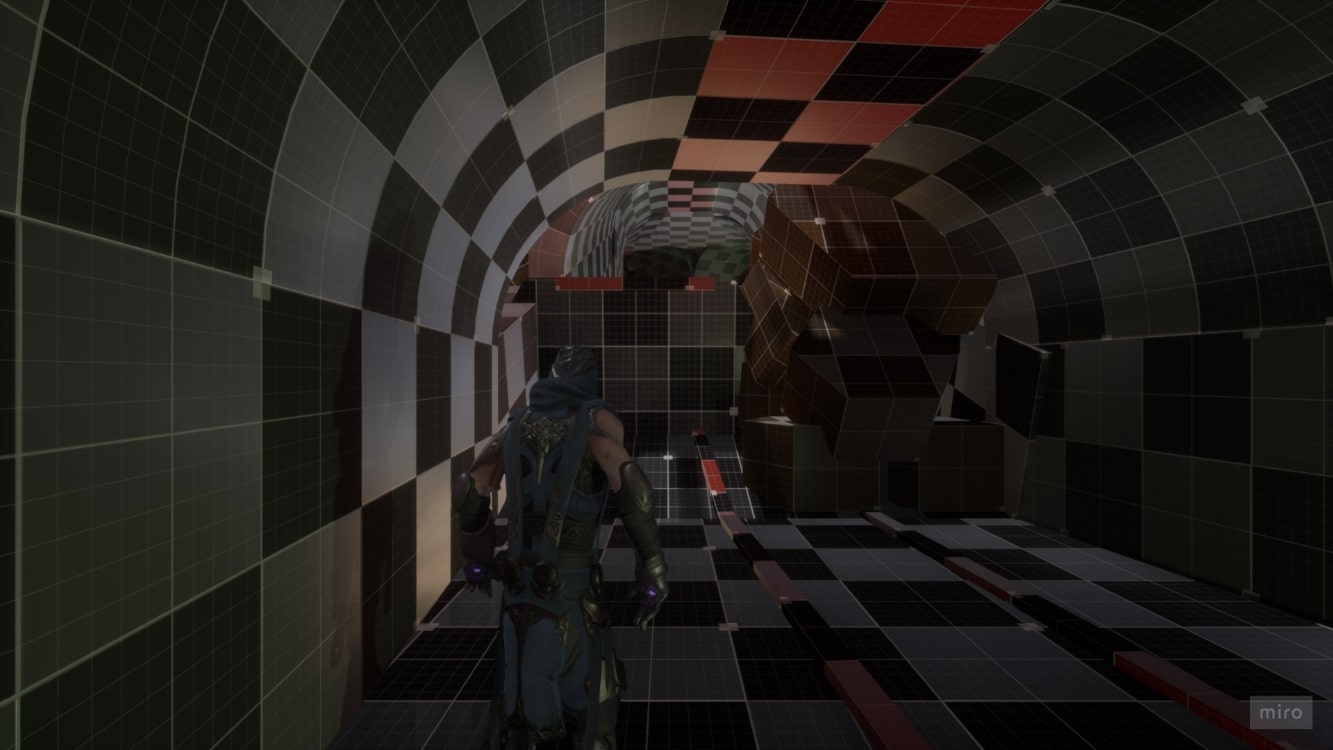
    Level Start

    Technique & Use-case:
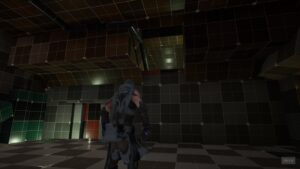
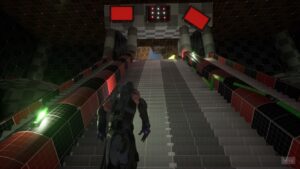
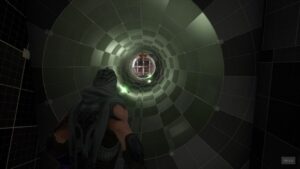
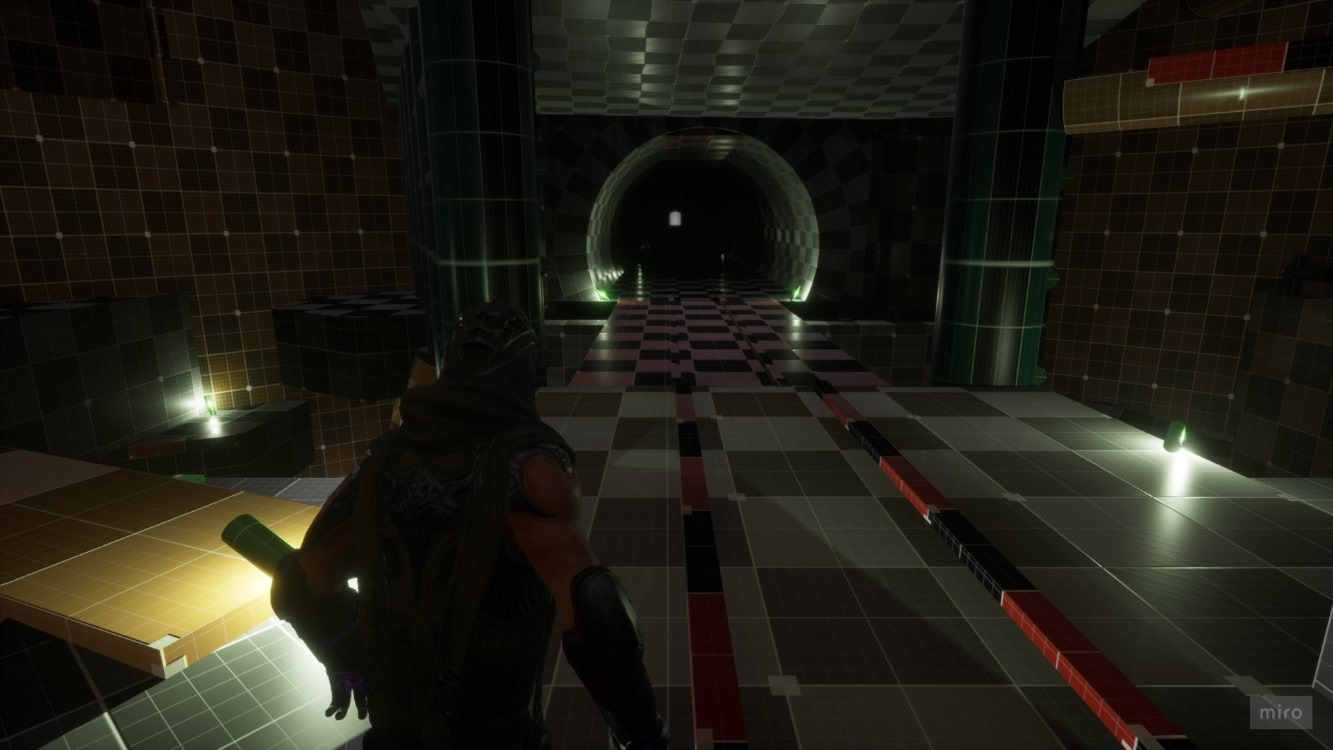
    Framed the level’s opening with a blocked tunnel and guiding light to direct player exploration and introduce core mechanics.

    Context of Use-case:
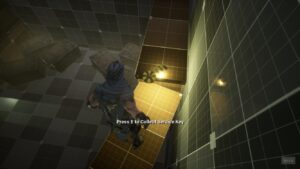
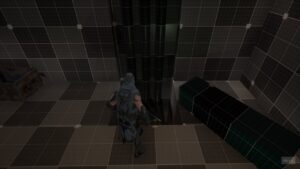
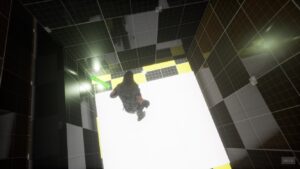
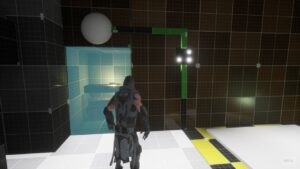
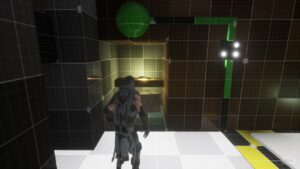
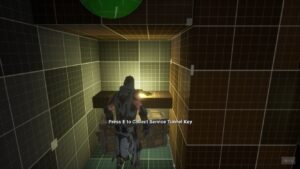
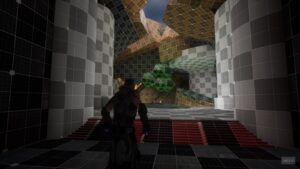
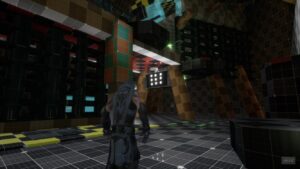
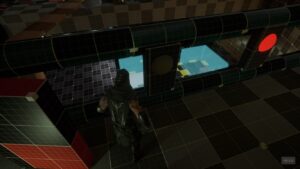
    Players start at a tunnel blocked by a rockfall, forcing them to progress on foot deeper into the station. After reaching a second blockade, they glimpse the main terminal below but can’t access it directly. A single overhead light highlights a nearby service room, drawing players to explore this alternative path.

    Technique Detail:

    • Used physical blockades to funnel player movement and encourage exploration
    • Placed a distinct overhead light as a beacon to guide players toward the service room
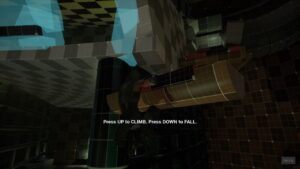
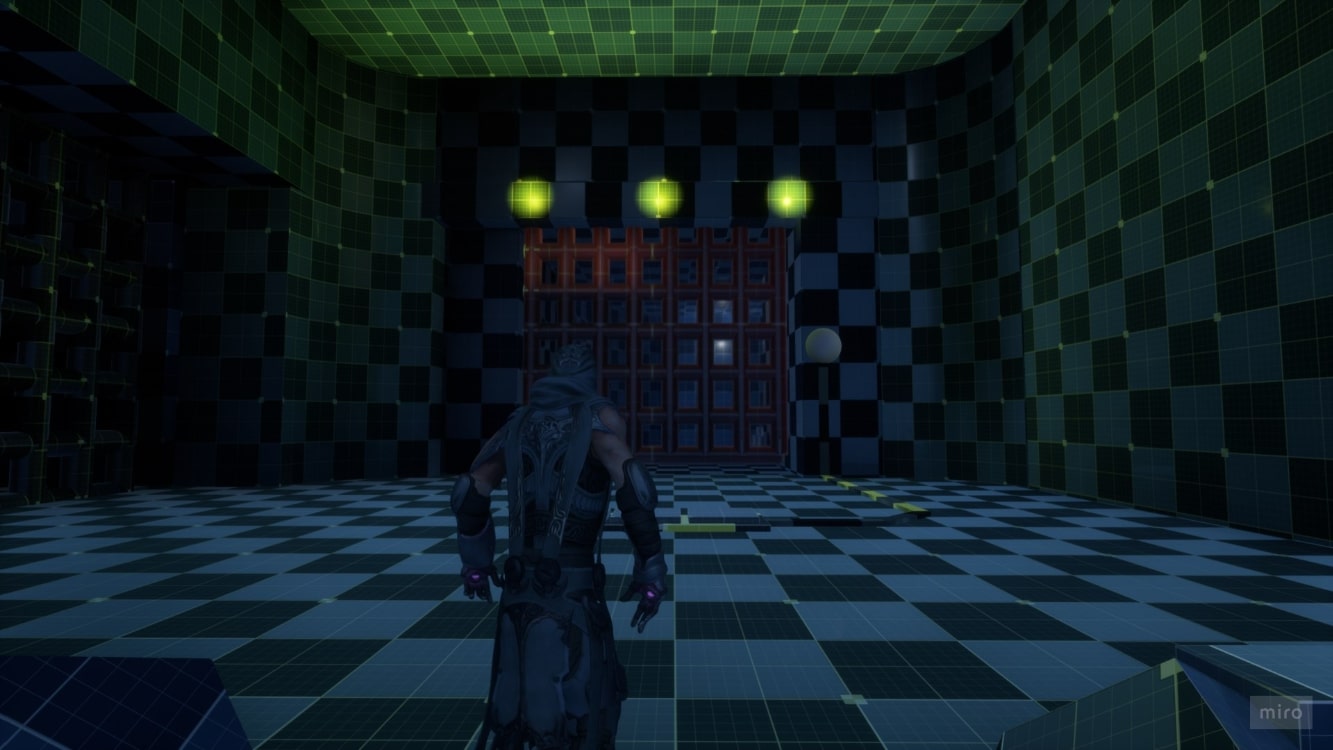
    • Designed simple platforming challenges inside the service room to teach traversal
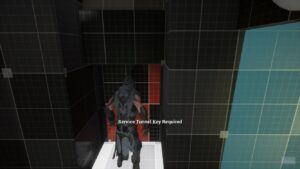
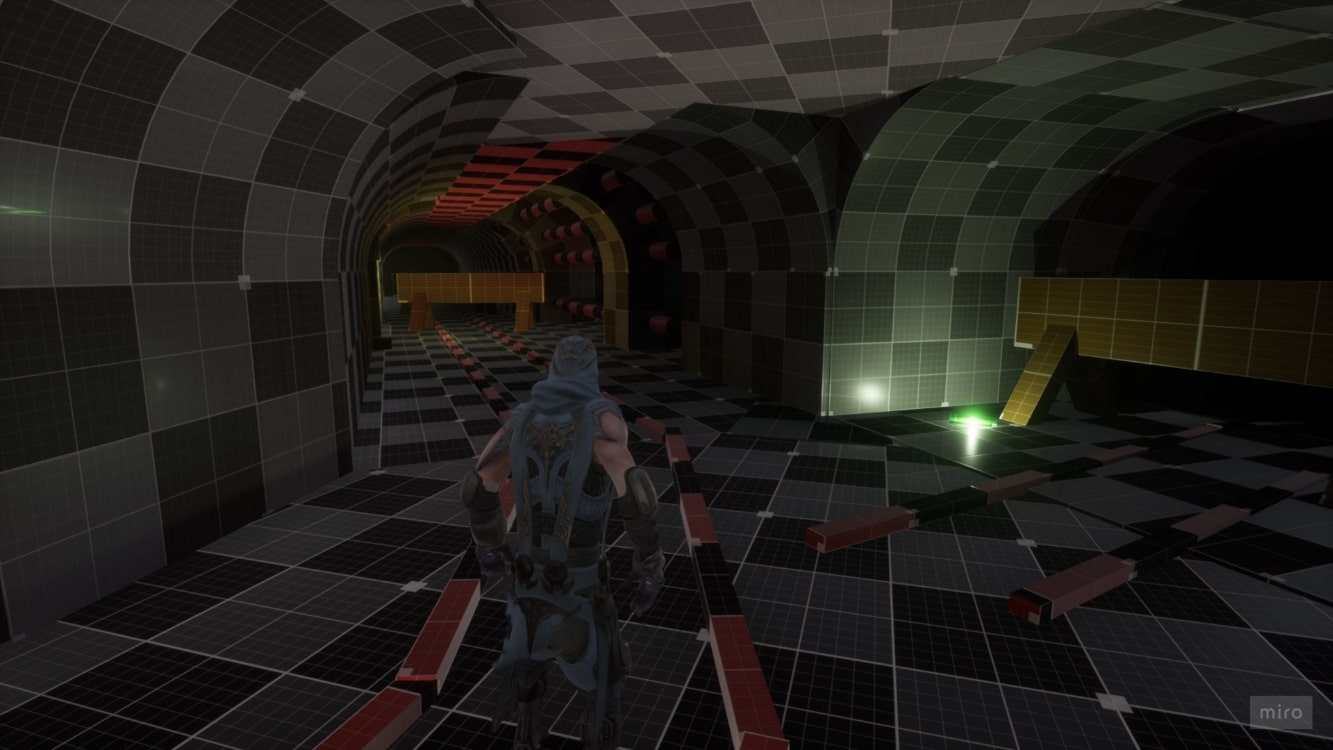
    • Introduced the first puzzle mechanic in the service tunnel to unlock access to the main terminal

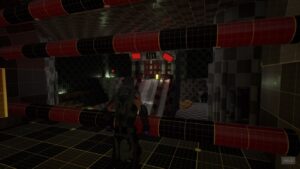
    Focal Point

    Technique & Use-case:
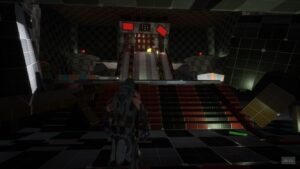
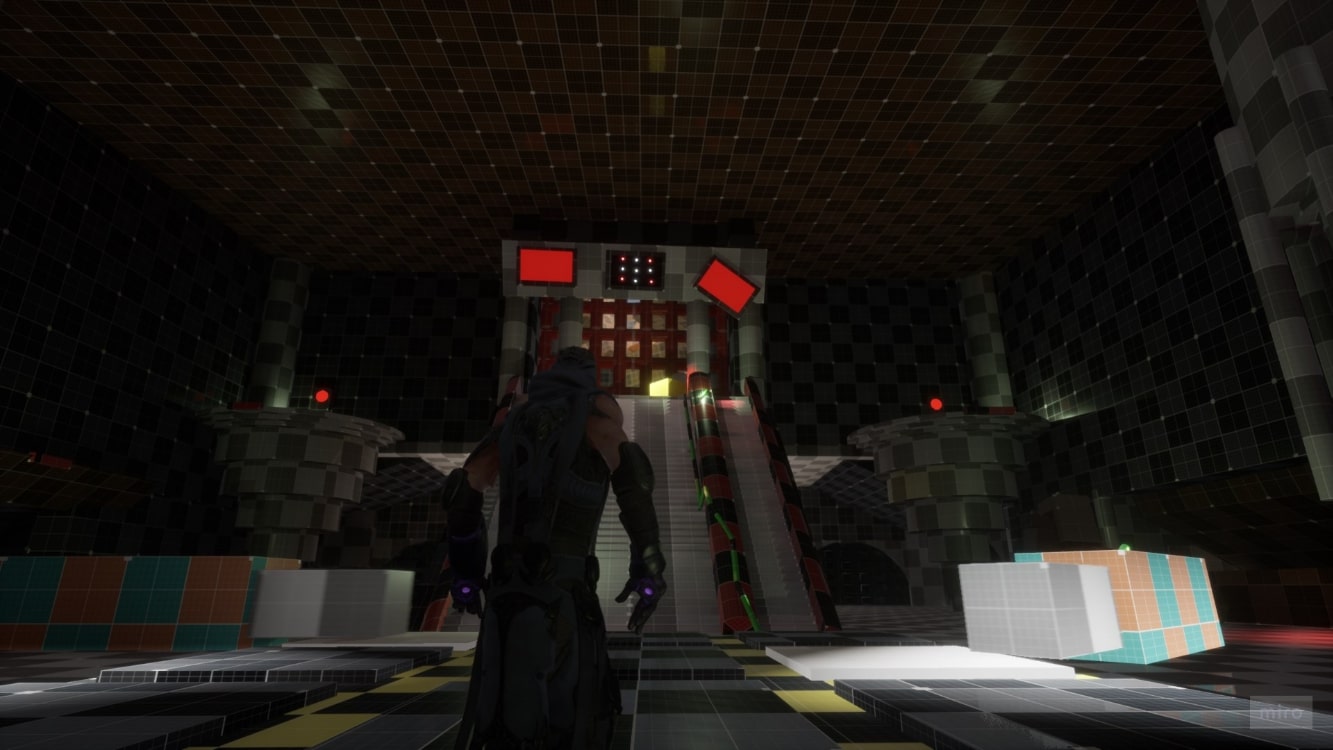
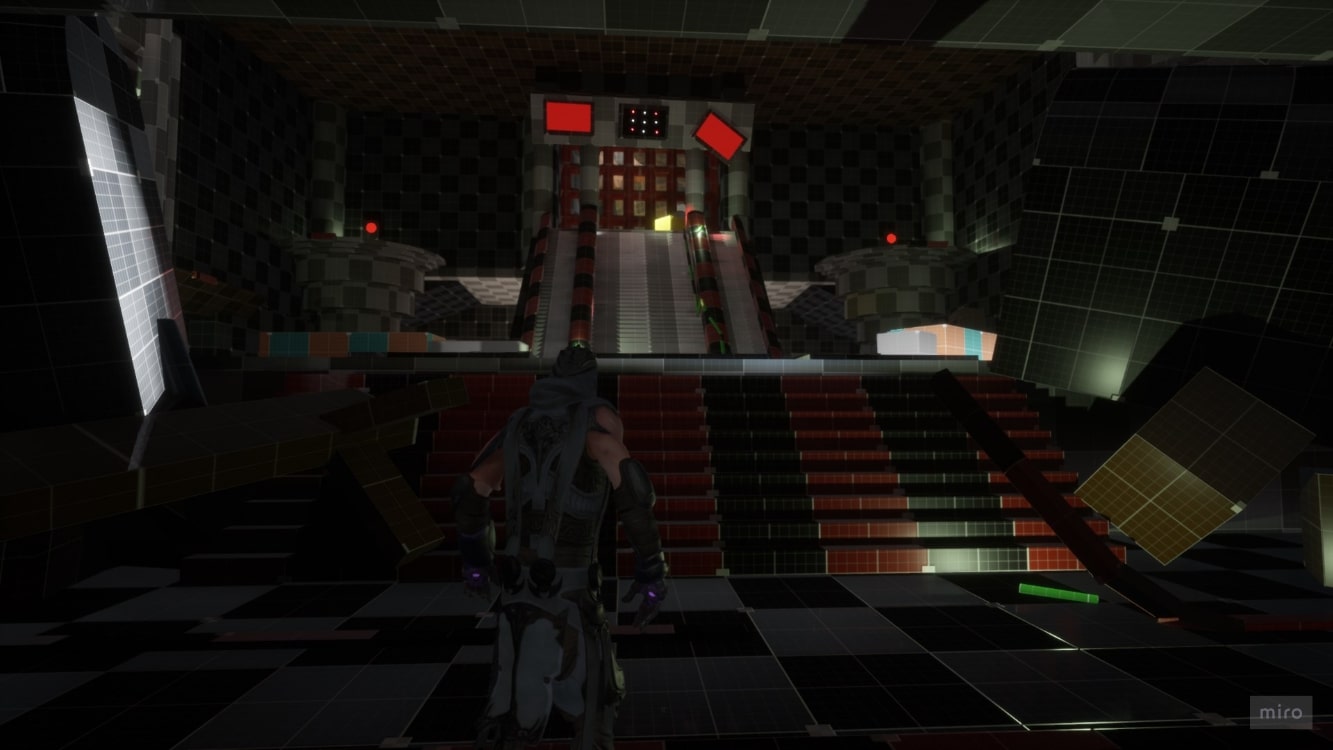
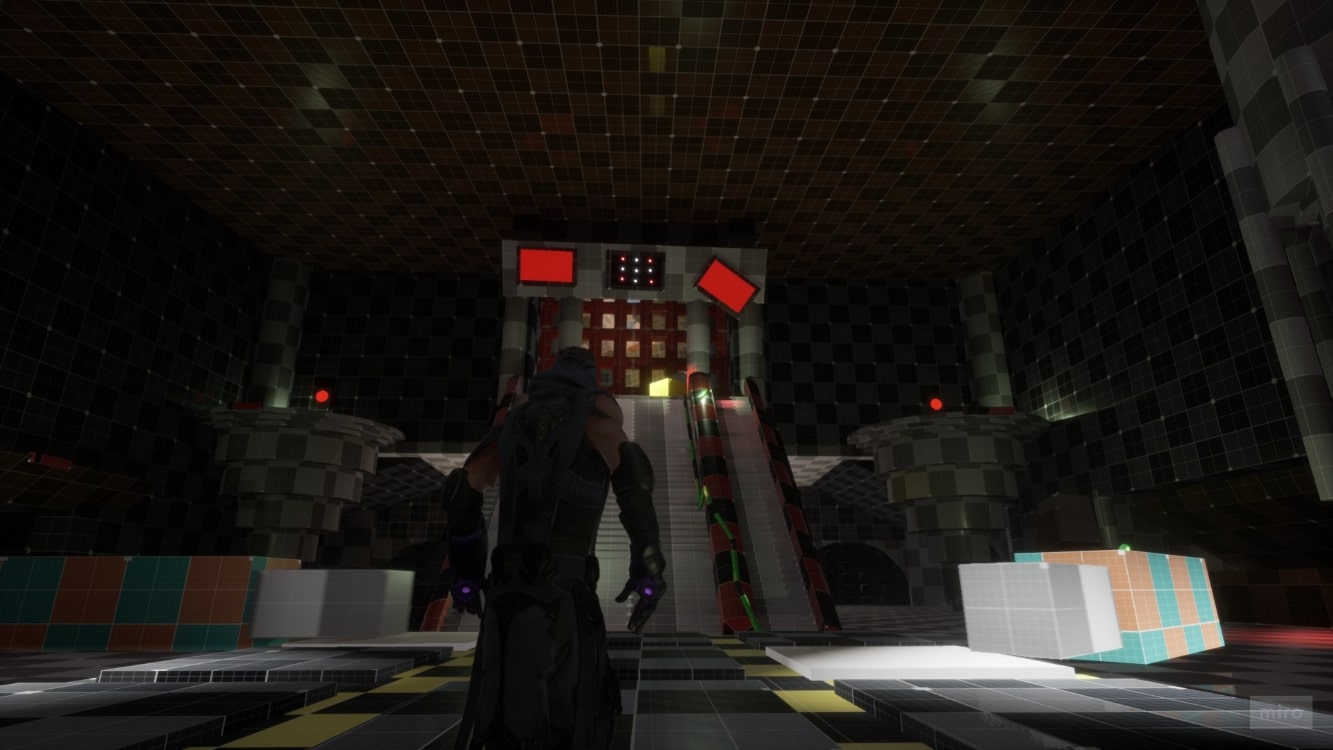
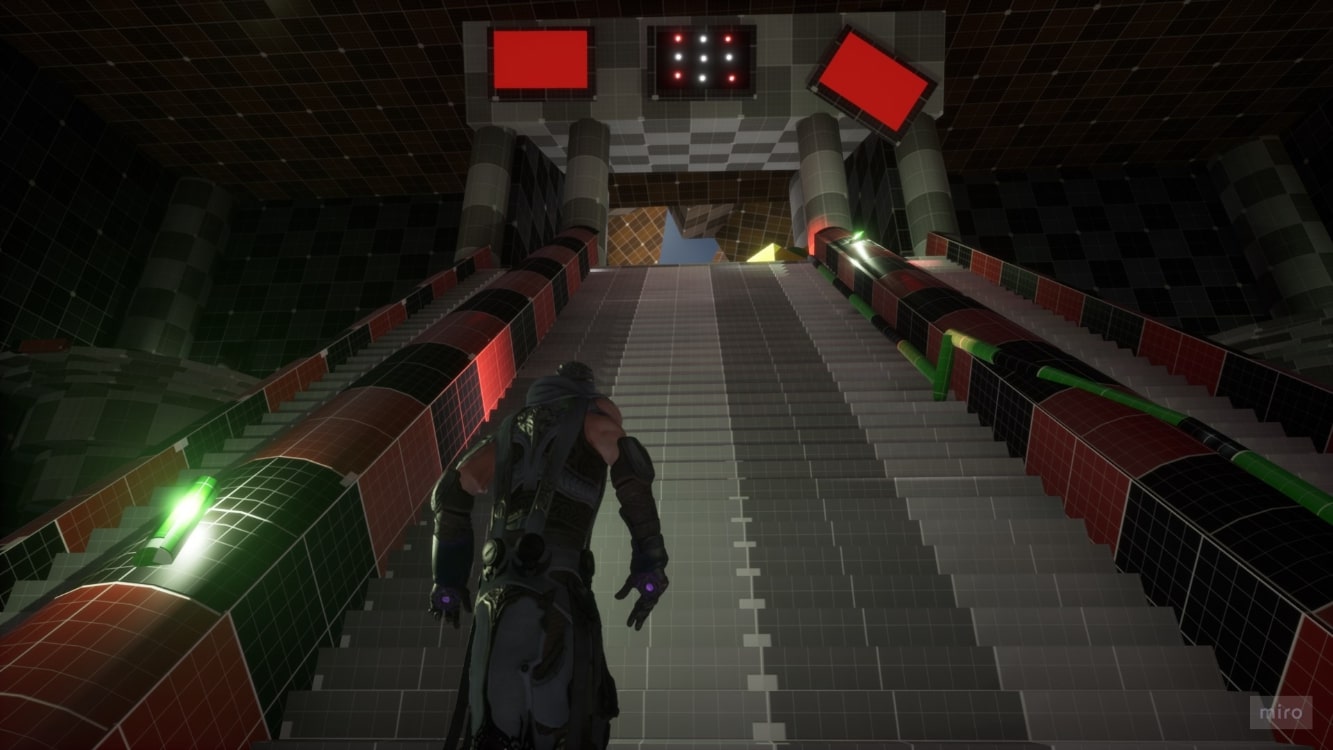
    Established the main metro terminal as the central puzzle hub to introduce and integrate the piston mechanic alongside the existing match puzzle.

    Context of Use-case:
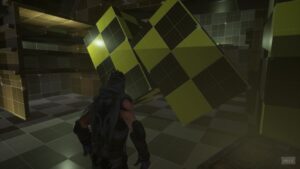
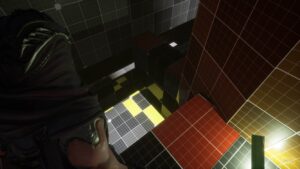
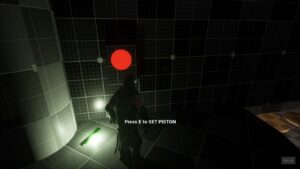
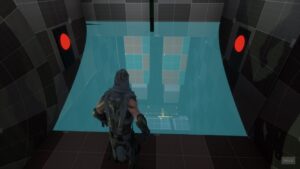
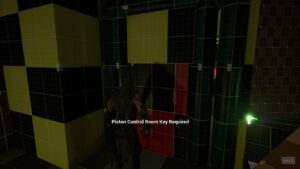
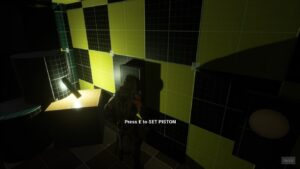
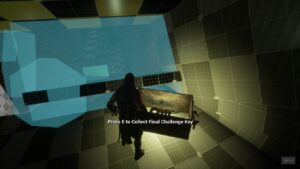
    Within the terminal, players face puzzles that require toggling pistons on and off to manipulate the match pads, adding complexity and layering to the core mechanic. The terminal’s design supports this interaction by clearly showcasing puzzle elements and piston controls in a focused space.

    Technique Detail:

    • Designed the terminal as the main gameplay arena for combined puzzle and piston mechanics
    • Used spatial layout and lighting to highlight interactable pistons and match pads
    • Created a mechanic-driven environment that demands player attention and mastery
    • Integrated puzzle and piston systems to provide layered, escalating challenges

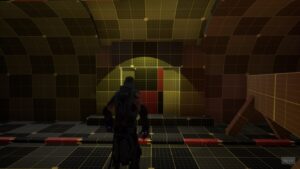
    Level End

    Technique & Use-case:
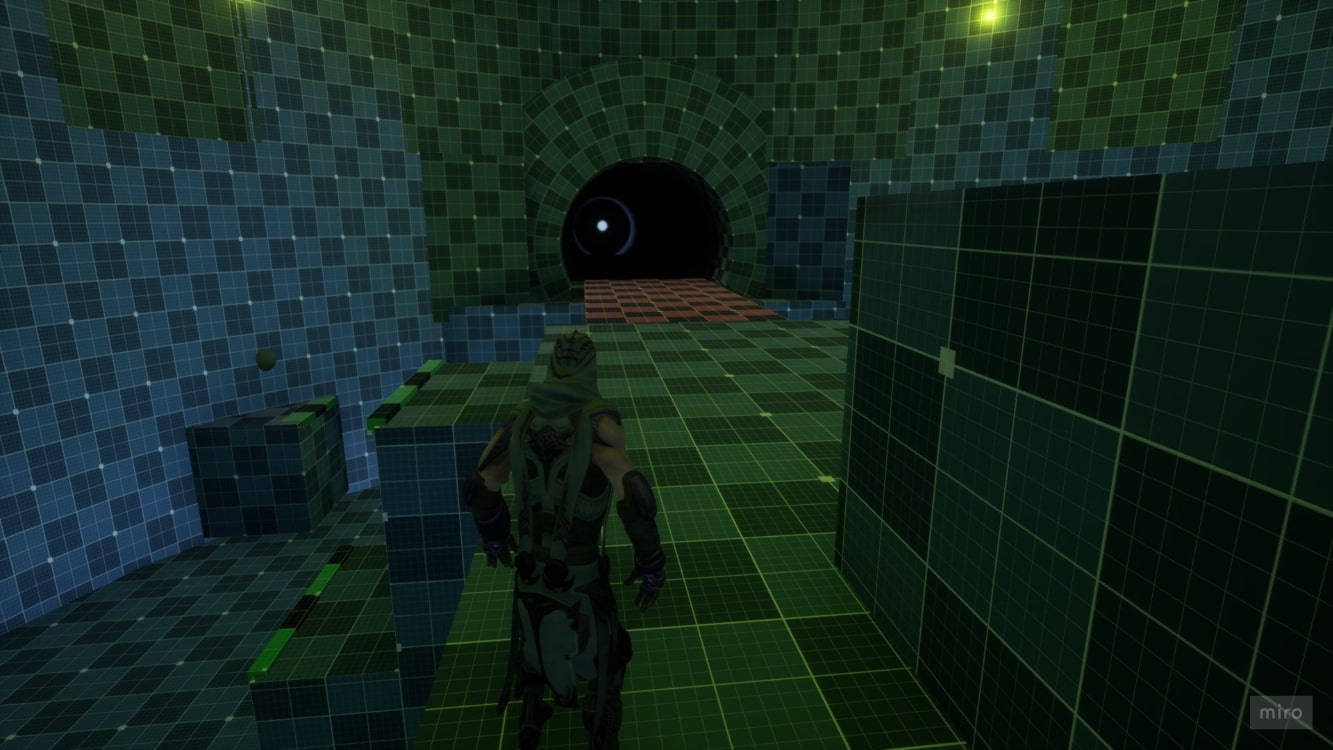
    Concluded the level with an exploration section and layered puzzles that build to a final, mechanic driven chamber.

    Context of Use-case:
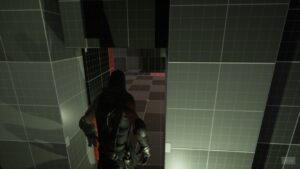
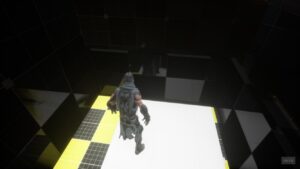
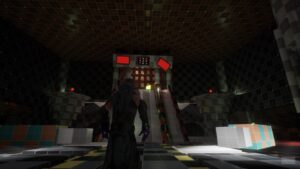
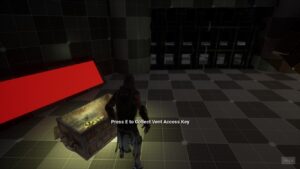
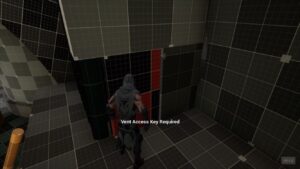
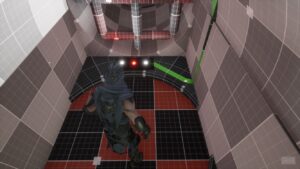
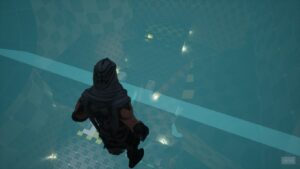
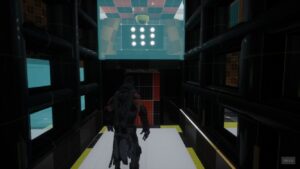
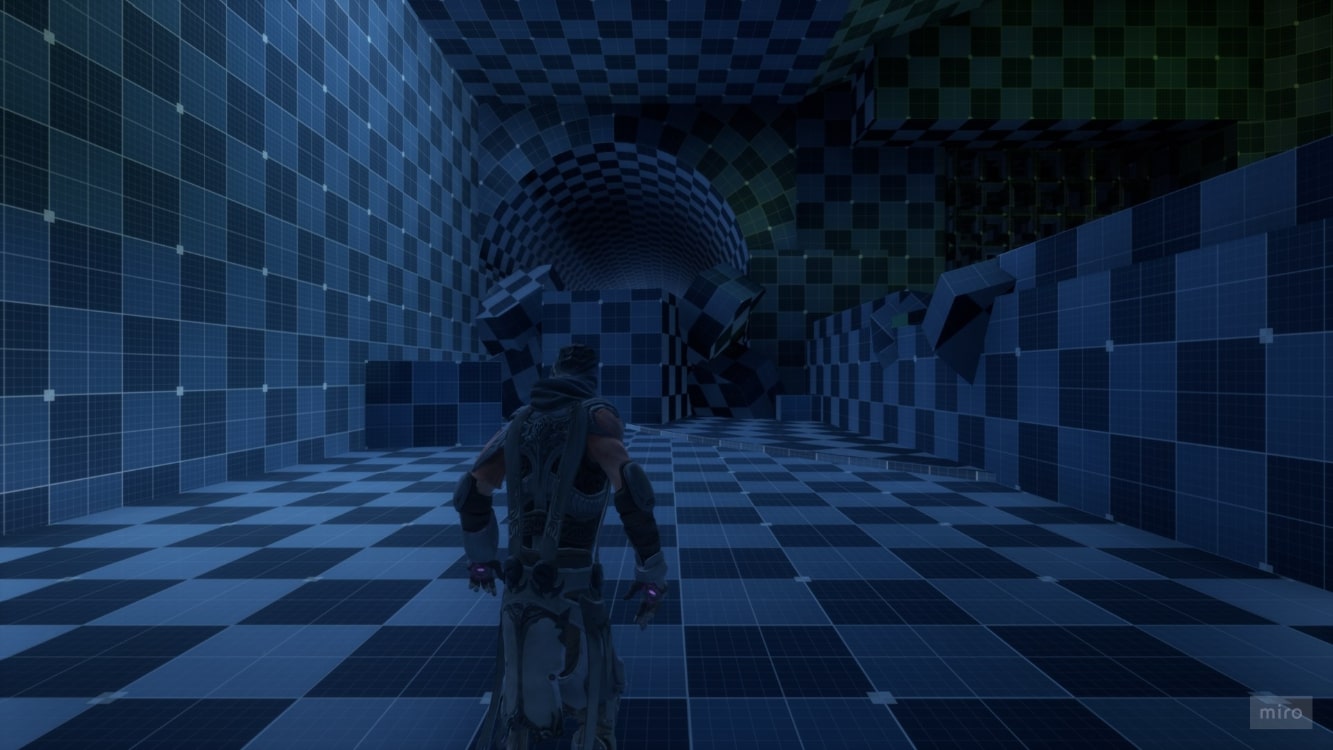
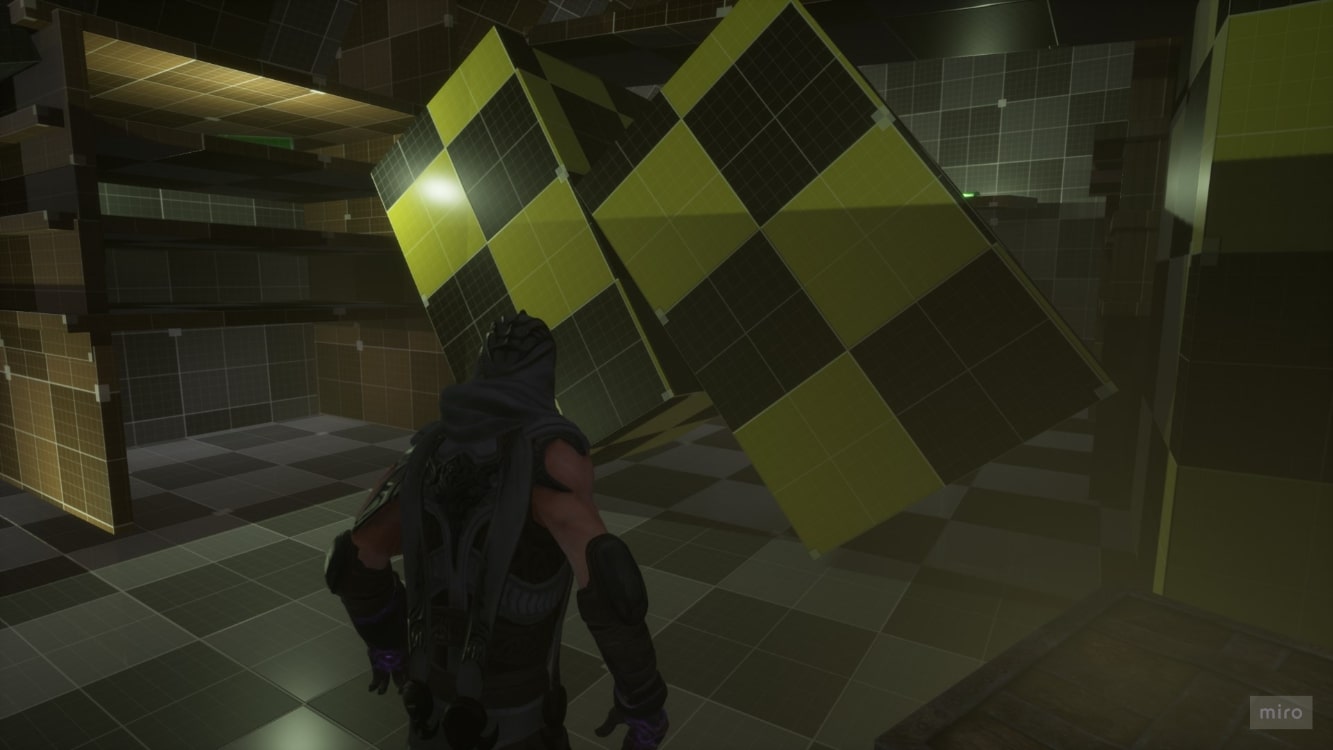
    After the main terminal, players explore an overgrown area to vary pacing before entering vents with a shorter puzzle requiring pistons to actively match pads. This sequence leads to the final chamber, where players combine all mechanics to activate platforms and reach the exit, rewarding mastery and signaling level completion.

    Technique Detail:

    • Added an overgrown exploration area to balance pacing
    • Designed vent puzzles requiring precise piston control to progress
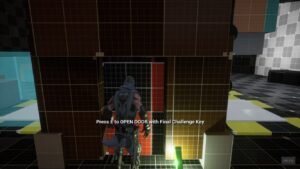
    • Final chamber integrates all mechanics with clear visual feedback
    • Dynamic environmental changes guide and reward the player’s success

    Walkthrough

    Skip to ↓
    5 Videos
    Beat Overview

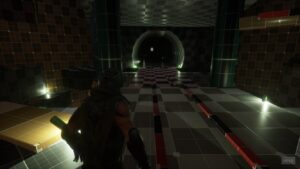
    Beat 1: Track Entrance

    The player begins at a collapsed metro tunnel, forced to proceed on foot into the darkness. Subtle lighting and track direction guide them toward a dimly lit service door, establishing tone and initiating the first step of exploration. This beat introduces environmental storytelling and sets up the player’s first objective: finding a way forward.
    Research, Ideation & Planning

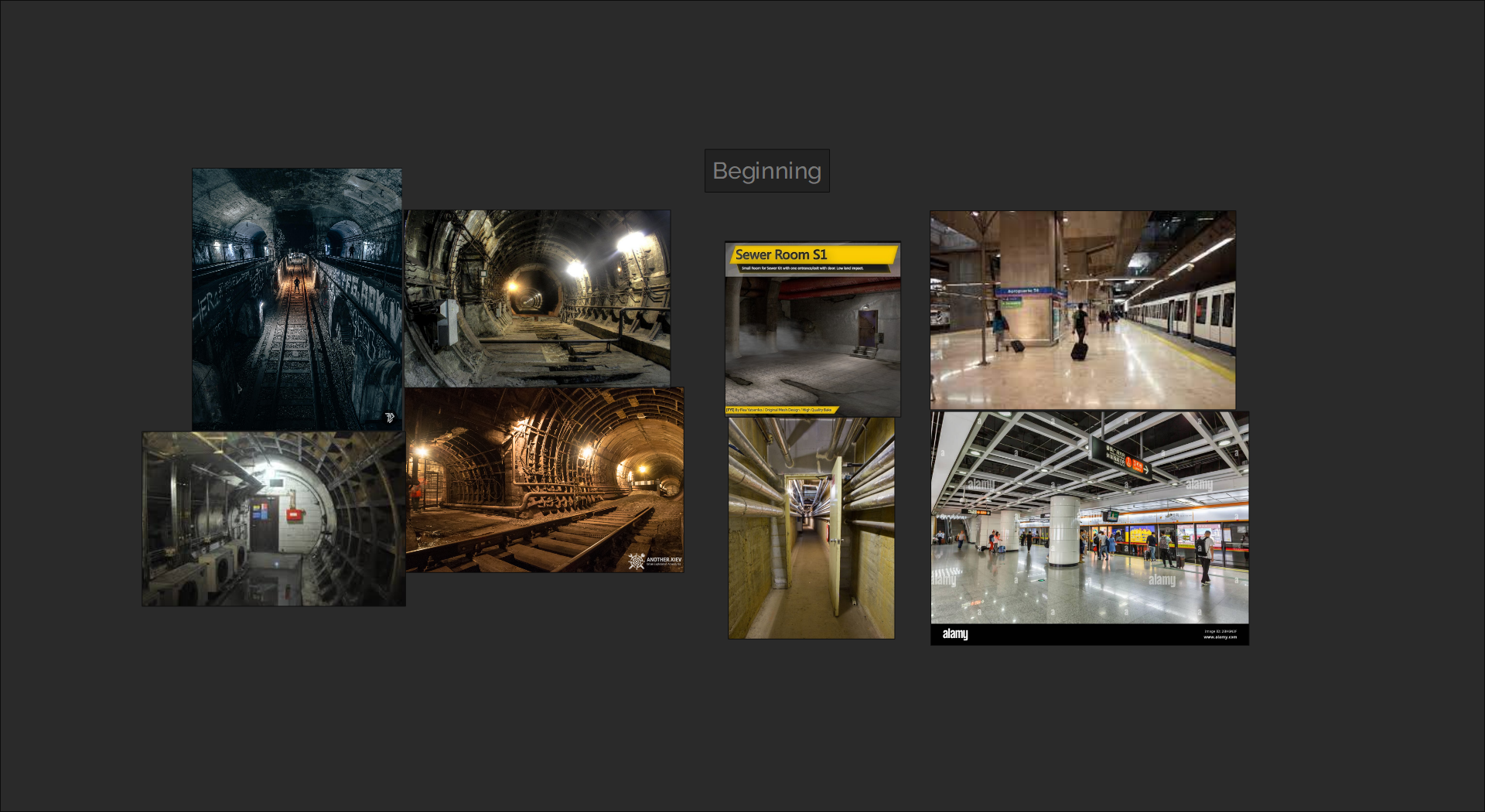
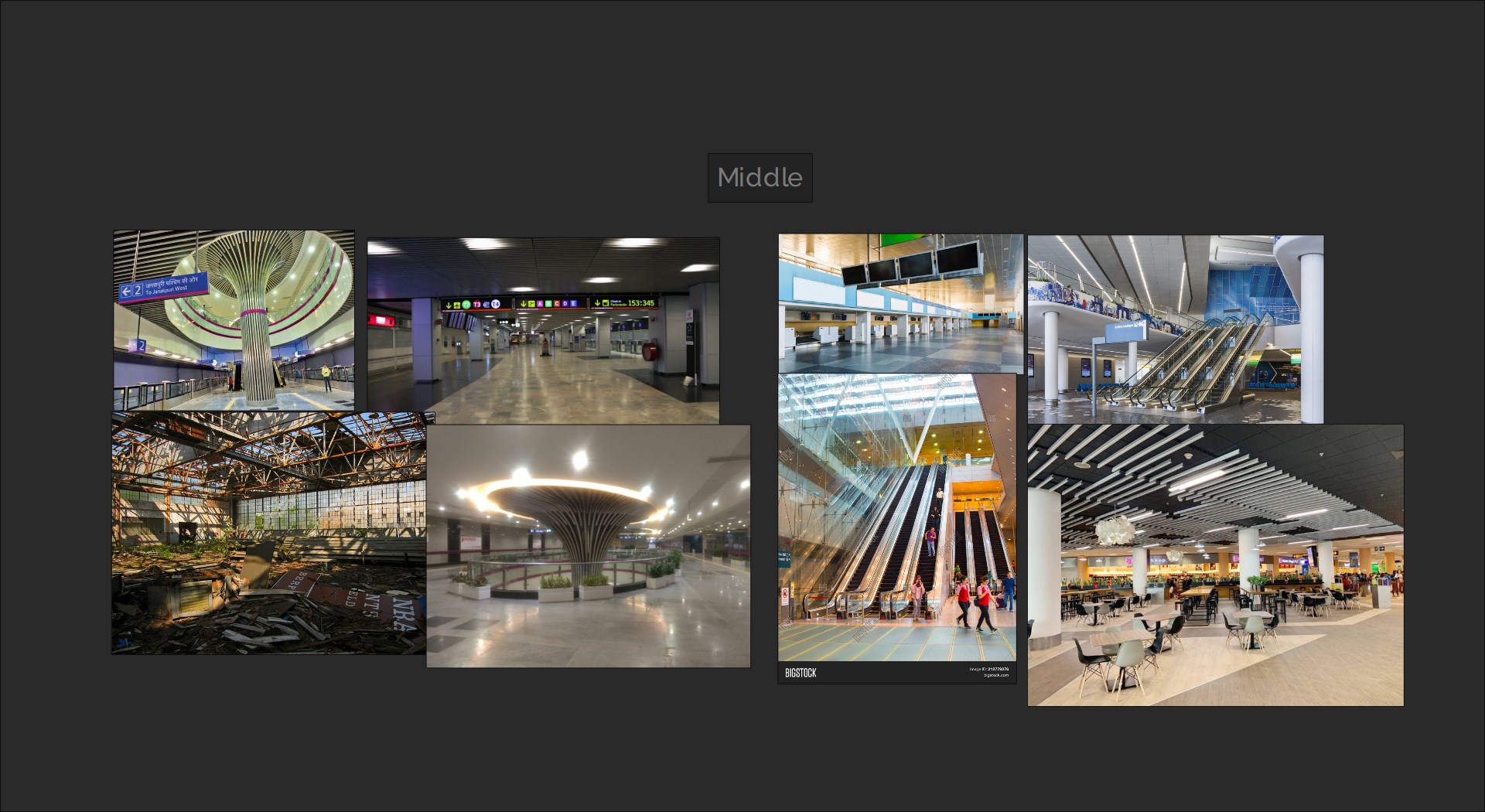
    I researched real world environments and cinematic adventure games as sources of inspiration and context for my abandoned metro station level. This research informed my design decisions around gameplay flow, environmental progression, and key focal points such as the service room, main terminal, and final puzzle chamber.

    • Analyzing Games: I drew inspiration from Uncharted and Metro to understand how levels guide players through interiors. I focused on their use of lighting, architectural framing, and environmental storytelling to create immersive spaces that naturally direct player movement and highlight objectives.
    • Researching Real-World References: I compiled detailed reference sheets from abandoned metro tunnels, service rooms, and terminal stations. These real-world settings helped me craft authentic, atmospheric interiors that blend worn infrastructure with layered gameplay, reinforcing the theme of a forgotten transit system reclaimed by time.

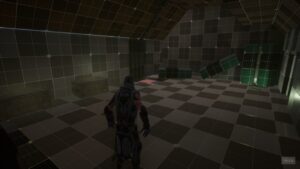
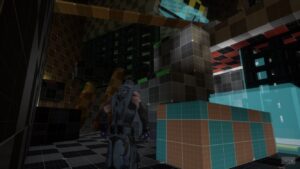
    Blockout 1

    Results:
    Built a playable prototype blockout focused on testing and integrating custom mechanics within a readable, guided environment.

    Goal:
    Prototype the level’s core flow and mechanic functionality using basic geometry. Prioritize spaces that support puzzle introduction, escalation, and player understanding.

    Implementation / Execution:

    • Shaped key areas (service room, terminal, vents) around mechanic function
    • Prototyped early puzzle setups to test spacing and clarity
    • Simulated piston logic and player flow using basic geometry
    • Structured progression around mechanic learning and increasing complexity
    • Prioritized rapid testing and iteration over visual layout

    Blockout 2

    Results:
    Refined core spaces and mechanic setups based on initial testing. Improved pacing, readability, and challenge clarity across the full level.

    Goal:
    Strengthen mechanic integration and player flow by refining layout, spacing, and timing. Build toward final challenge structure with clear escalation.

    Implementation / Execution:

    • Rebuilt sections for smoother transitions and better line of sight
    • Adjusted puzzle and piston spacing to improve clarity and input timing
    • Refined geometry to support pacing between challenges and exploration
    • Tuned visibility of goals, buttons, and puzzle elements
    • Began layering environmental cues to support guidance without scripting

    Puzzle & Pistons

    Results:
    Developed two interconnected mechanics, pattern based puzzles and timed pistons, designed to escalate together and drive the level’s core challenge structure.

    Goal:
    Create a modular puzzle system that allows for both direct player interaction and indirect manipulation through pistons. Ensure mechanics are readable, reliable, and support progressive difficulty.

    Implementation / Execution:

    • Built a base controller blueprint to track draw pad states and trigger events
    • Designed draw pads to toggle states on overlap or piston activation
    • Developed pistons with timeline driven movement and on/off control
    • Linked pistons to draw pads to create indirect puzzle interactions
    • Balanced timing, spacing, and readability for puzzle escalation across the level