
Moirai
- Genre: Multiplayer Co-op FPS Looter Shooter
- Type: Blockout
- Engine: Unreal Engine 4
- Tools: Paragon Assets, Unreal FPS Template
- Iterations # 4
- Playtests # 3
- Role: Gameplay / Level Designer
Goal

My goal was to design two original levels and three core mechanics for Moirai, a six player looter shooter created as the capstone project for my Bachelor’s degree. Inspired by Destiny 2, I focused on recreating its gameplay loop while developing new mechanics, quest systems, and co-op friendly spaces grounded in Roman and sci-fi fantasy themes.
Throughout this project, I pushed myself to grow as a systems focused level designer in a cross disciplinary team. Specifically, I focused on improving in a few key areas:
- Designing mechanics and spaces that support both solo and multiplayer
- Teaching gameplay systems through layout, flow, and encounters
- Balancing action pacing, player readability, and scale
- Scripting complex logic for quests, progression, and multiplayer support
As my first large scale collaborative project with developers, artists, and producers, it challenged me to communicate clearly, adapt quickly, and deliver functional, replayable content under tight constraints.
Level 2 Overview & Technique Highlights
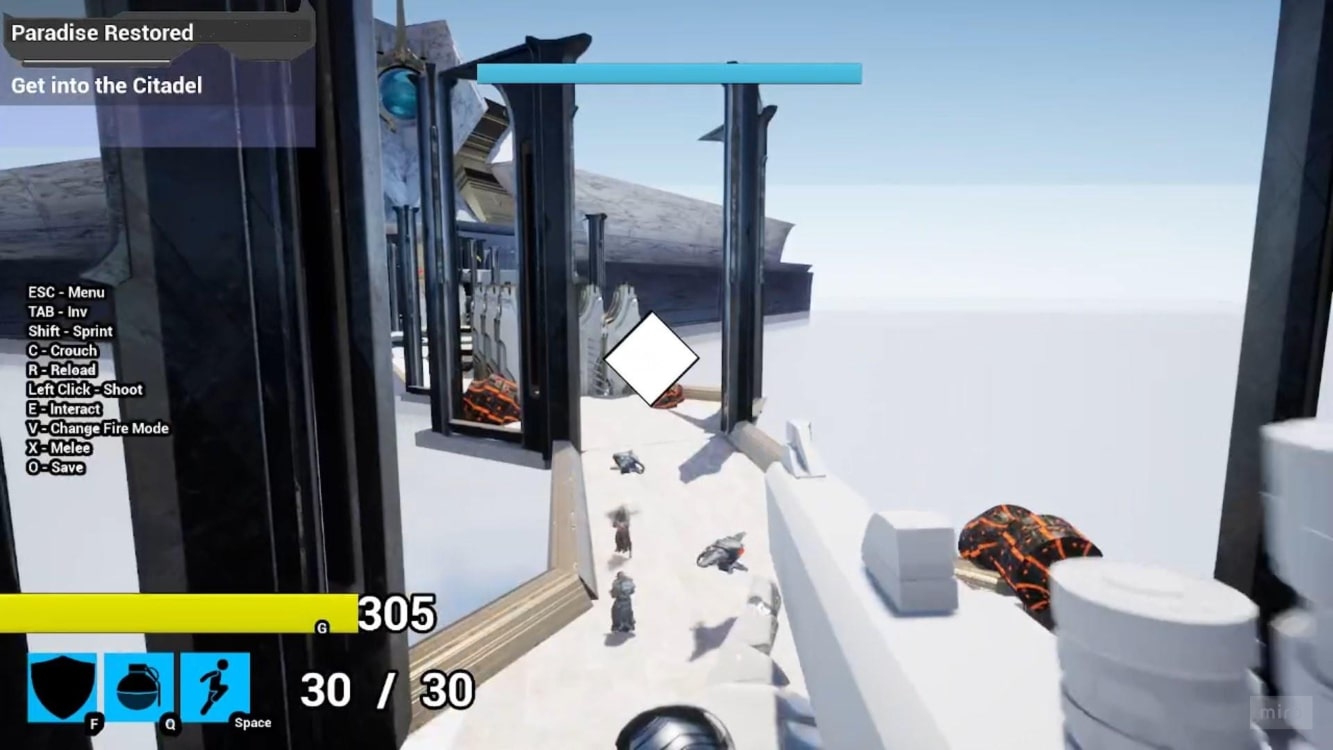
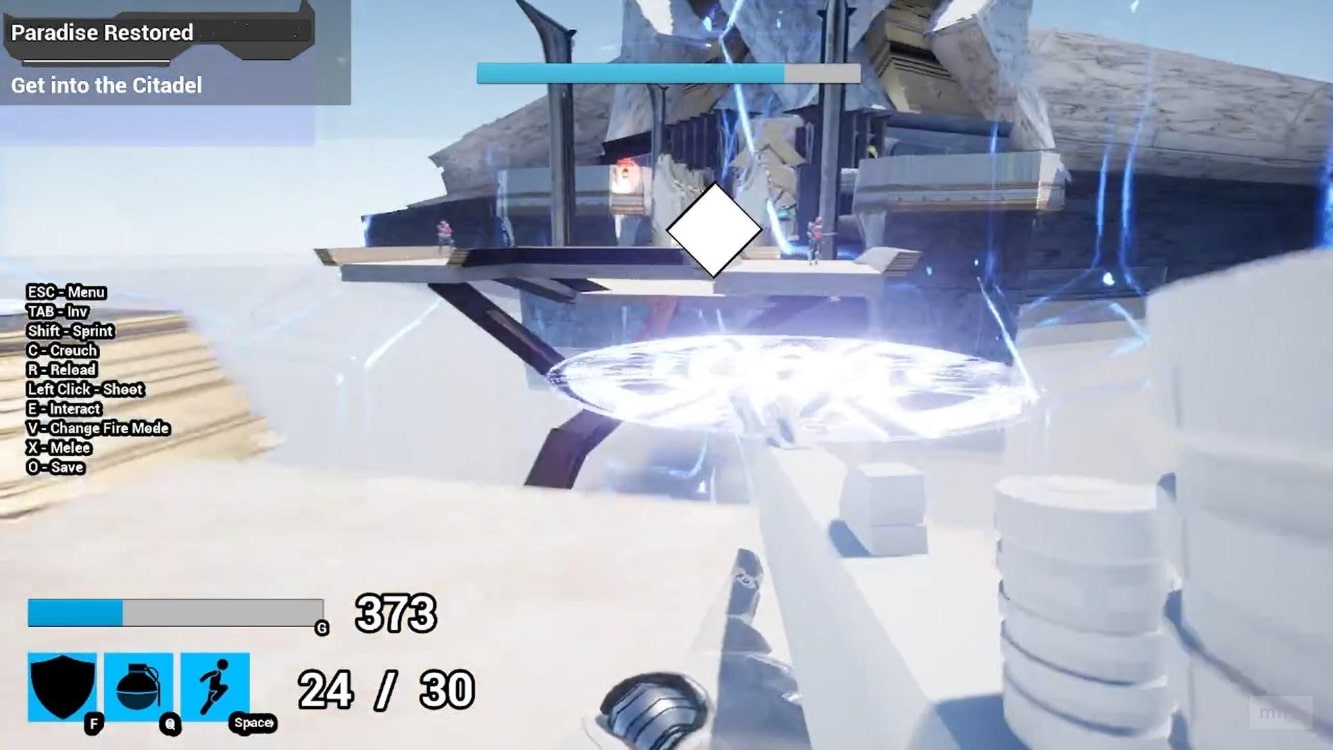
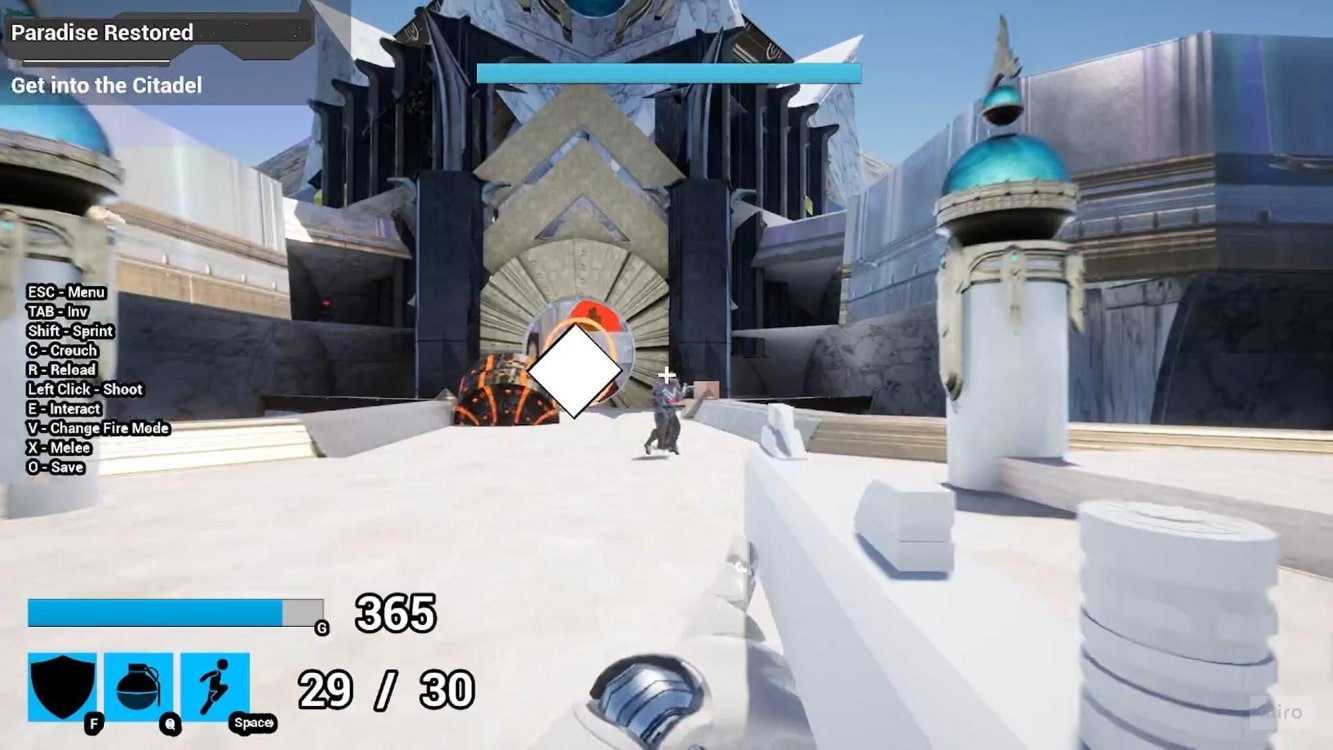
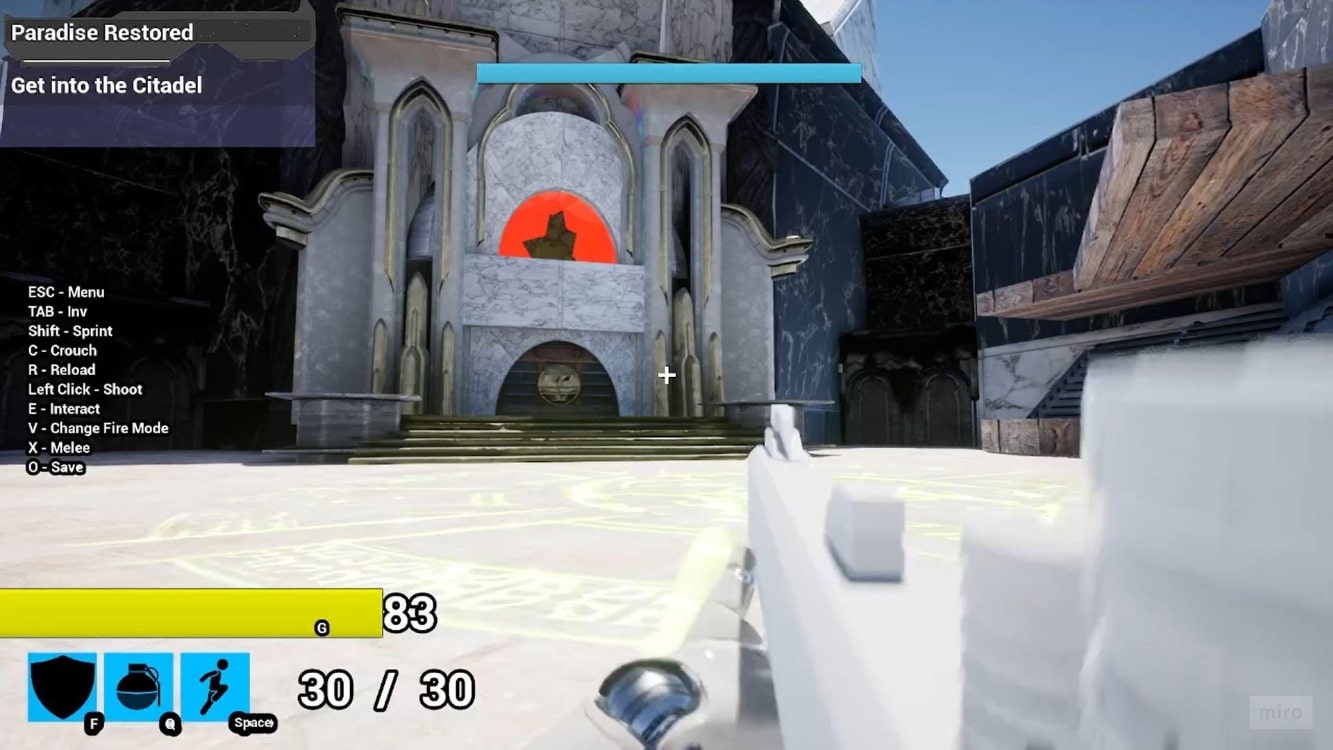
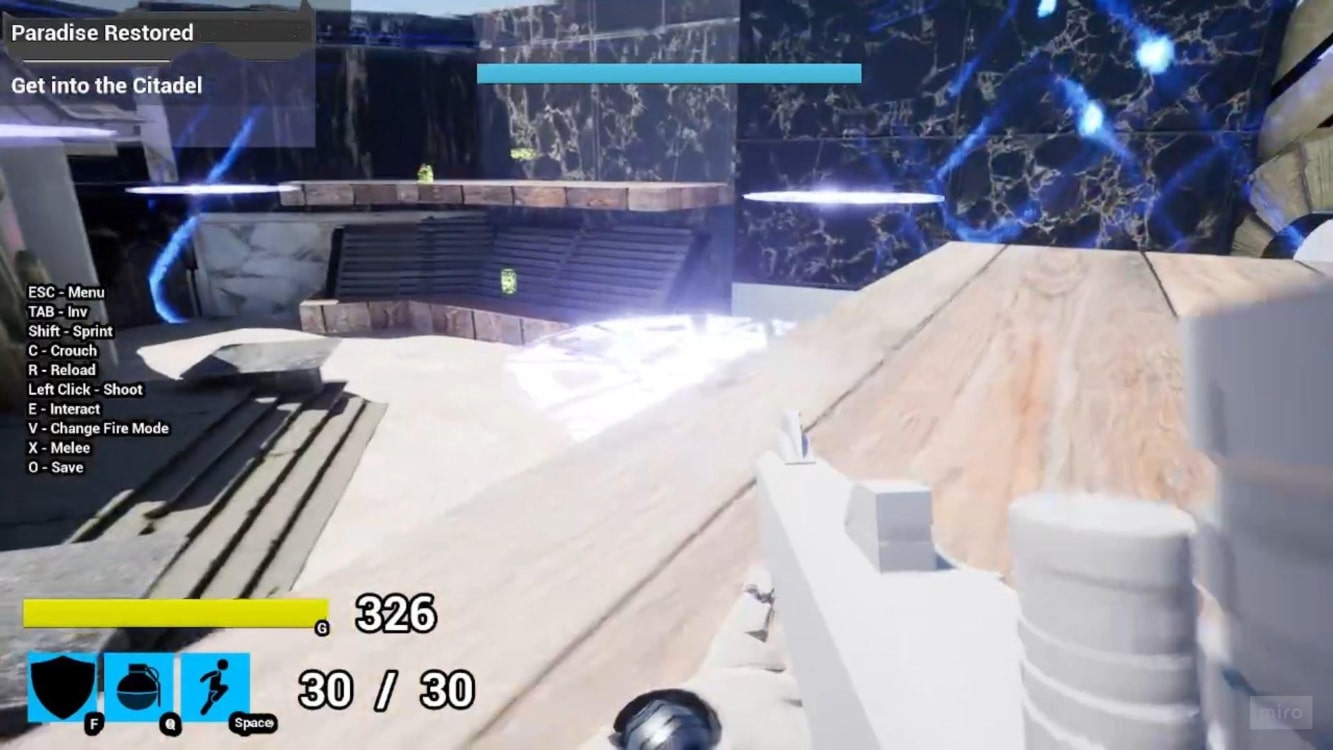
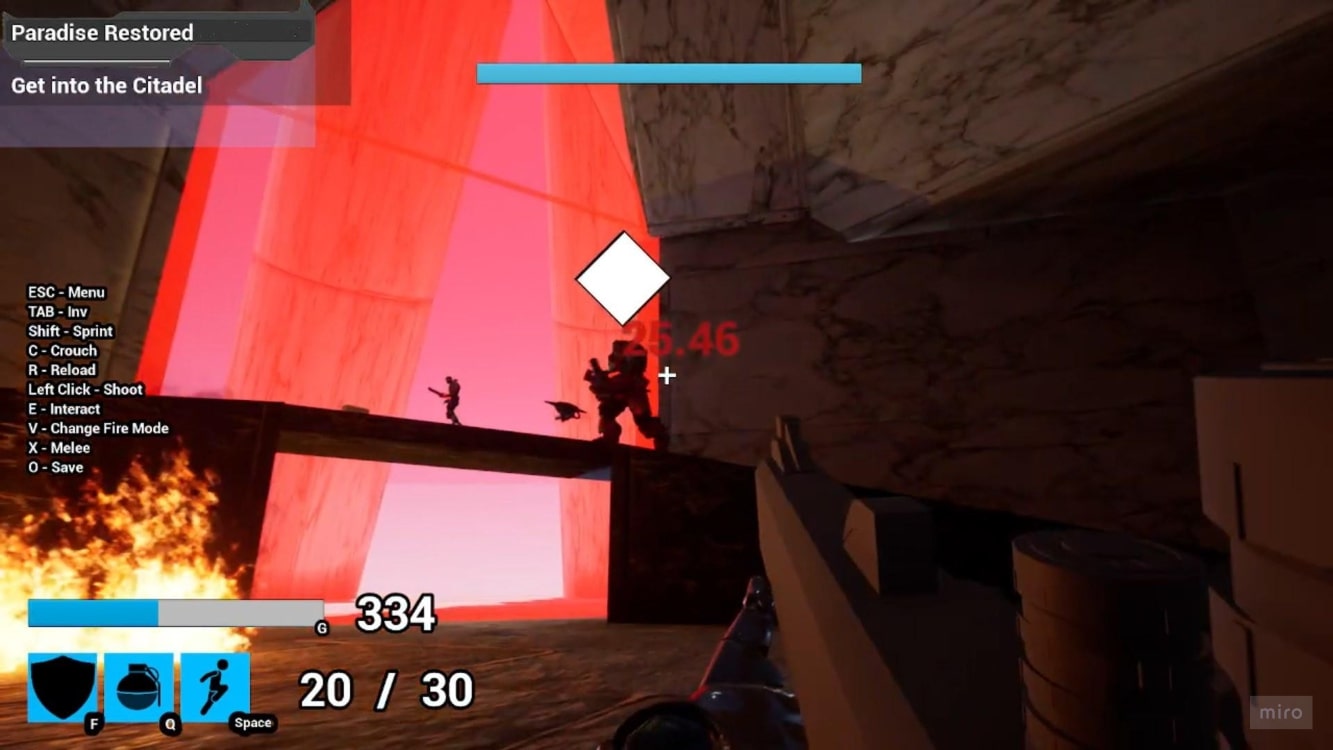
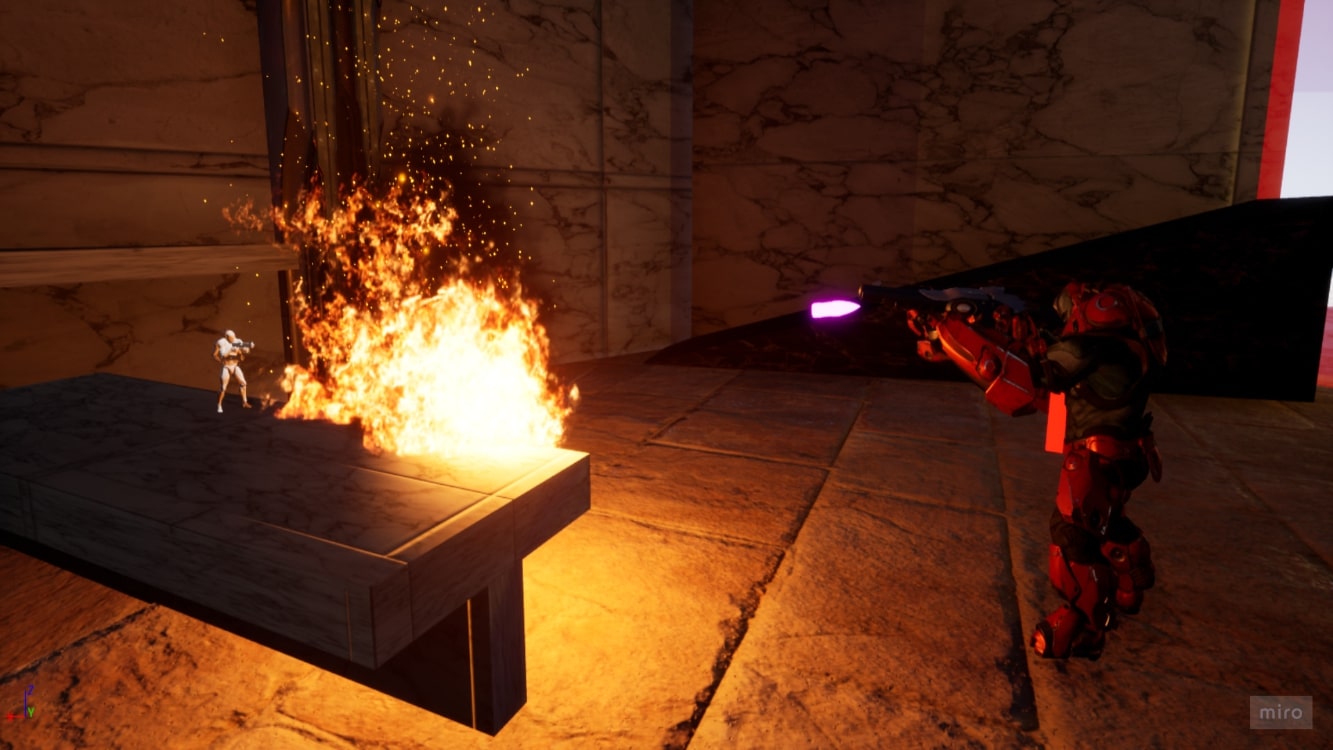
Setting/synopsis:
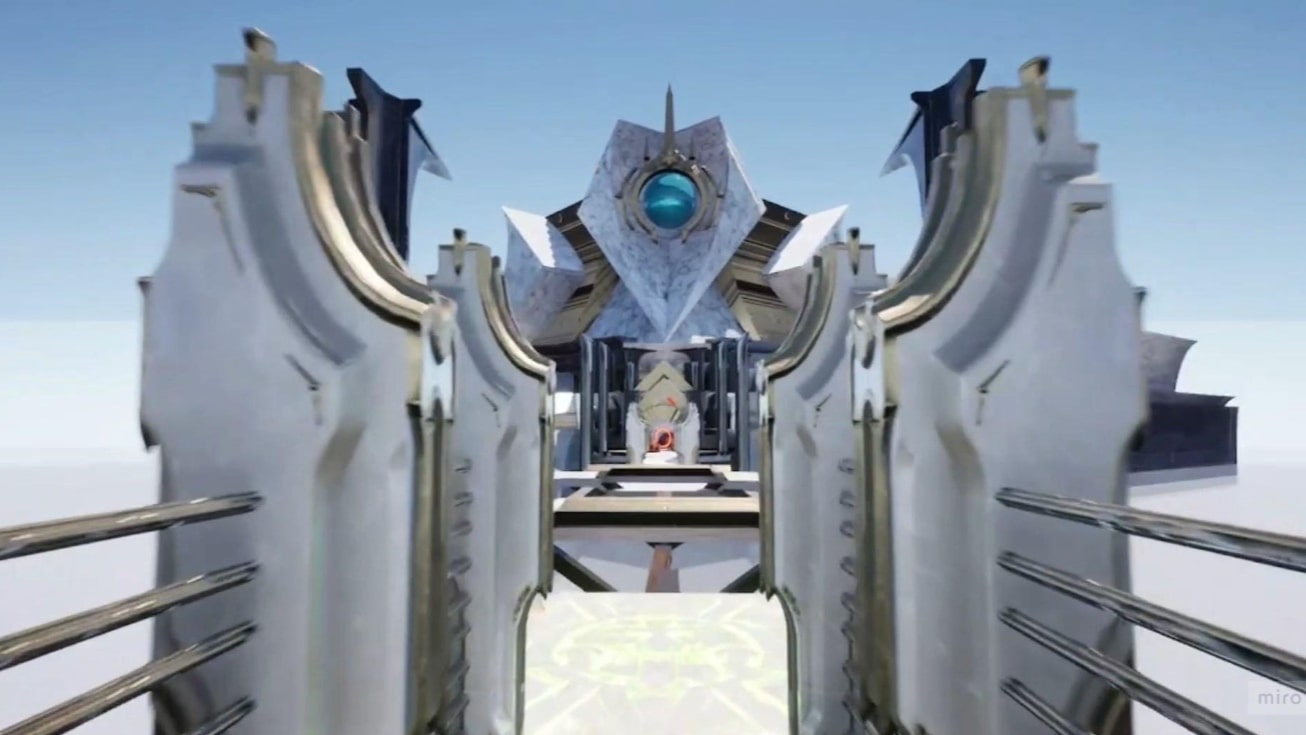
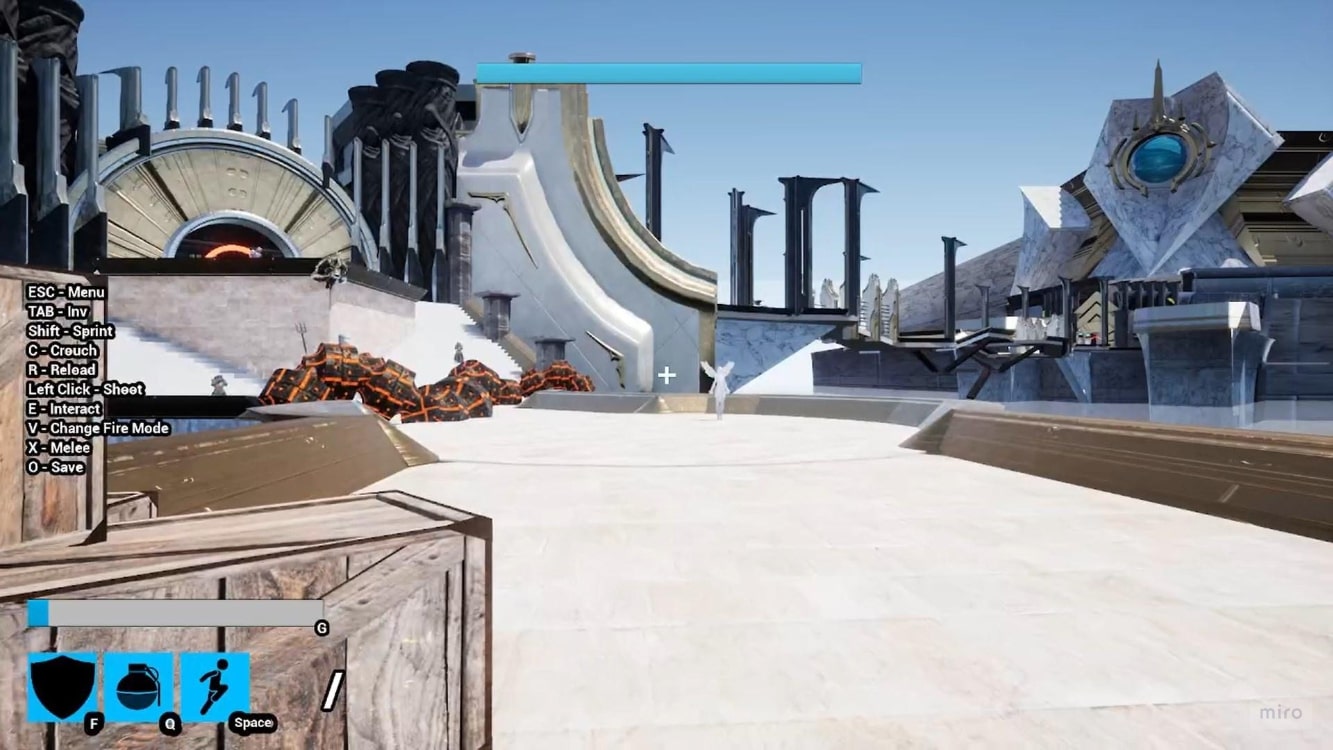
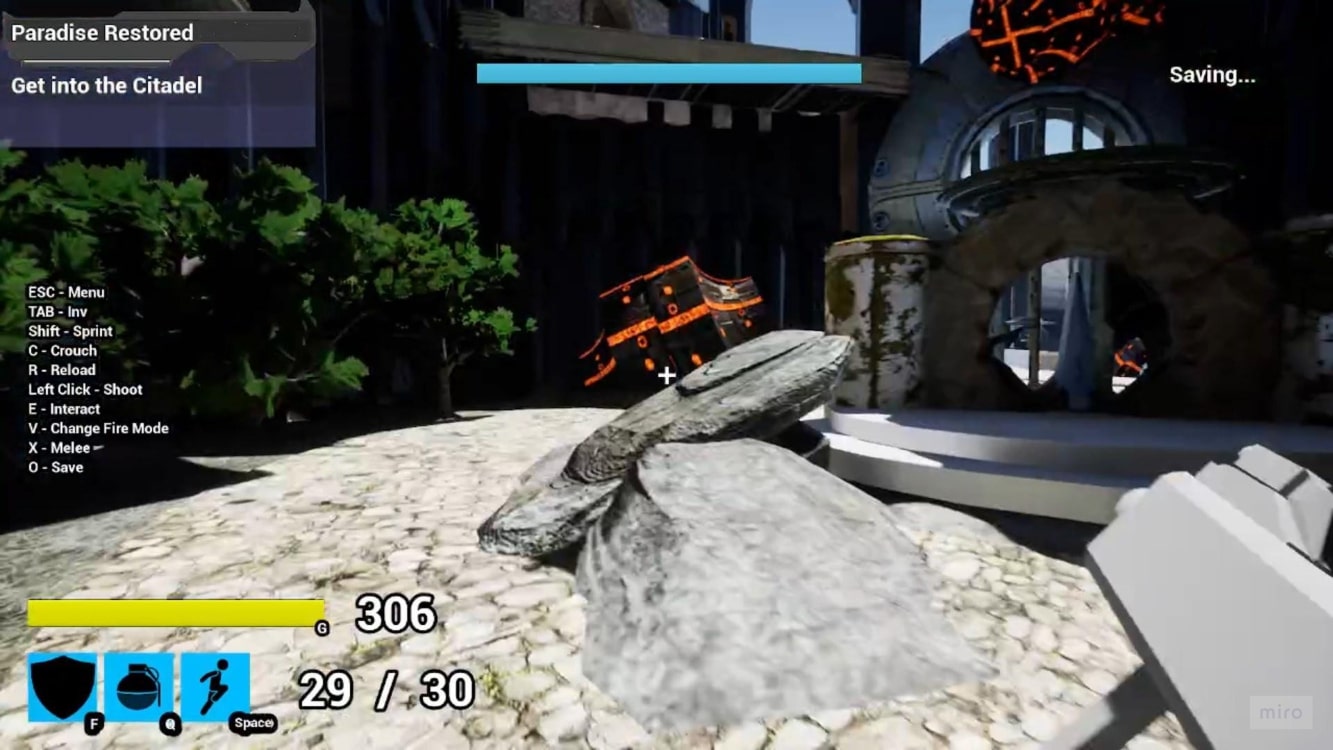
The level is set in a sci-fi fantasy interpretation of Olympus, suspended above a vast abyss and framed by towering marble structures and a distant citadel. The environment blends classical Roman architecture with futuristic elements to create layered combat spaces for both solo and co-op play.
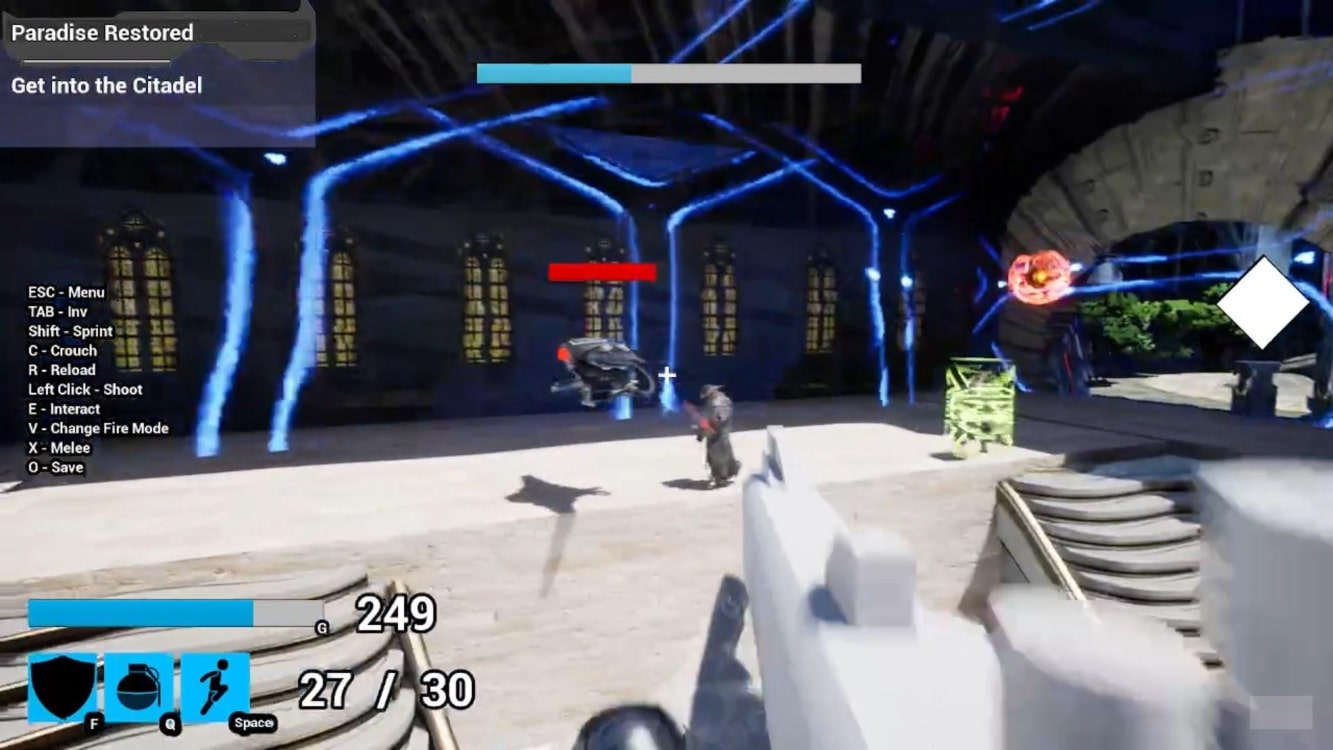
The player takes on the role of a soldier sent to reclaim the citadel, progressing through a linear series of combat encounters that introduce the Snare Trap mechanic an arena event where enemy immunity cycles force players to adapt on the fly. Progression emphasizes group coordination, vertical traversal, and increasingly complex traps tied to the game’s central combat loop.
Technique & Use-case:
Designed the level layout around visual framing and landmarking to introduce and reinforce the Snare Trap mechanic through progression.
Context of use-case:
Players see the citadel and bridge from the very start, creating a clear long term goal. Each arena is placed in direct line with this destination, allowing the level to teach the Snare Trap mechanic naturally across escalating encounters.
Technique Detail:
- Citadel and bridge framed from spawn to set the player’s goal
- Snare arenas spaced to allow buildup and contrast
- Multi path layouts to support solo or group strategy
- Visual cues for each trap to prepare players before entering
Level 2 Overview & Technique Highlights
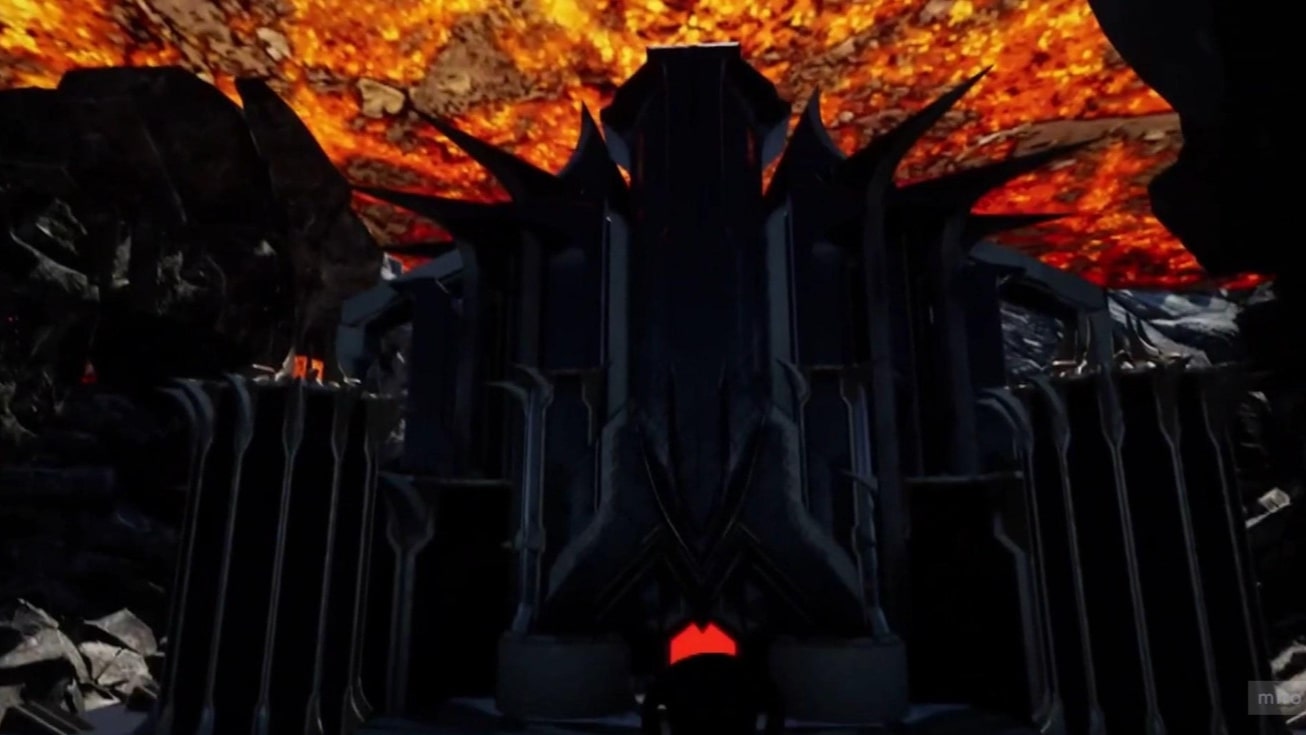
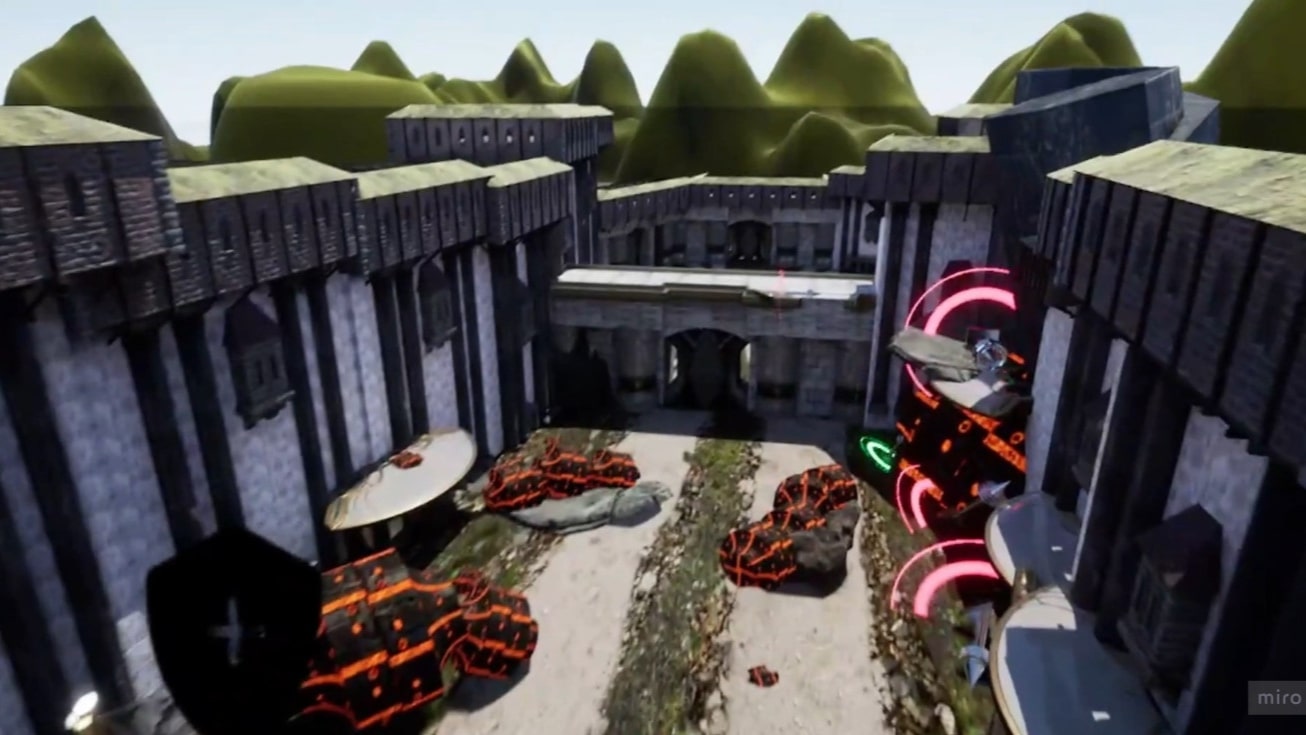
Setting/synopsis:
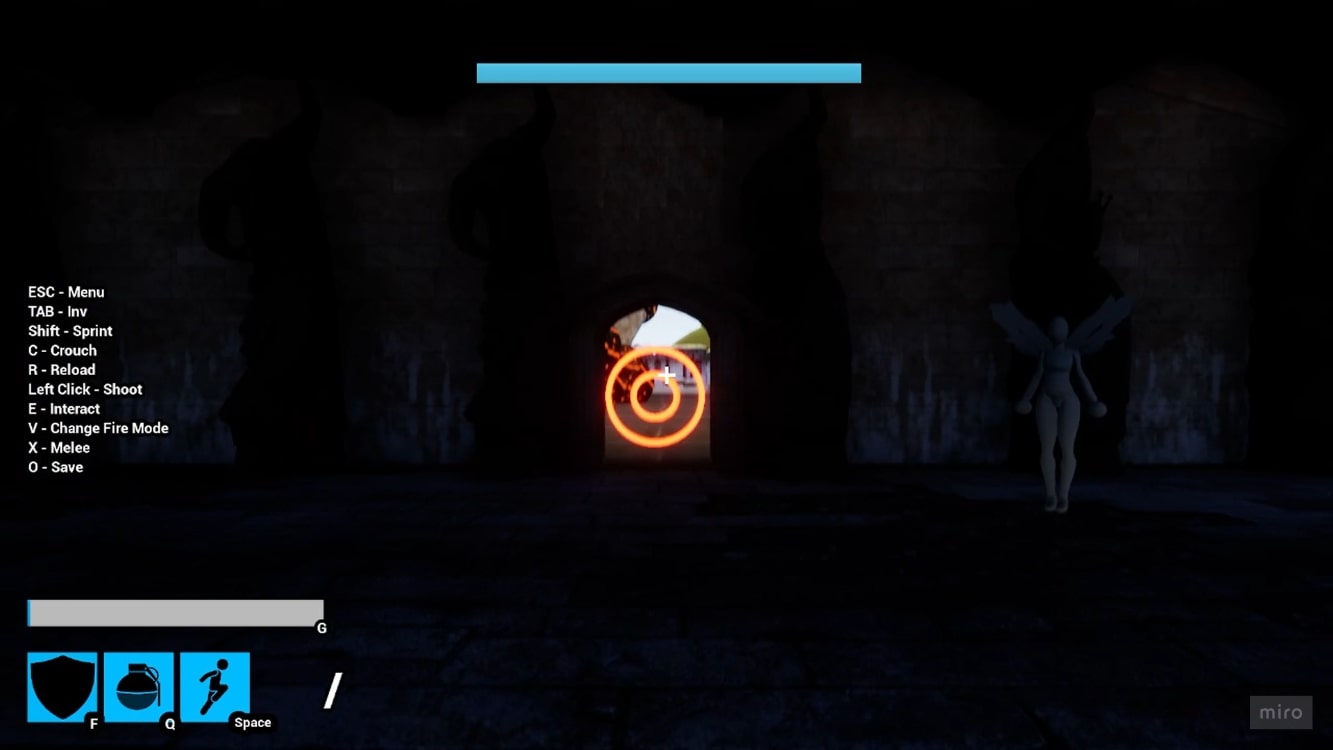
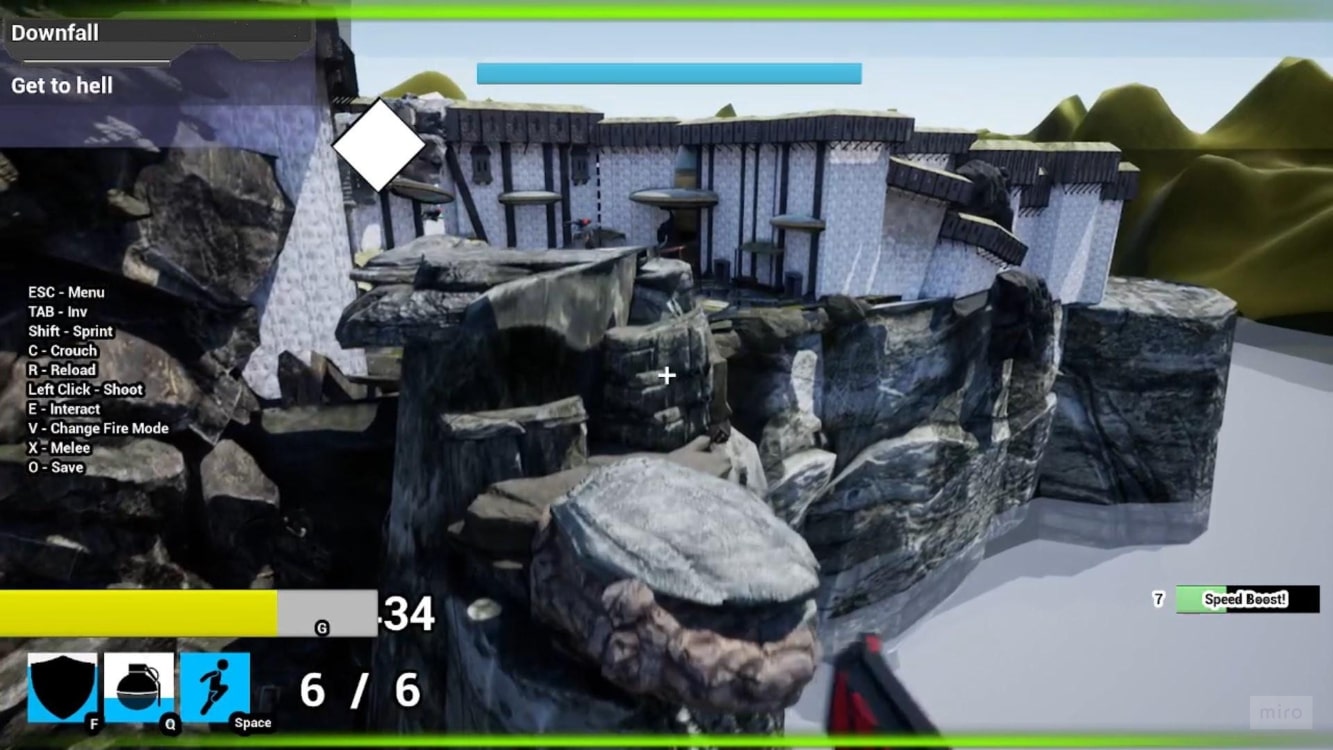
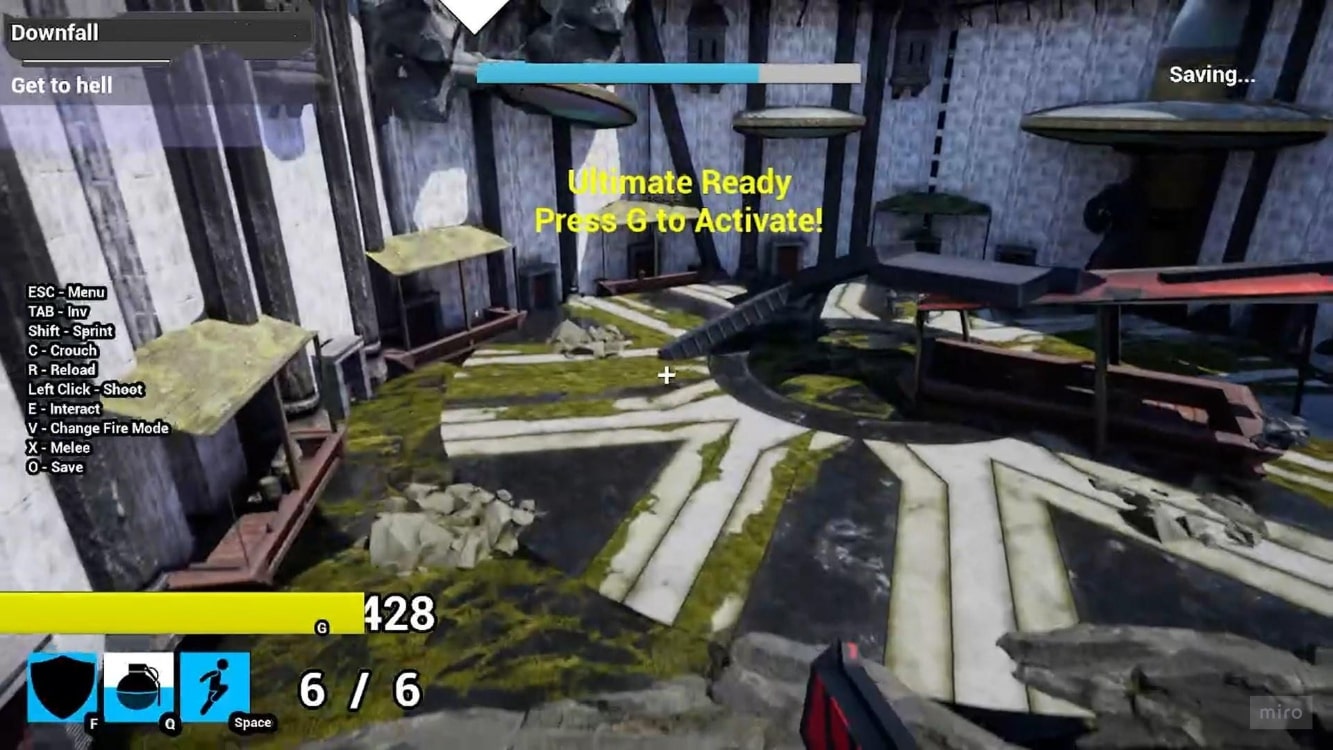
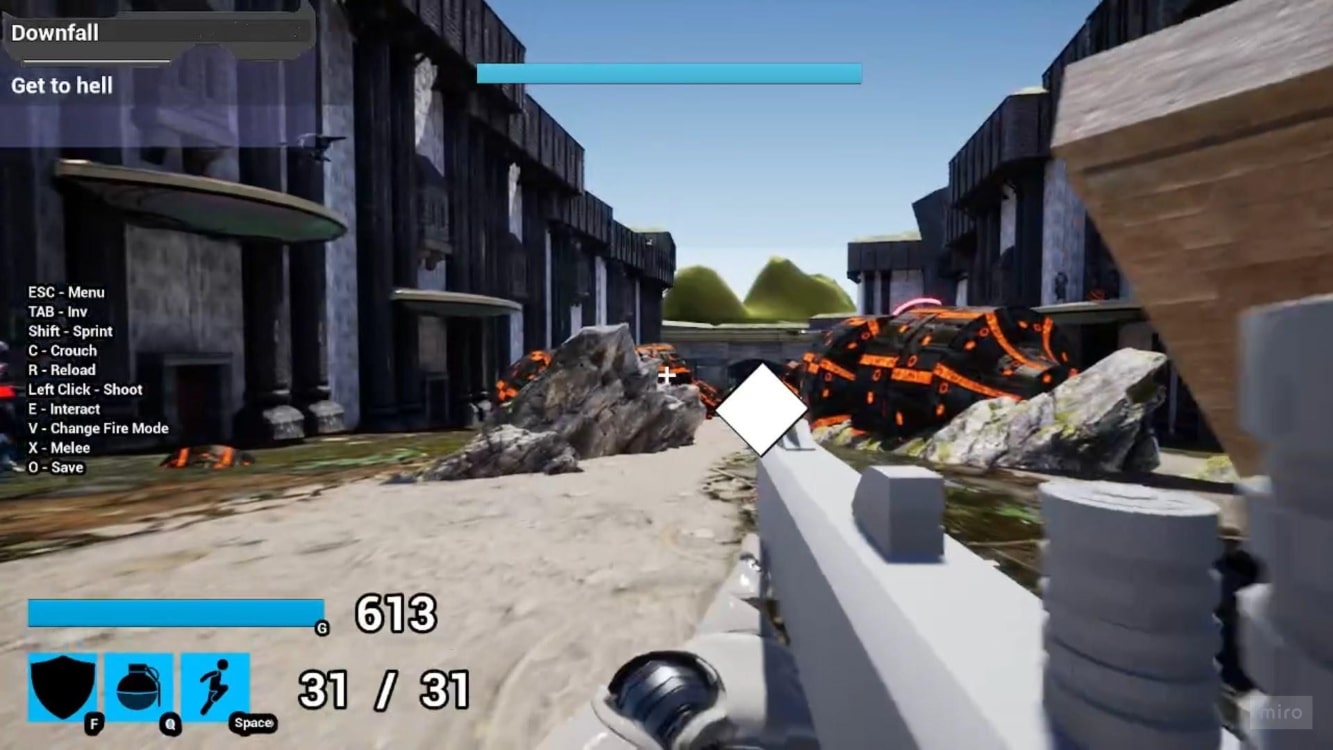
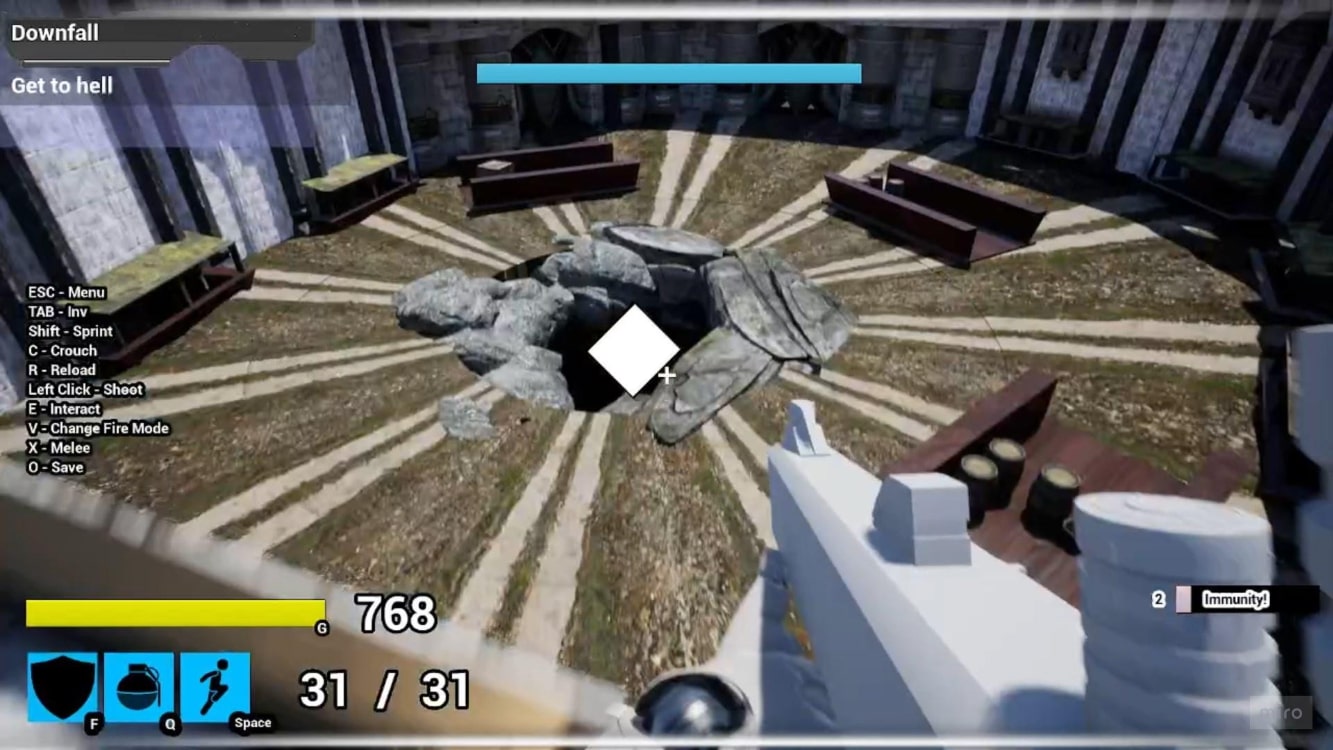
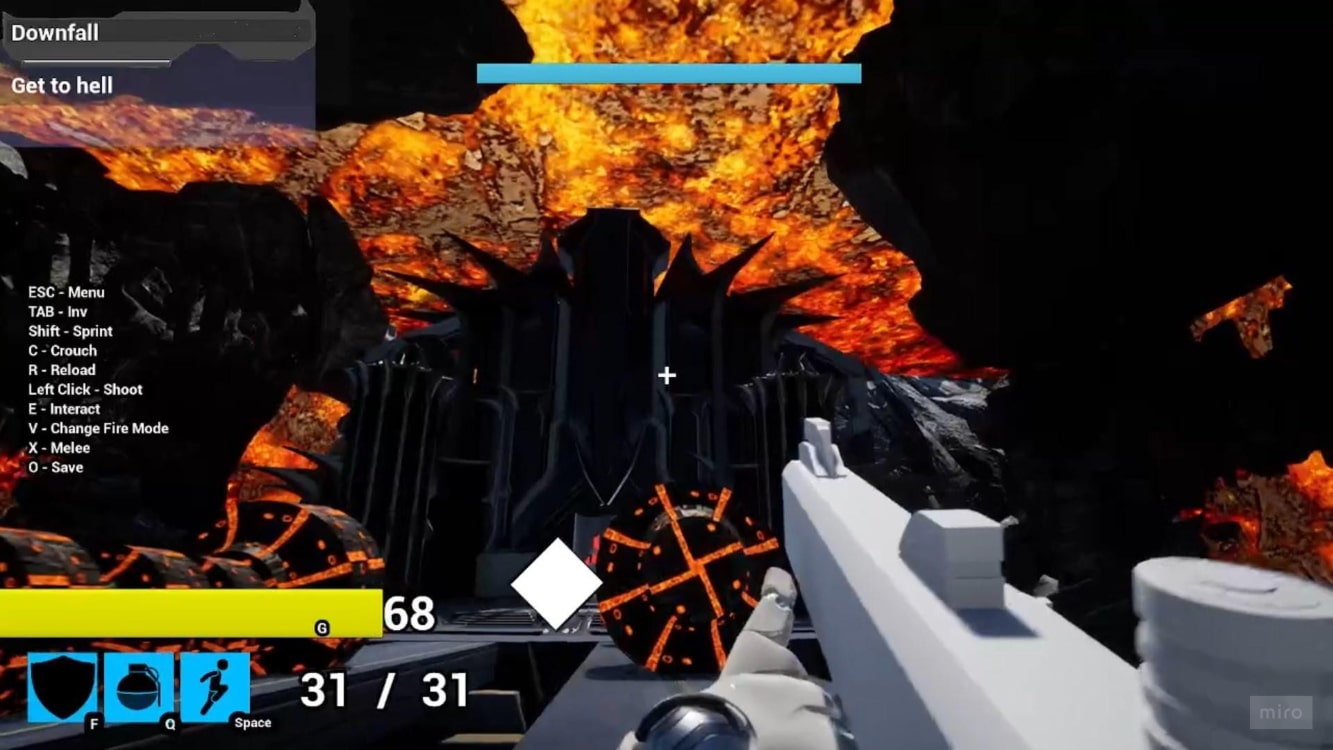
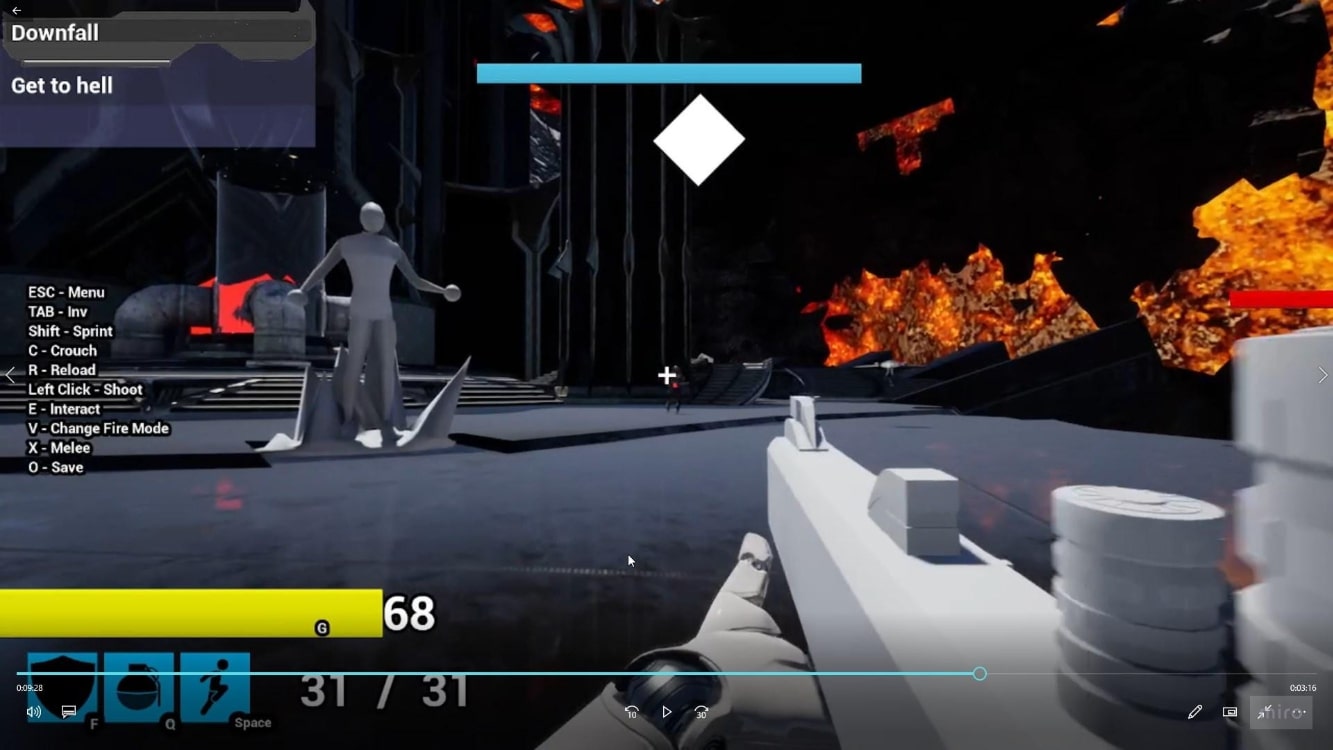
The level begins in a Roman city mid invasion and descends into a corrupted underworld filled with lava, fortresses, and demonic forces. Players fight through collapsed temples, broken streets, and ruined towers before entering Hell itself to complete their mission.
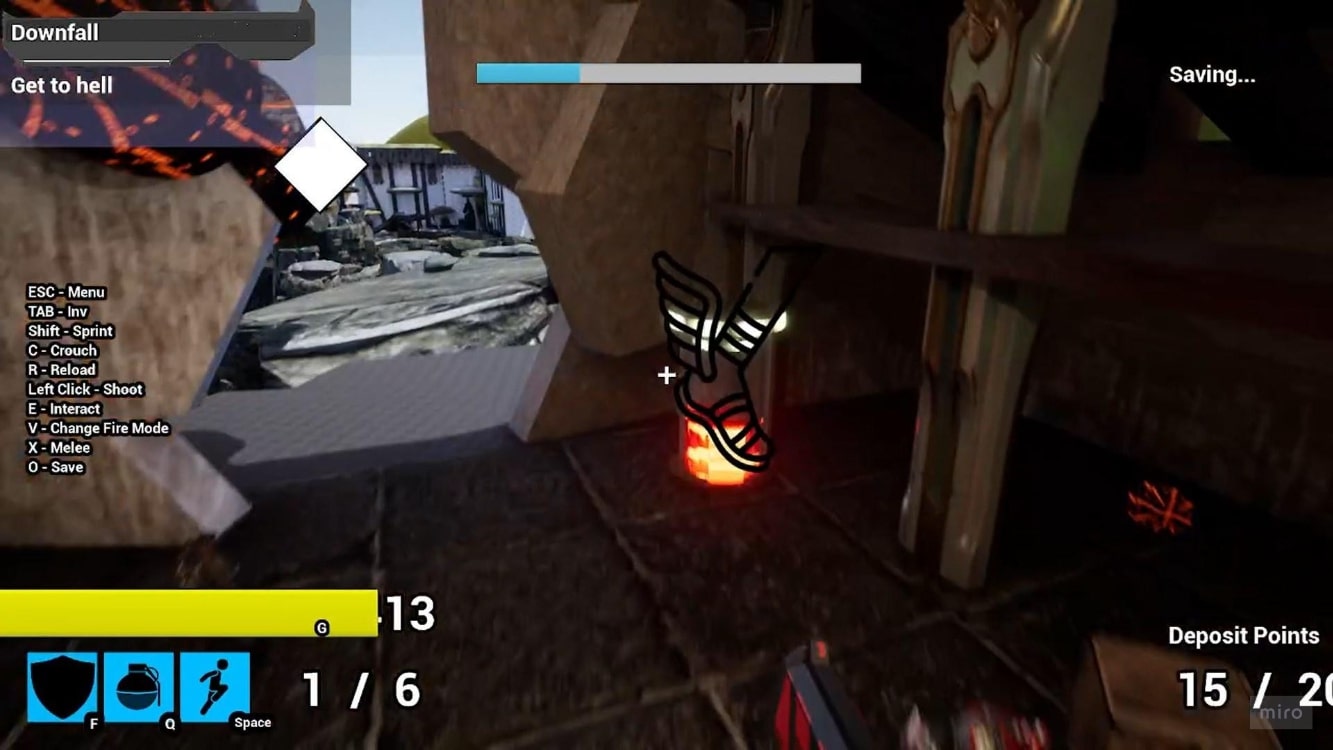
The player must collect points from enemies and deposit them at key locations to gain temporary powers needed to progress. These Deposit Points enable traversal and survival, culminating in a final arena where the player is under constant health drain. Progression emphasizes fast paced combat, resource management, and moment to moment adaptation in increasingly hostile environments.
Technique & Use-case:
Structured the level around mechanic driven pacing, using environment transitions to reinforce the use of Deposit Points for progression.
Context of use-case:
Each stage of the level introduces a new ability tied to a Deposit, placed in visually distinct areas. Environmental obstacles like forcefields and gaps are used to telegraph when powers like speed or invincibility are required.
Technique Detail:
- Deposits marked with symbols tied to abilities
- Layouts built around teaching each power through necessity
- City to Hell transition signals rising tension
- Final arena uses health drain mechanic to push urgency
Research, Ideation & Planning
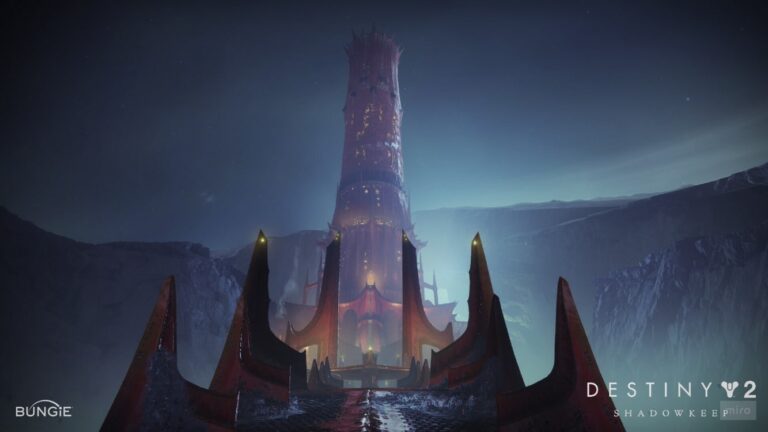
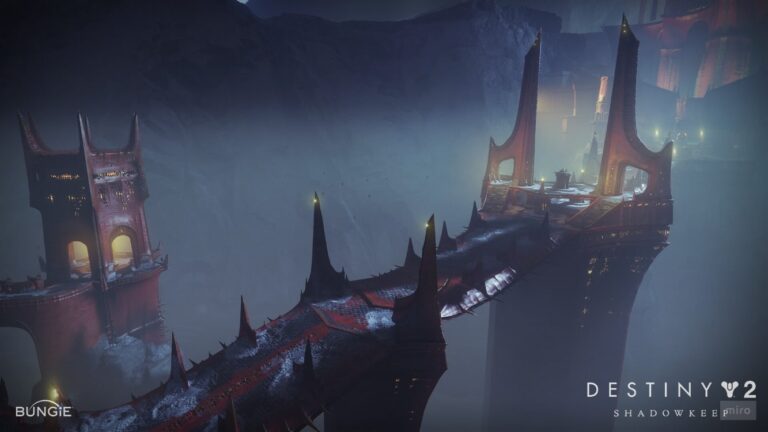
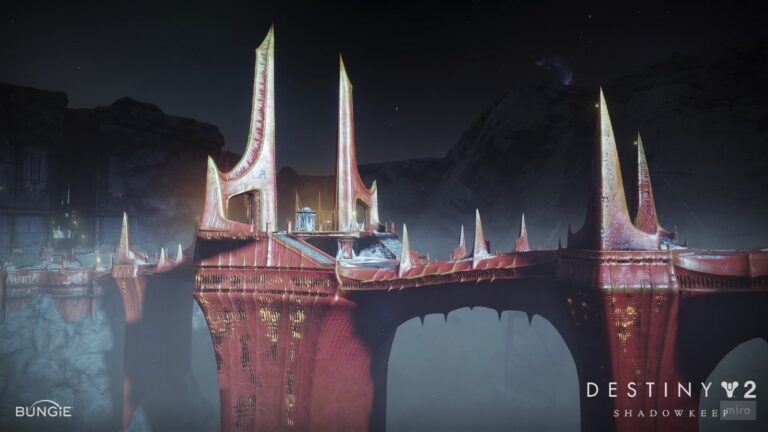
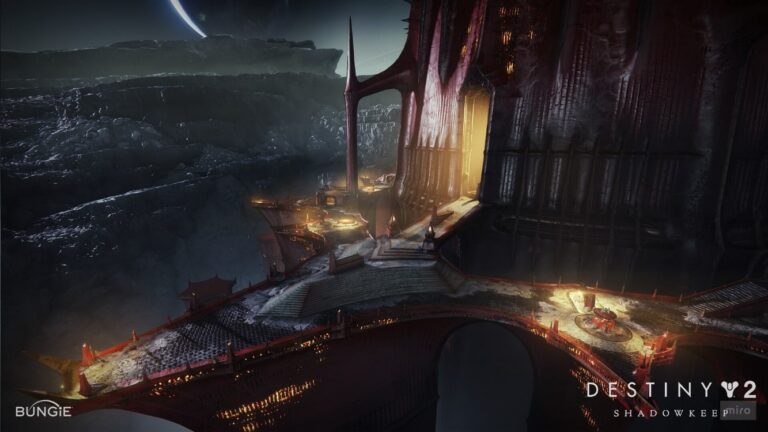
Due to strict time constraints, I planned and built both levels within one month while also supporting mechanic development and bug fixing. I focused on rapid layout design, mechanic integration, and efficient iteration to ensure each level supported the core gameplay loop.
Analyzing Games: I referenced Destiny 2 to study encounter pacing, combat flow, and how mechanics are taught through level structure.
Project Planning: Our team began with a short pre production phase, but shifting priorities forced us to build core gameplay much earlier than expected.
Mechanic Development: I designed each level around a unique mechanic, Snare Traps and Deposit Points, tailored to both solo and six player co-op play.
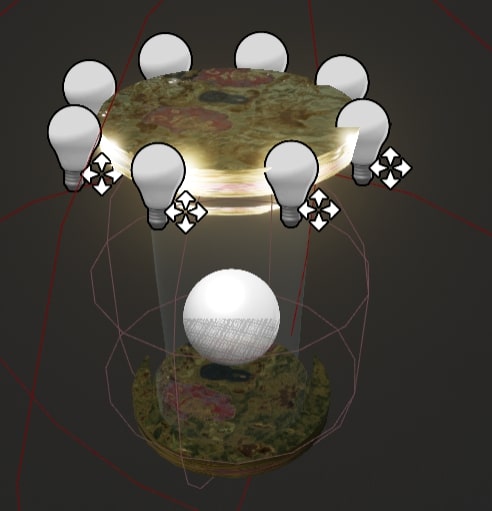
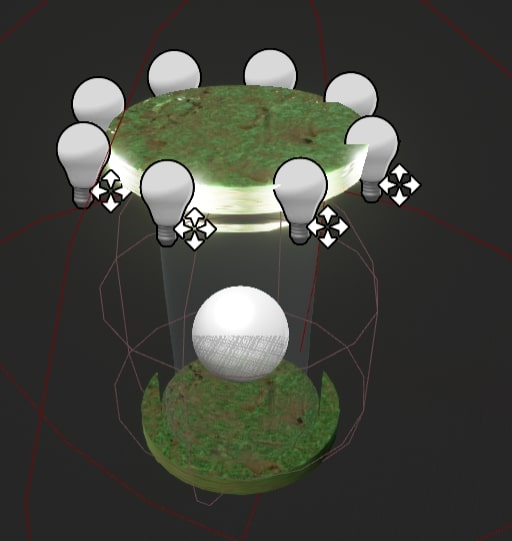
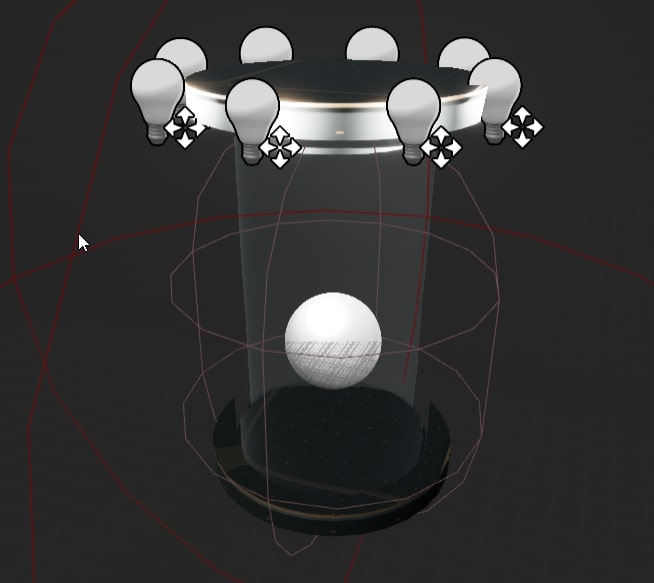
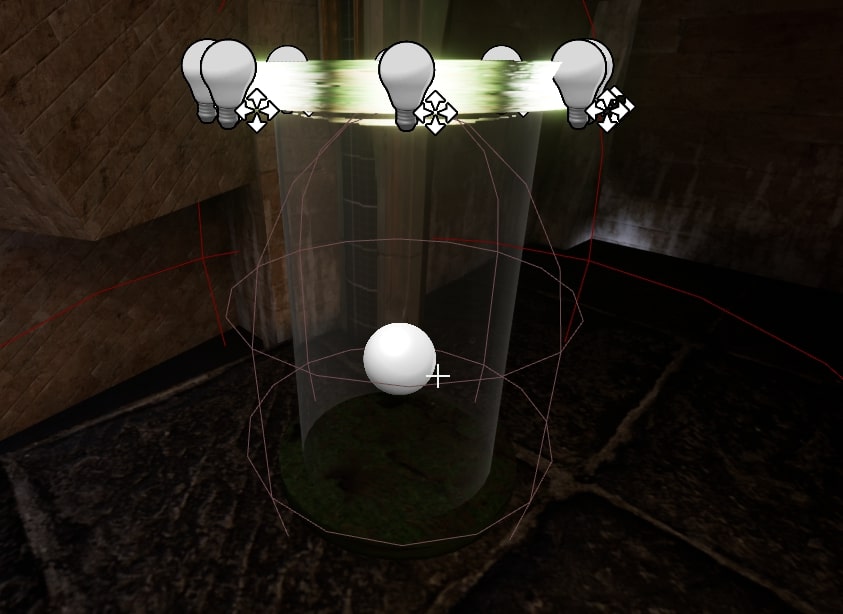
Points & Deposits
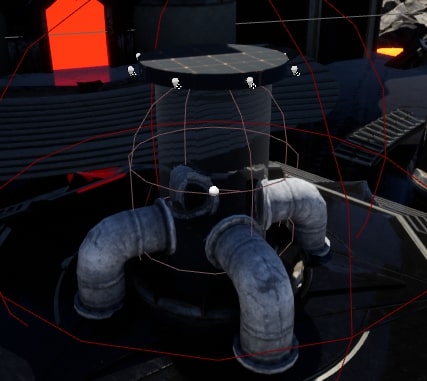
Results:
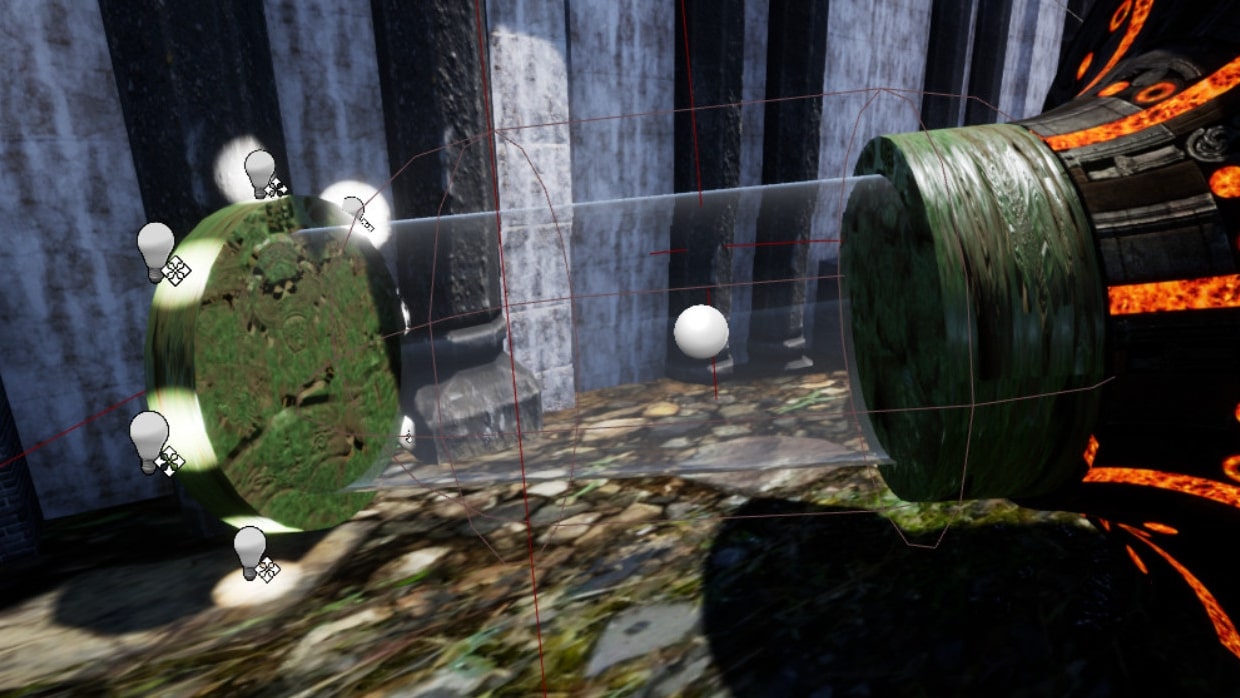
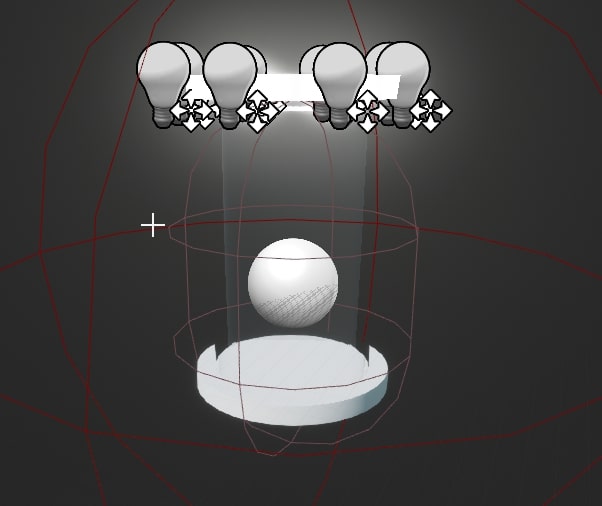
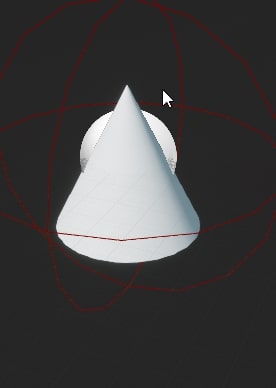
Created a flexible, multiplayer compatible progression system that allowed players to unlock traversal and survival abilities by collecting and spending points. The mechanic scaled well across different encounter types and supported level pacing and player decision making.
Goal:
The goal was to design a mechanic that made progression more interactive and rewarding, encouraging players to engage with combat and use their earned points to gain temporary powers essential for navigating hazards.
Implementation/Execution:
- Designed the system around two Deposit types: power granting and health draining.
- Balanced point rewards and costs to keep players active in combat.
- Integrated ability requirements directly into level layouts, such as using speed boosts to reach distant platforms.
- Worked closely with developers to ensure full multiplayer functionality and synced behavior across all players.
Snare Trap
Results:
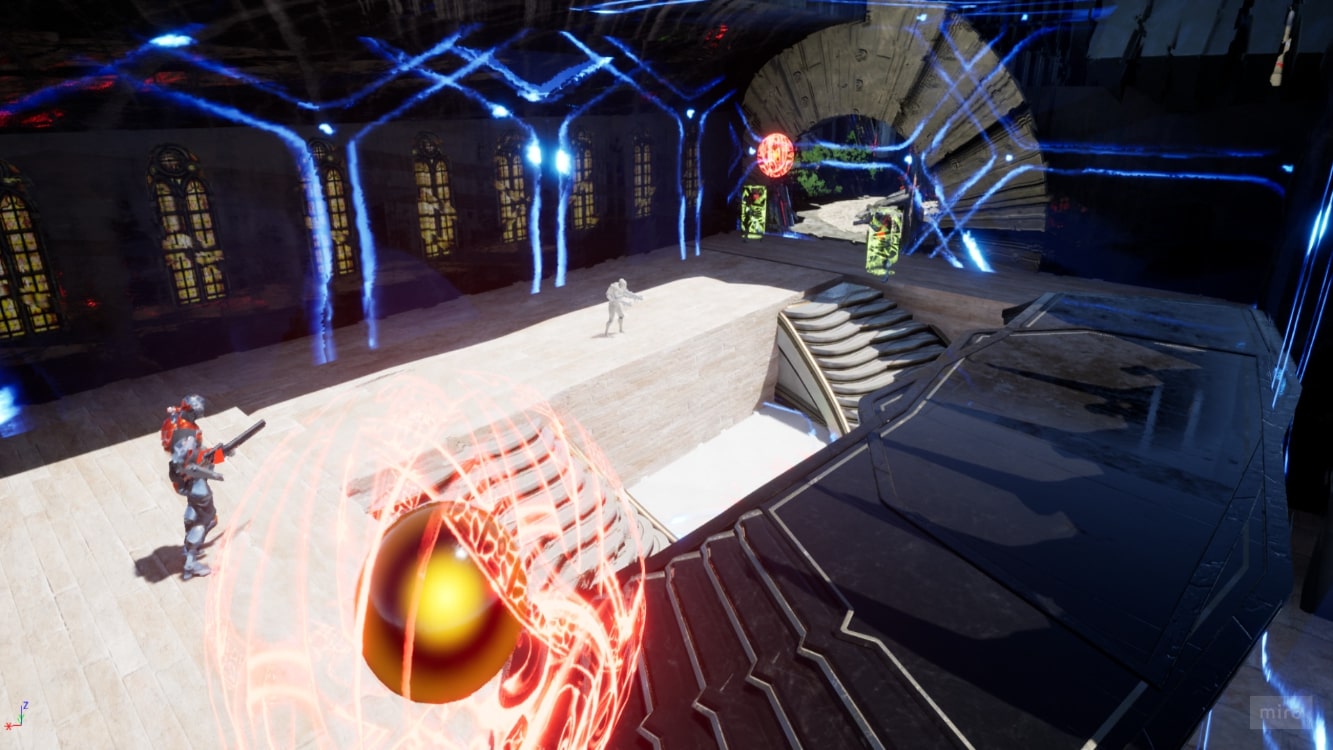
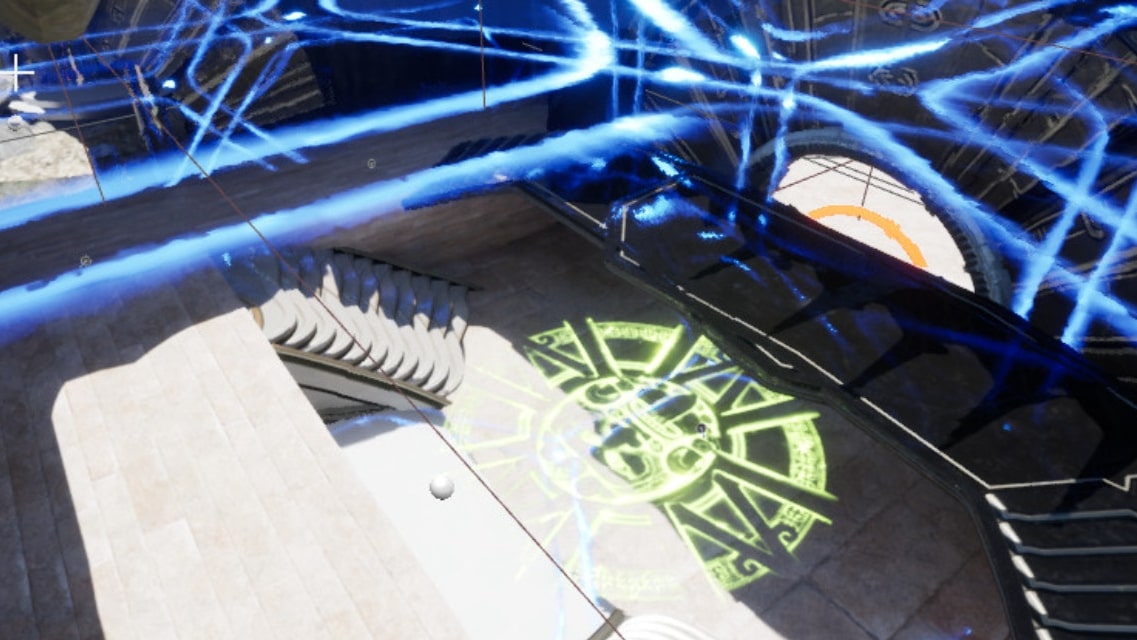
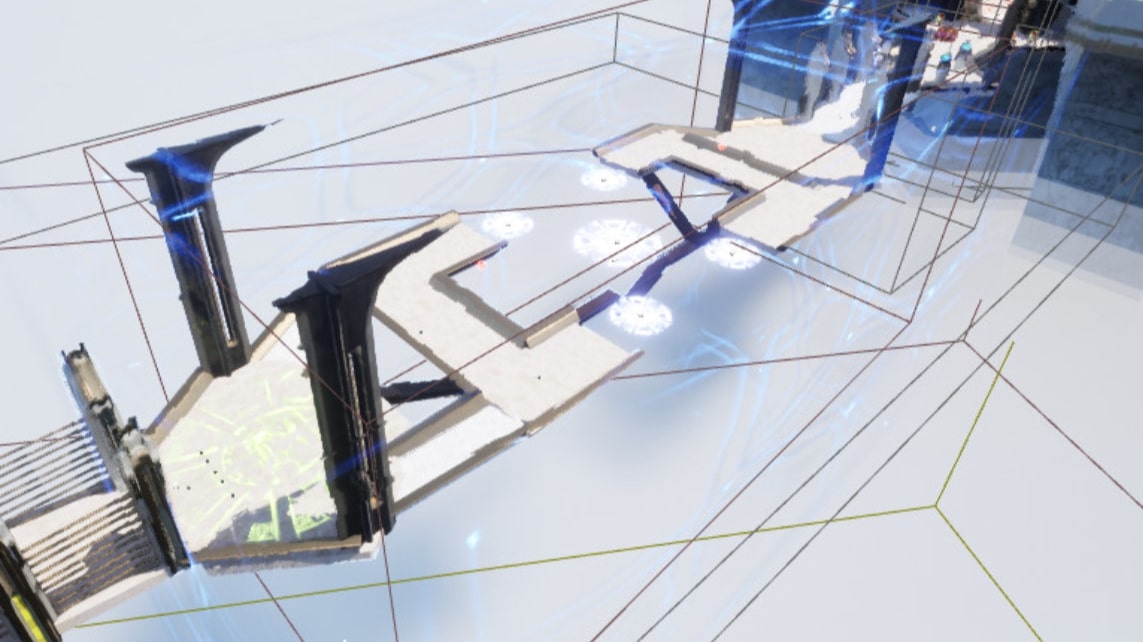
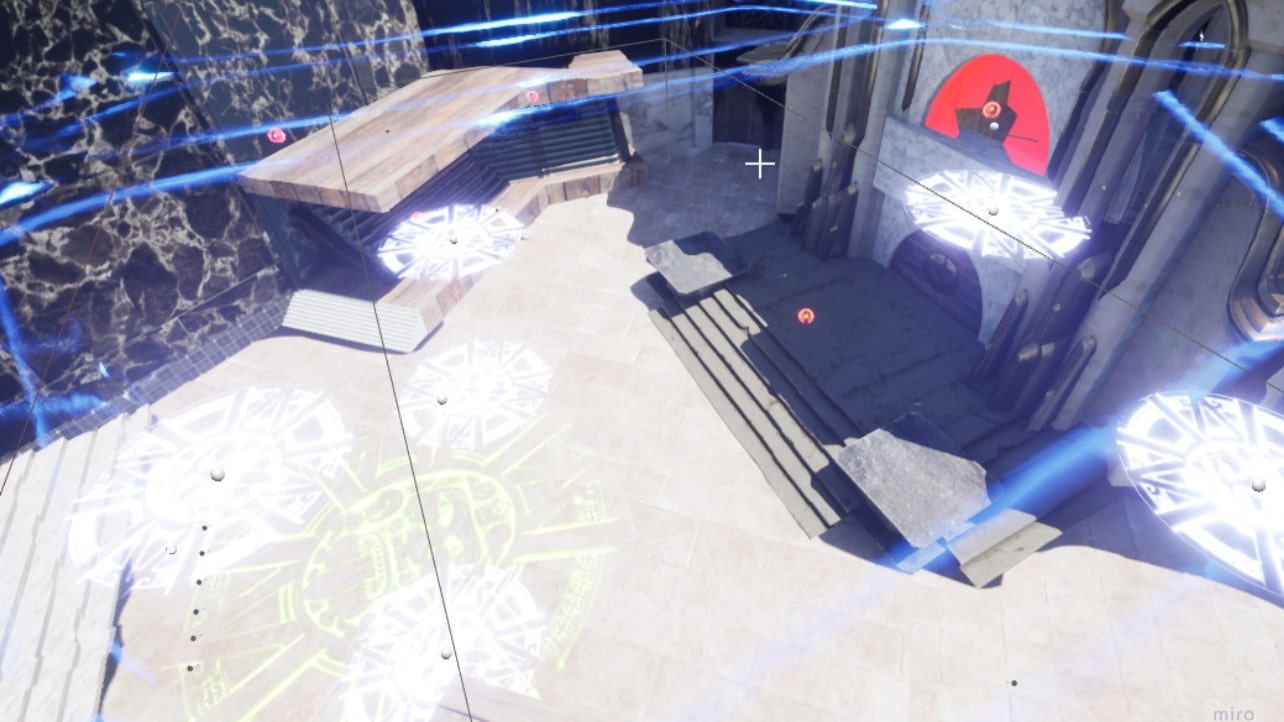
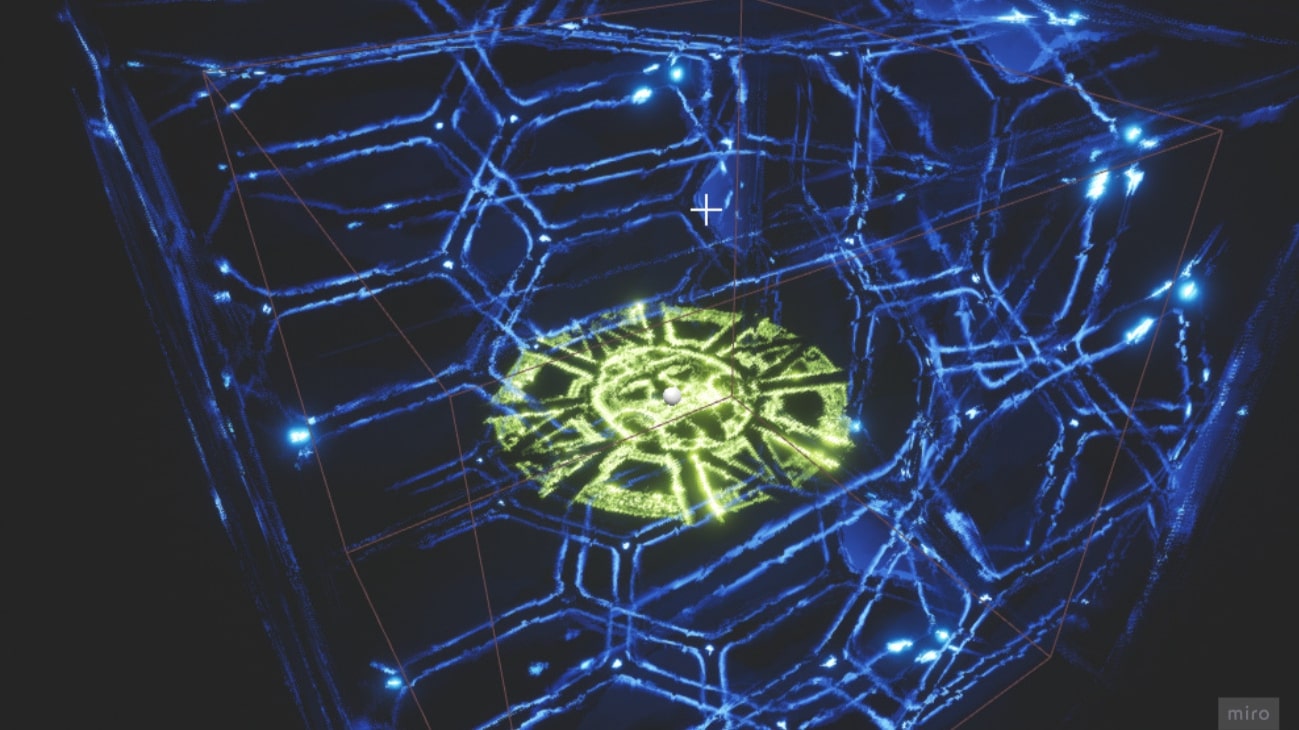
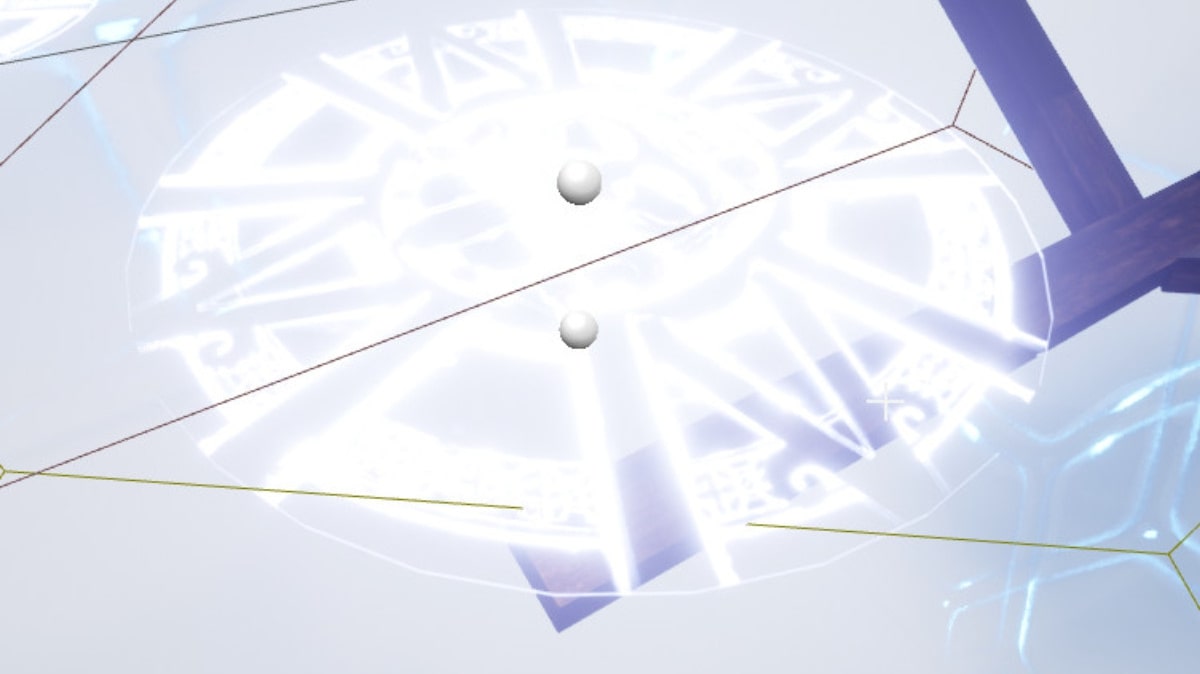
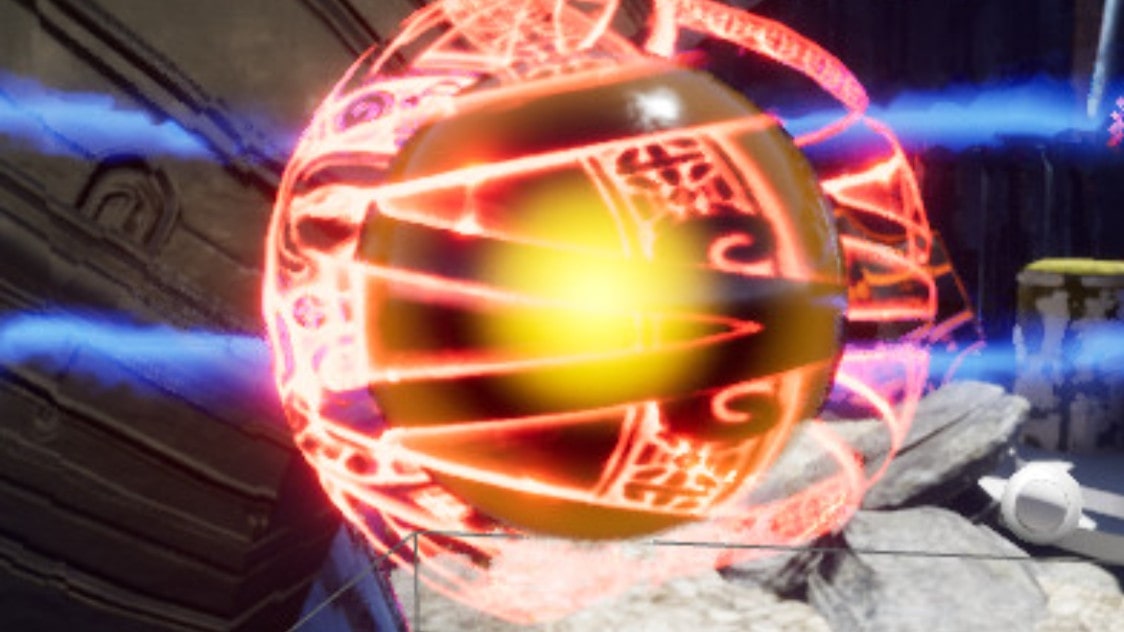
Built a modular arena based mechanic that added difficulty and pacing variety to levels by locking players into enemy filled zones with immunity switching logic. The system scaled for co-op and added unique engagement beyond standard encounters.
Goal:
The goal was to increase moment to moment challenge and create high intensity sequences where players had to focus on priority targeting and group coordination to escape enclosed combat zones.
Implementation/Execution:
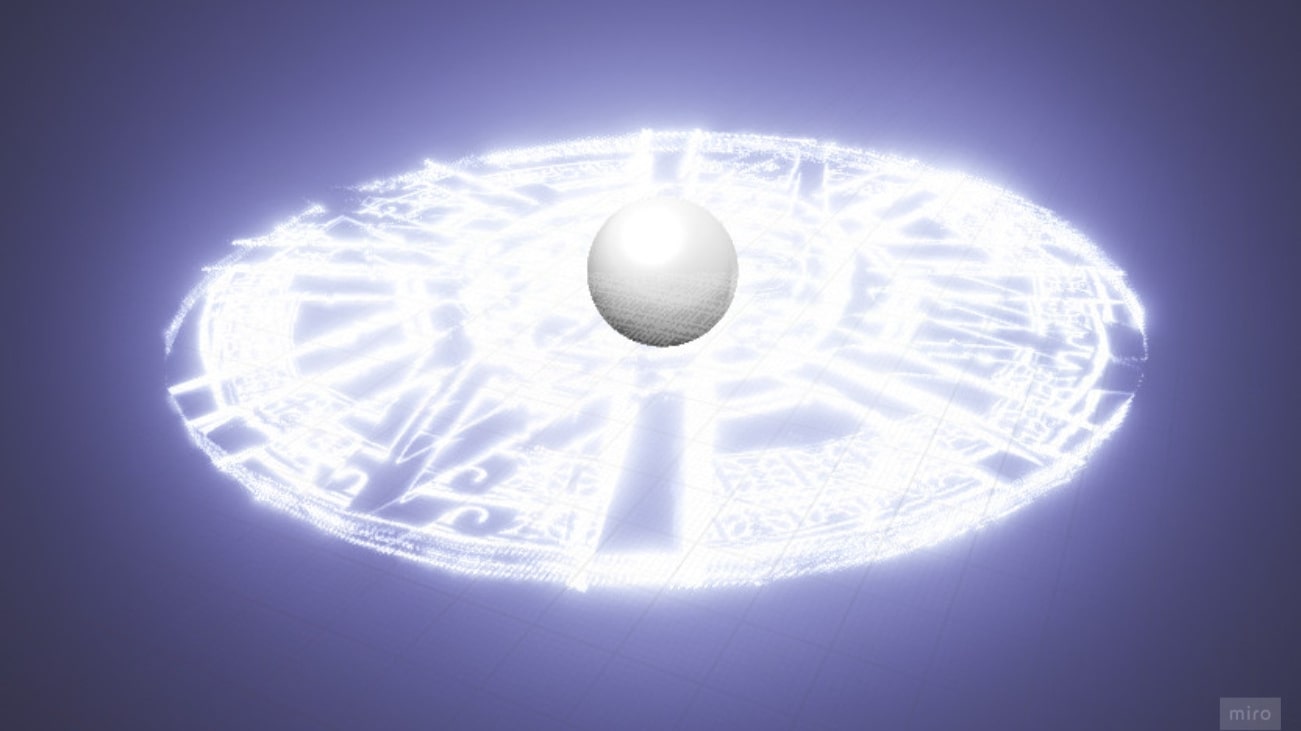
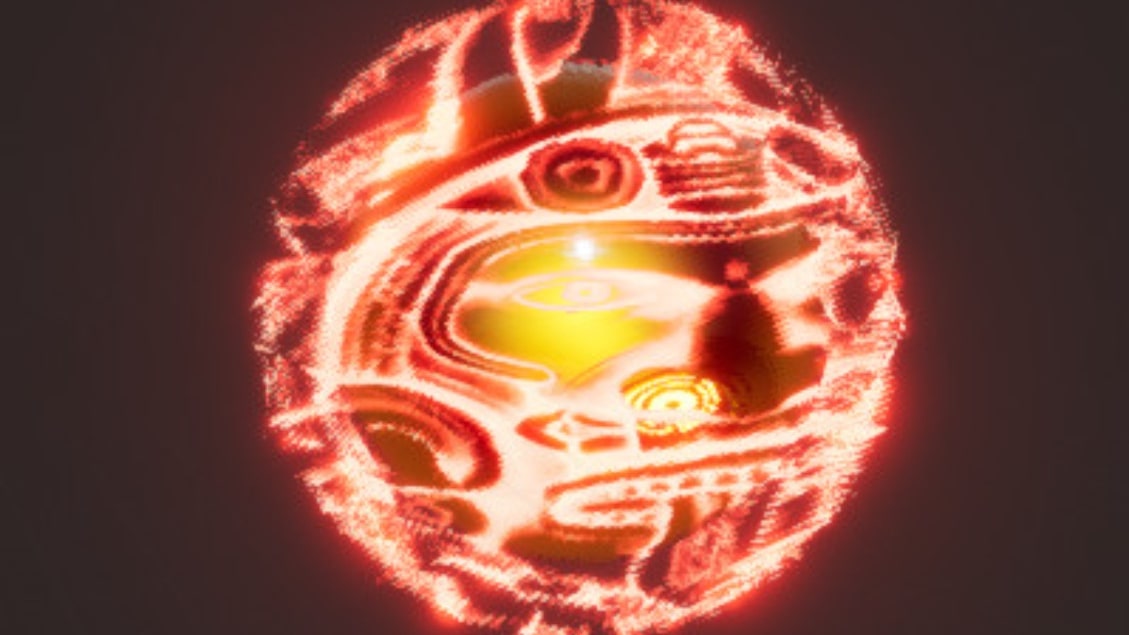
- Designed the mechanic to cycle enemy immunity through switch targets.
- Created multiple Snare variations, including platforming and timed challenges.
- Teleported all players into the arena to maintain group cohesion in multiplayer.
- Iterated on timing, spawn logic, and immunity behavior based on playtesting.
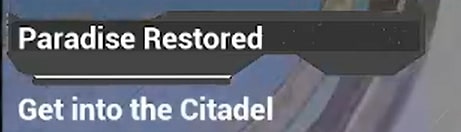
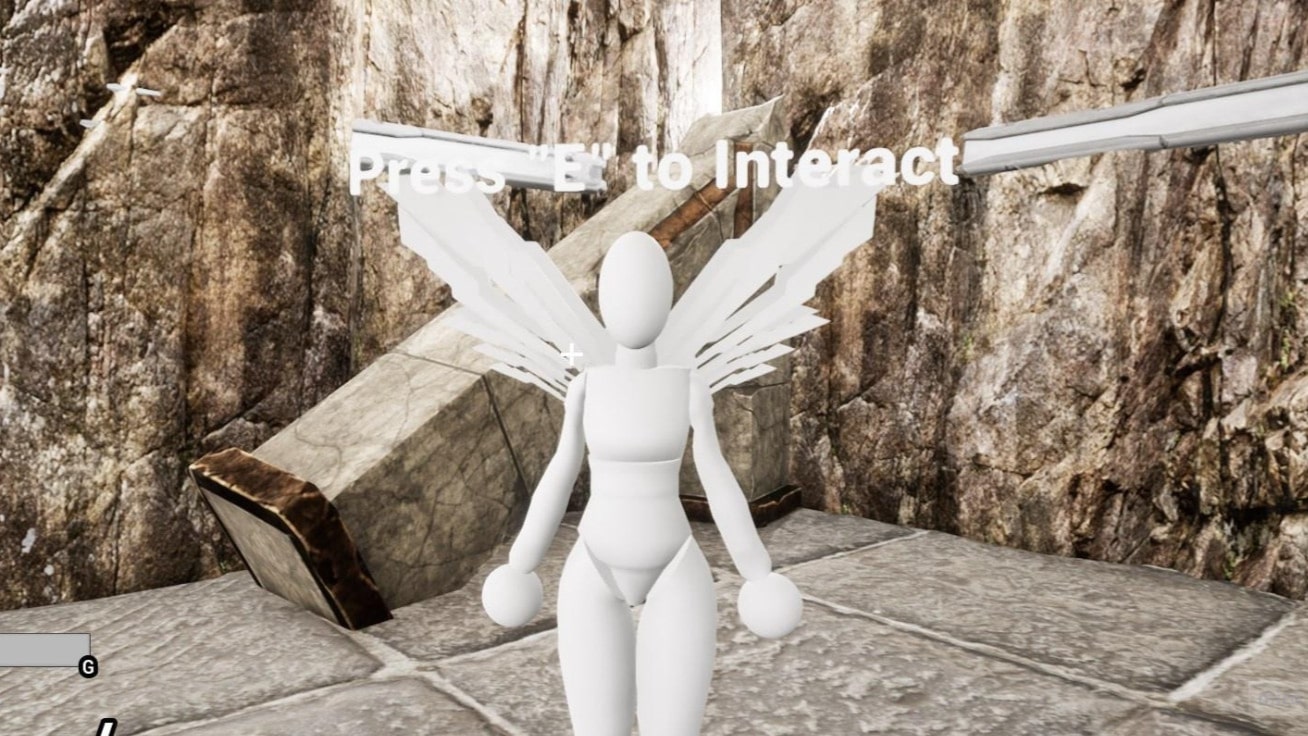
Quests
Results:
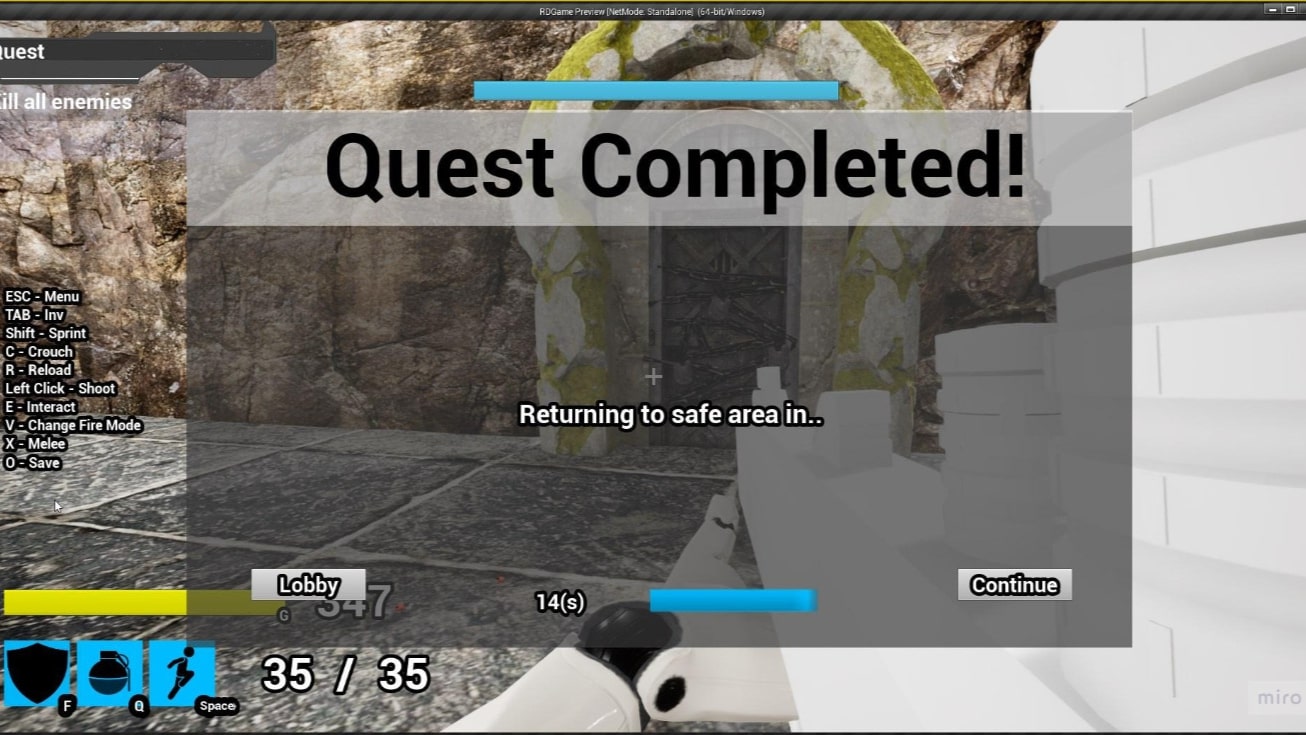
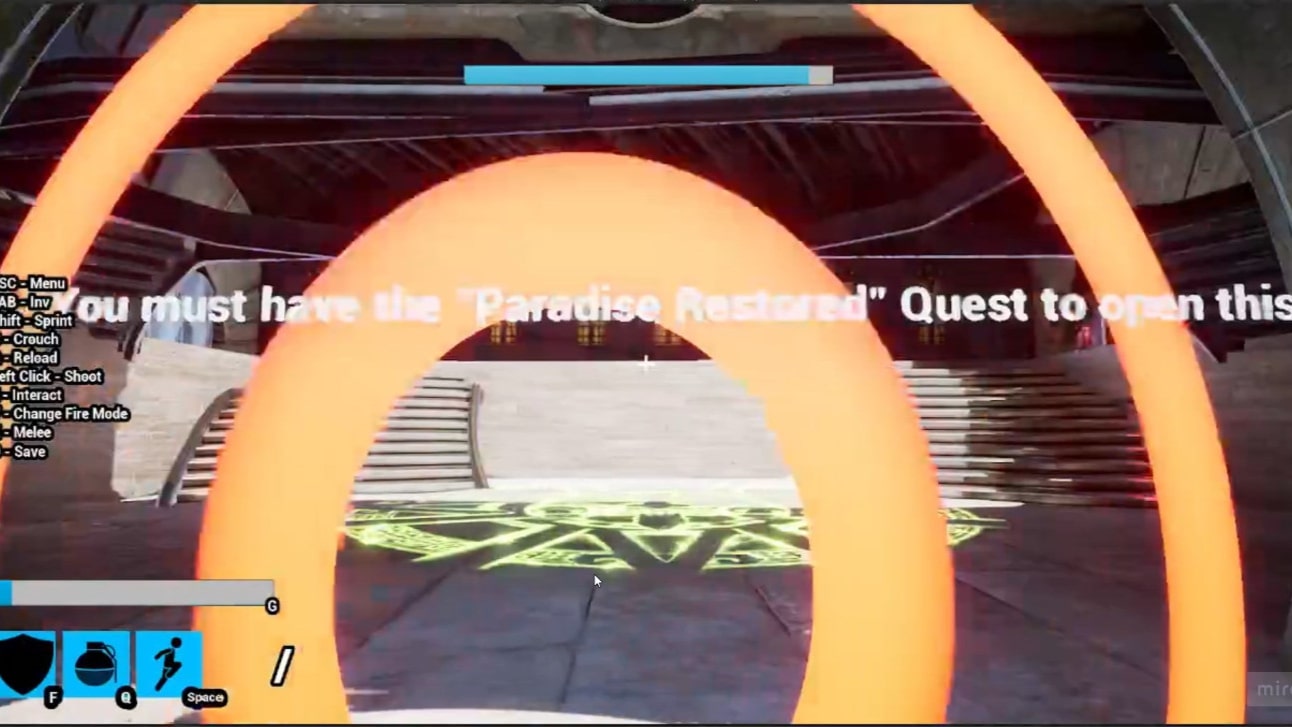
Delivered a reusable quest structure that defined level objectives, tracked player progress, and controlled level transitions. It supported both narrative goals and functional progression in a multiplayer setting.
Goal:
The goal was to build a flexible quest system that allowed levels to have defined objectives, such as killing enemies or bosses, while enabling checkpoints and level flow tied to player actions.
Implementation/Execution:
- Created an NPC interaction system with a UI based quest acceptance flow.
- Built a quest component to track objectives, markers, and completion status.
- Integrated a marker system that updated based on player position and quest state.
- Collaborated with developers to ensure consistent multiplayer replication and syncing.