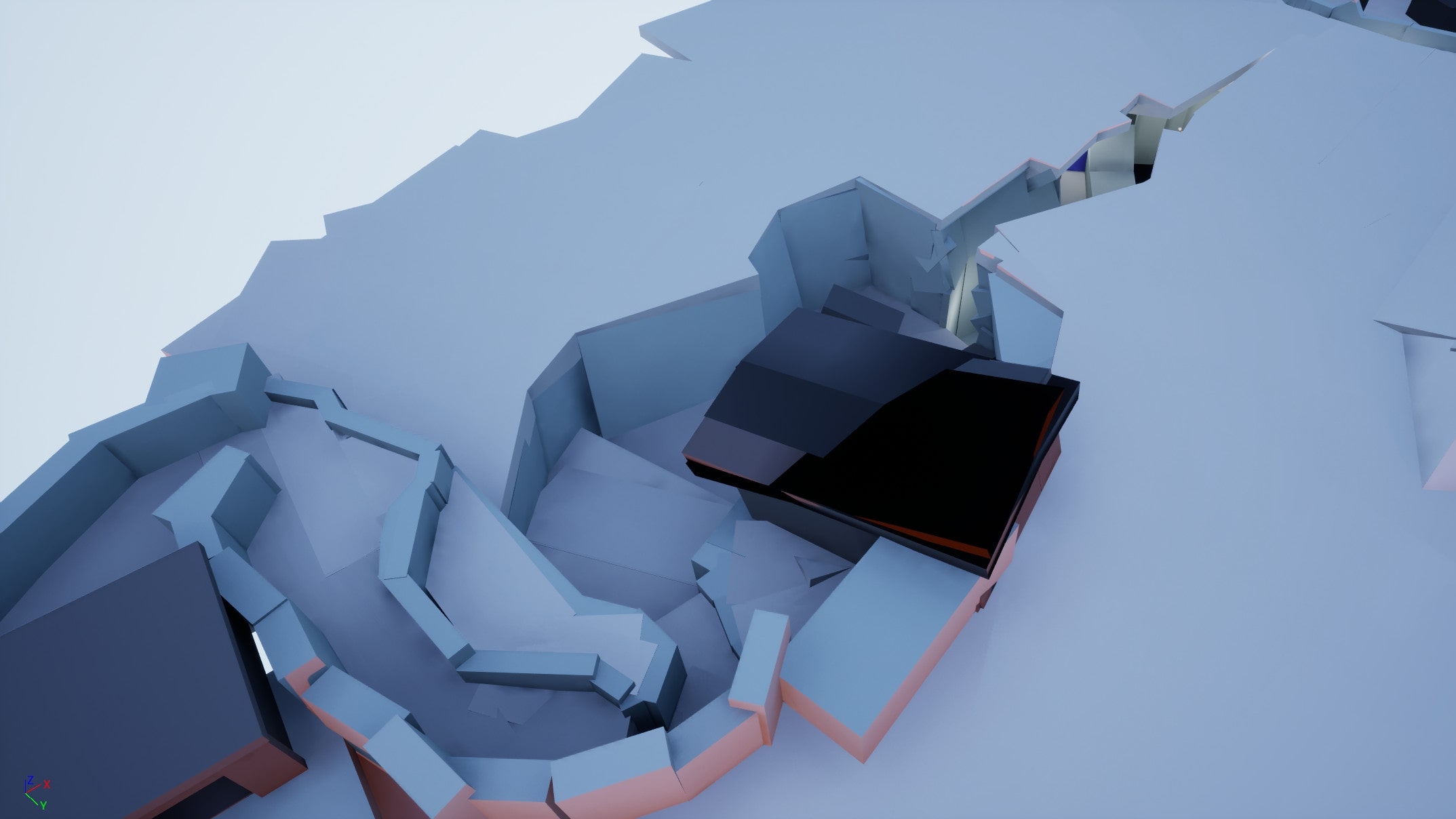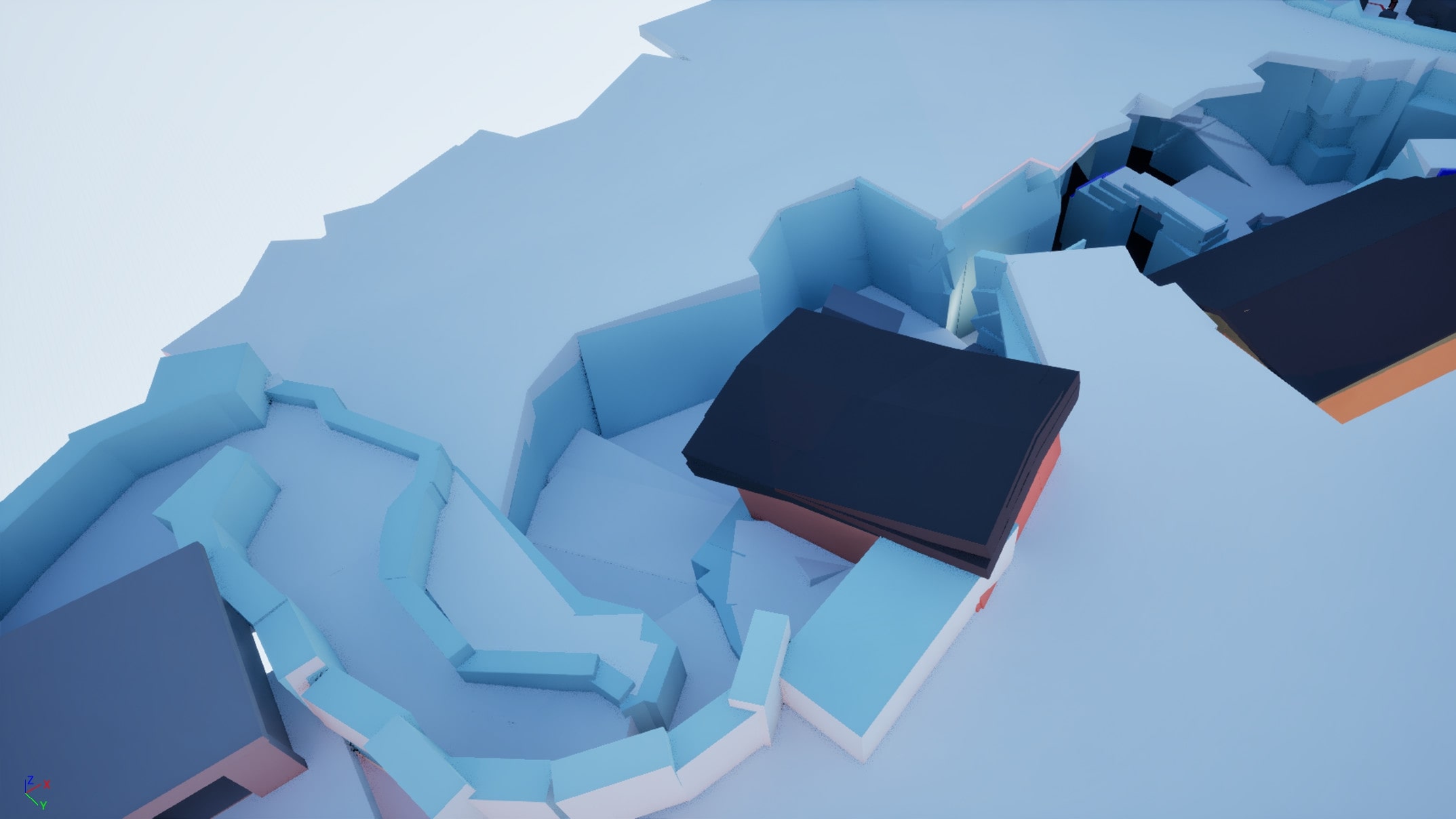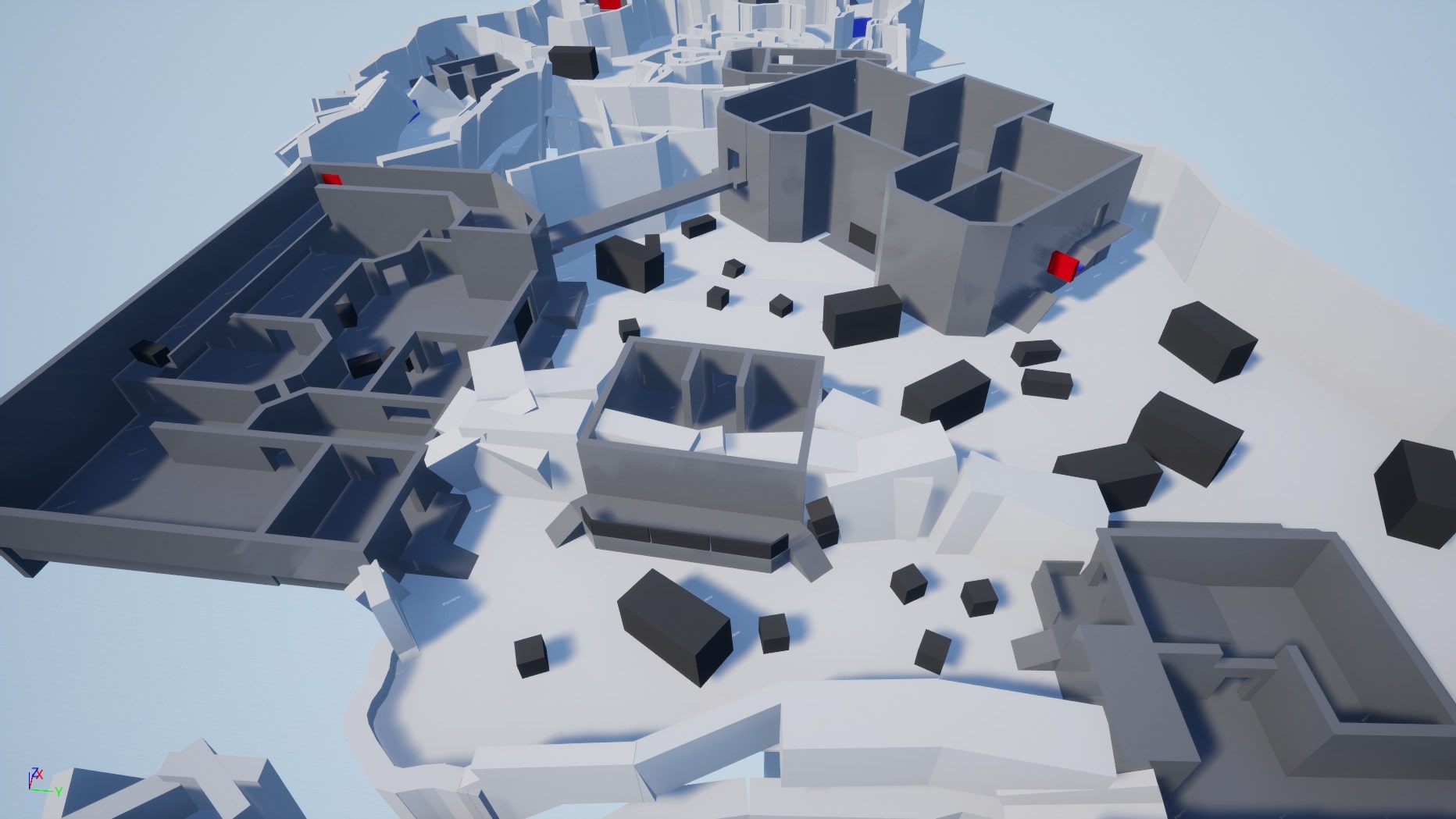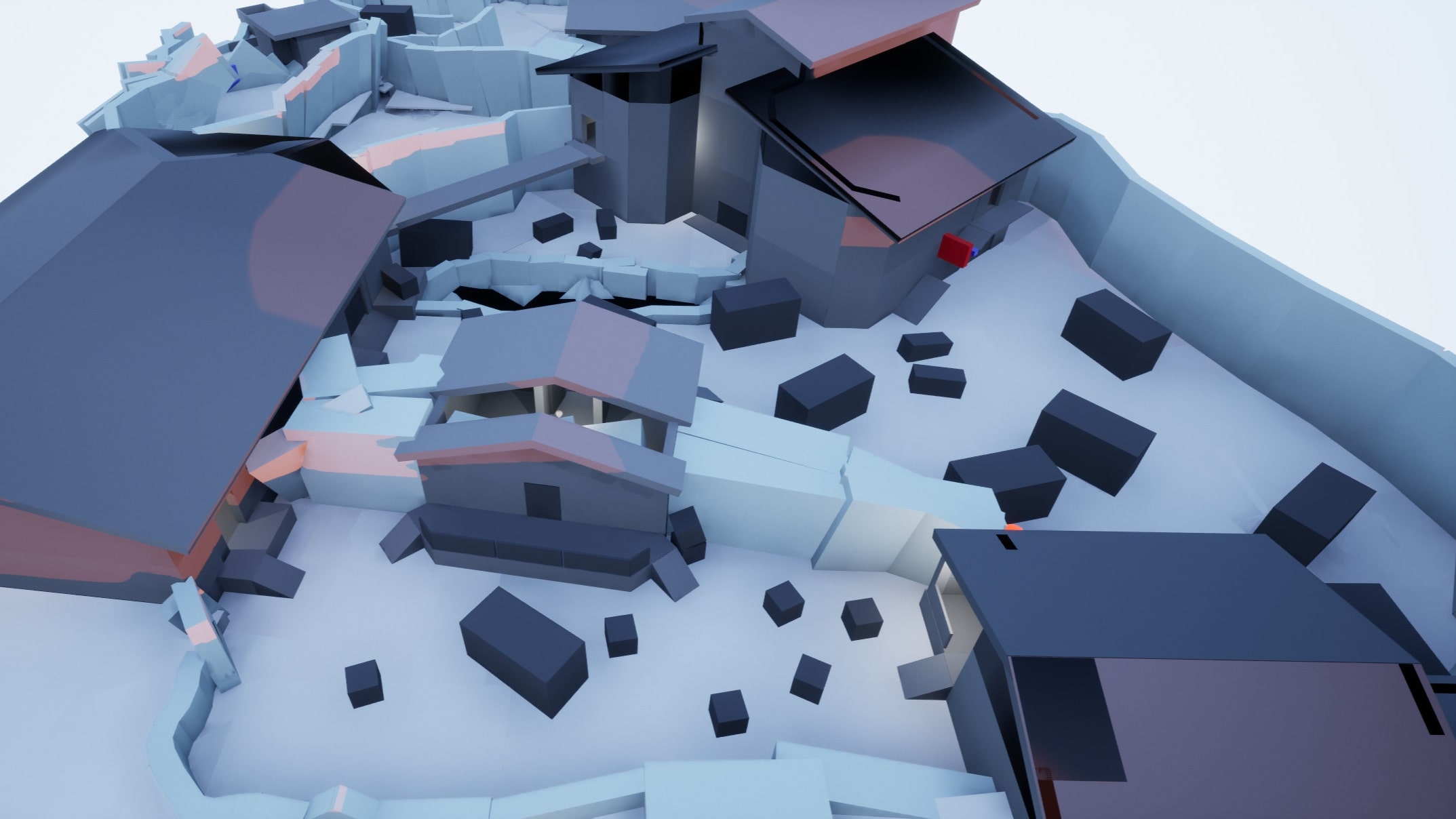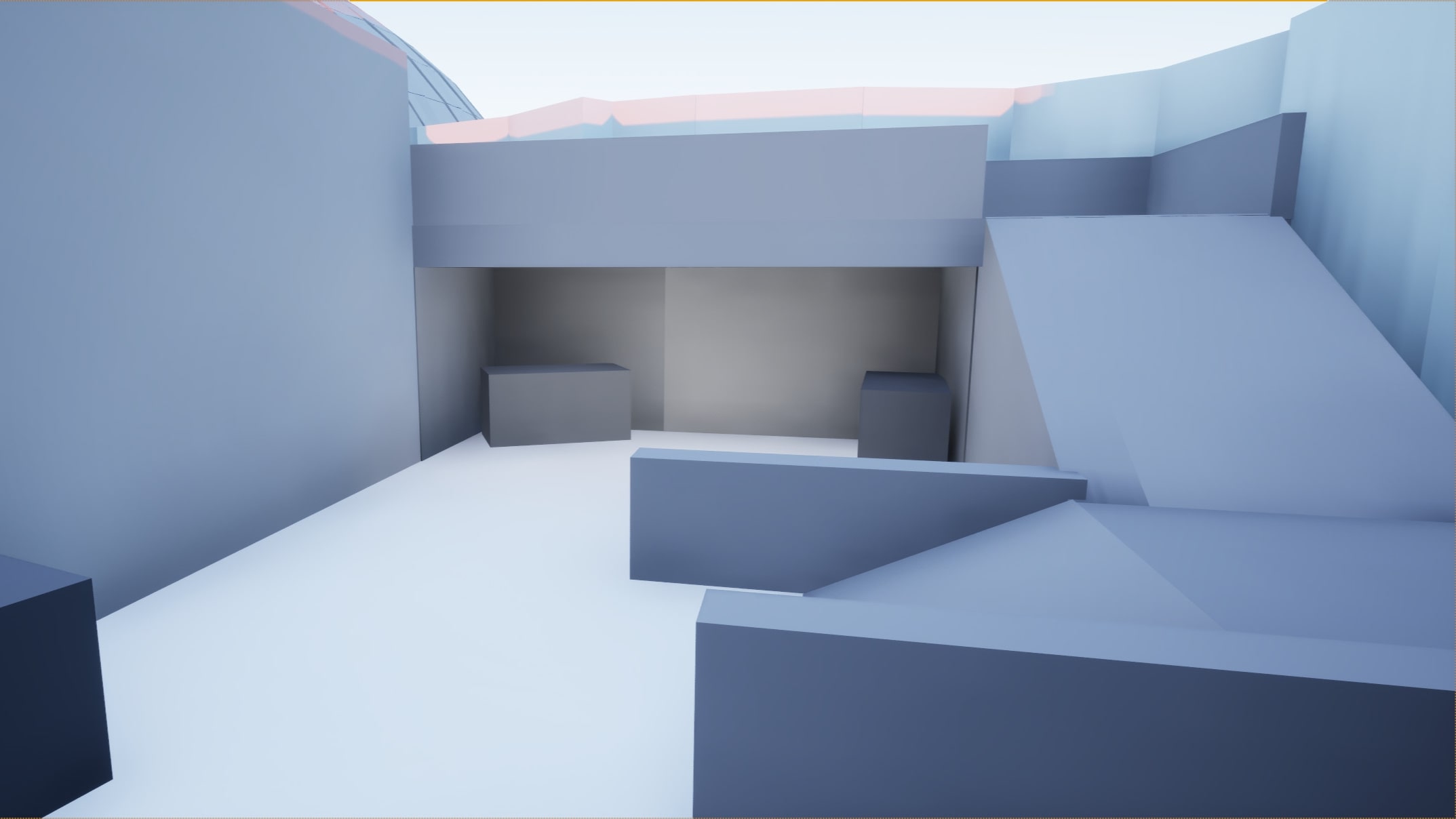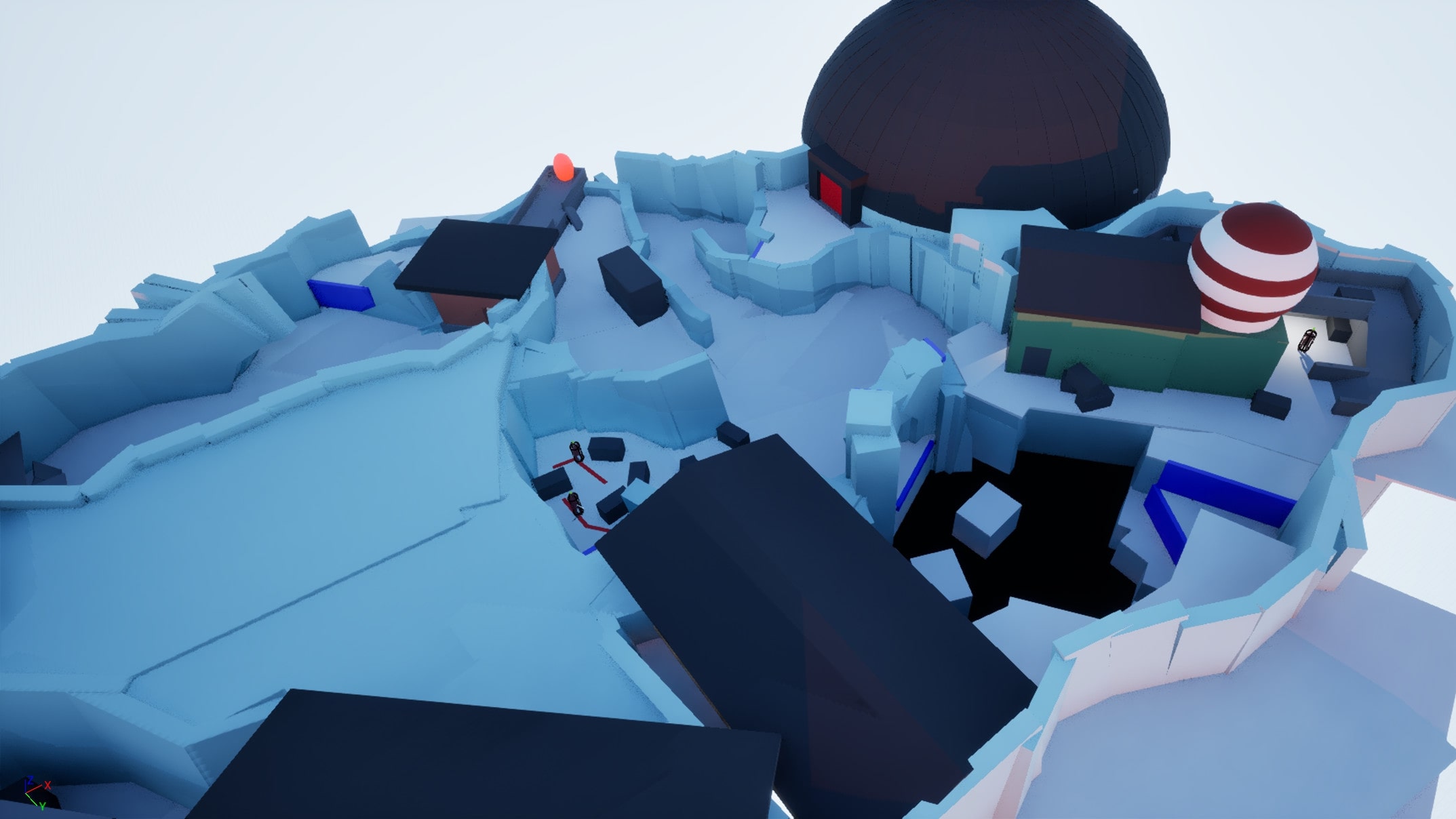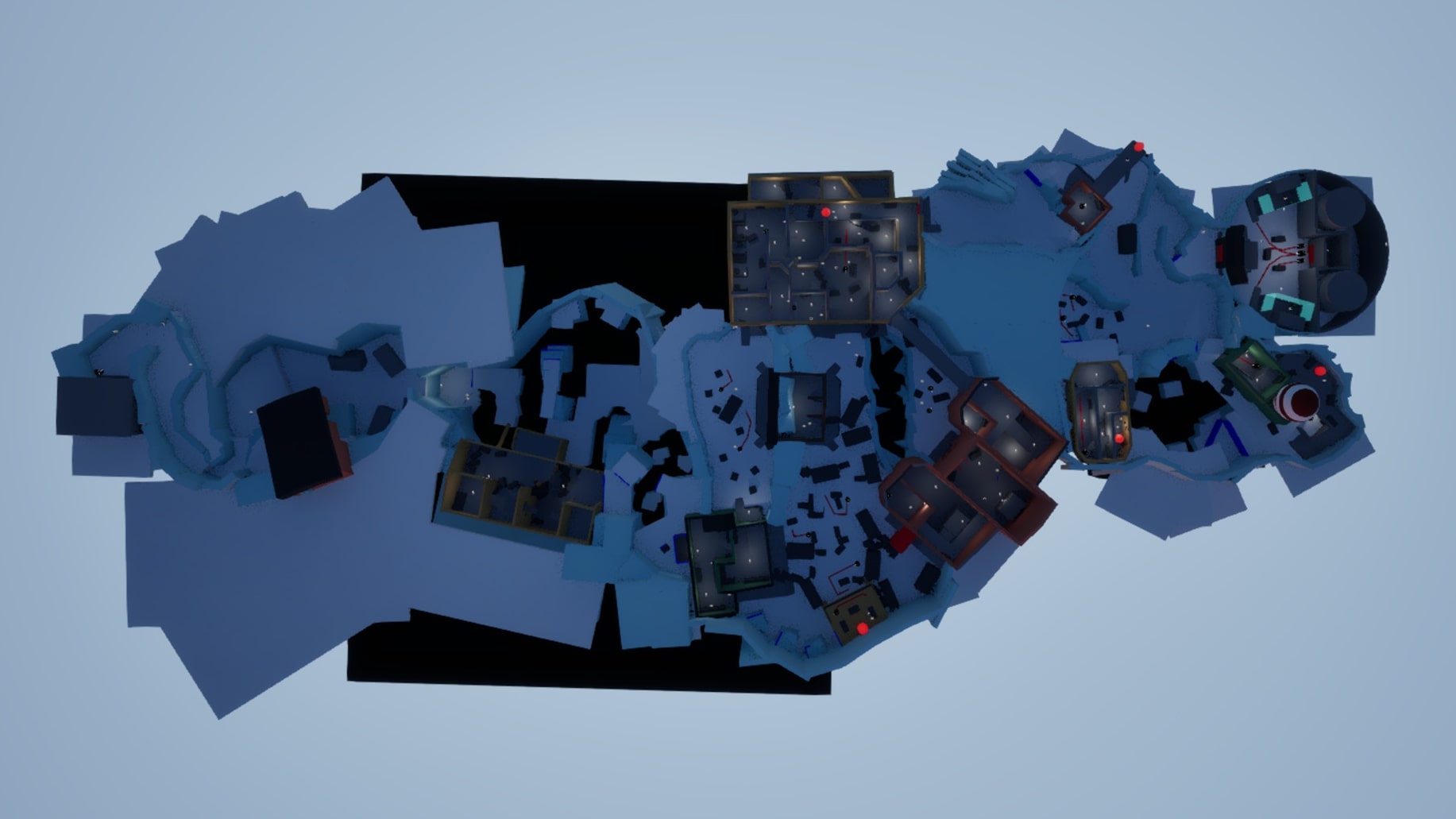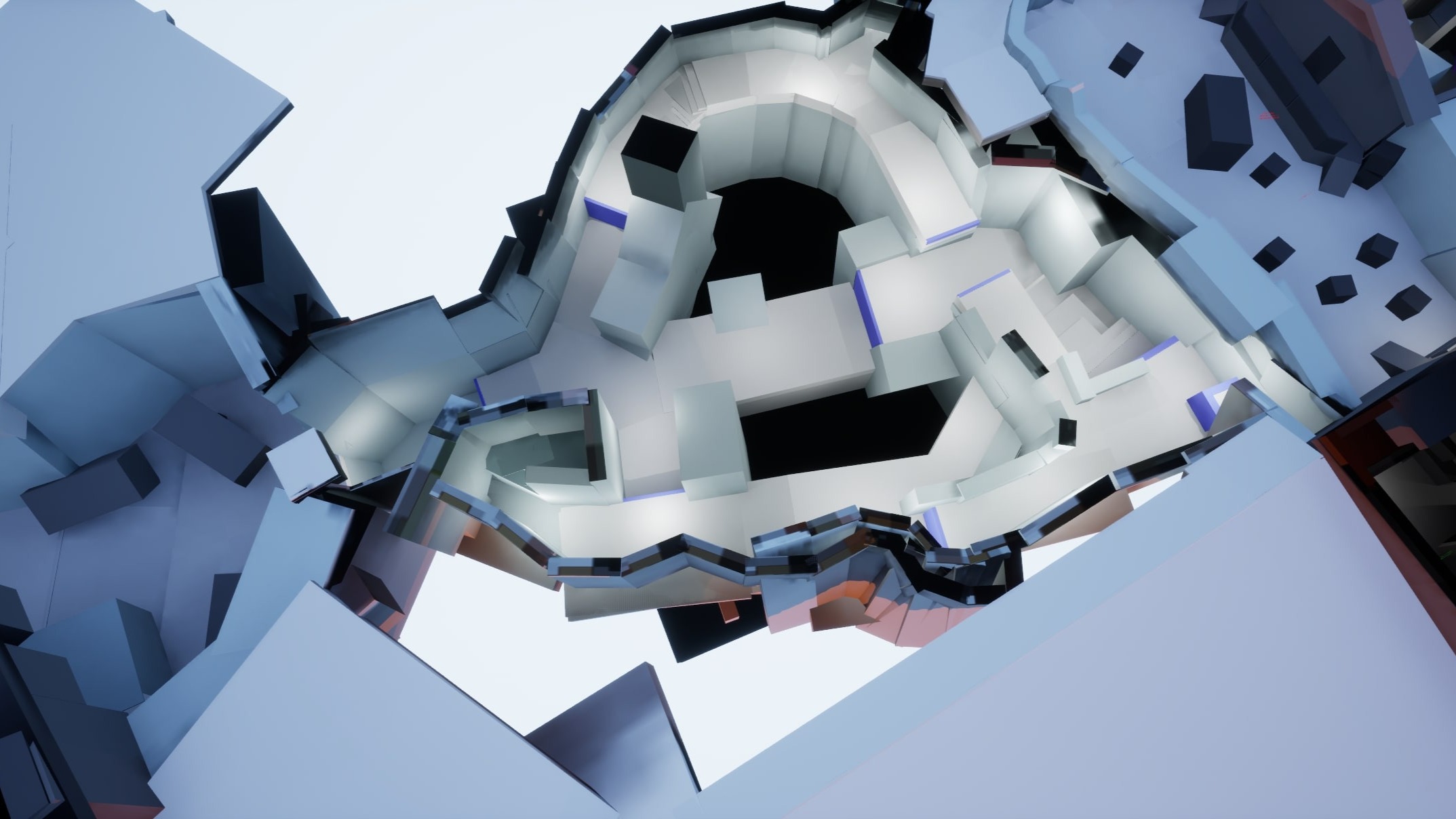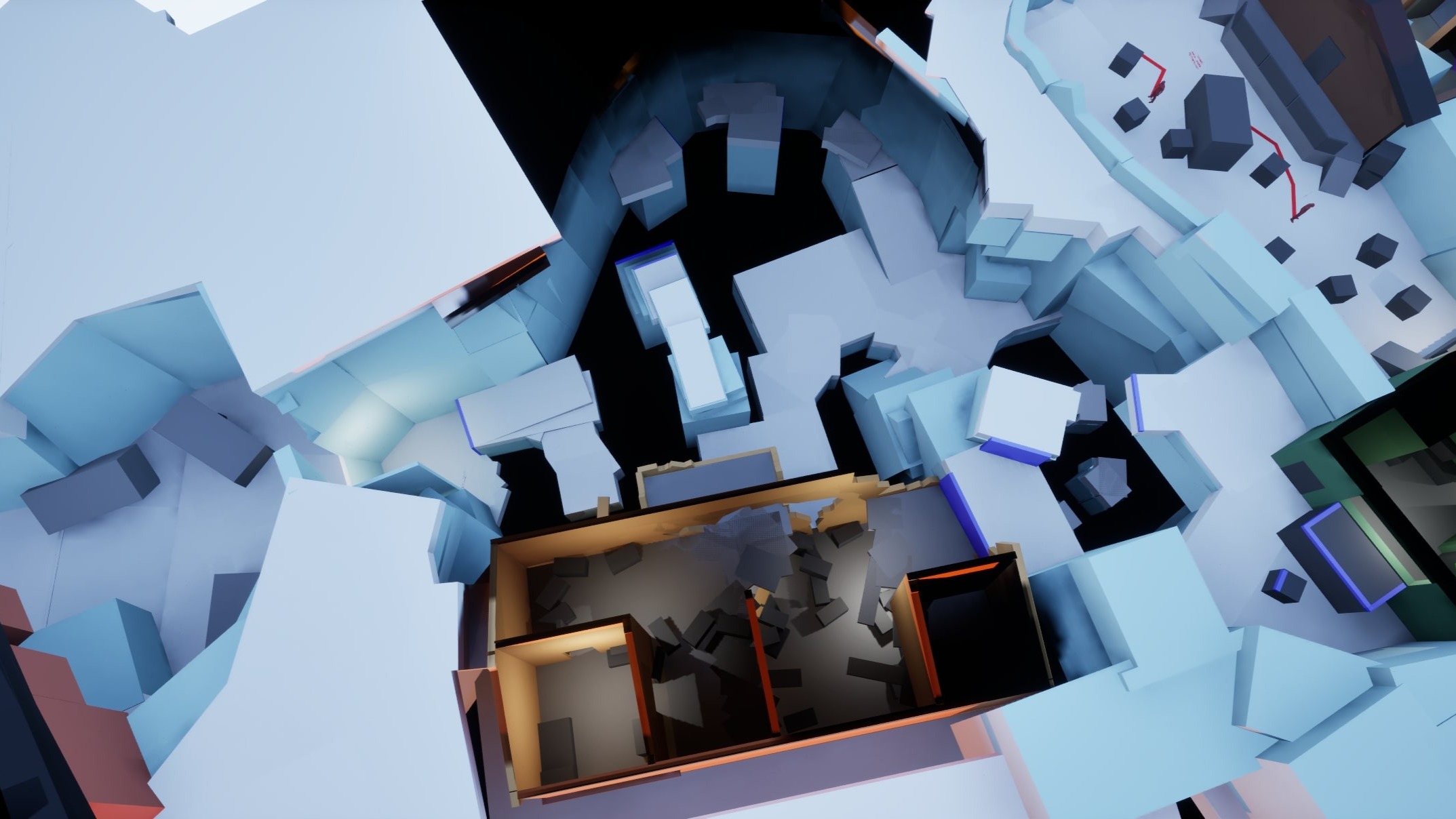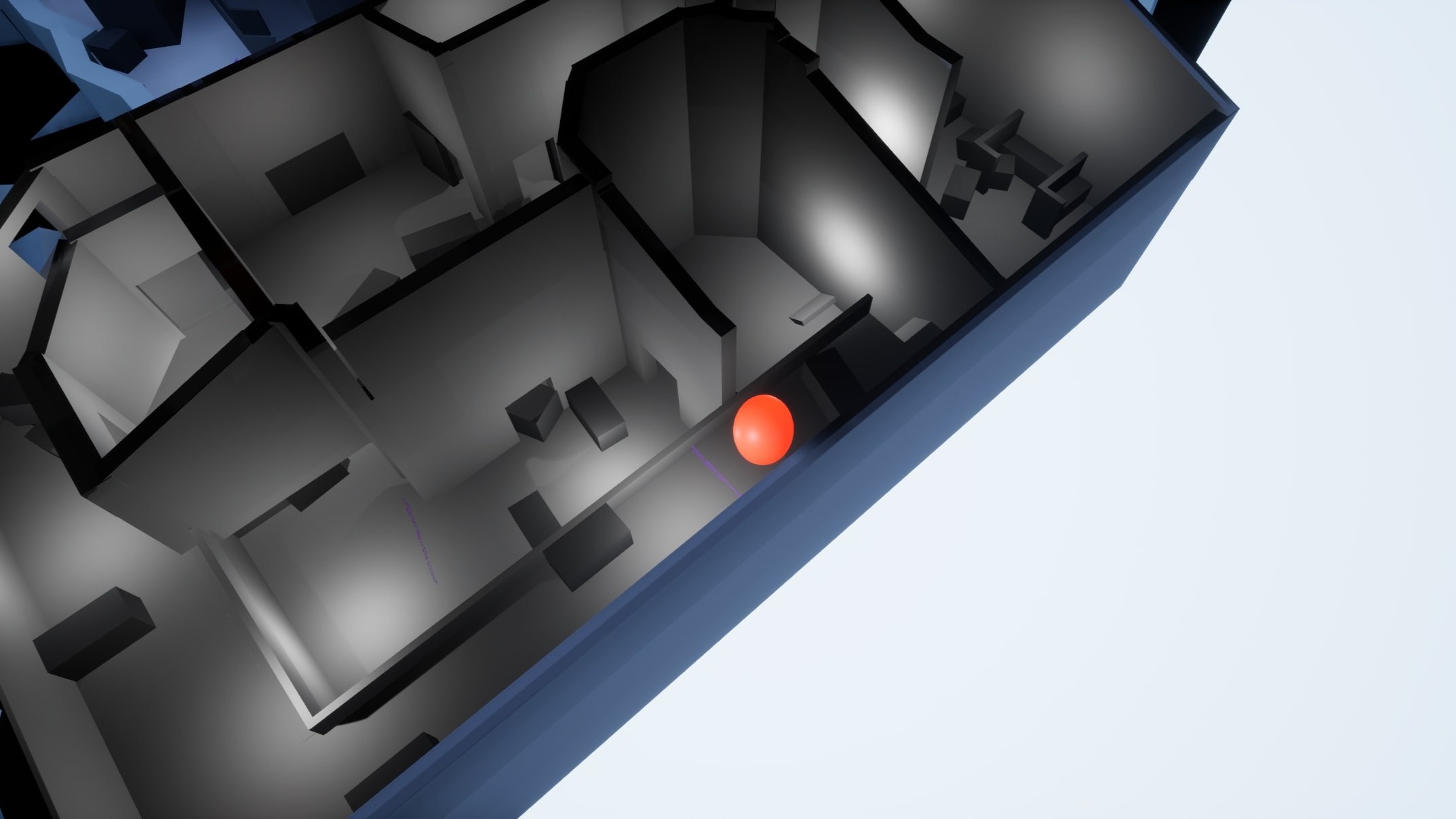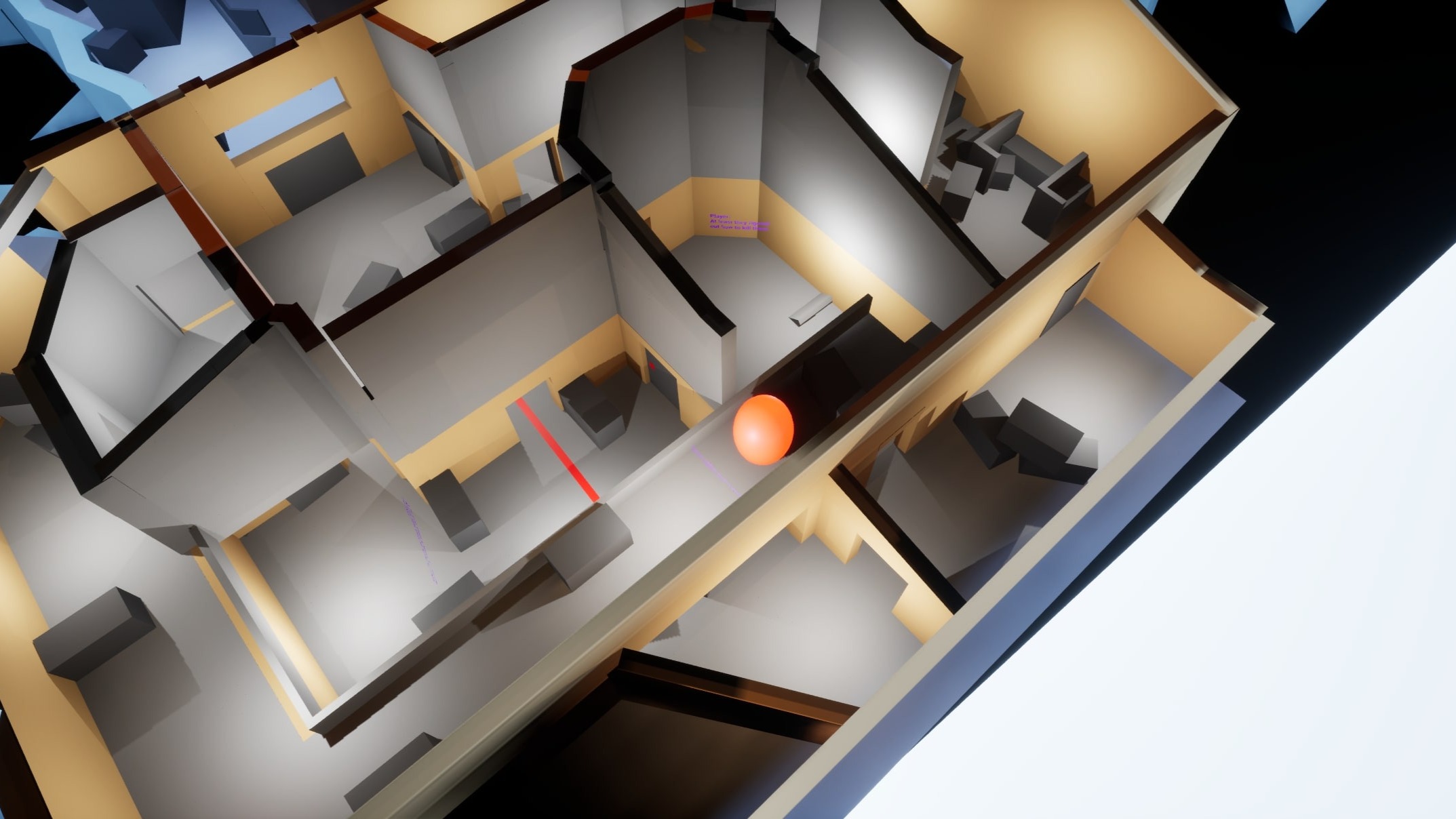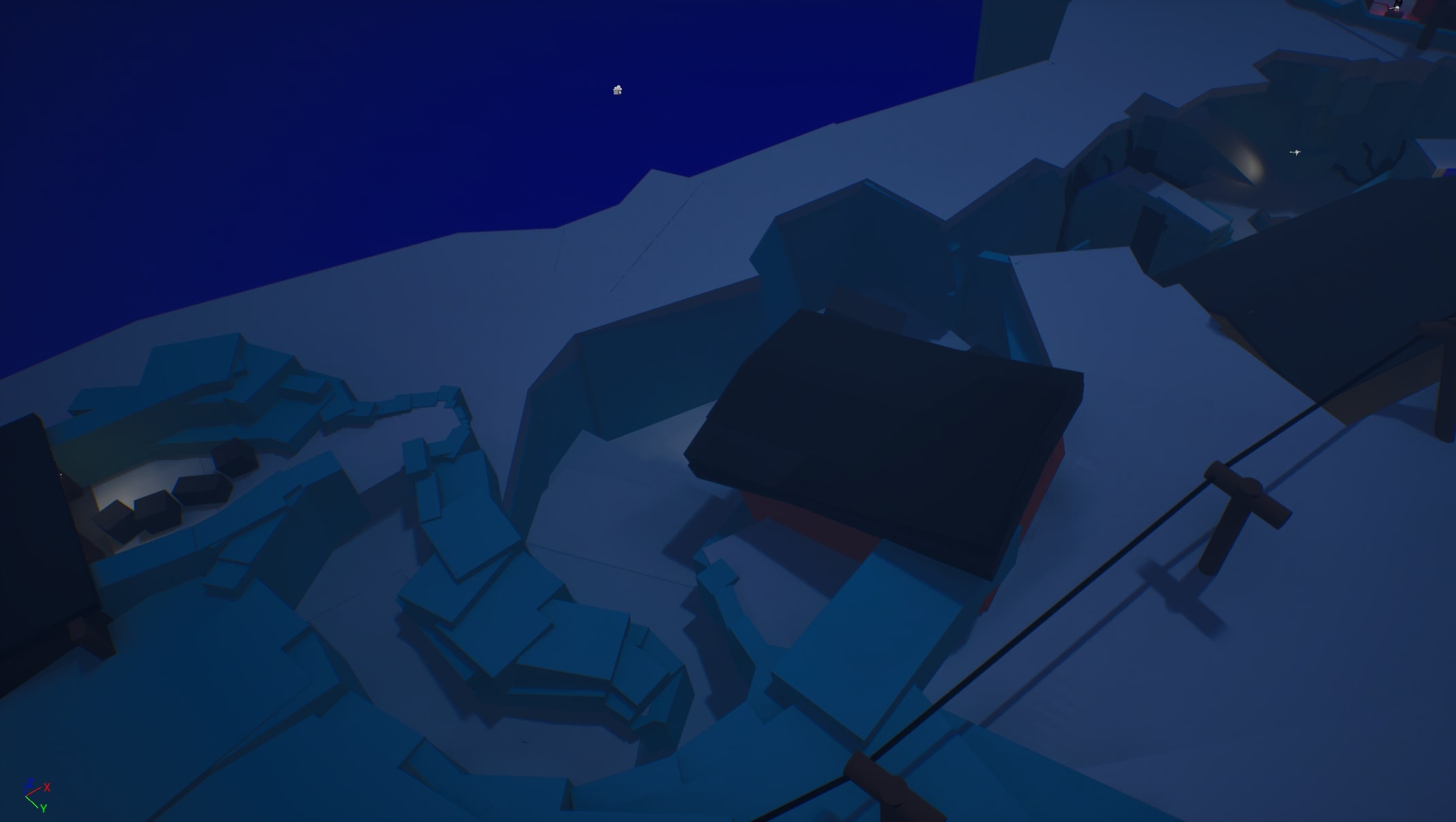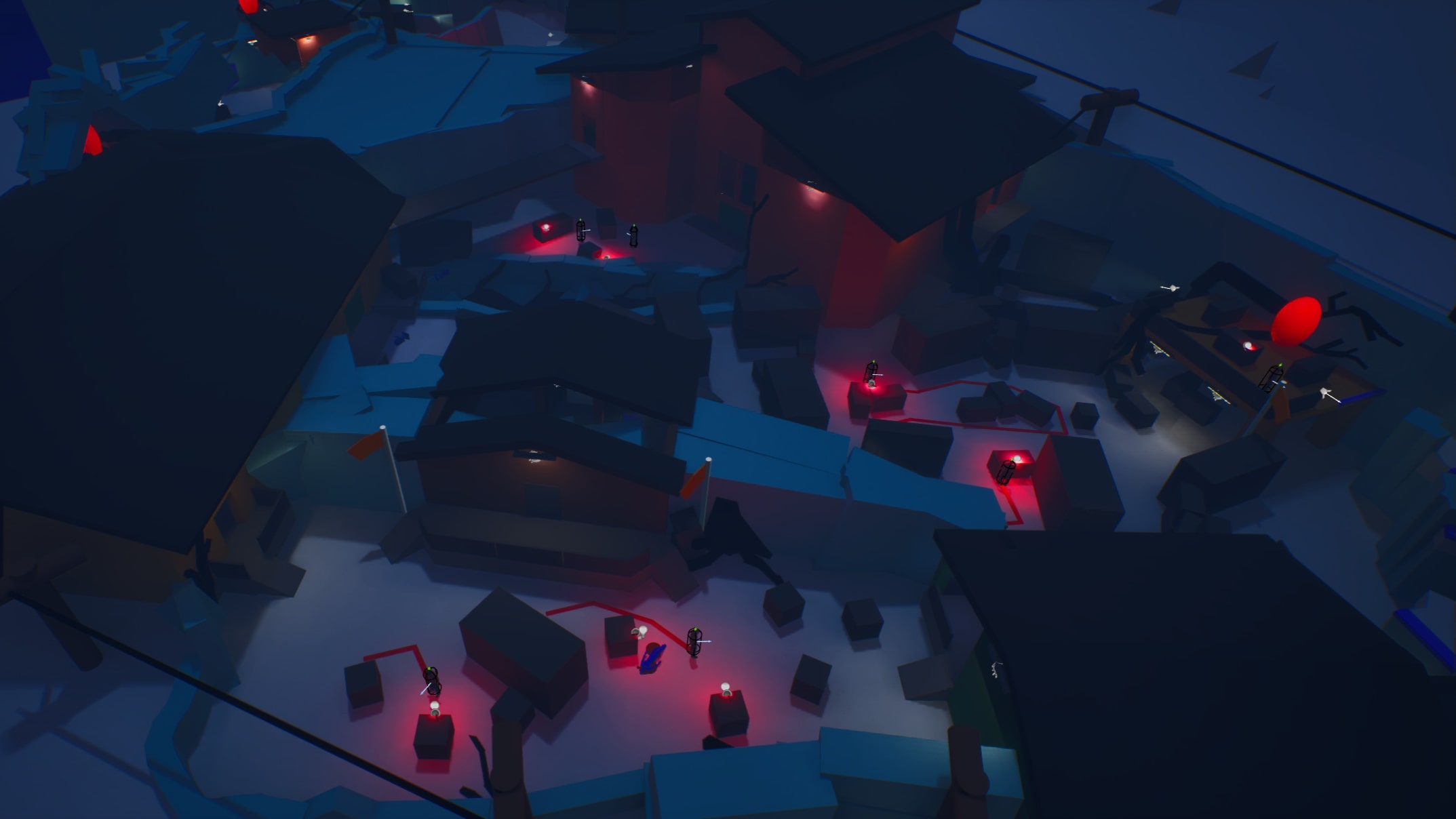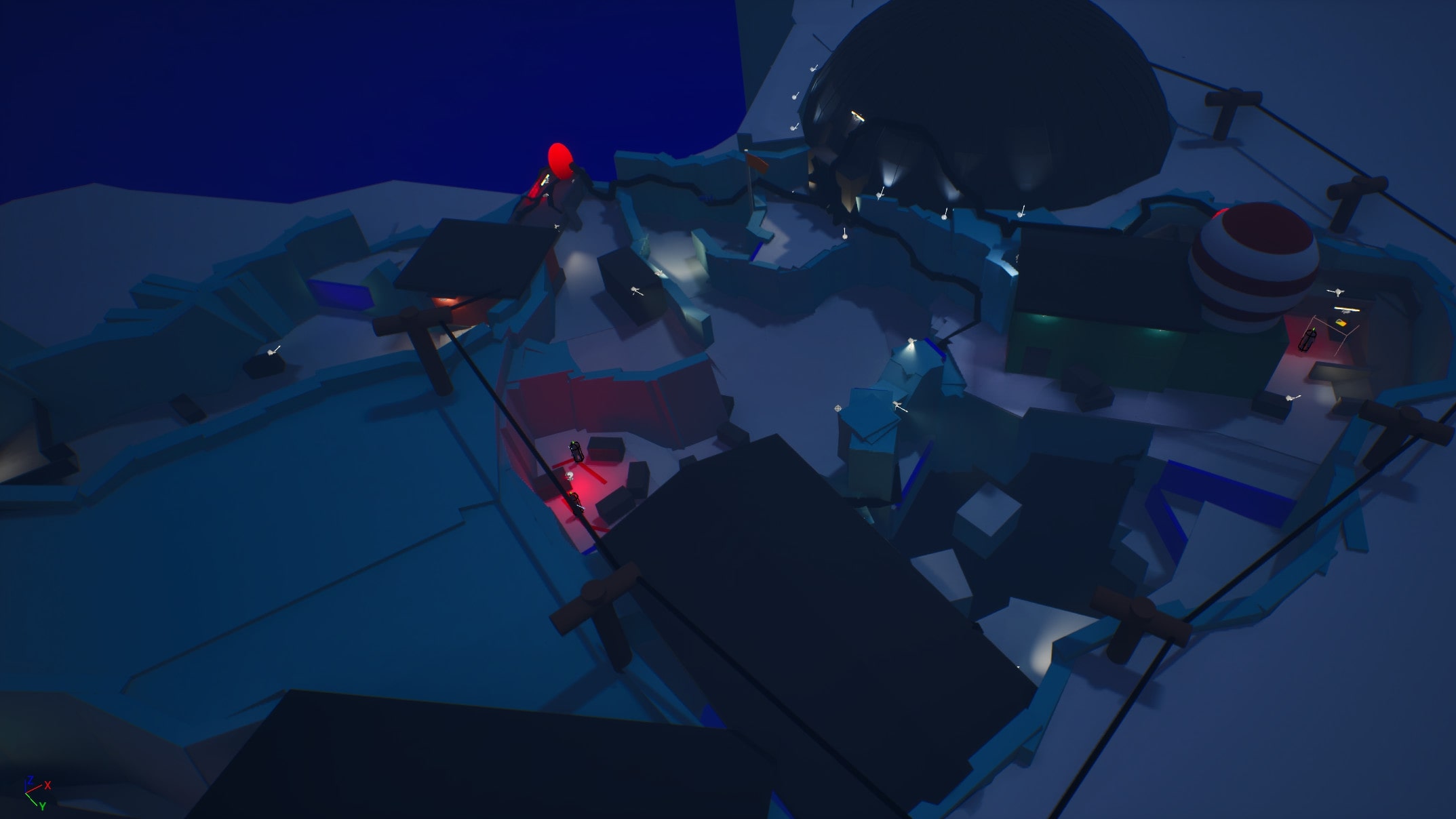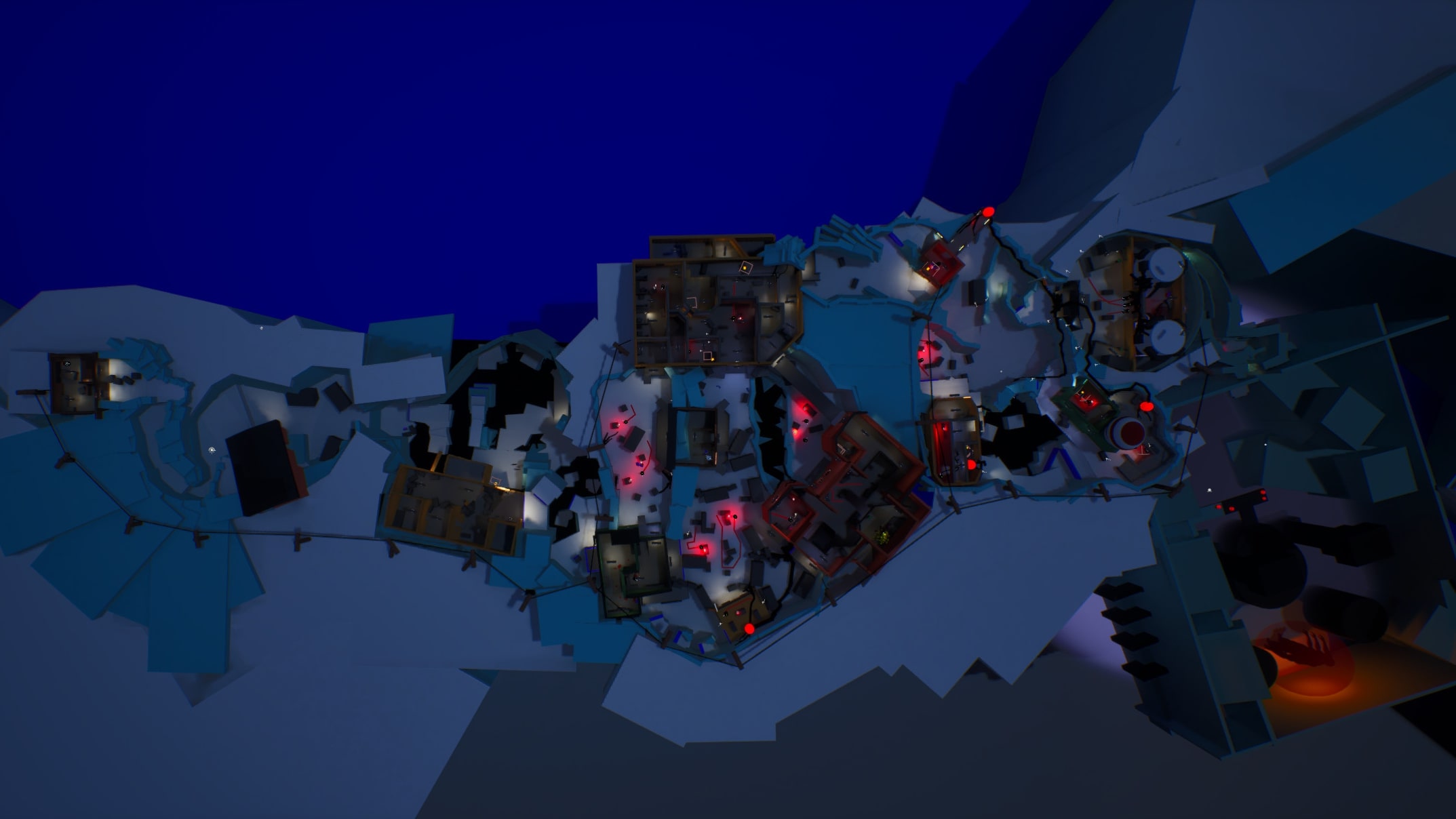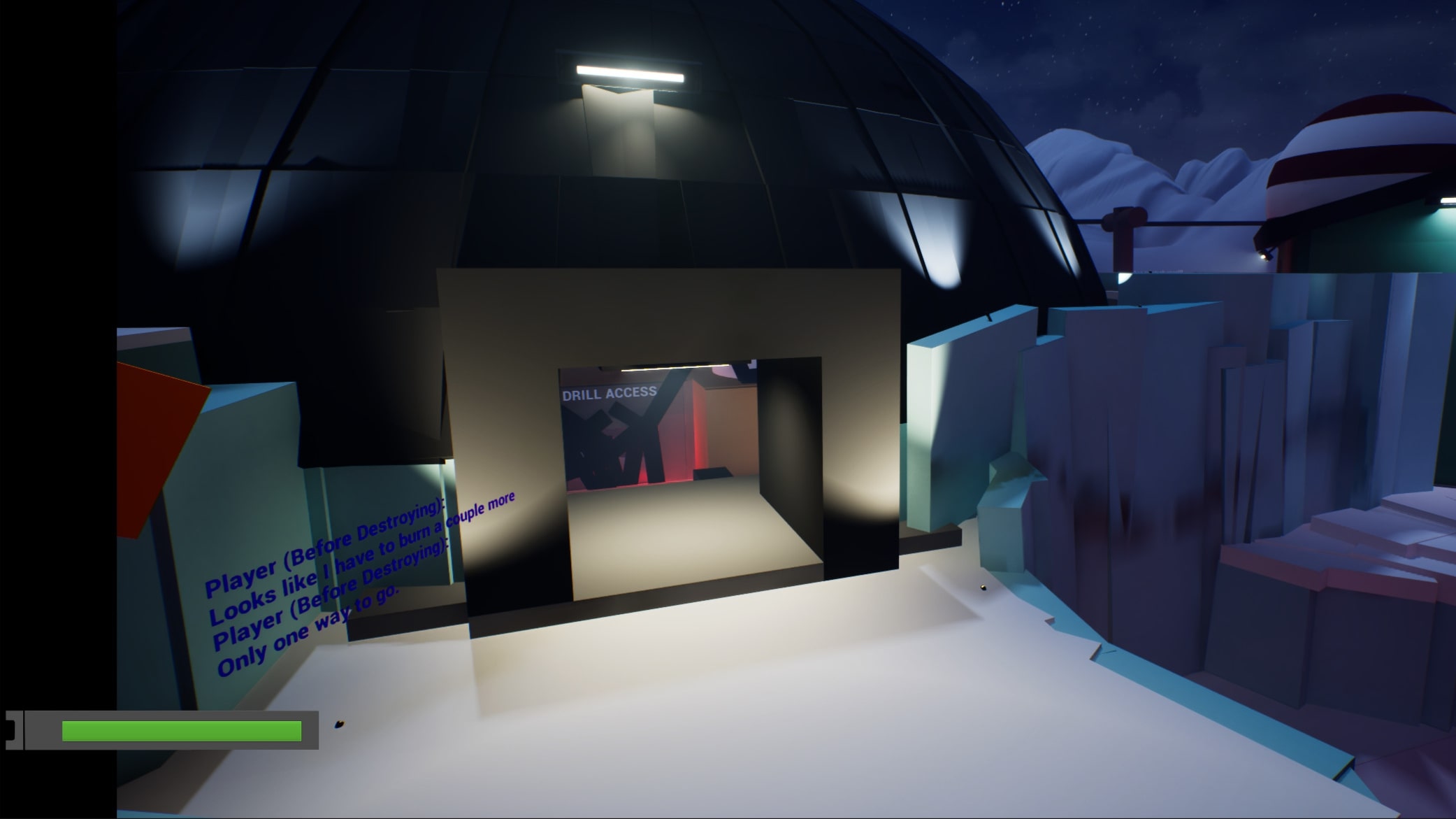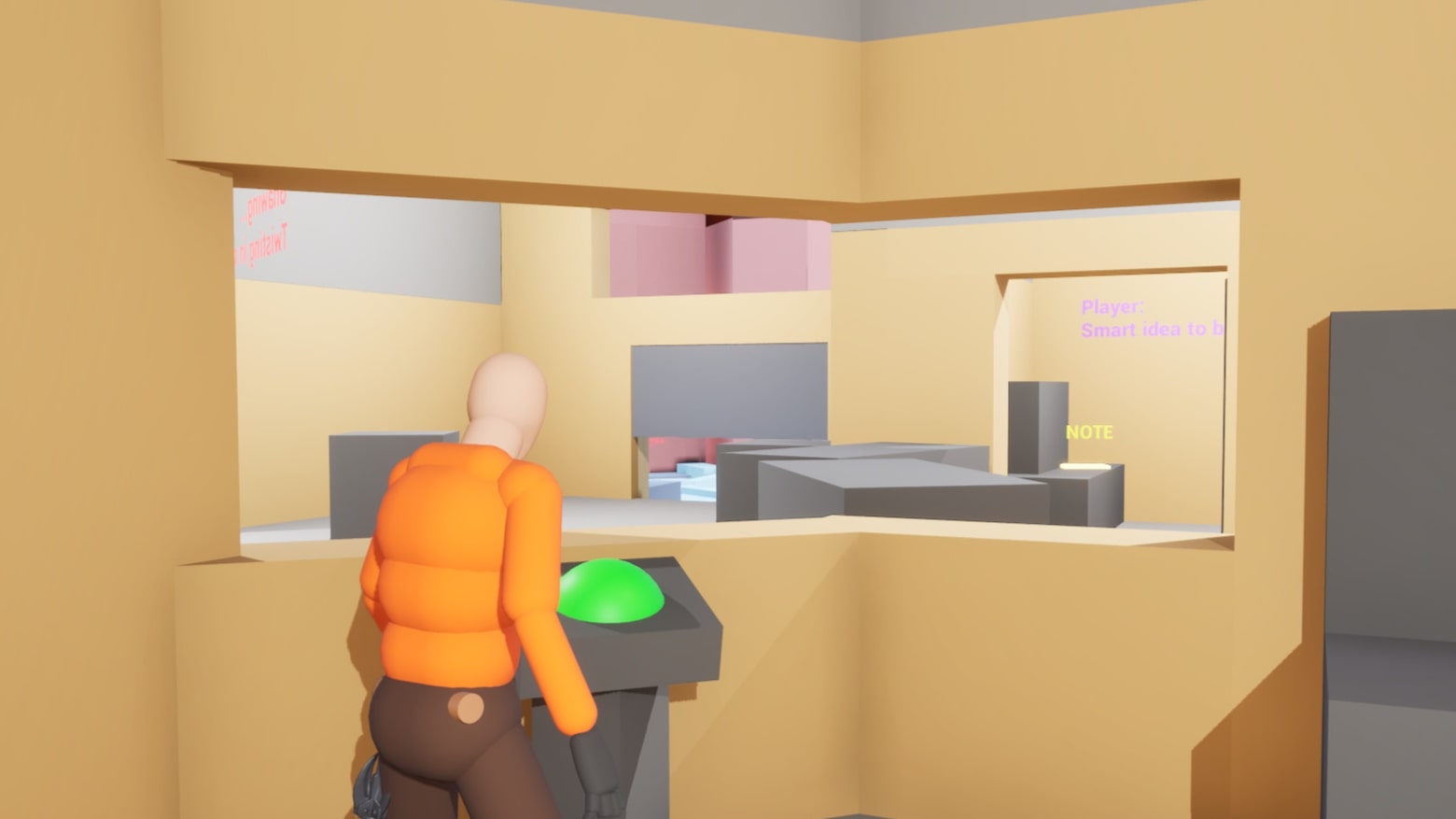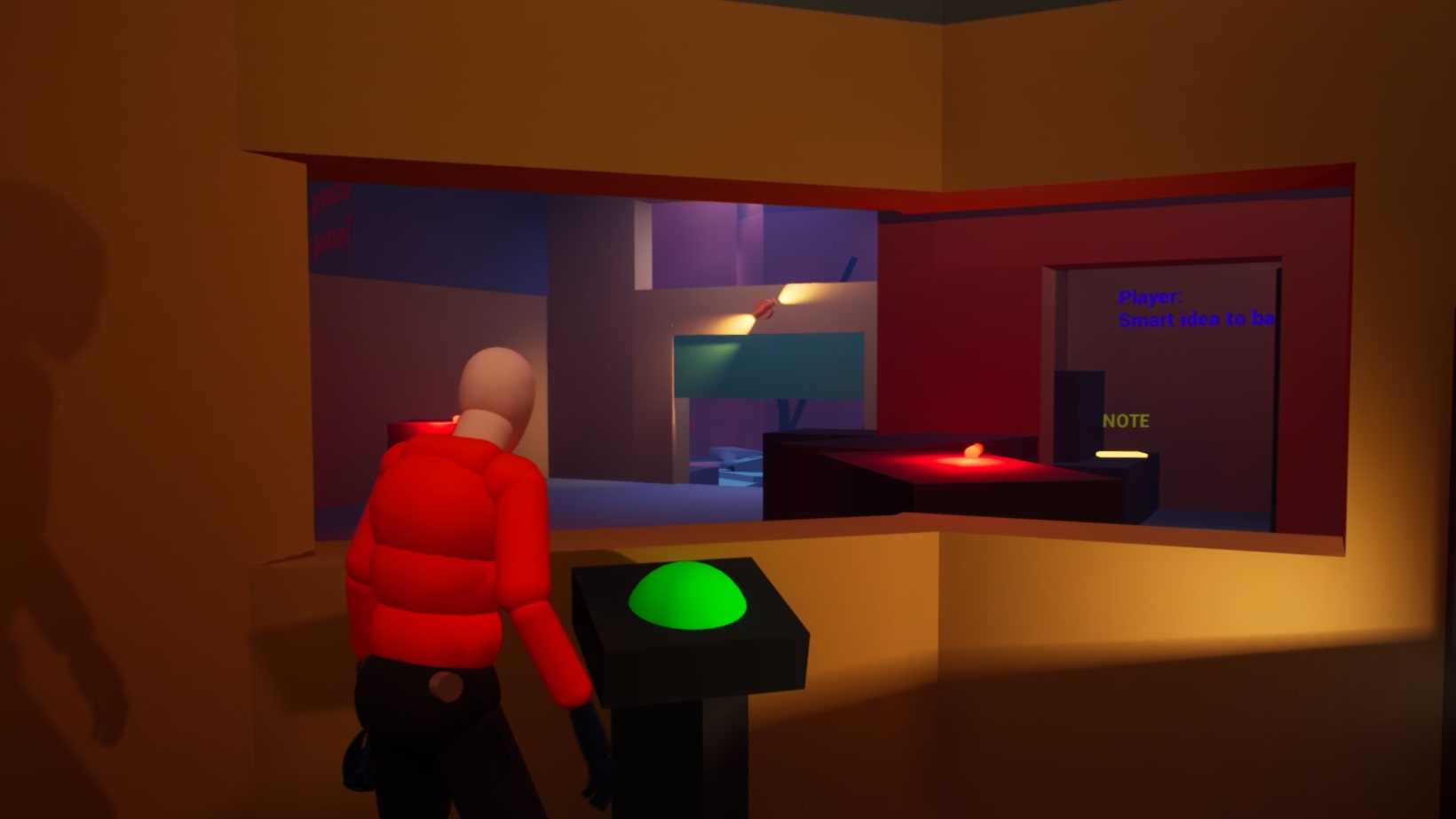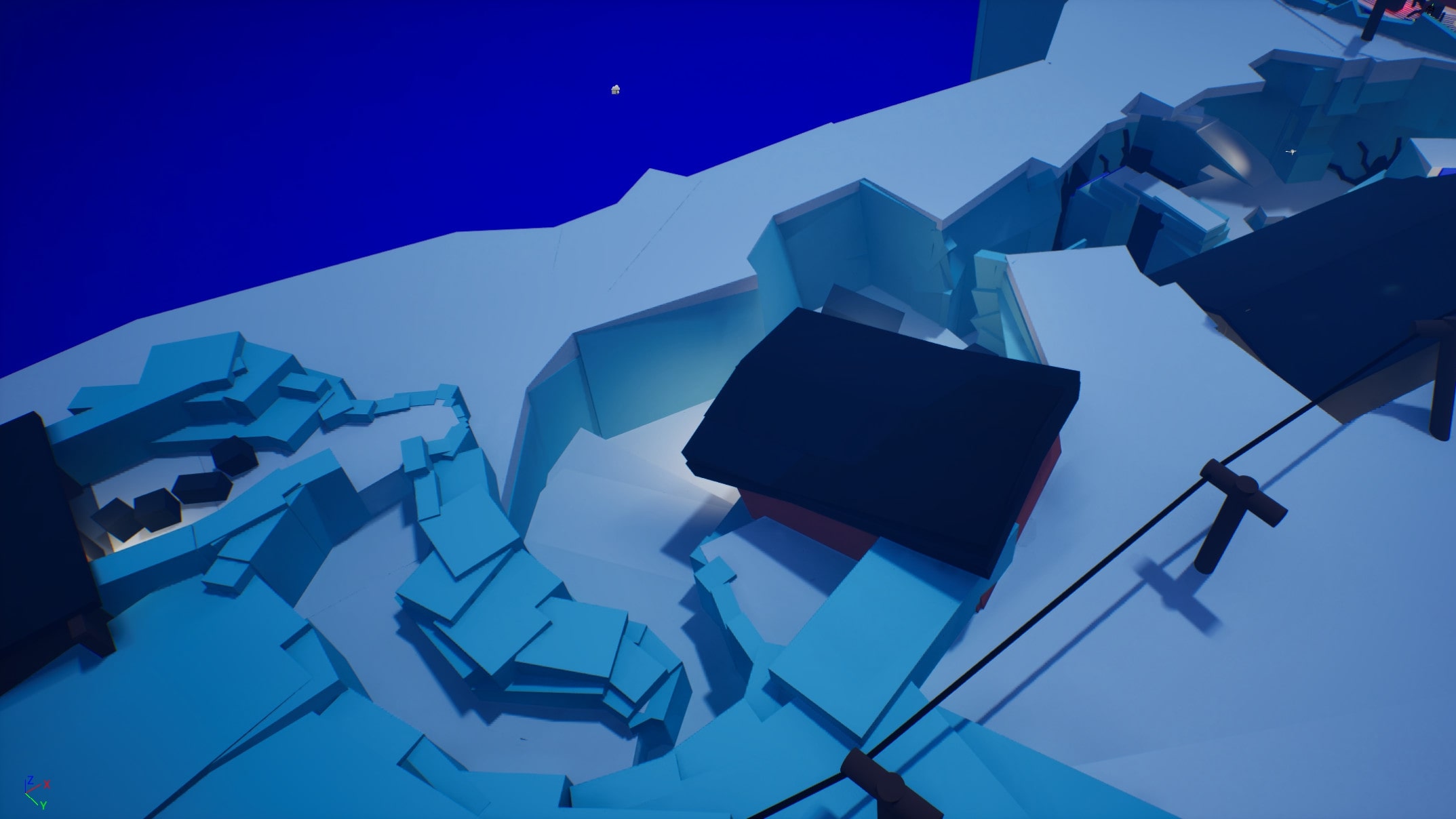
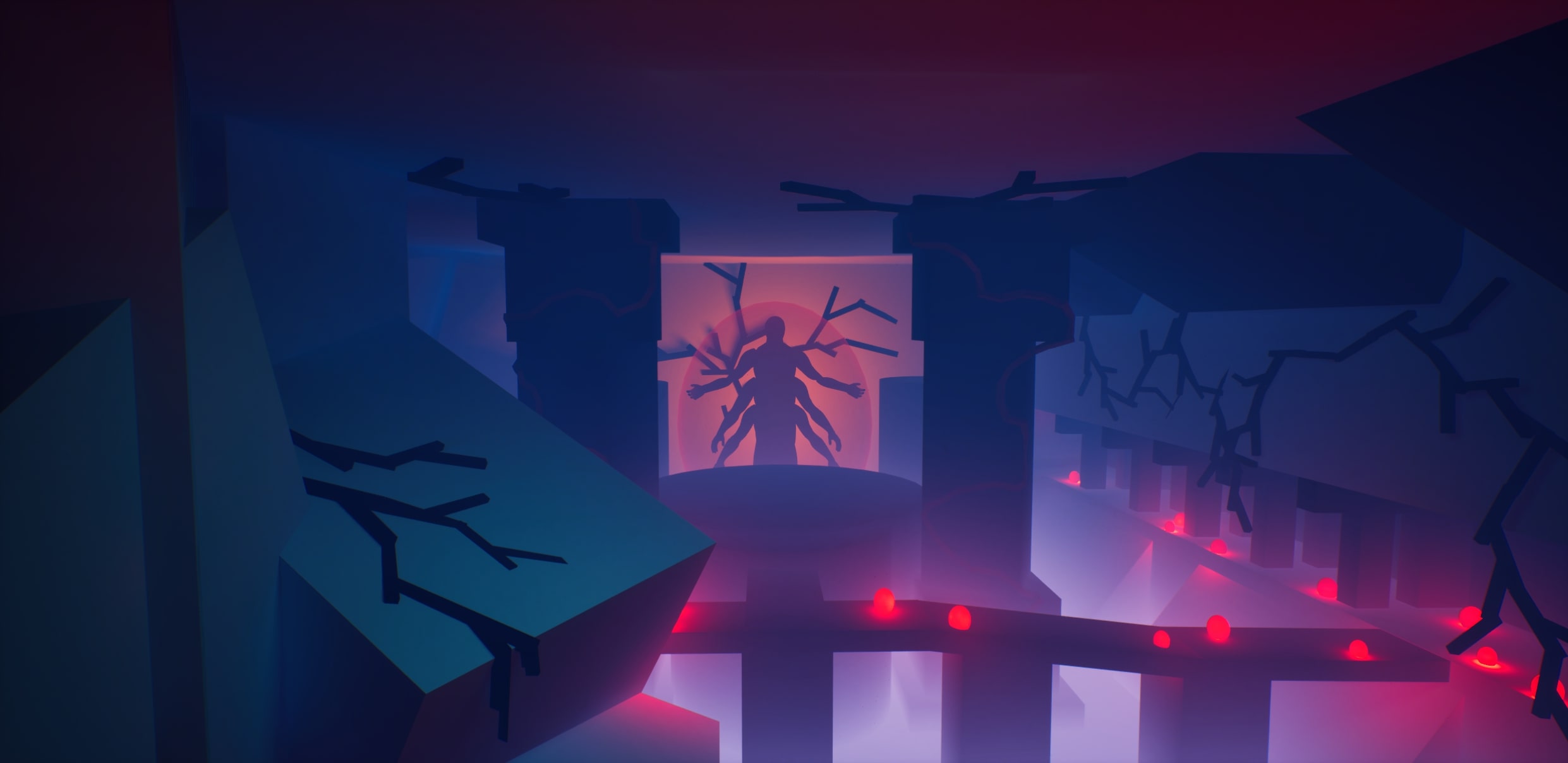
Black Ice
- Genre: 3D Action Adventure / Horror / PvE
- Type: Blockout
- Engine: Unreal Engine 5
- Tools: JakubW asset pack, Advanced Locomotion System, Exploring Level Design for Game Development, Ice Axe - bryanv7
- Iterations # 6
- Playtests # 7
- Role: Level Designer
Overview
Goal
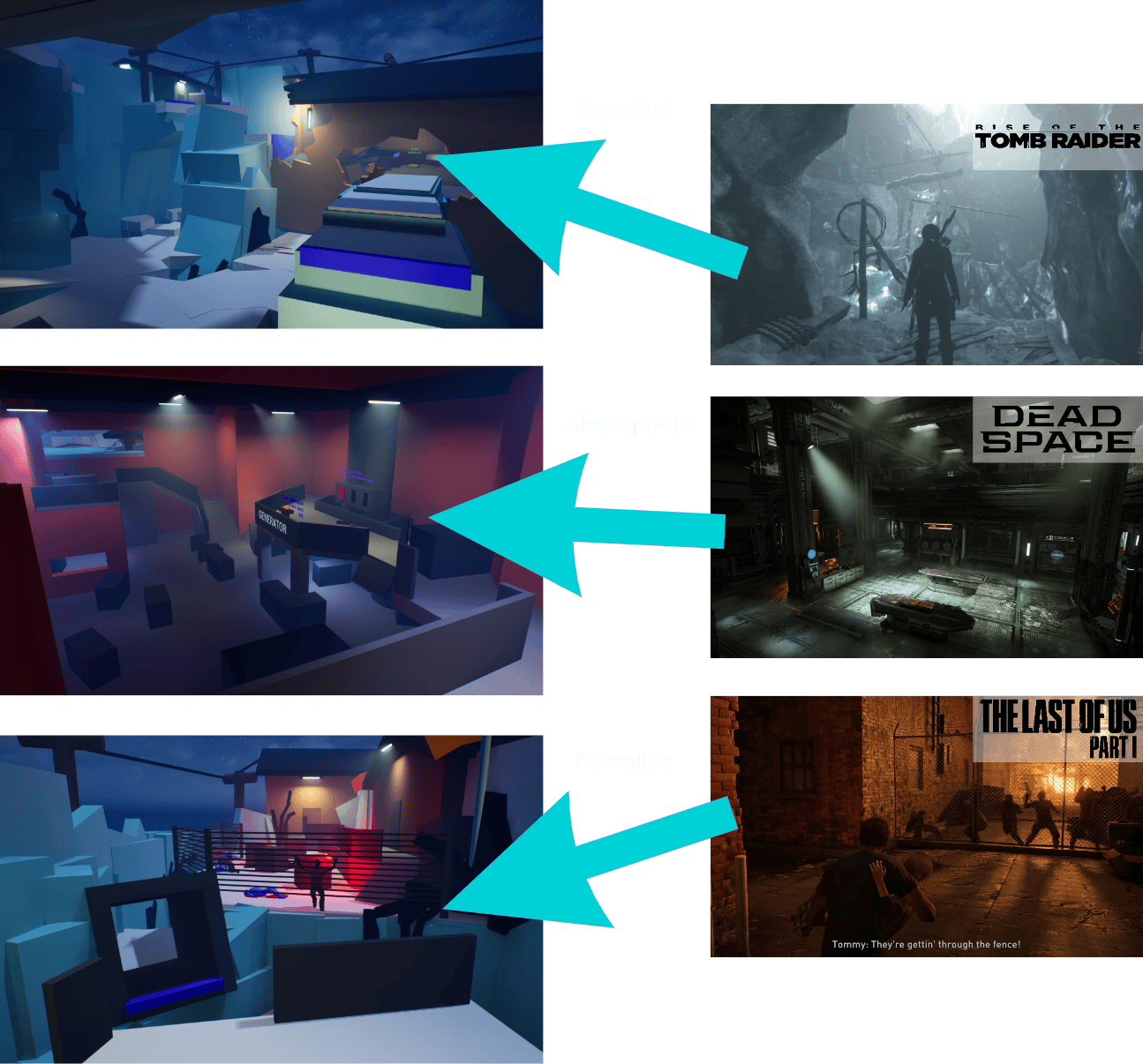
My goal was to develop a story-driven linear adventure horror level set in an environment inspired by The Thing. I drew influence from the traversal systems of Tomb Raider, the gameplay and atmosphere of Dead Space, and the gameplay-narrative integration of The Last of Us.
Throughout this project, I pushed myself to advance my adventure level design skills. Specifically, I focused on improving in a few key areas:
- Rapid iteration based on player feedback
- Integrating narrative with gameplay spaces
- High-impact moments
- Combat and Objective based Progression
As this was the most ambitious level design project I had taken on, I decided to enroll in the Level Design Bootcamp by Game Design Skills, led by Nathan Kellman. The bootcamp gave me structured guidance, professional feedback, and peer reviews that helped me refine my design process and deliver a level that felt both cohesive and compelling.
Level Overview & Technique Highlights
Setting/synopsis:
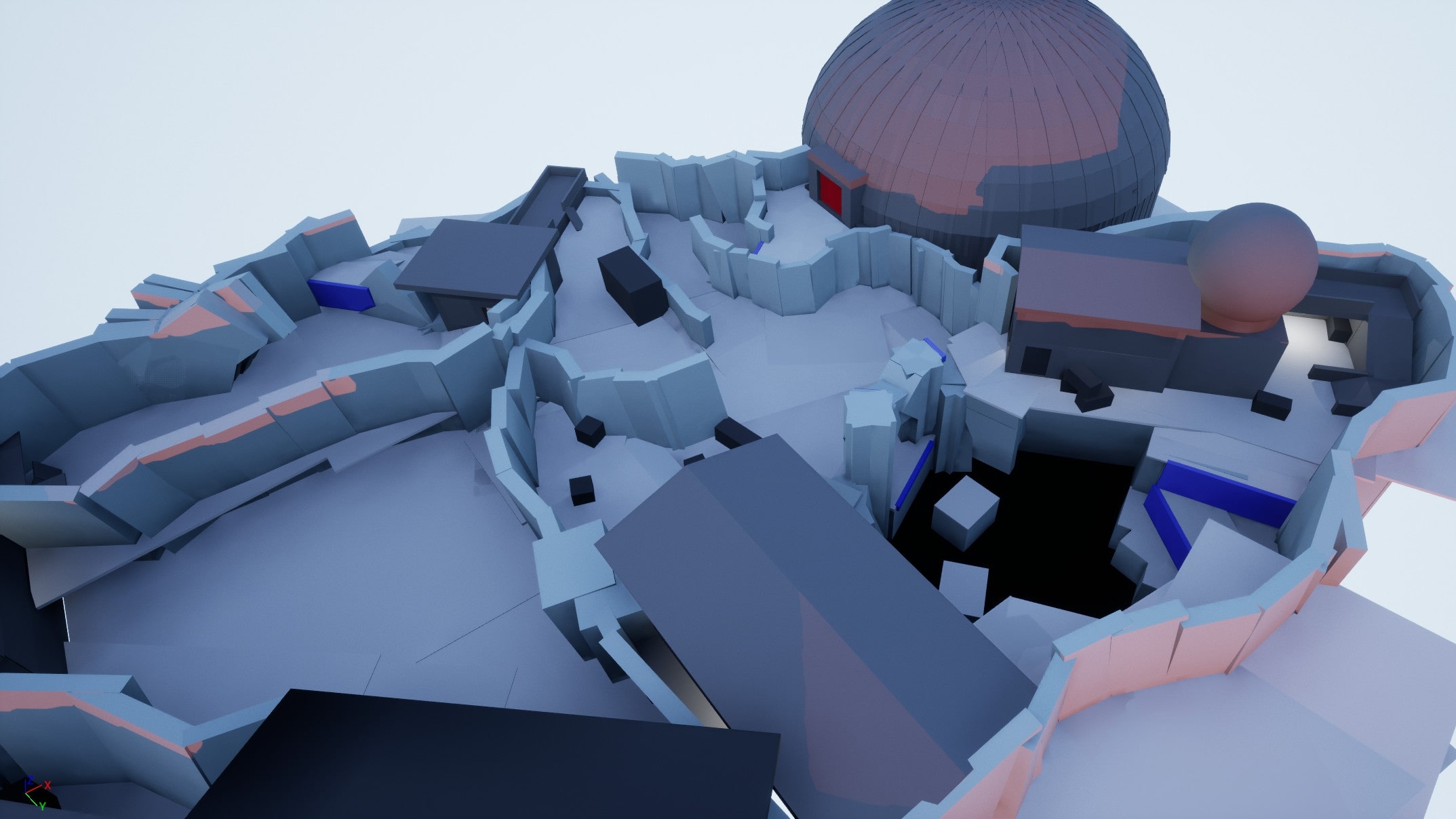
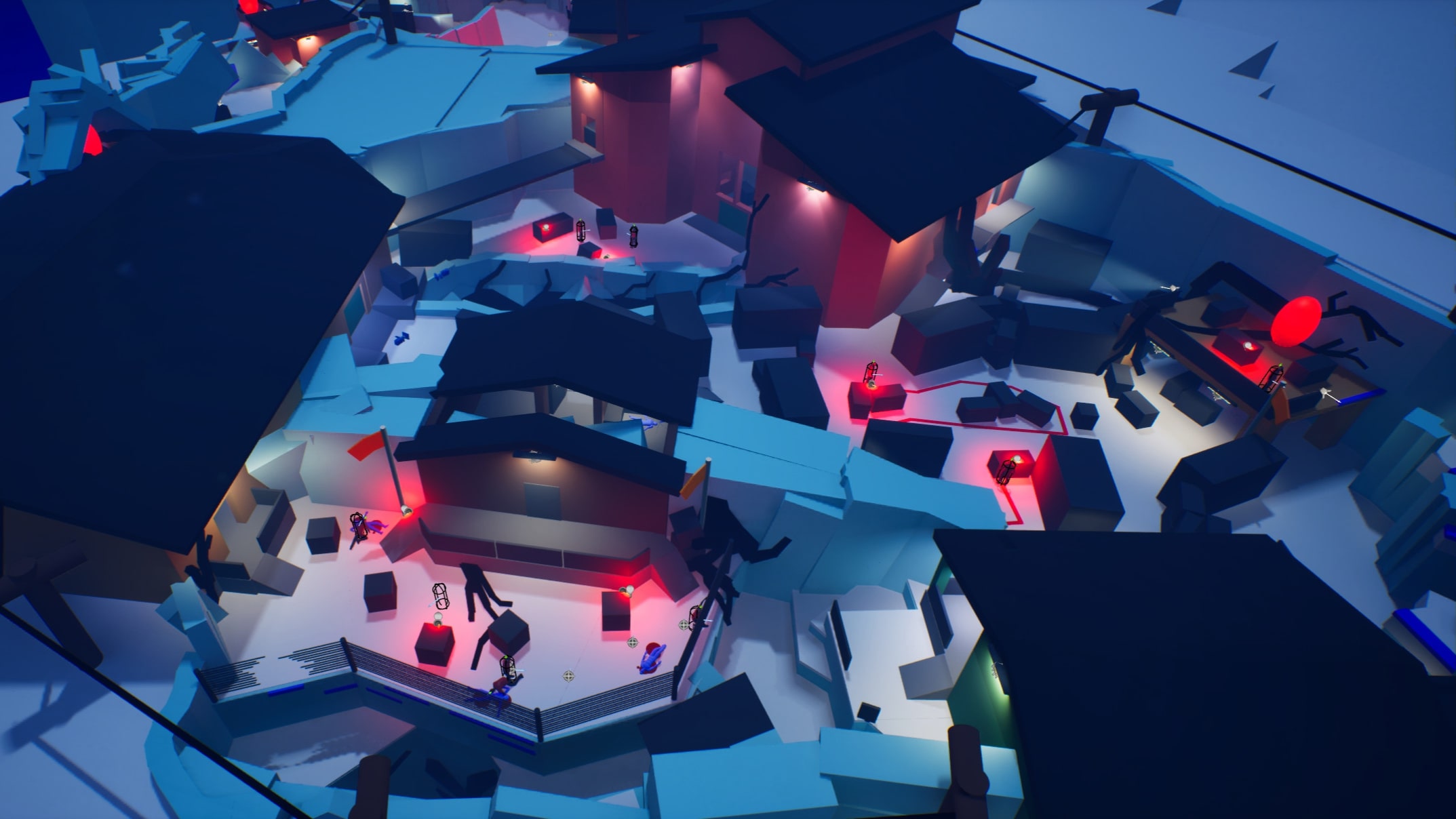
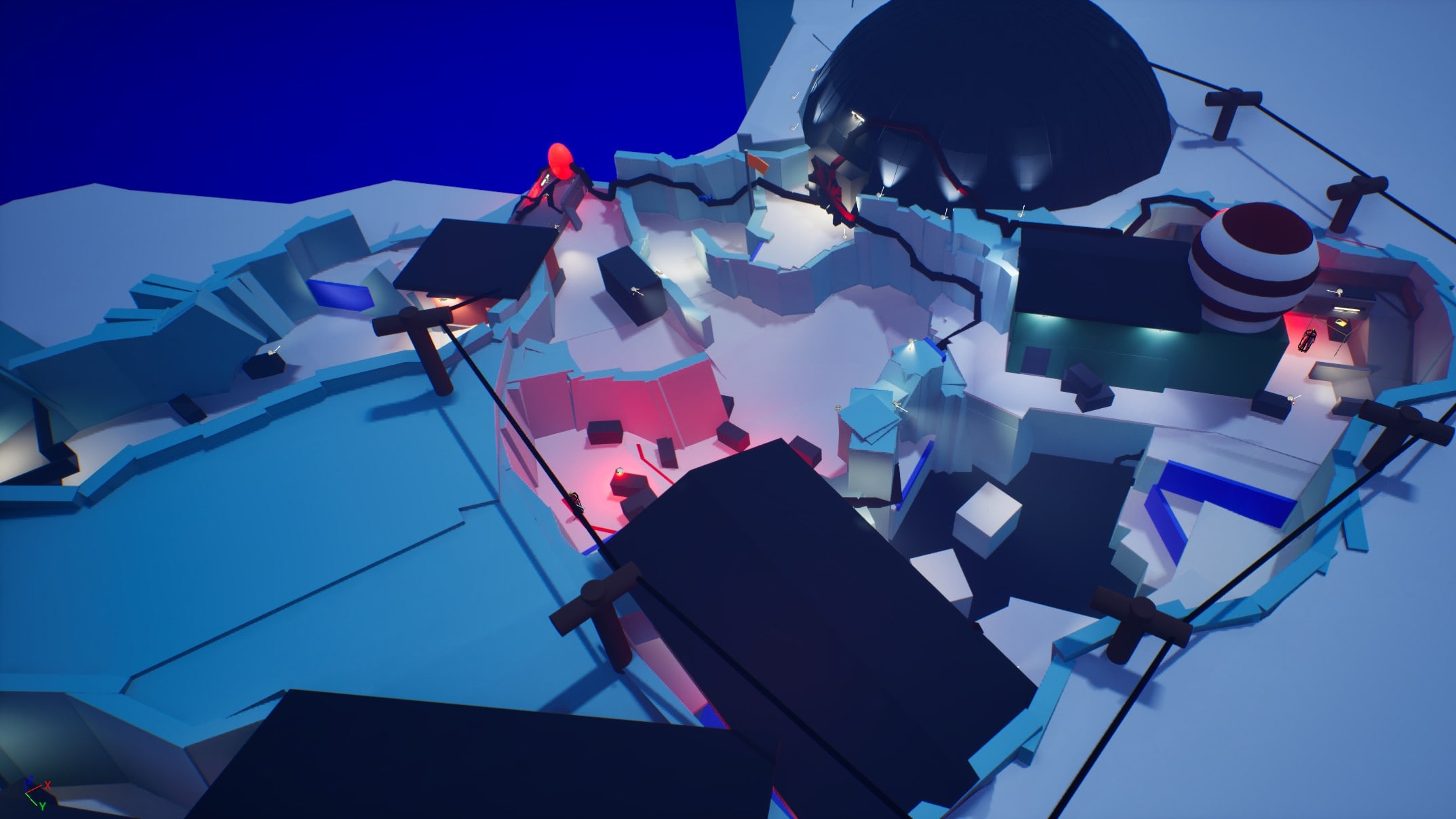
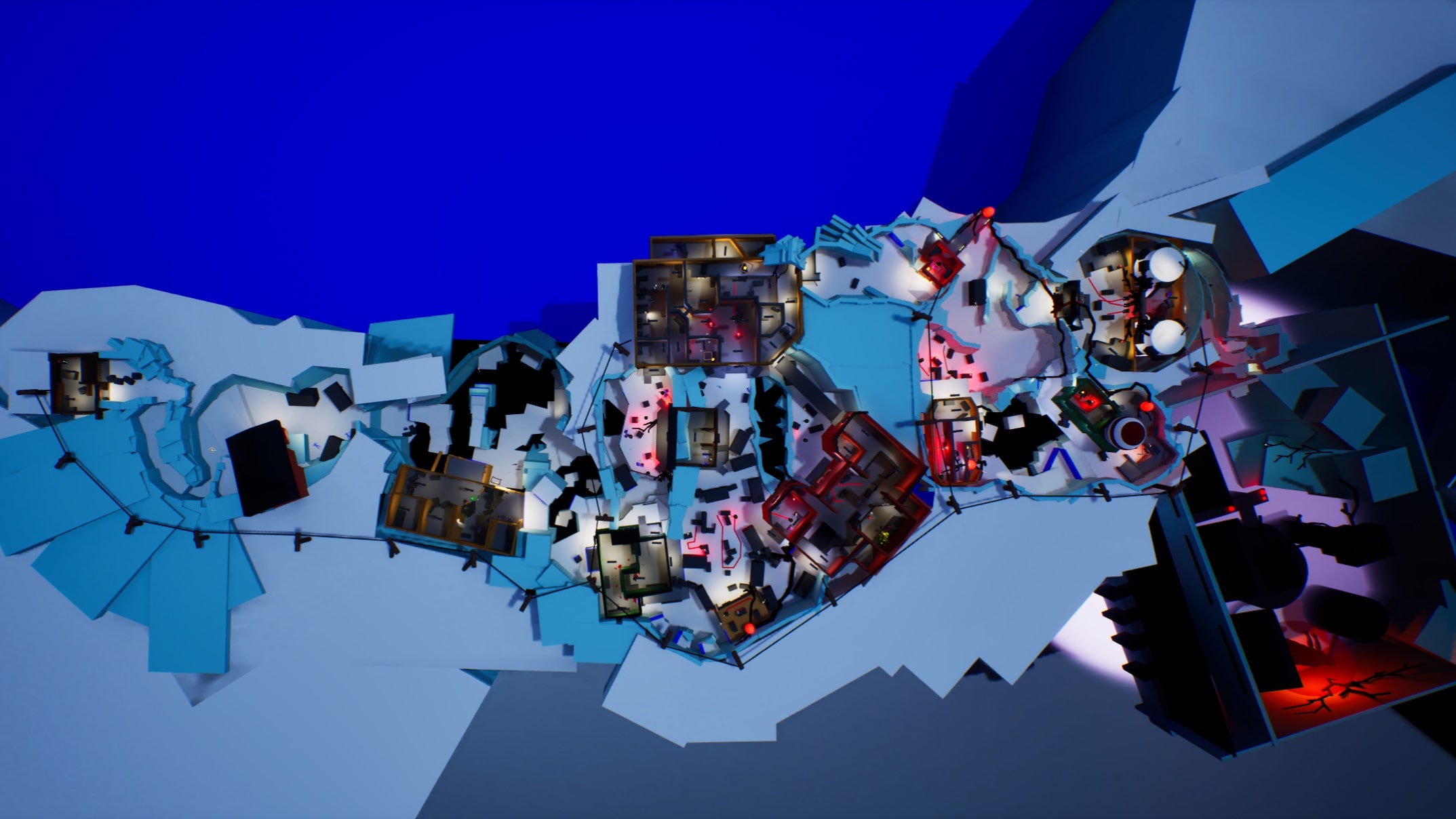
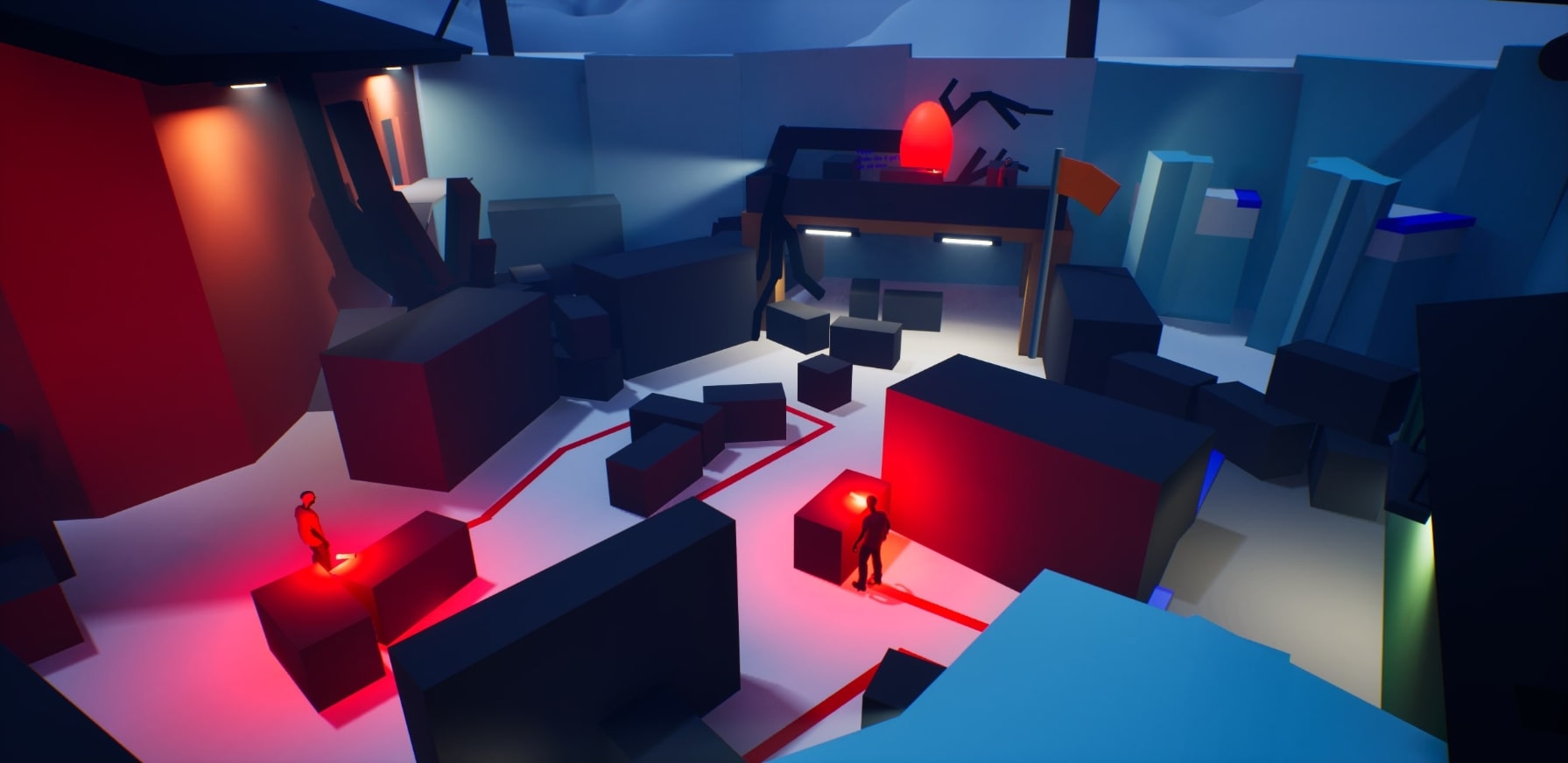
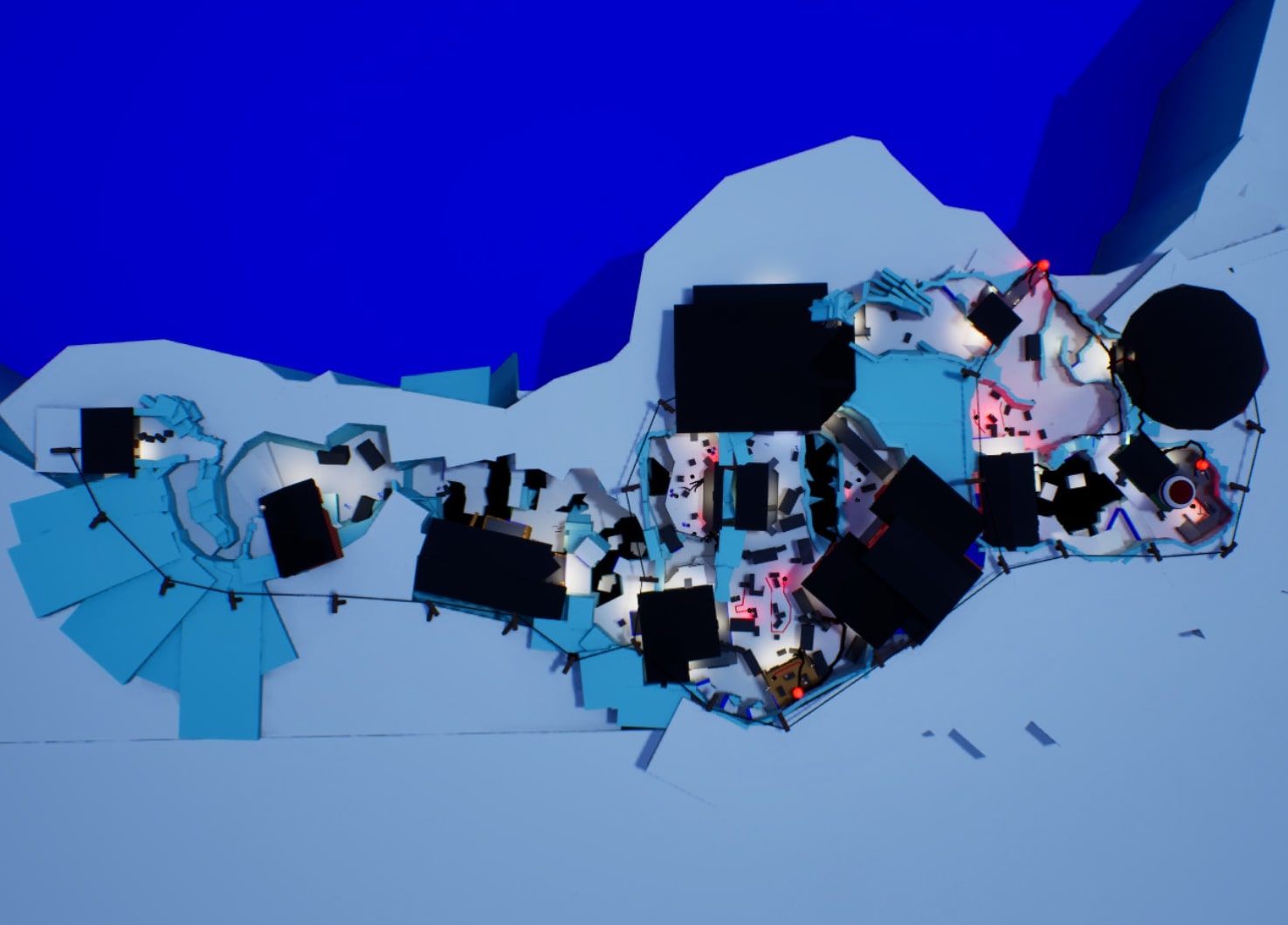
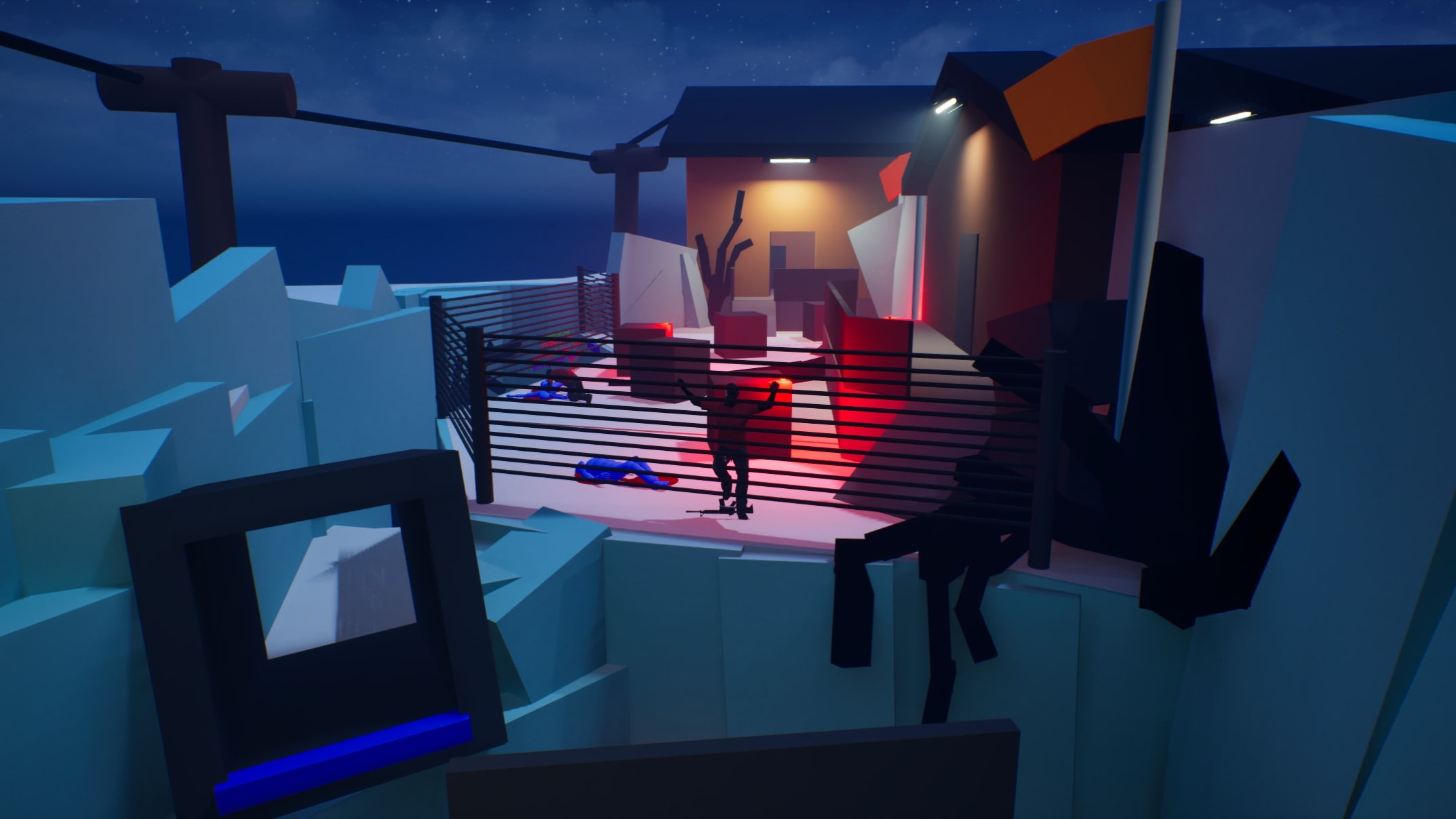
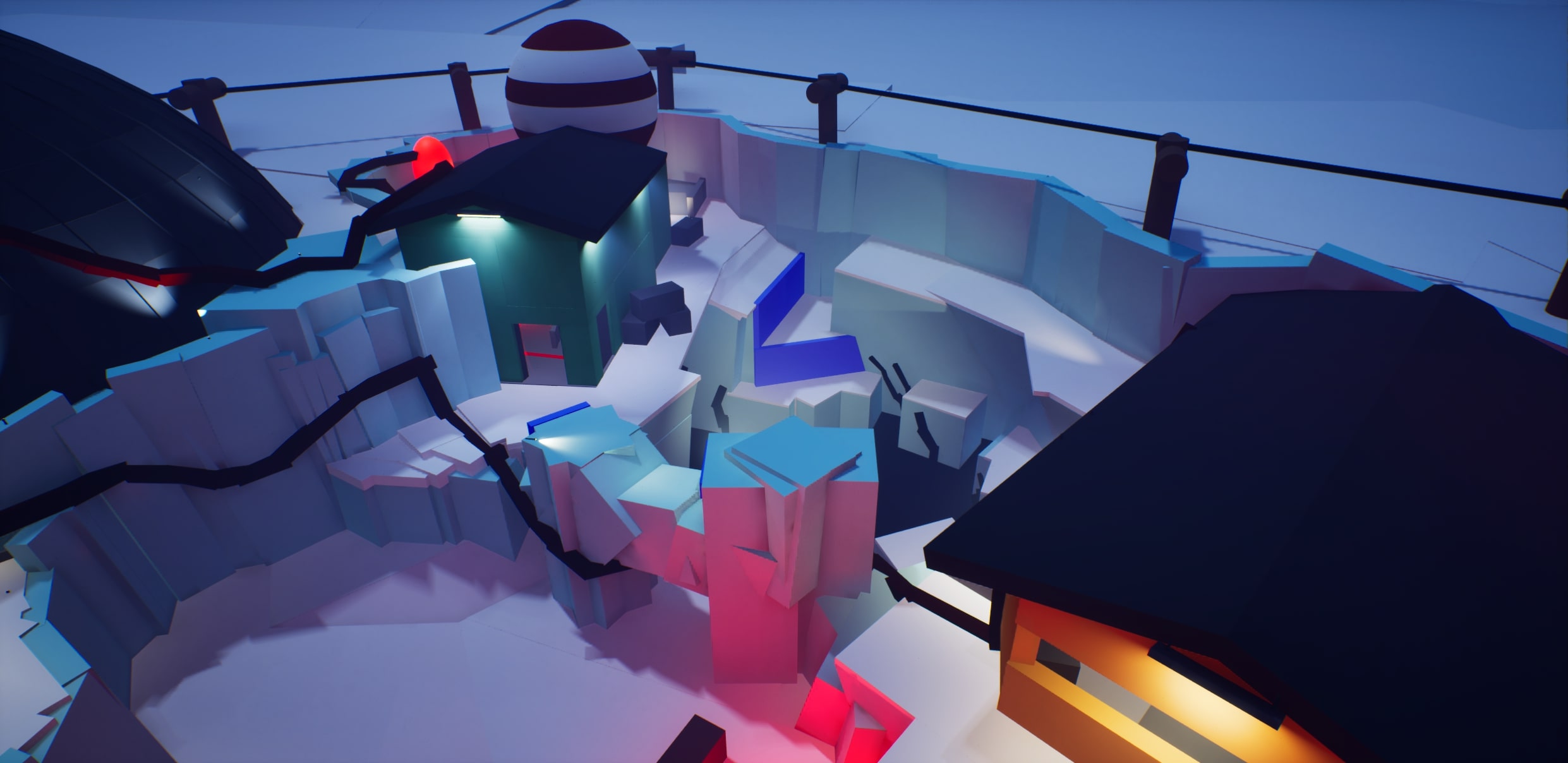
The level is set at night in an Antarctic research station that has been overrun by a supernatural corruption. The environment blends collapsed glaciers, ruined buildings, laboratories, and tendril-covered passageways with the harsh, freezing exterior to create a hostile space for traversal and combat.
The player takes the role of a researcher returning from a supply run, tasked with reaching the drill site to uncover the cause of the outbreak and the fate of the station’s crew. Progression emphasizes scavenging tools, adapting to blocked paths, and choosing between stealth, combat, or environmental solutions to overcome threats.
Vistas
Technique & Use-case:
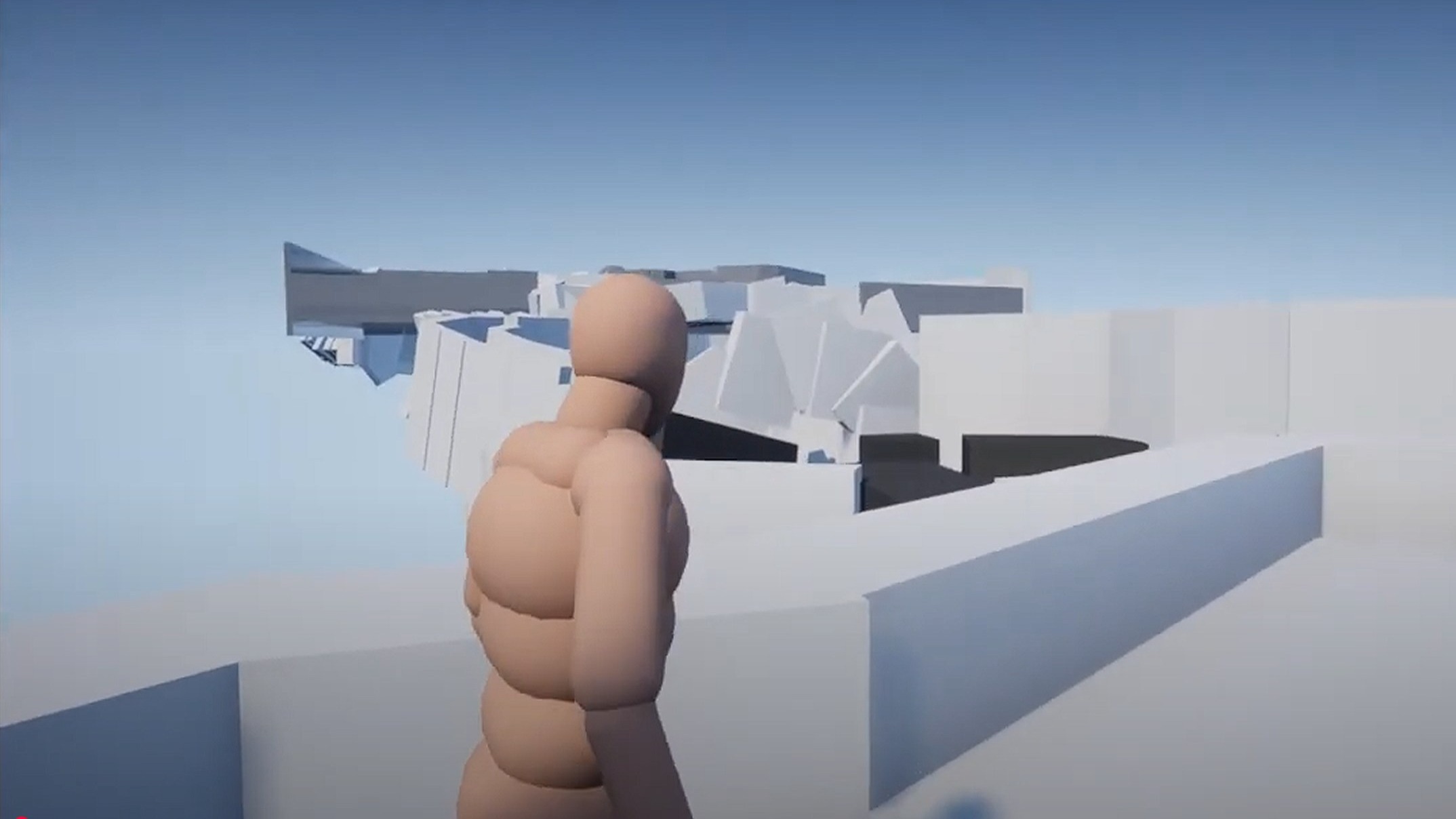
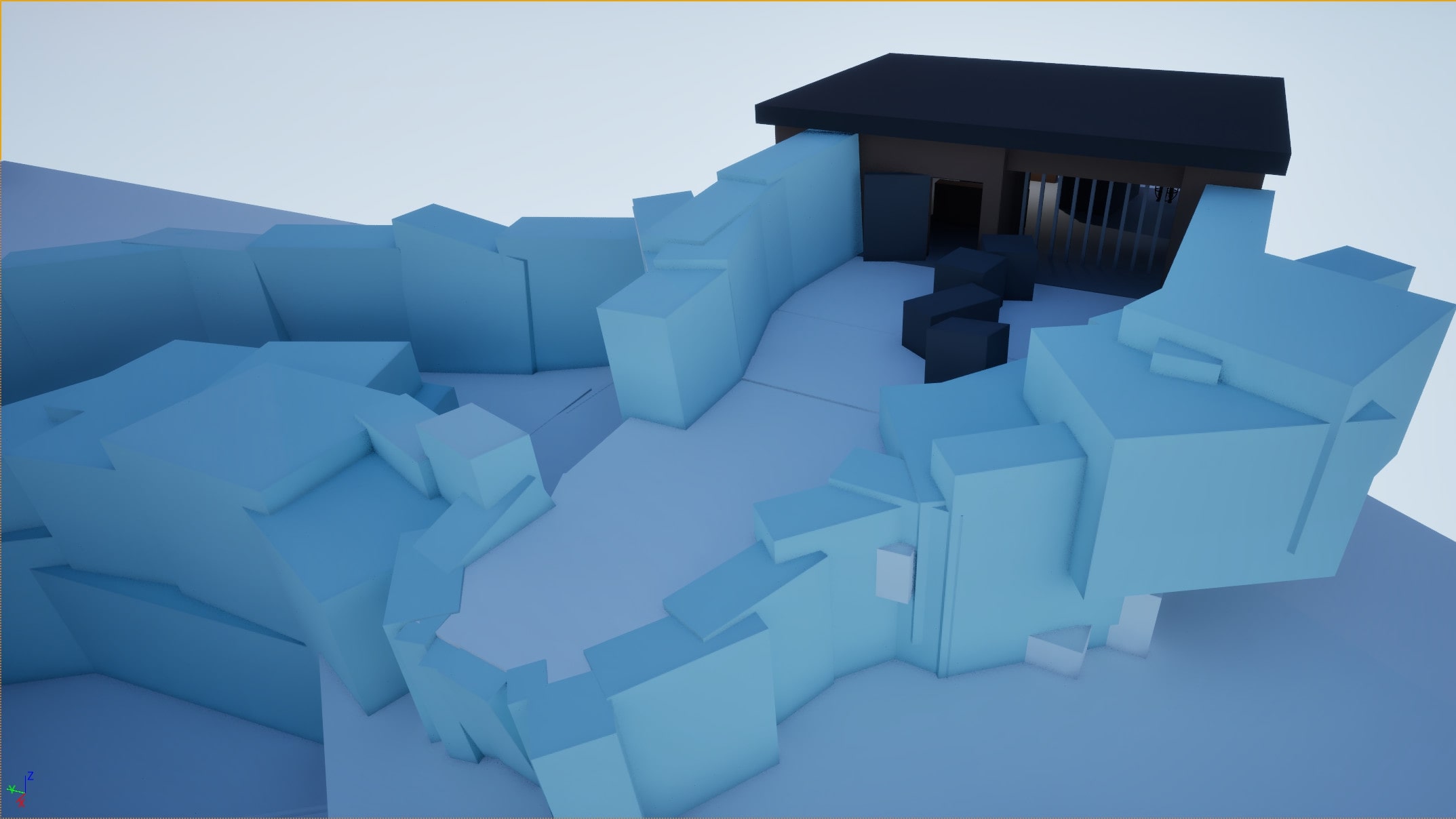
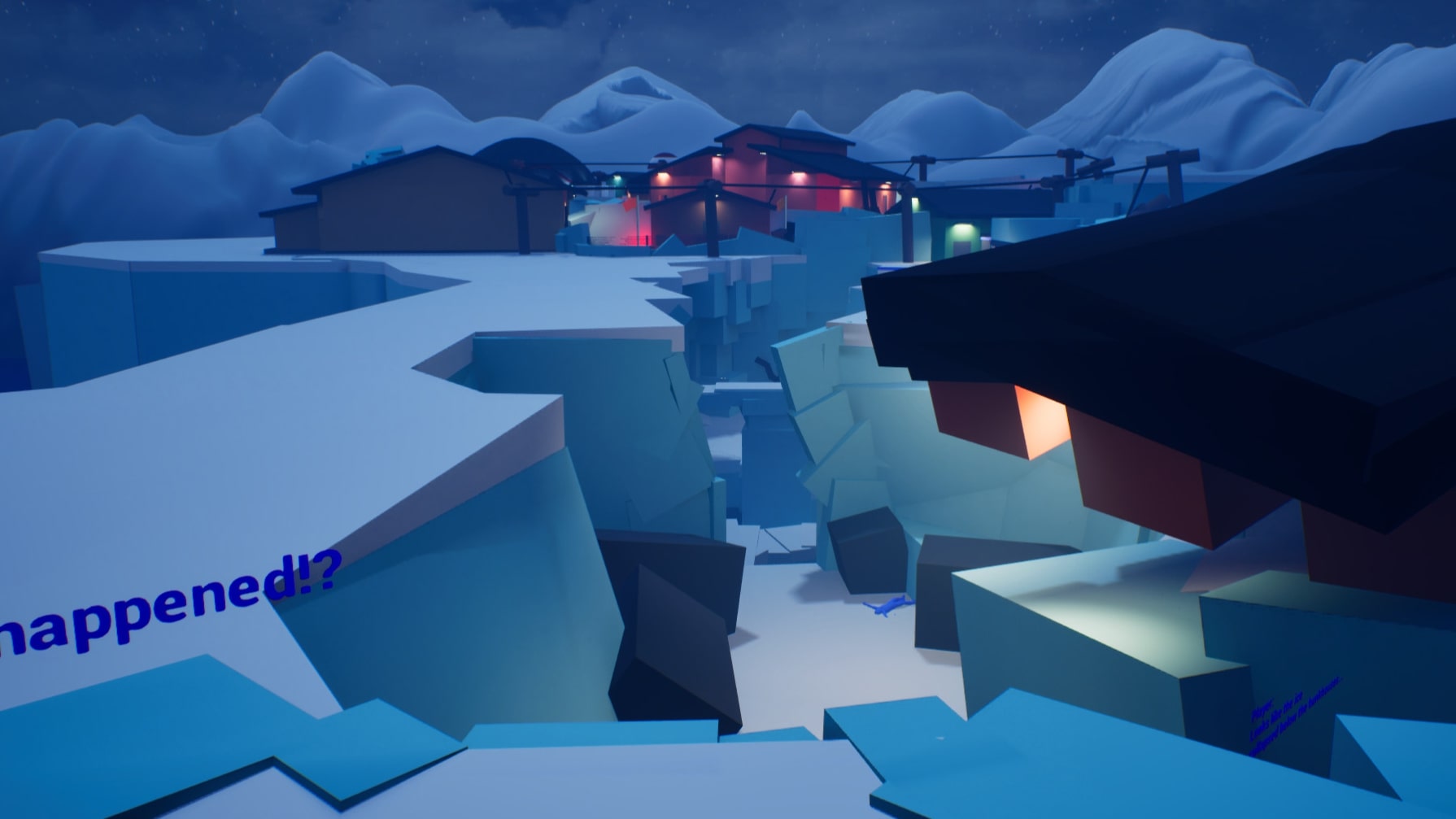
Implemented vistas to focus player attention onto their overall goals, reinforcing their direction on where to go.
Context of use-case:
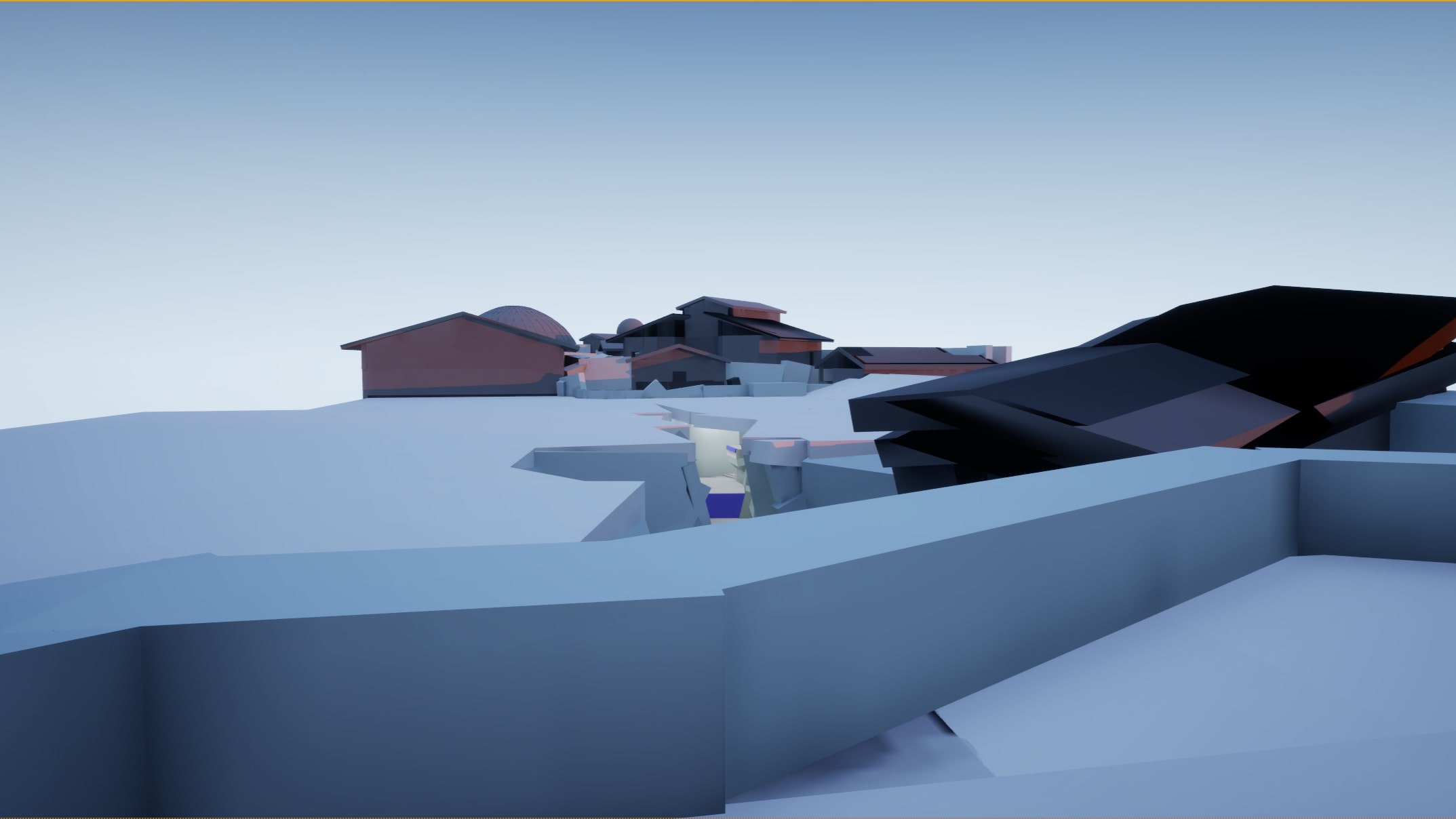
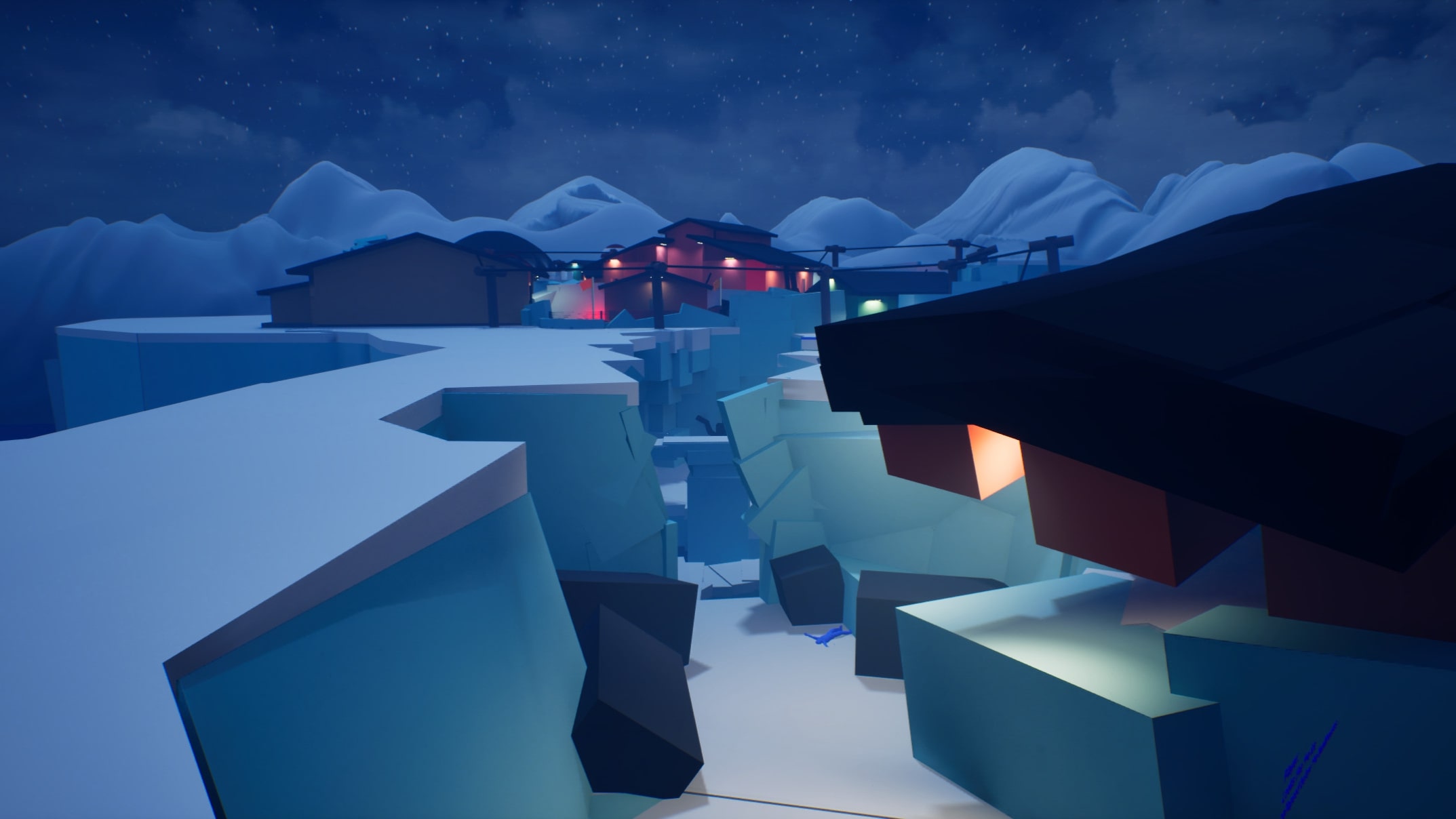
Players viewed their objectives long before reaching them, such as the outpost and drill site. The final vista engages players’ curiosity and drives them to want to know what comes next.
Technique Detail:
- Pods shown ahead that players would later destroy
- Repeated views of major objectives to reinforce progress
- Clear sights of combat areas and traversal challenges
Verticality & Traversal
Technique & Use-case:
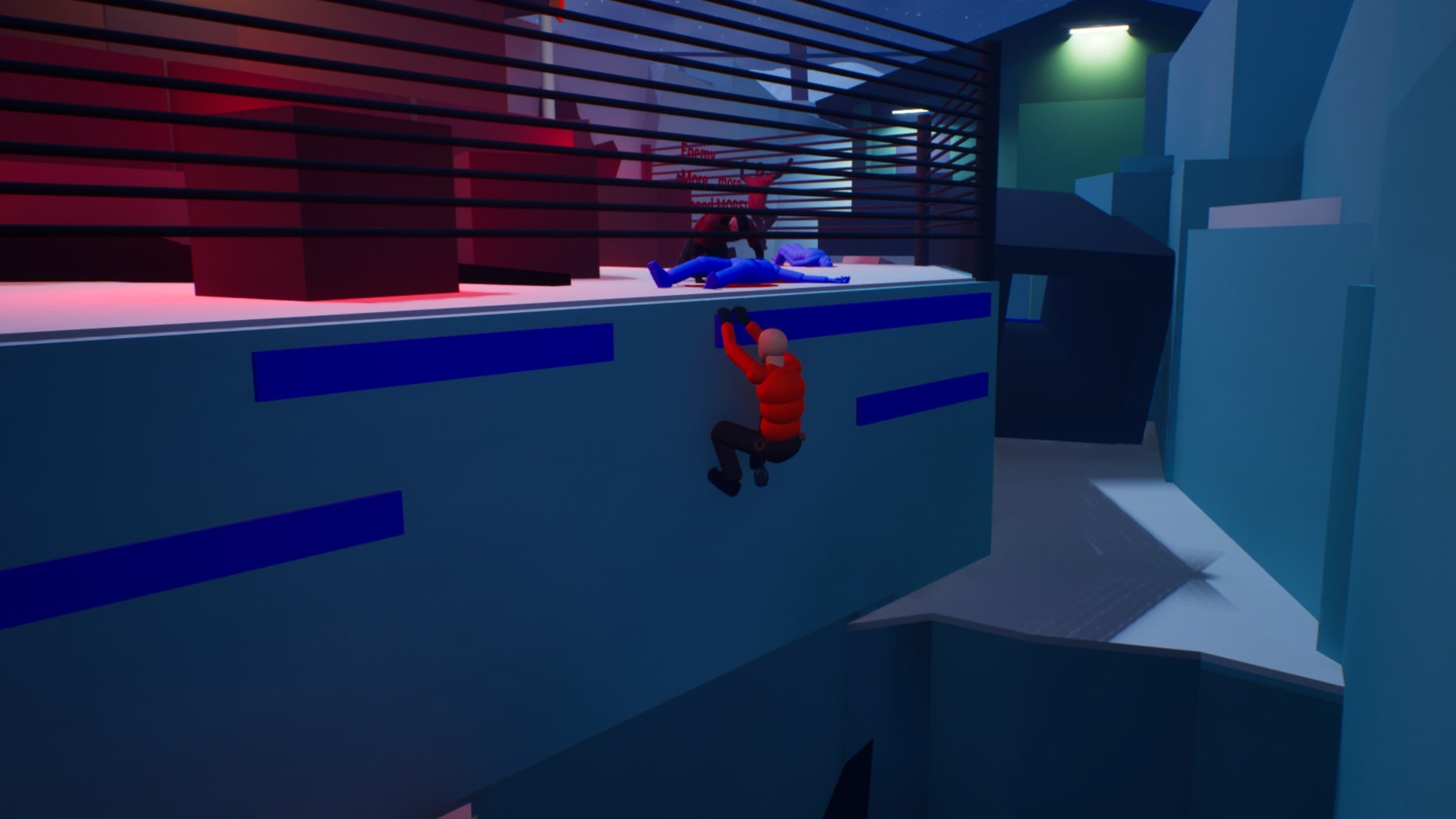
Used multiple forms of traversal mechanics to make moving around the level engaging, while also reinforcing the feeling of maneuvering through a devastated outpost.
Context of use-case:
Verticality made the space feel more compelling as players climbed through collapsed buildings and ice walls. Objectives placed above players created tension and anticipation, while multi-layered environments gave the level a larger, more cohesive feel.
Technique Detail:
- Multiple two-tiered buildings to encourage exploration
- Pods positioned higher than the player creating curiosity and an ominous tone
- Climbing routes and obstacles spread throughout the level
Environmental Storytelling
Technique & Use-case:
Environmental storytelling was integrated into the level to merge narrative with gameplay, ensuring that story details also served functional purposes.
Context of use-case:
These elements influenced the overall flow of the level, shaping how players understood the outpost’s collapse while naturally directing their path forward.
Technique Detail:
- Bodies arranged to communicate the outpost’s downfall
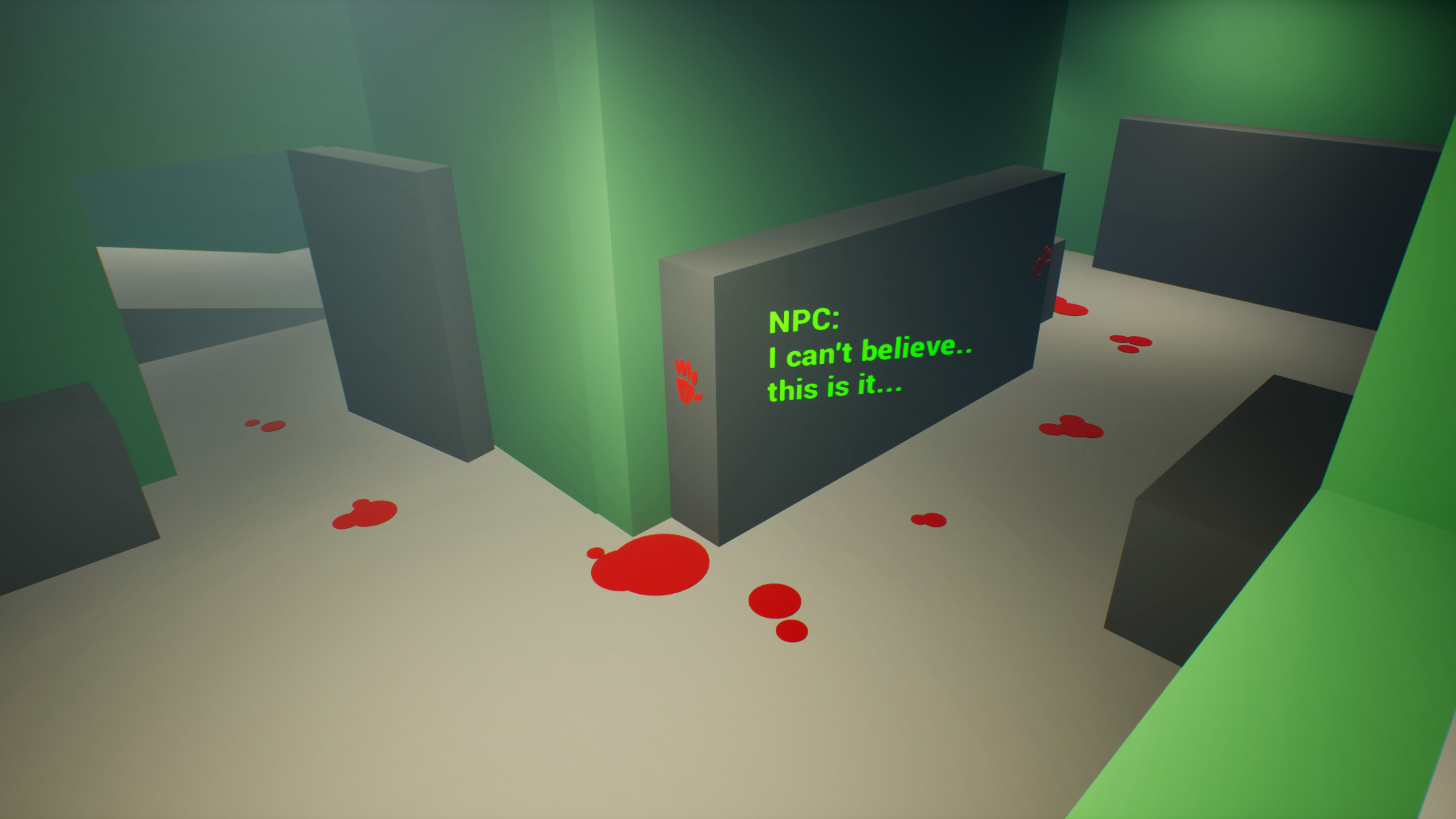
- Blood trails used for both narrative impact and navigation
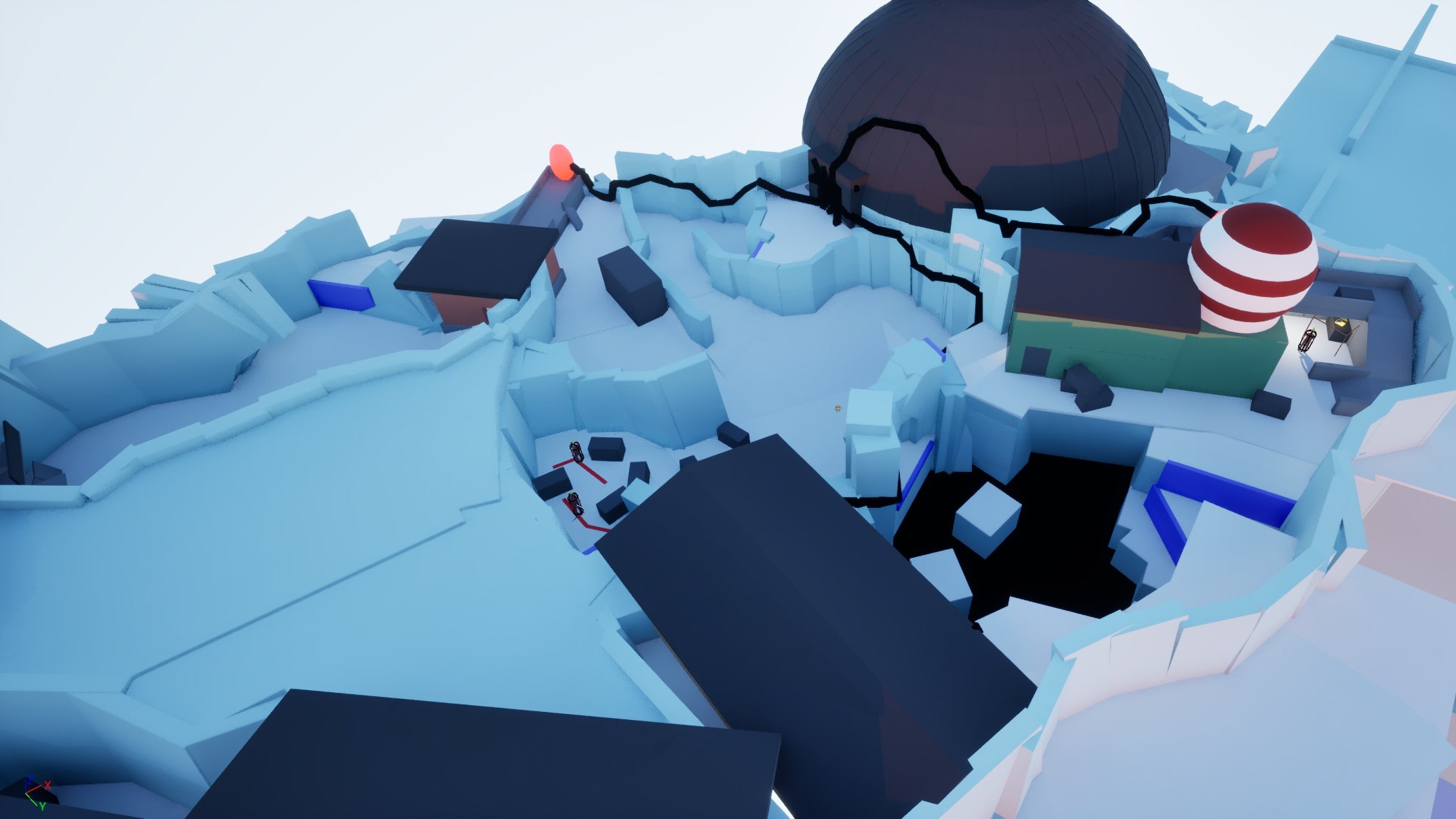
- Tendrils marking routes while showing the spread of corruption
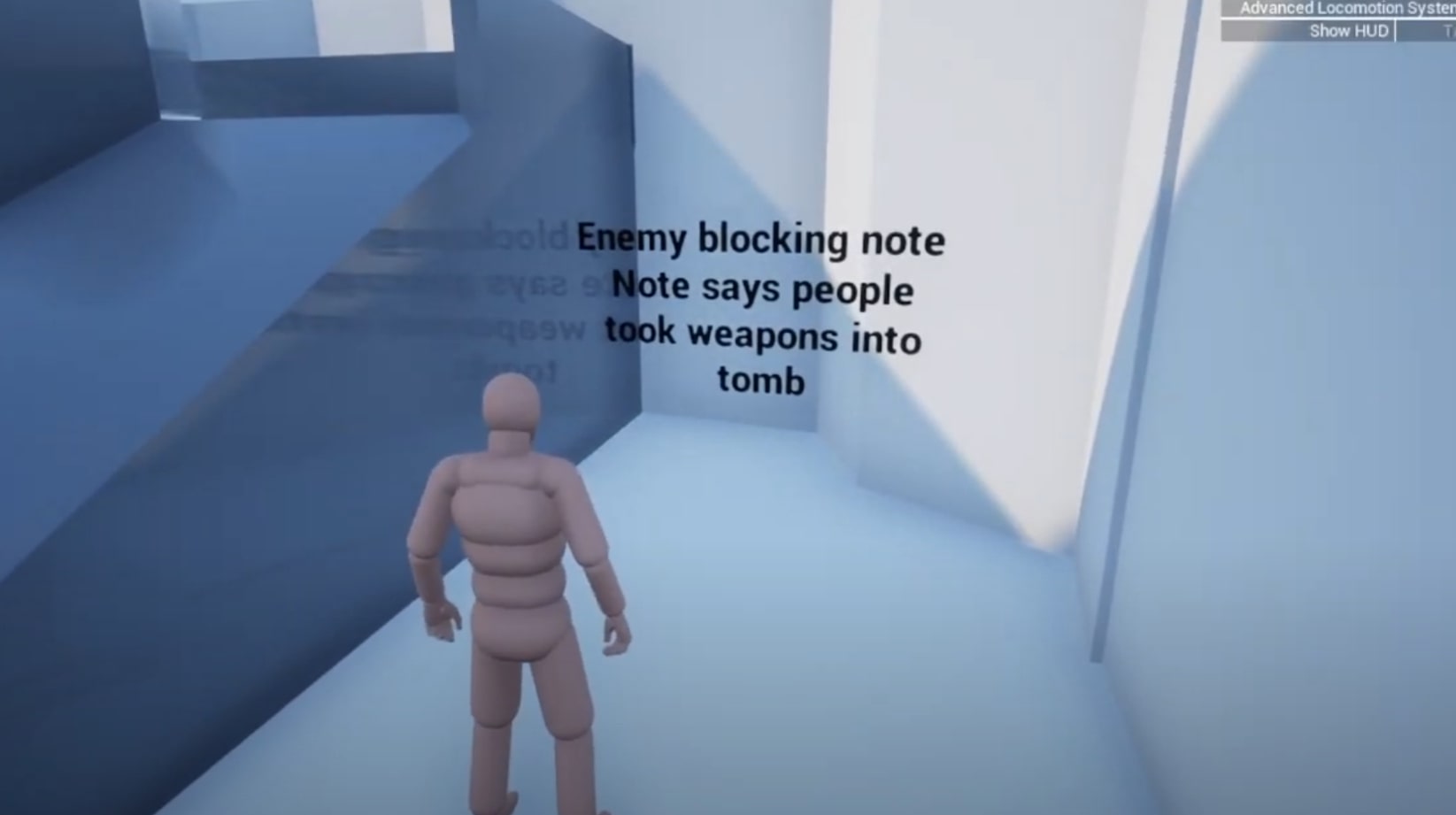
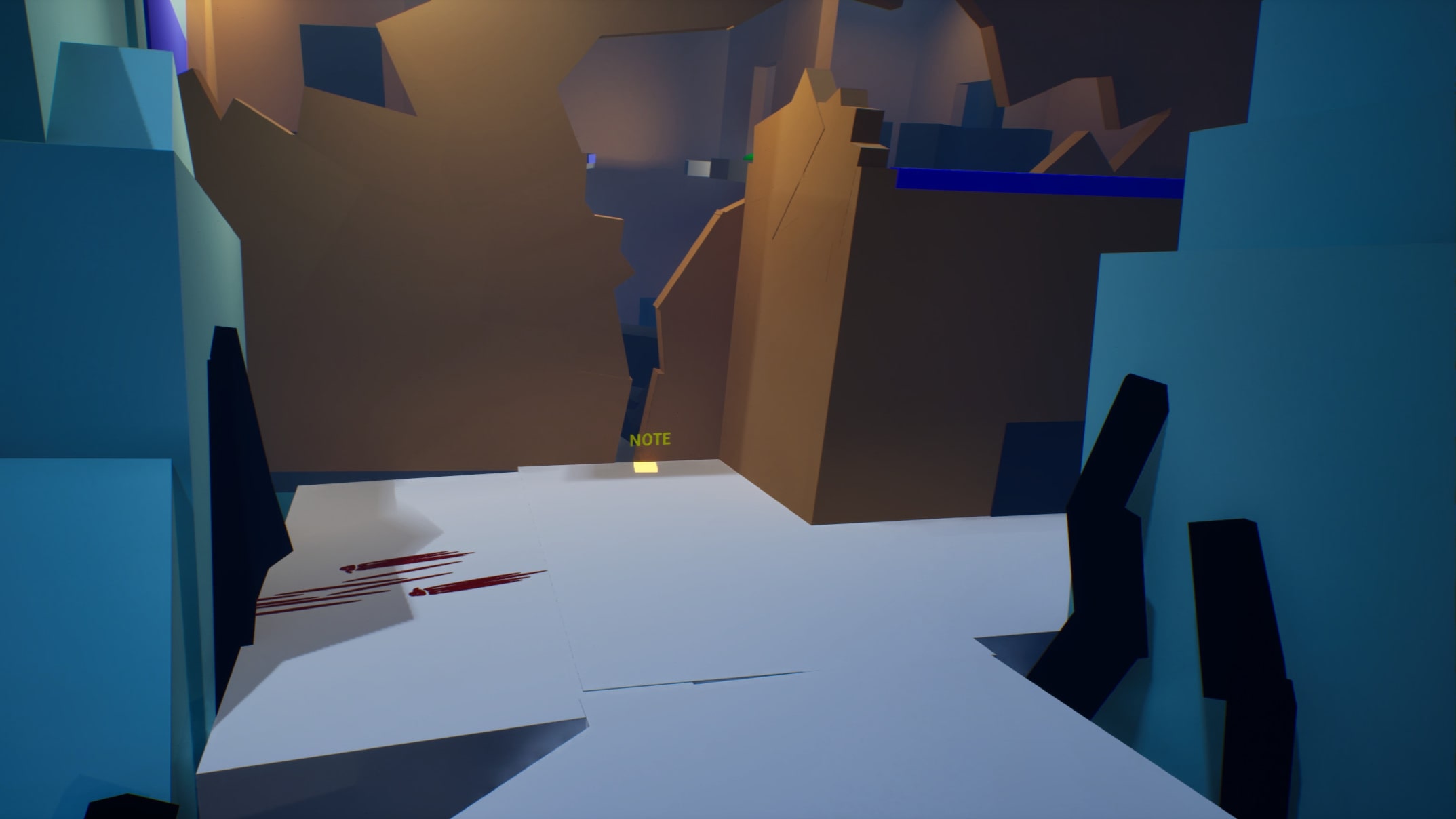
- Notes combining story details with objective direction
Walkthrough
Beat 1: Approaching the Outpost
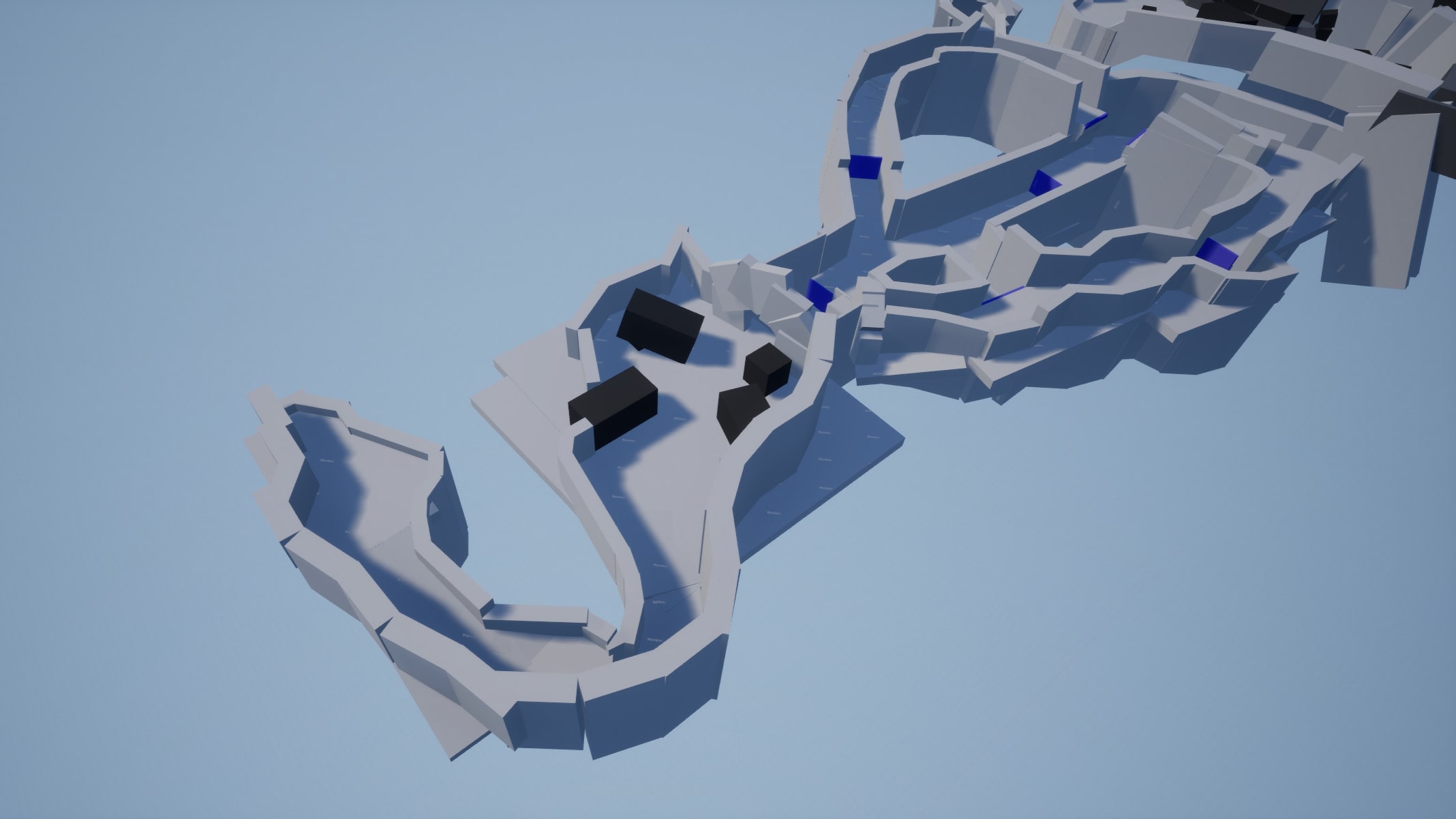
The player starts inside a snowmobile shed on the outskirts of an Antarctic research station. Outside is the path towards a glacial collapse, with debris from a collapsed building scattered along the way. The goal is to get to the collapse, and begin to unravel what has happened.
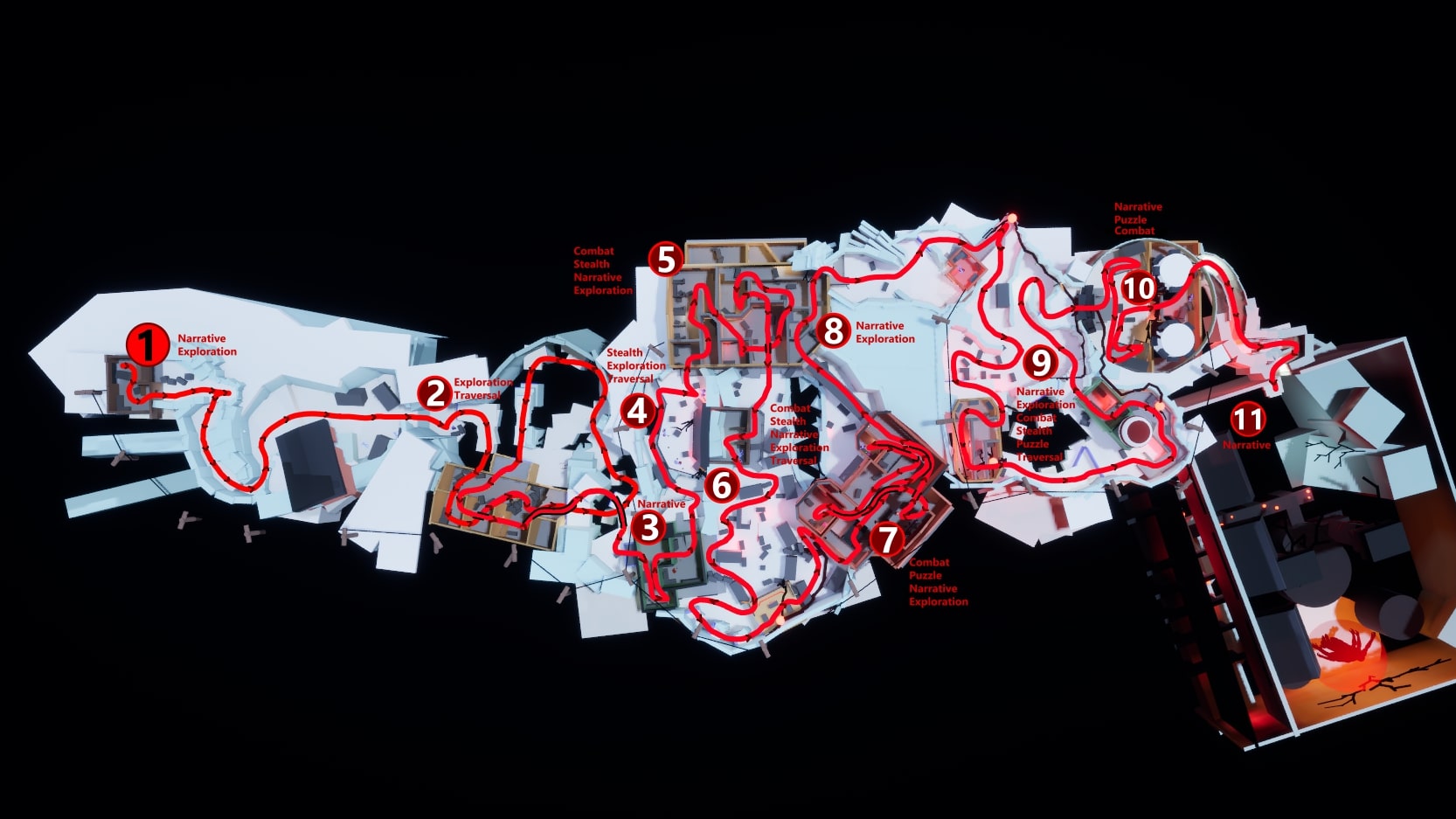
Beat 2: Entering the Collapse
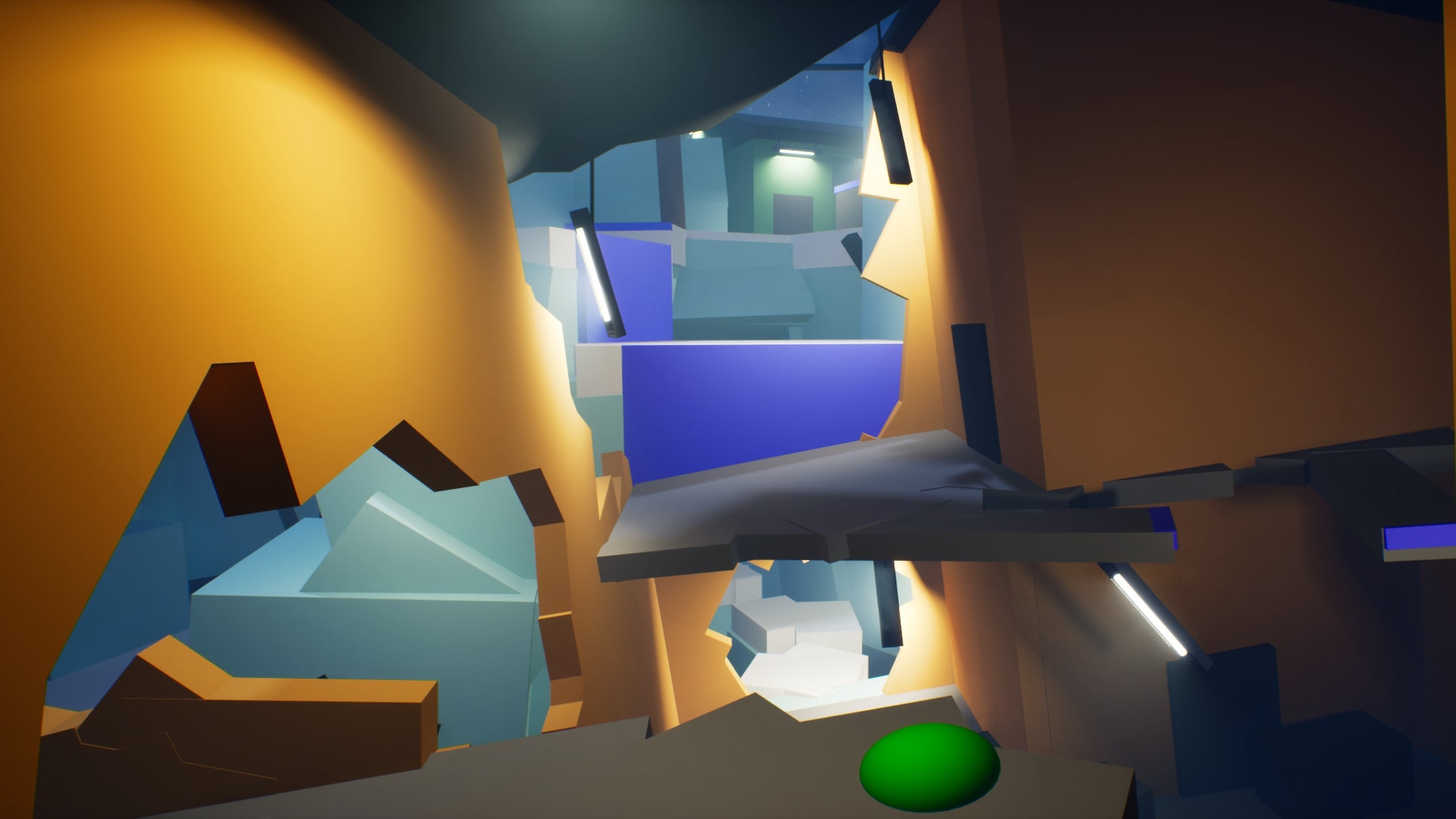
Now inside the glacial collapse, the player must travers through a ruined bunkhouse, and glacial structures, to climb up to the outpost. Learning traversal mechanics, eventually climbing up to the level directly outside the outpost.
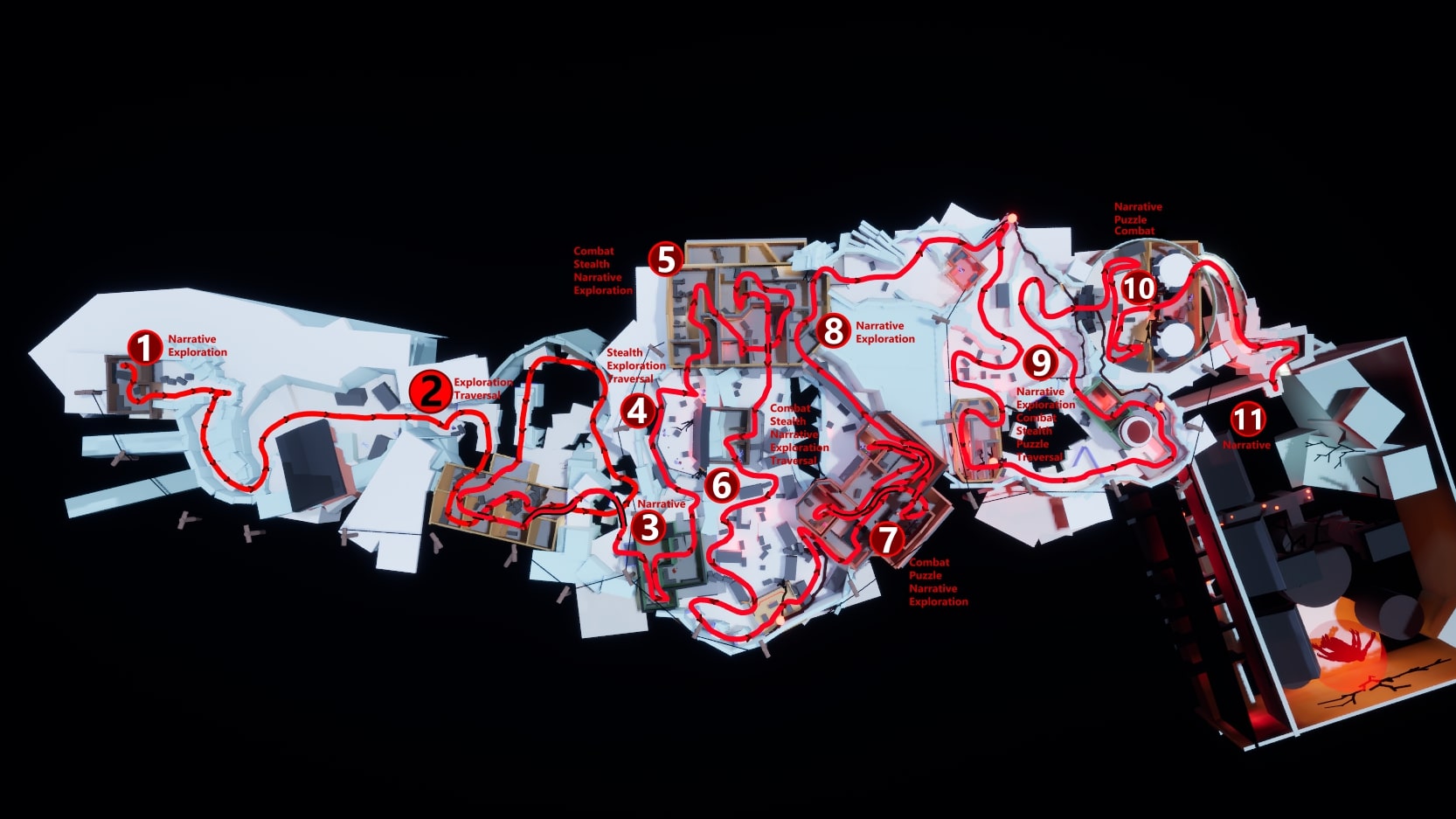
Beat 3: Supply Shed
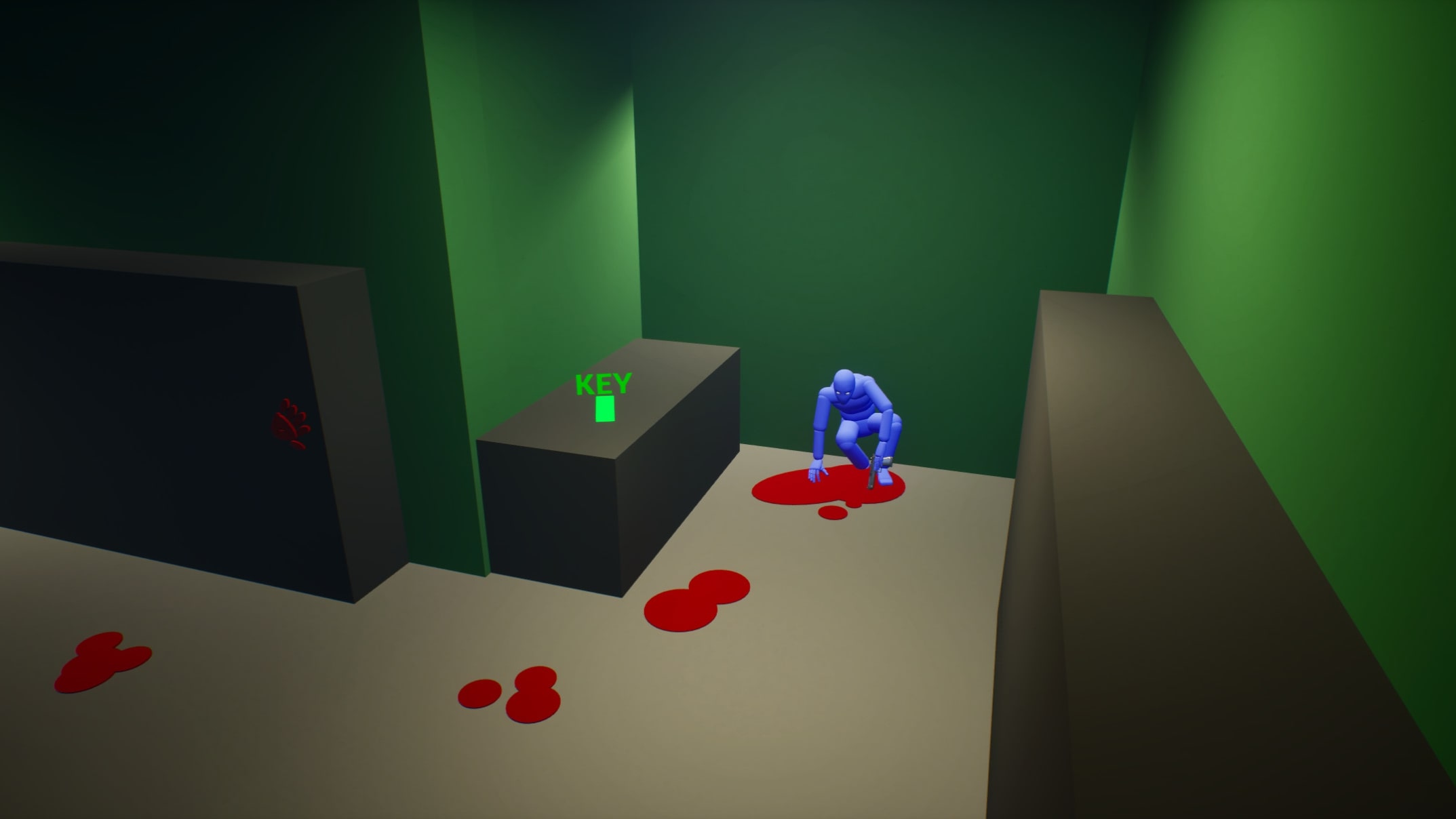
After exiting the collapse, the player enters the Supply Shed, where they discover the grim scene of a dying researcher. They give the player story narrative, a warning of enemies, and a key to move forward.
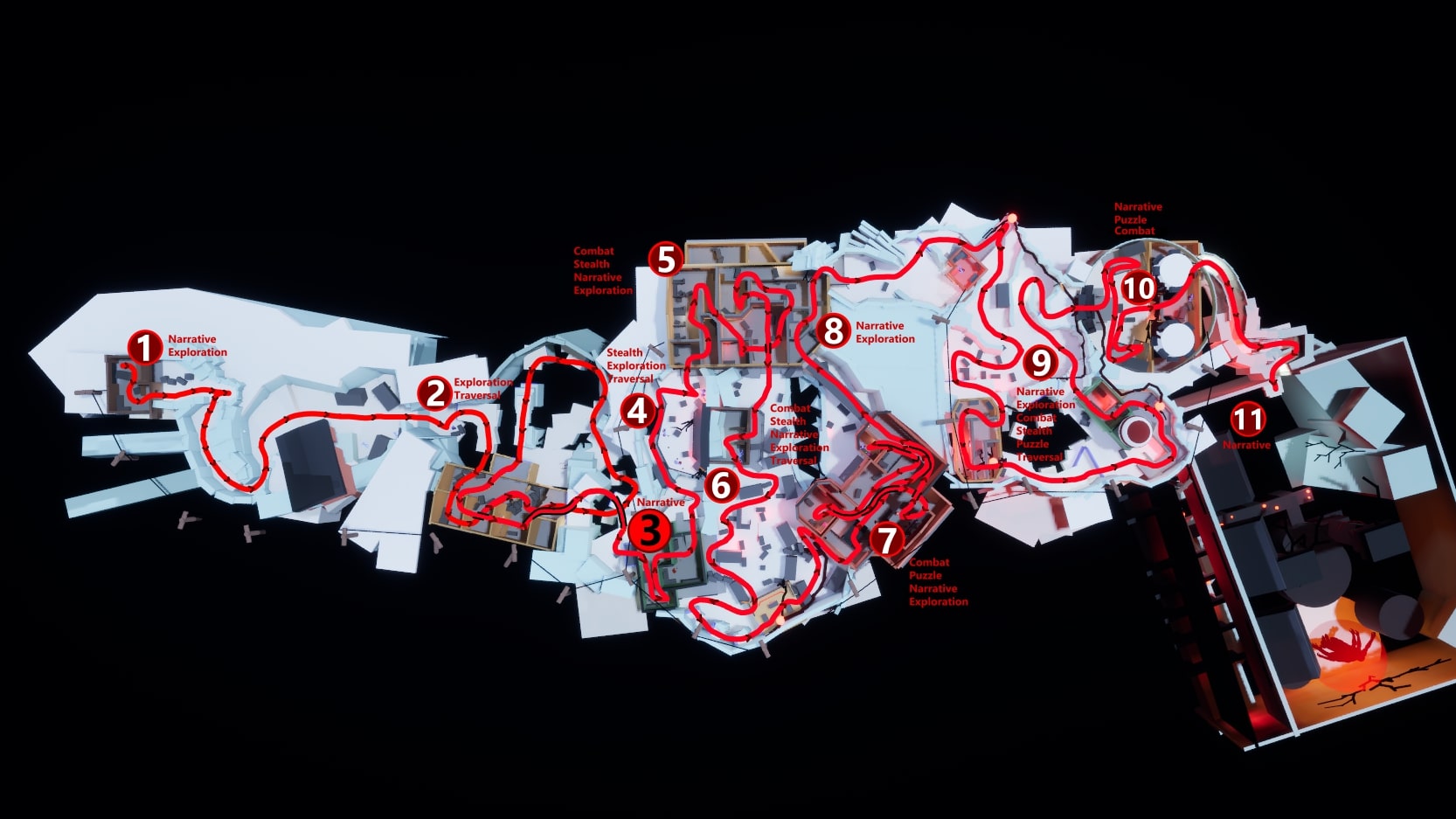
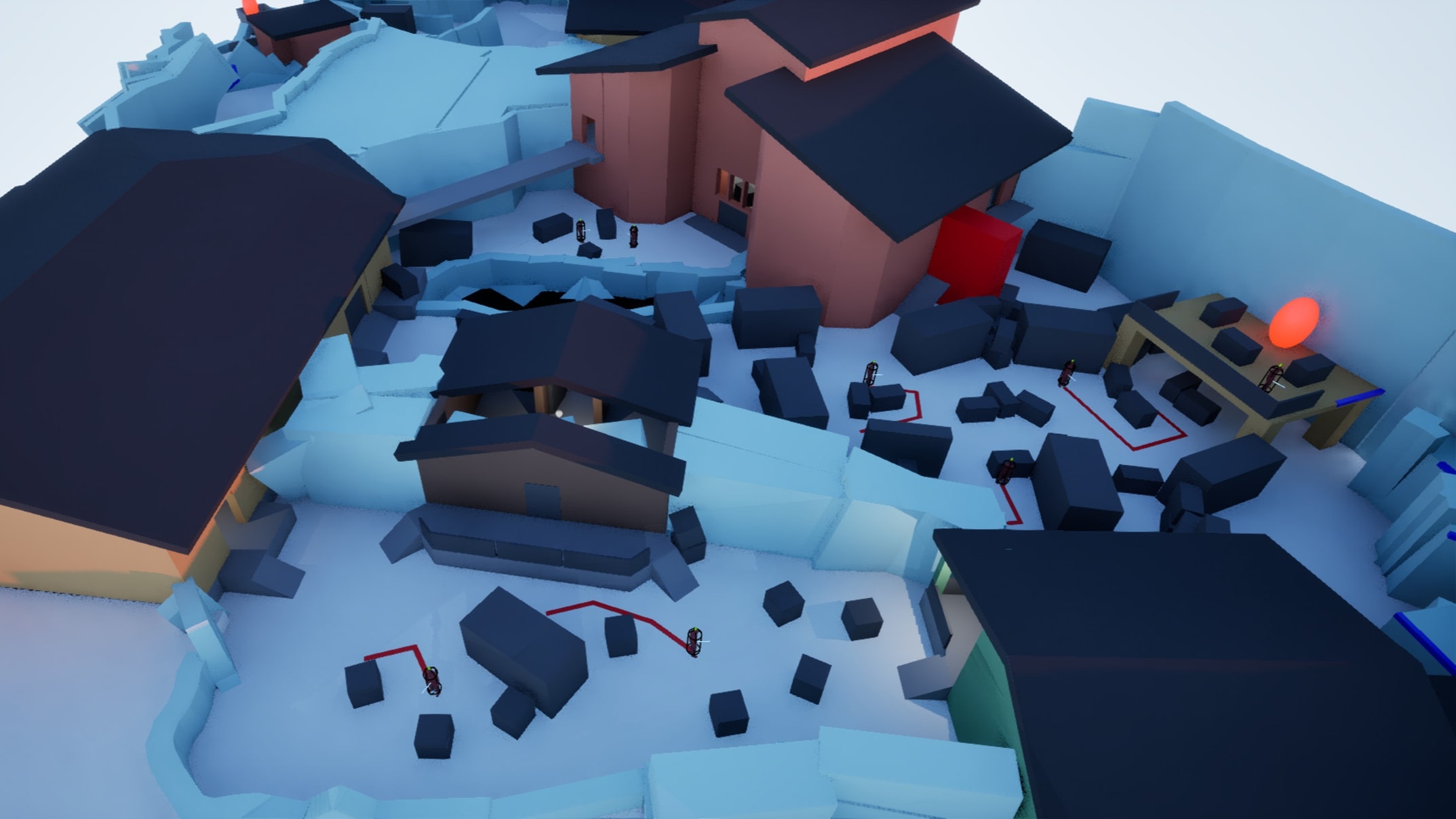
Beat 4: First Encounter
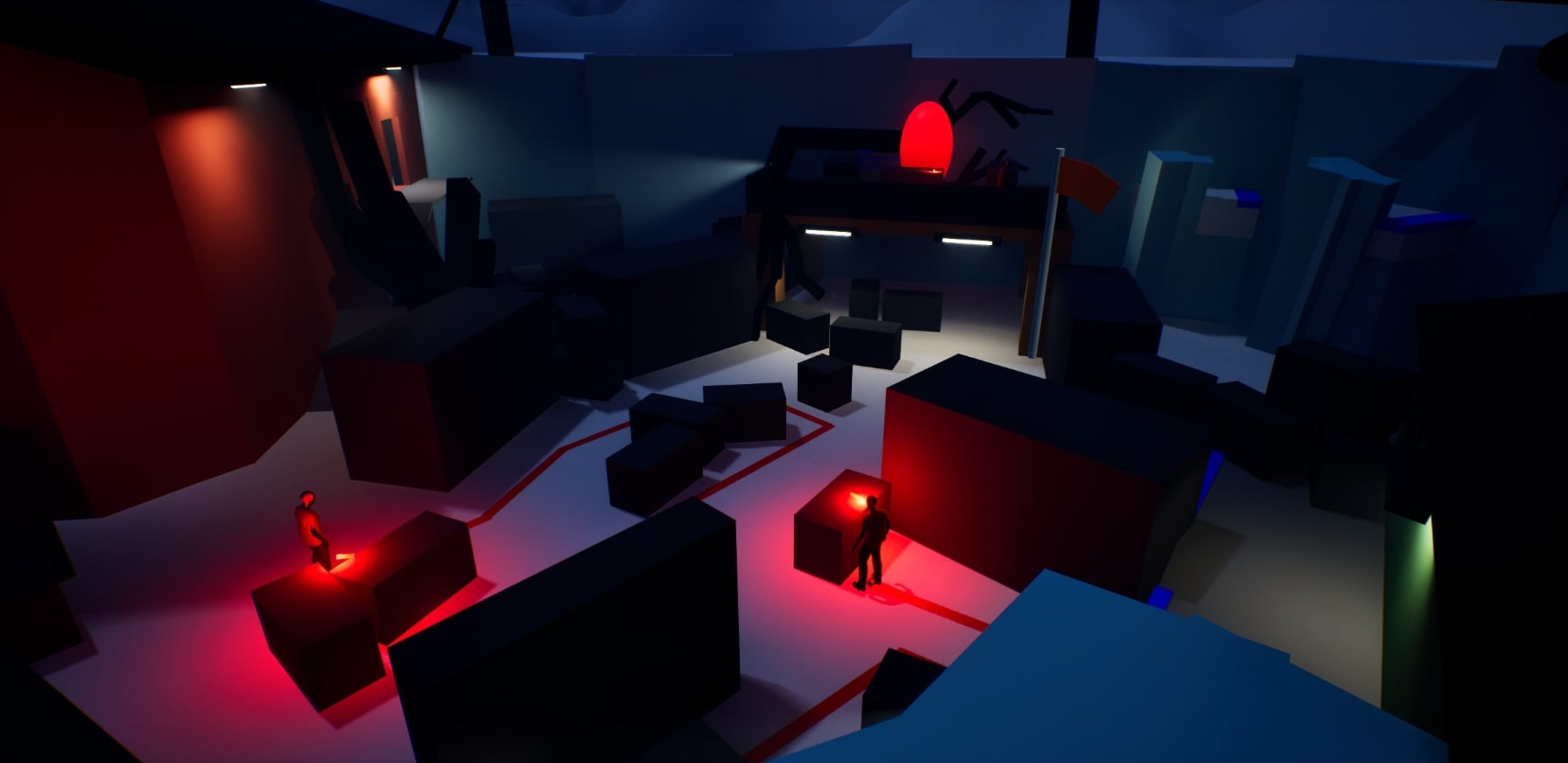
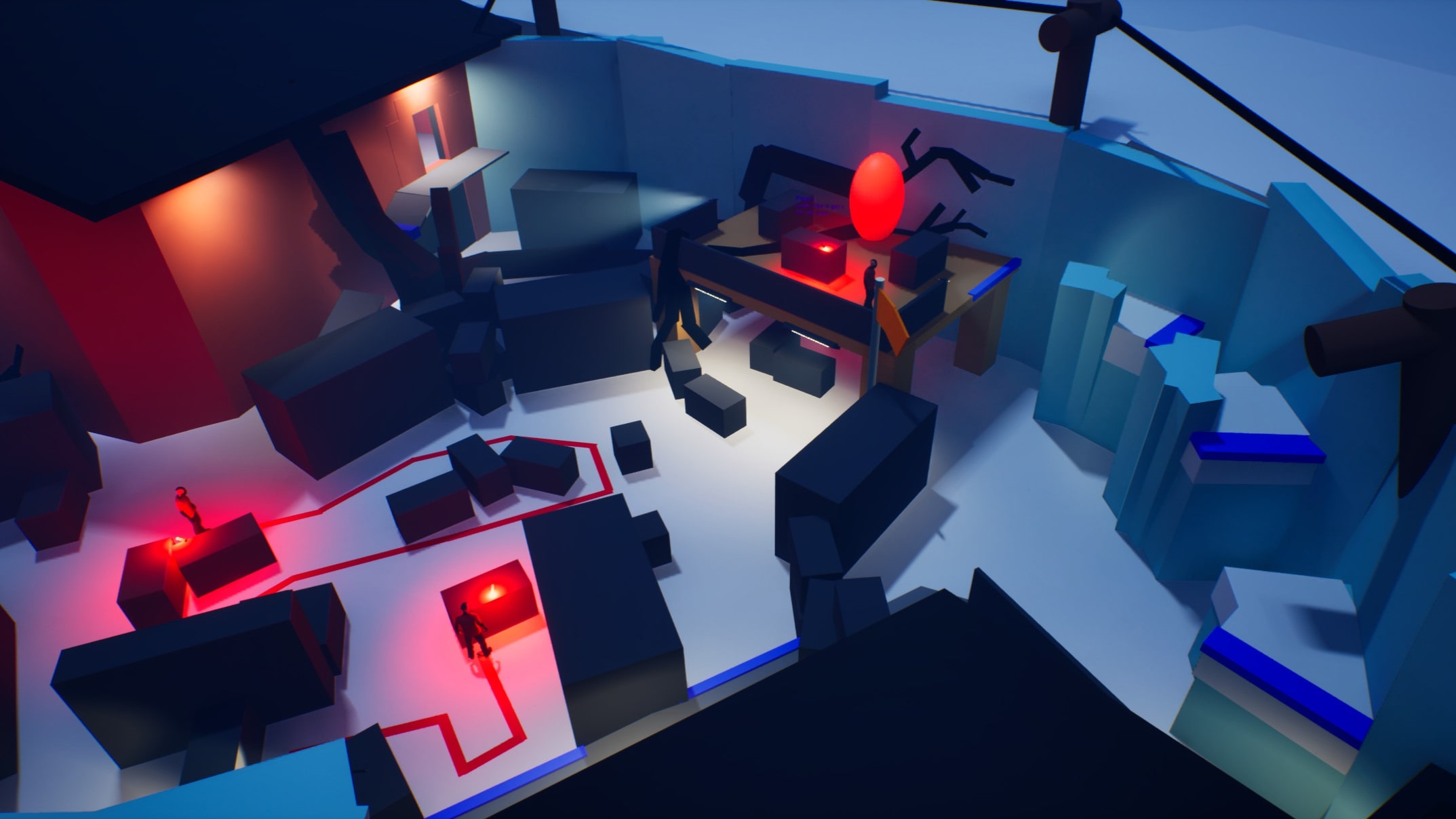
Outside the supply shed, the player spots a group of multiple corrupted researchers. Unseen, the player learns to sneak and traverse around them. Eventually, the player is left with just one to confront, and are prompted for a stealth kill.
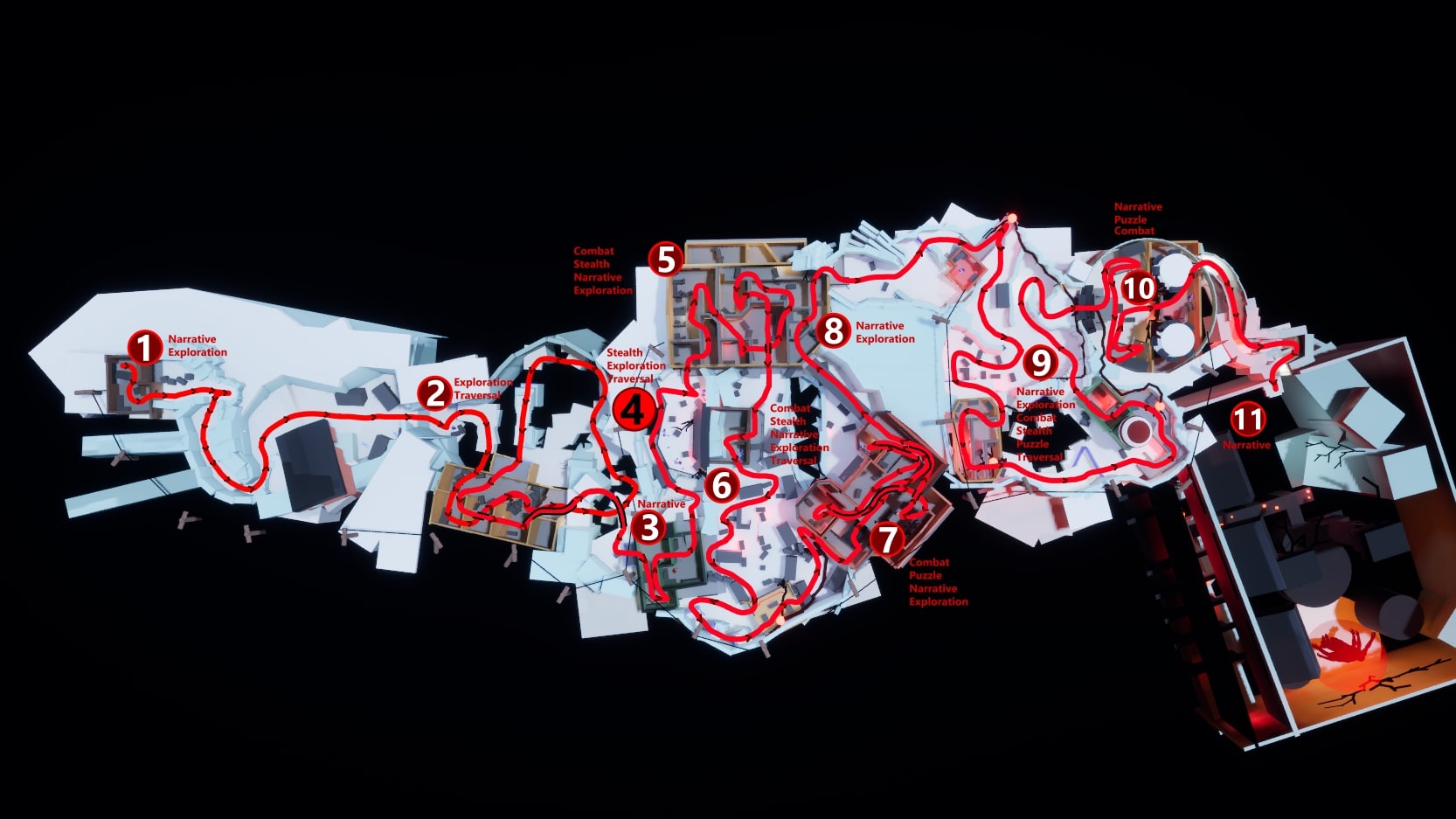
Beat 5: Main Building
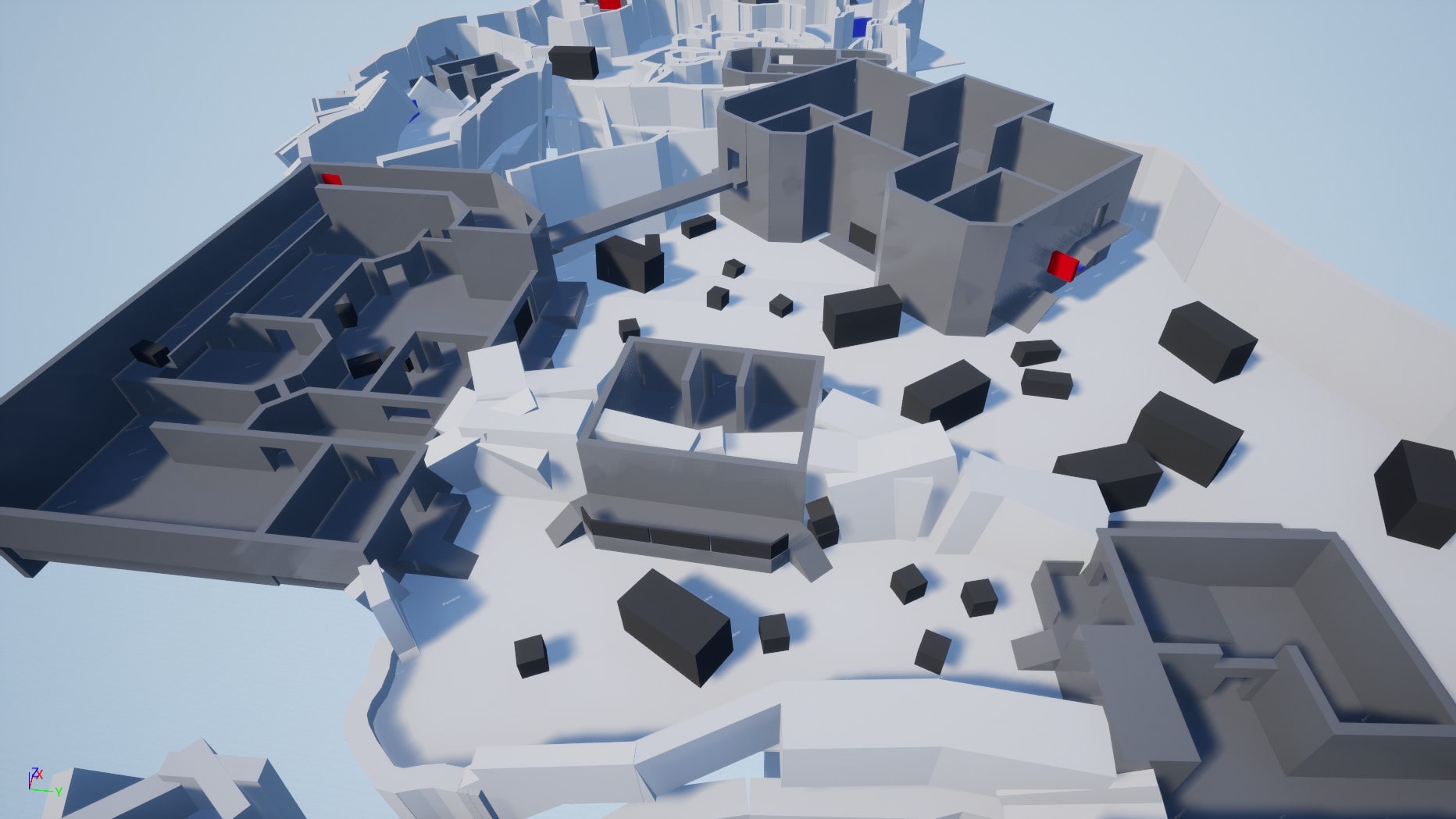
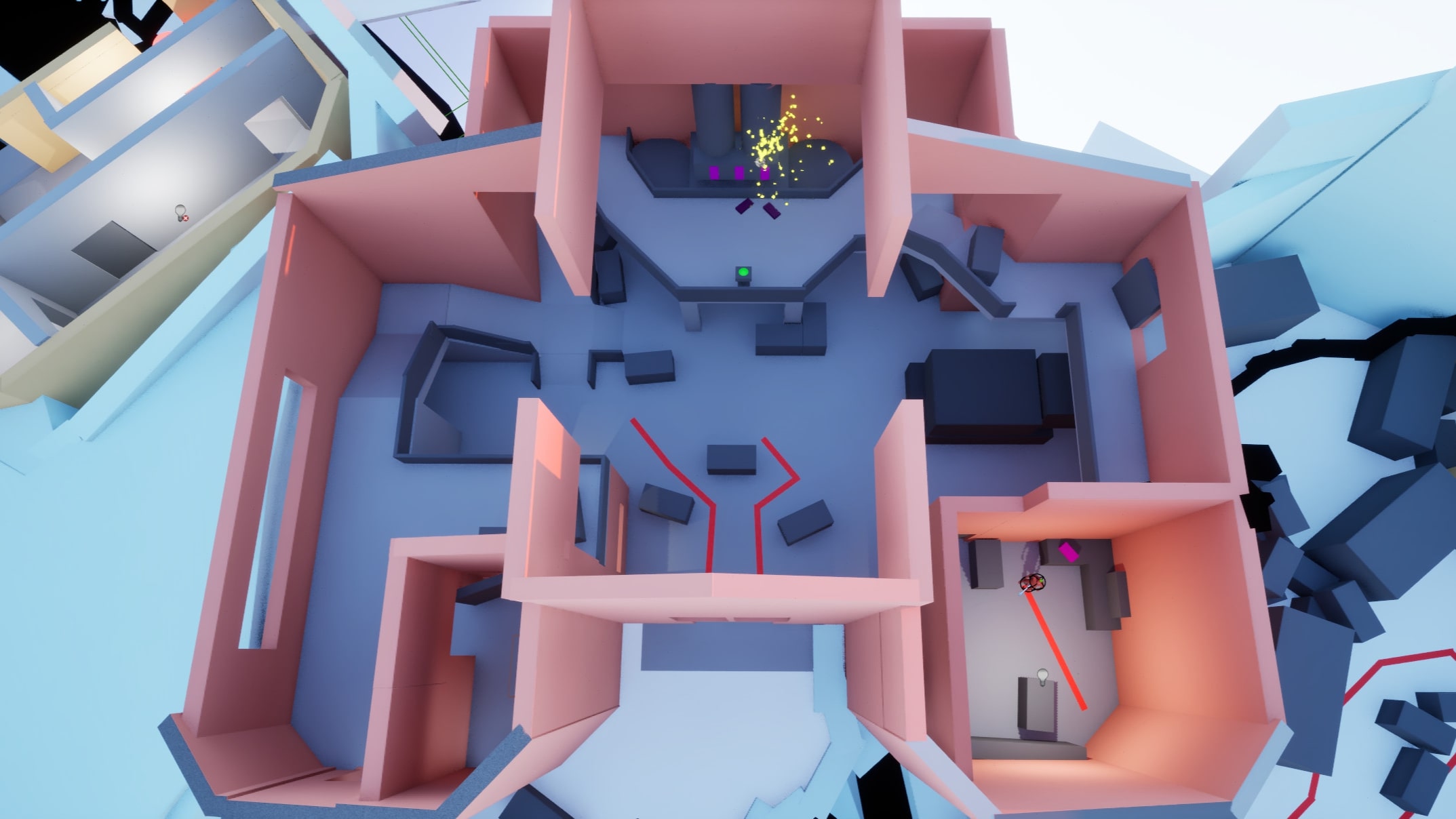
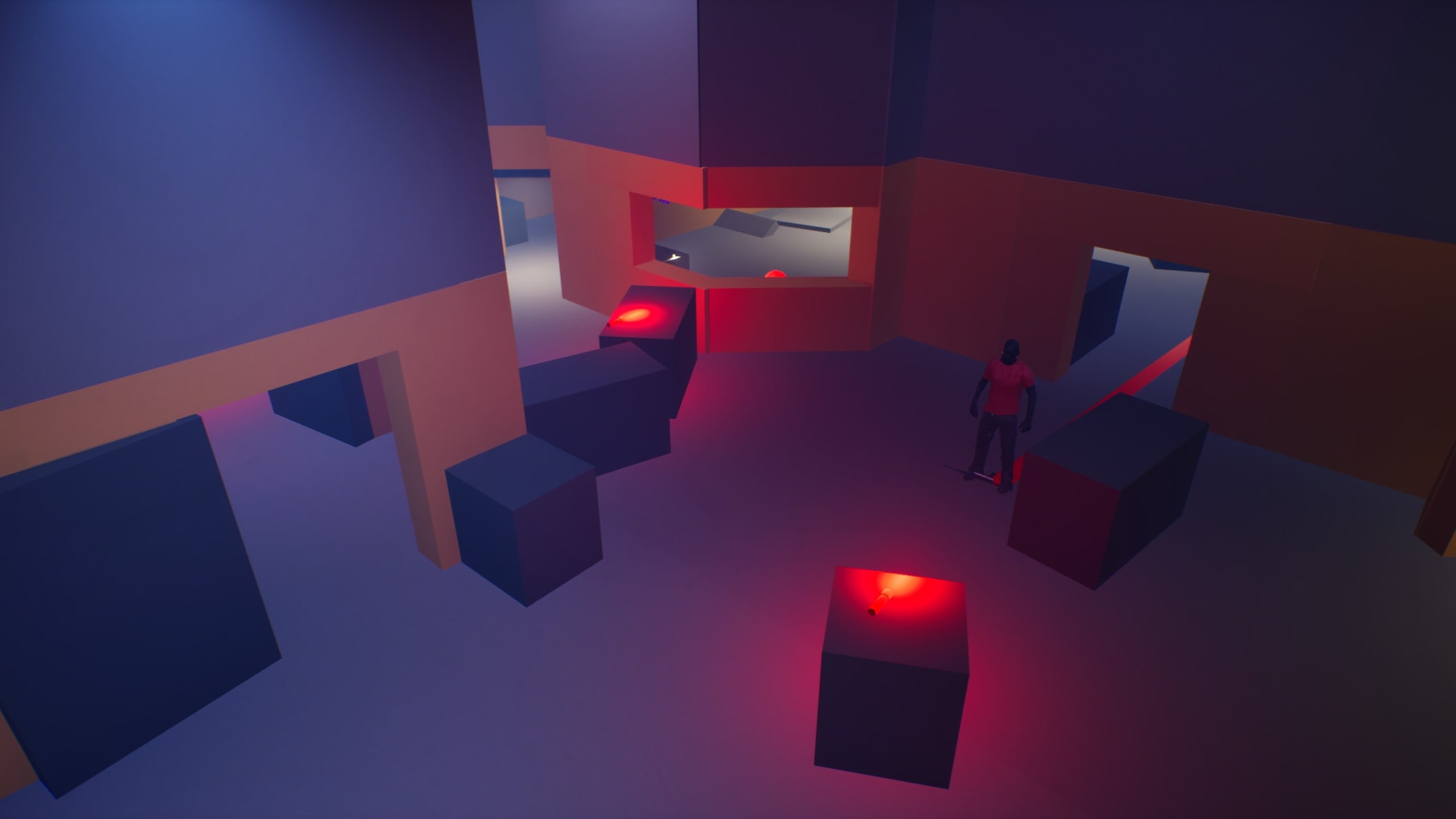
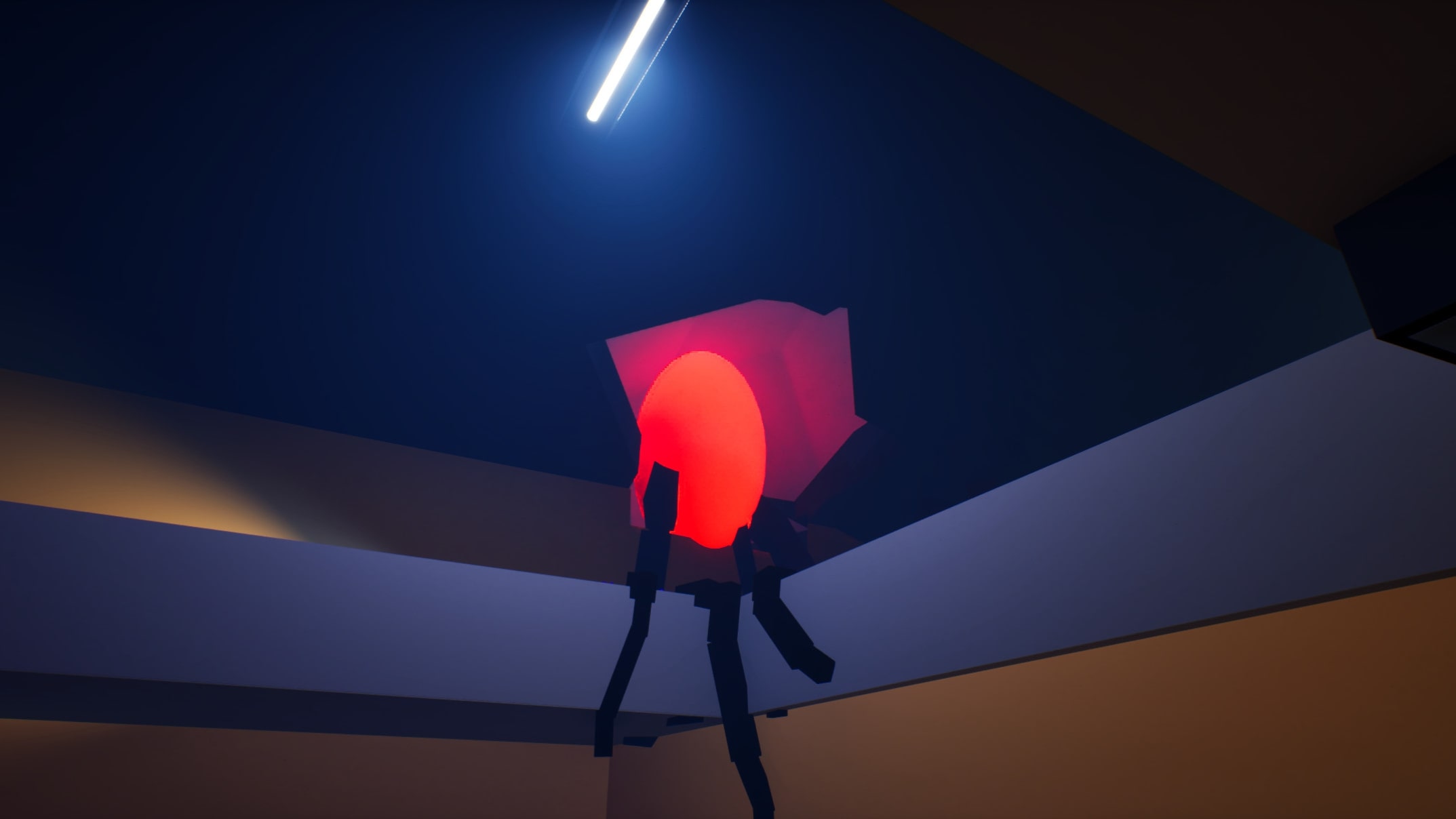
The player makes it into the main building, but quickly learns it isn’t safe. After being spotted by a corrupted, they are forced into direct combat. Players must find a way out, learning the upstairs is inaccessible, a flamethrower is in another building, and the power is not working properly. After spotting a pod for the first time, the player eventually uses a terminal to open the front door shutters.
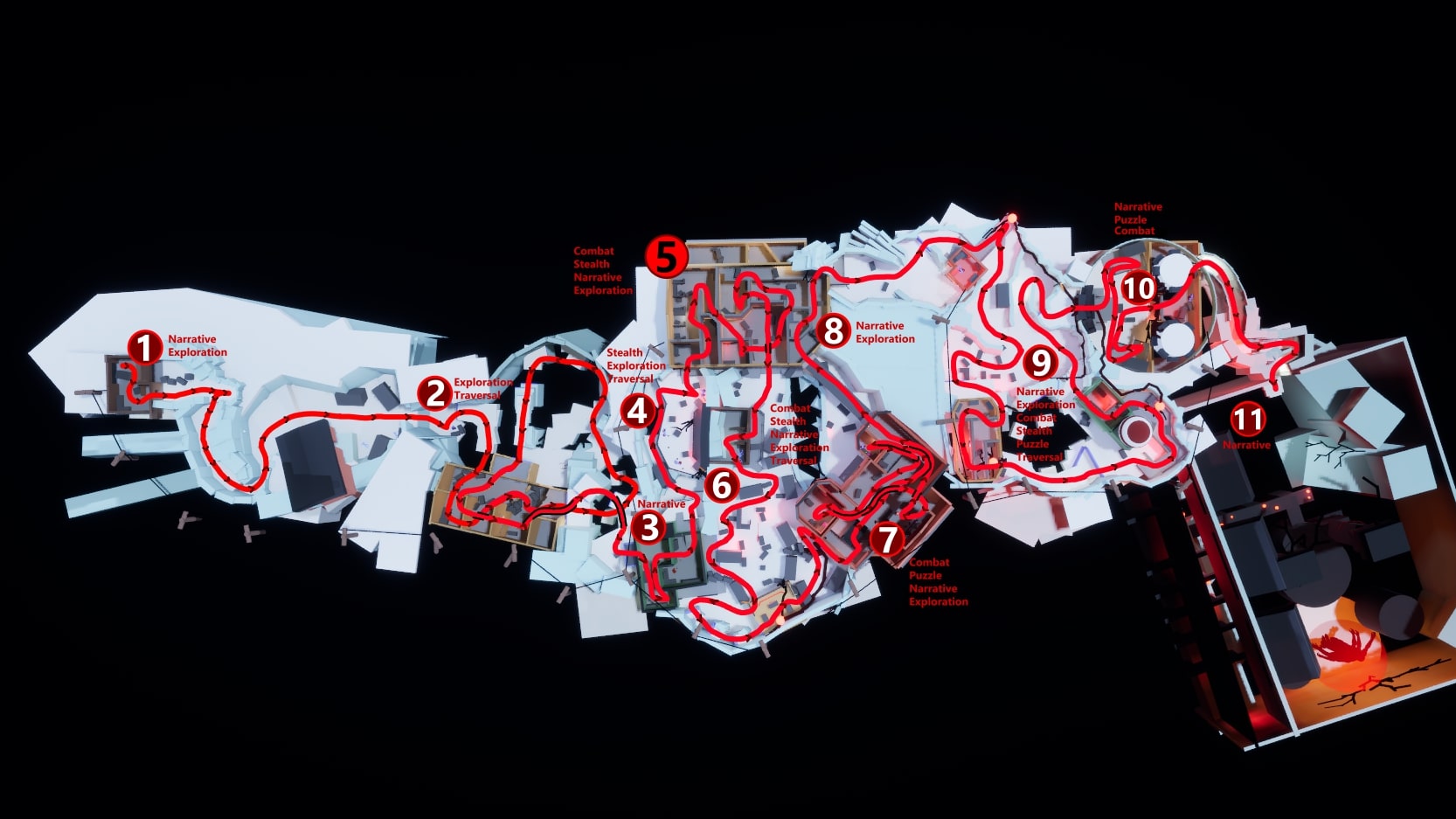
Beat 6: The Courtyard
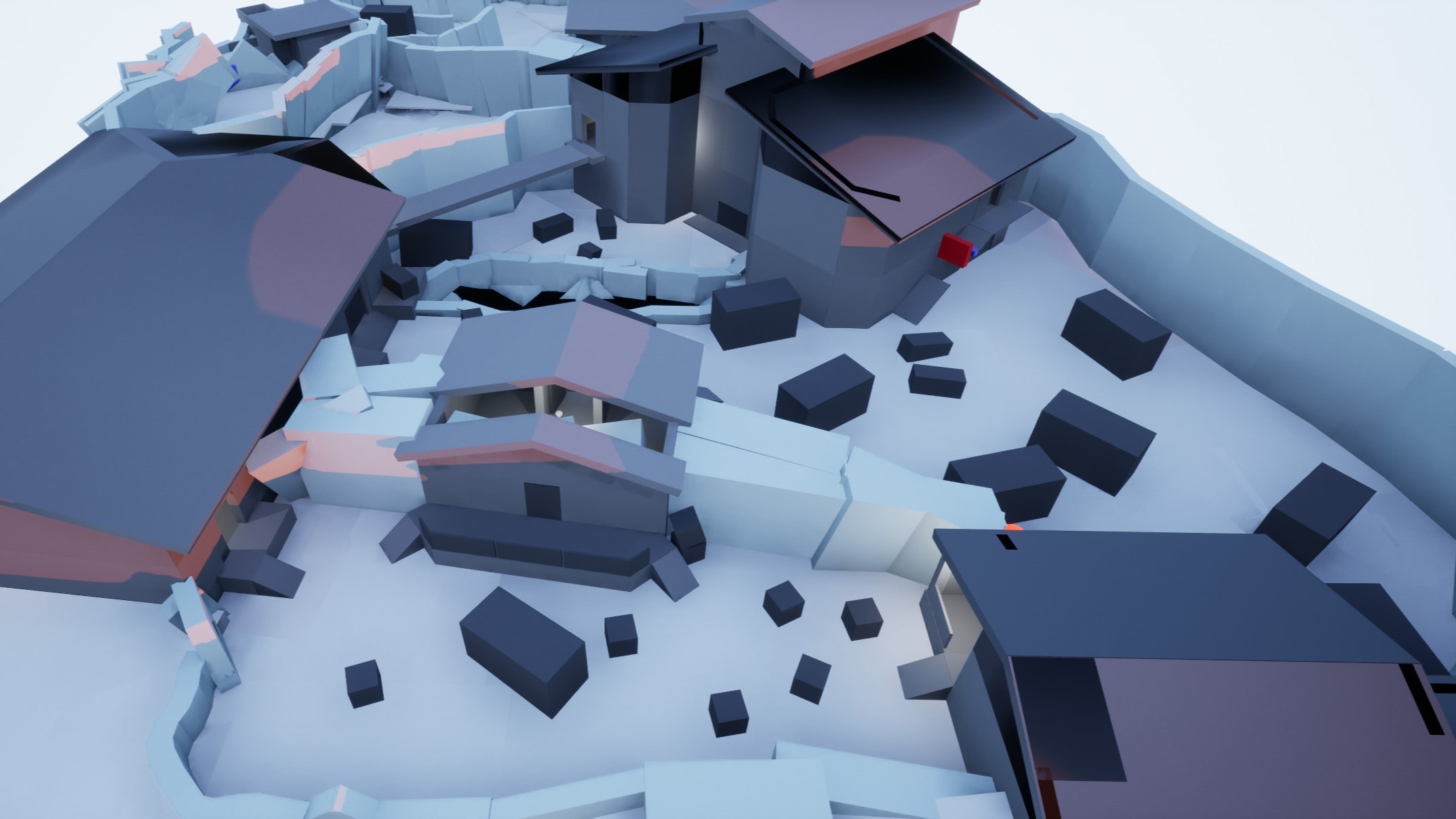
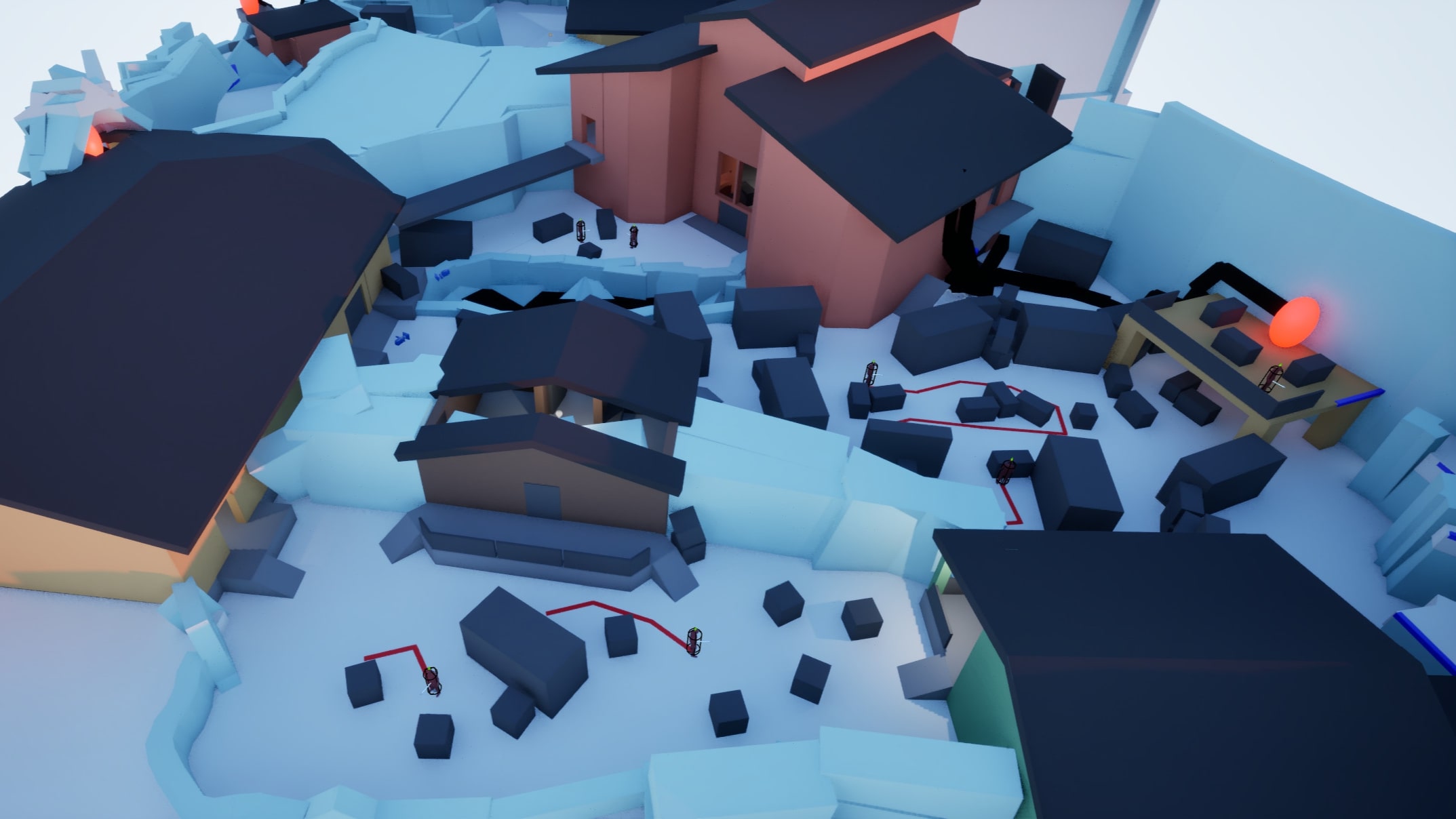
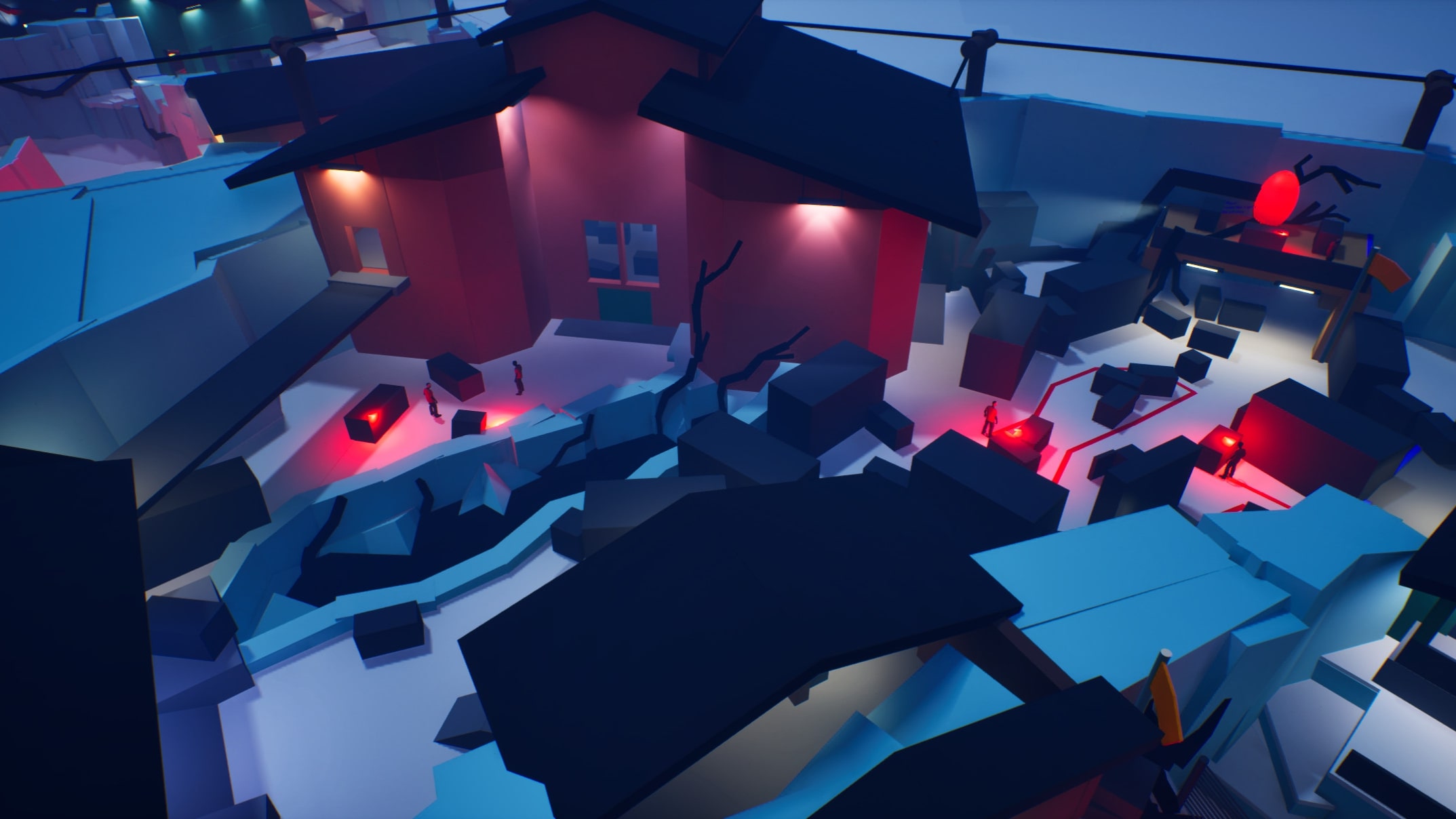
Upon leaving the main building, the shutters fall behind the player, and they spot the bridge from the garage to the second floor of the main building retracting, as the generator shorts out. The player gets the flamethrower, and progresses by sneaking or killing further corrupted. Burning a pod, a path opens up, allowing the player to climb to the second floor of the garage.
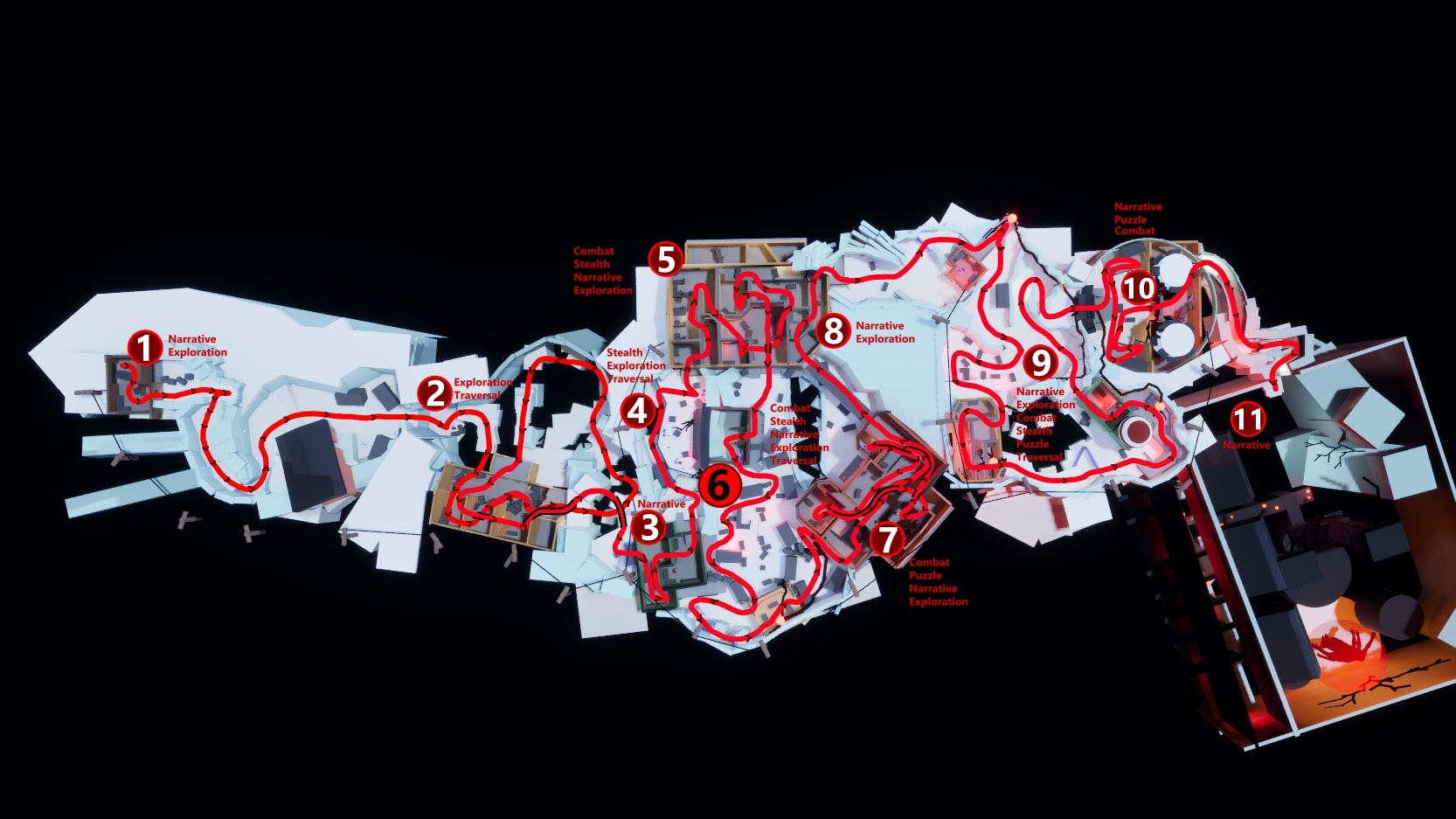
Beat 7: Garage & Generator
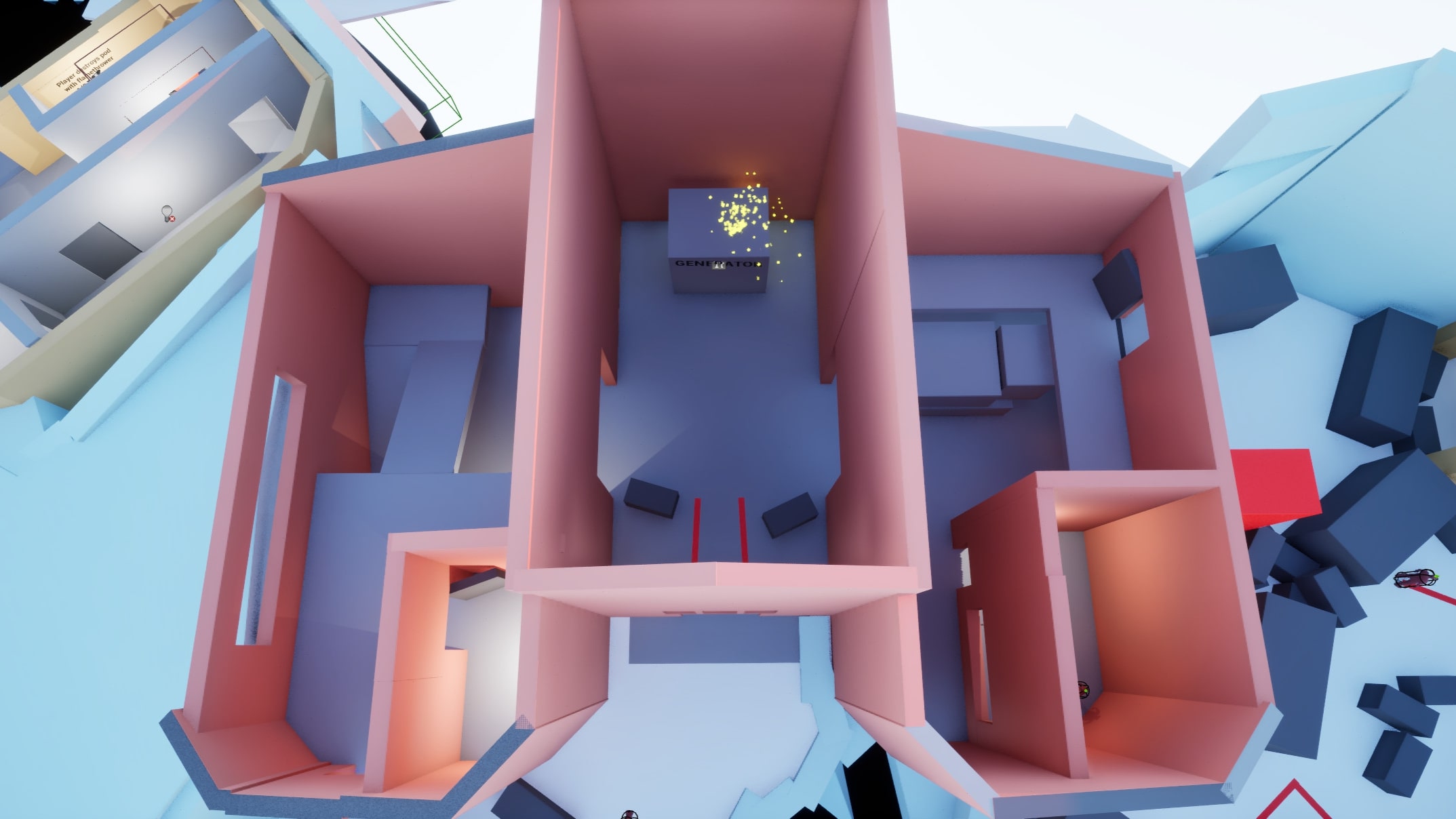
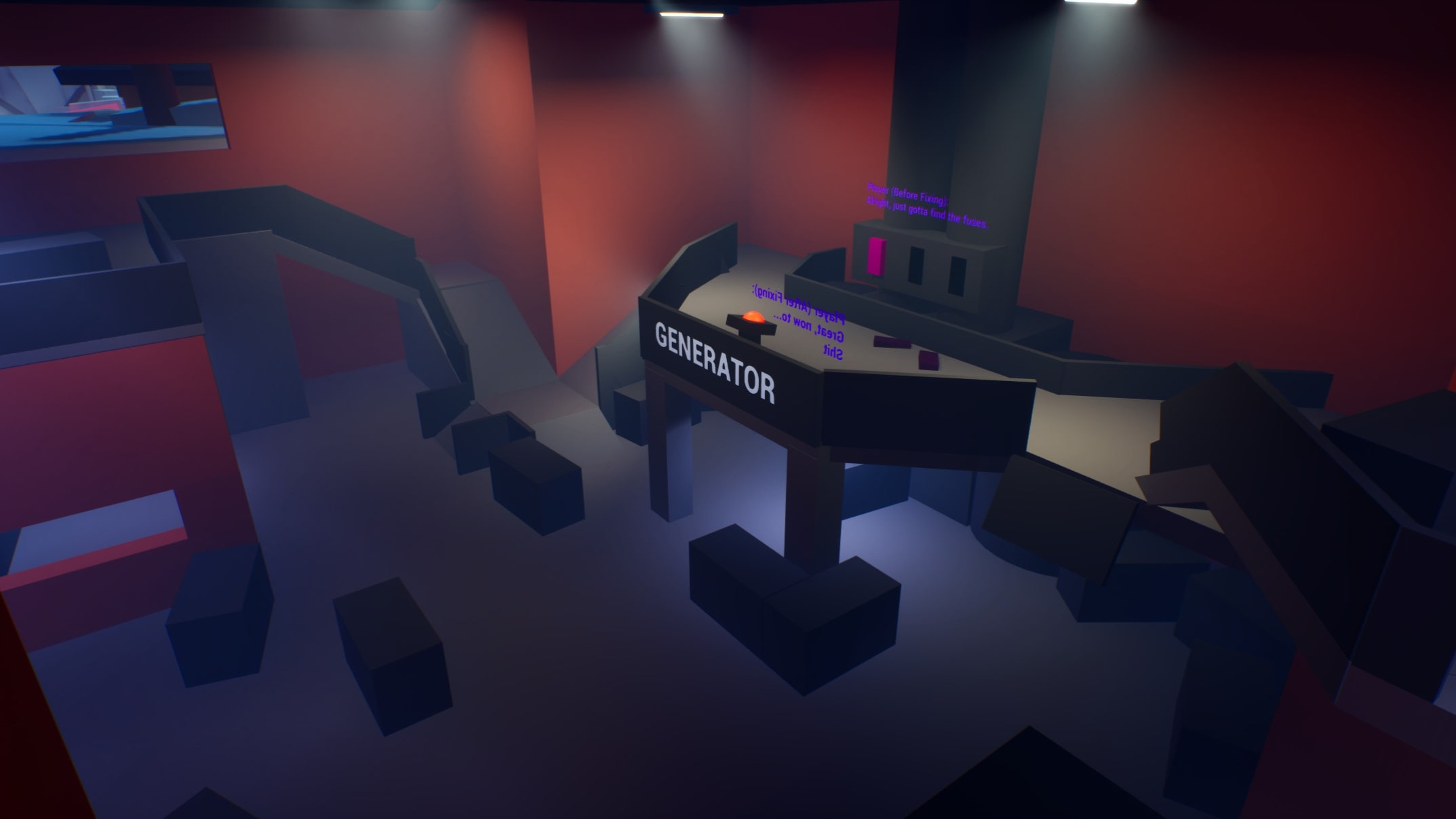
Inside the garage, the player must get the power working properly again. The player discovers that they must replace fuses to fix the generator. The first is found on a dead body, with a note hinting to the other, guarded by a corrupted. After getting the power working, multiple enemies rush in, and the player is chased to the bridge, where they must hold off enemies while the bridge extends.
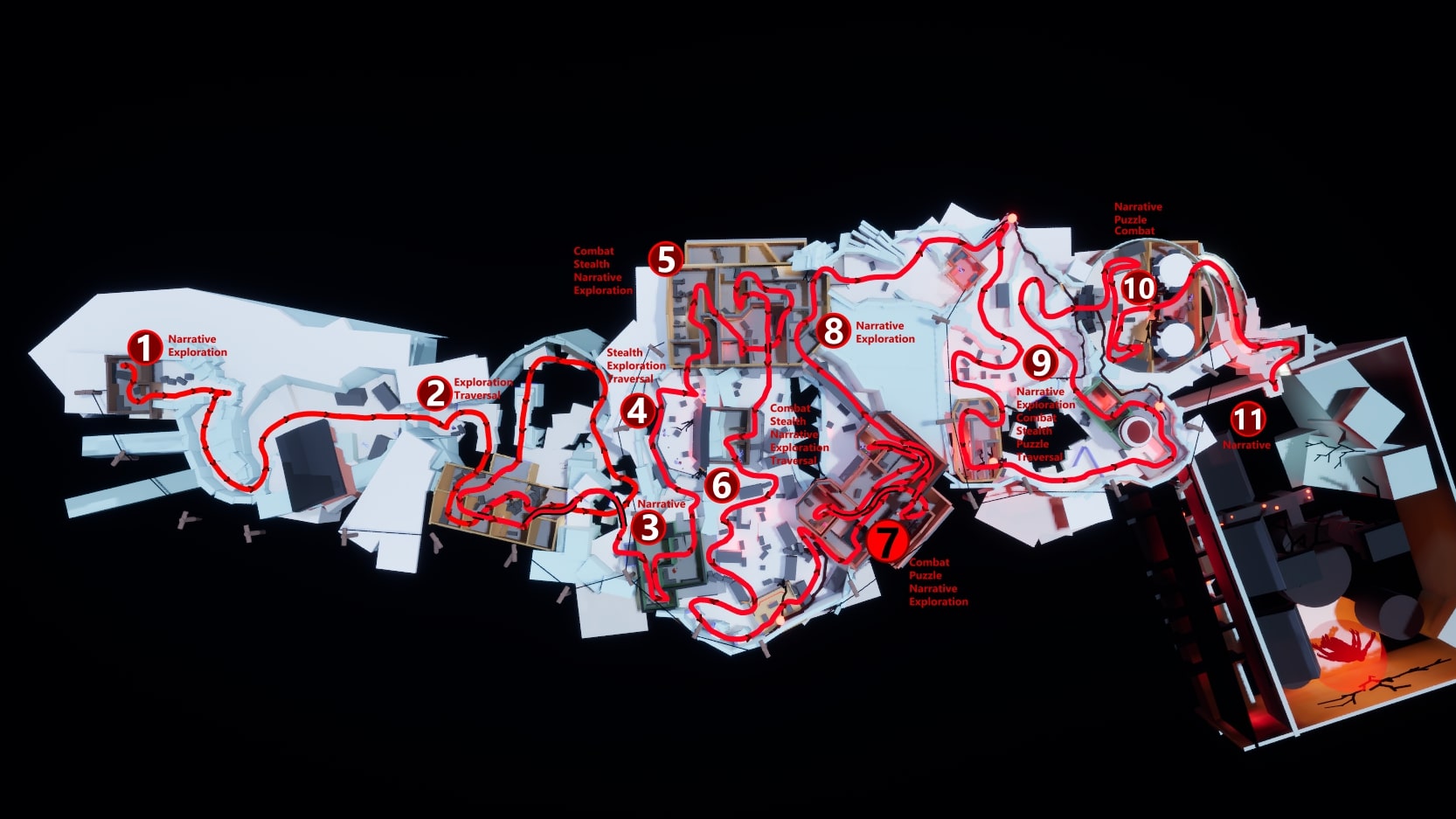
Beat 8: Second Floor
A pace break after all the combat, the player crosses the bridge into the second story of the main building. They progress through a hall and room, and make it back to the first pod they found. After burning the pod, and reading a narrative note, the player makes it outside, towards the drill site exterior.
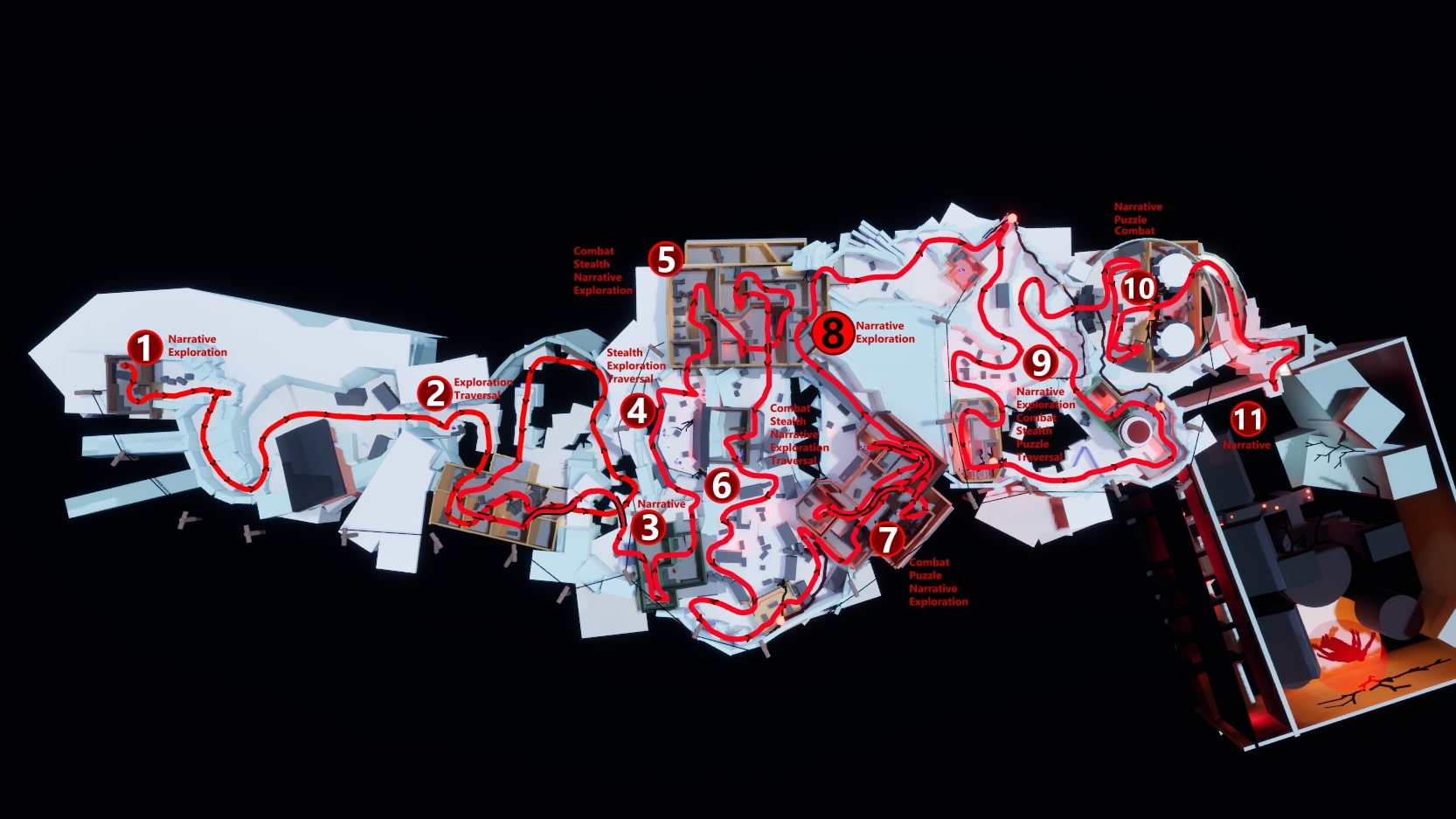
Beat 9: Drill Site Approach
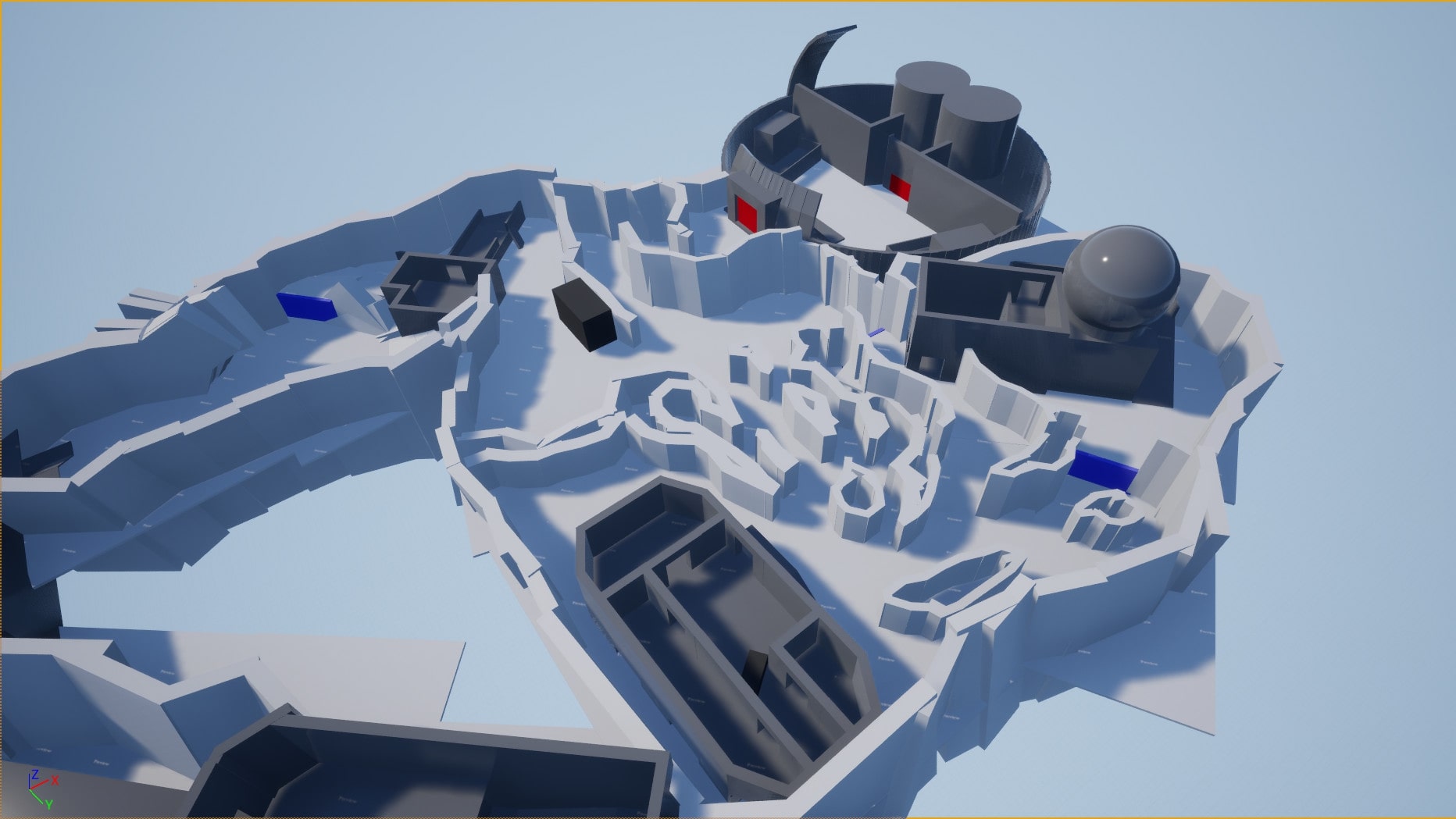
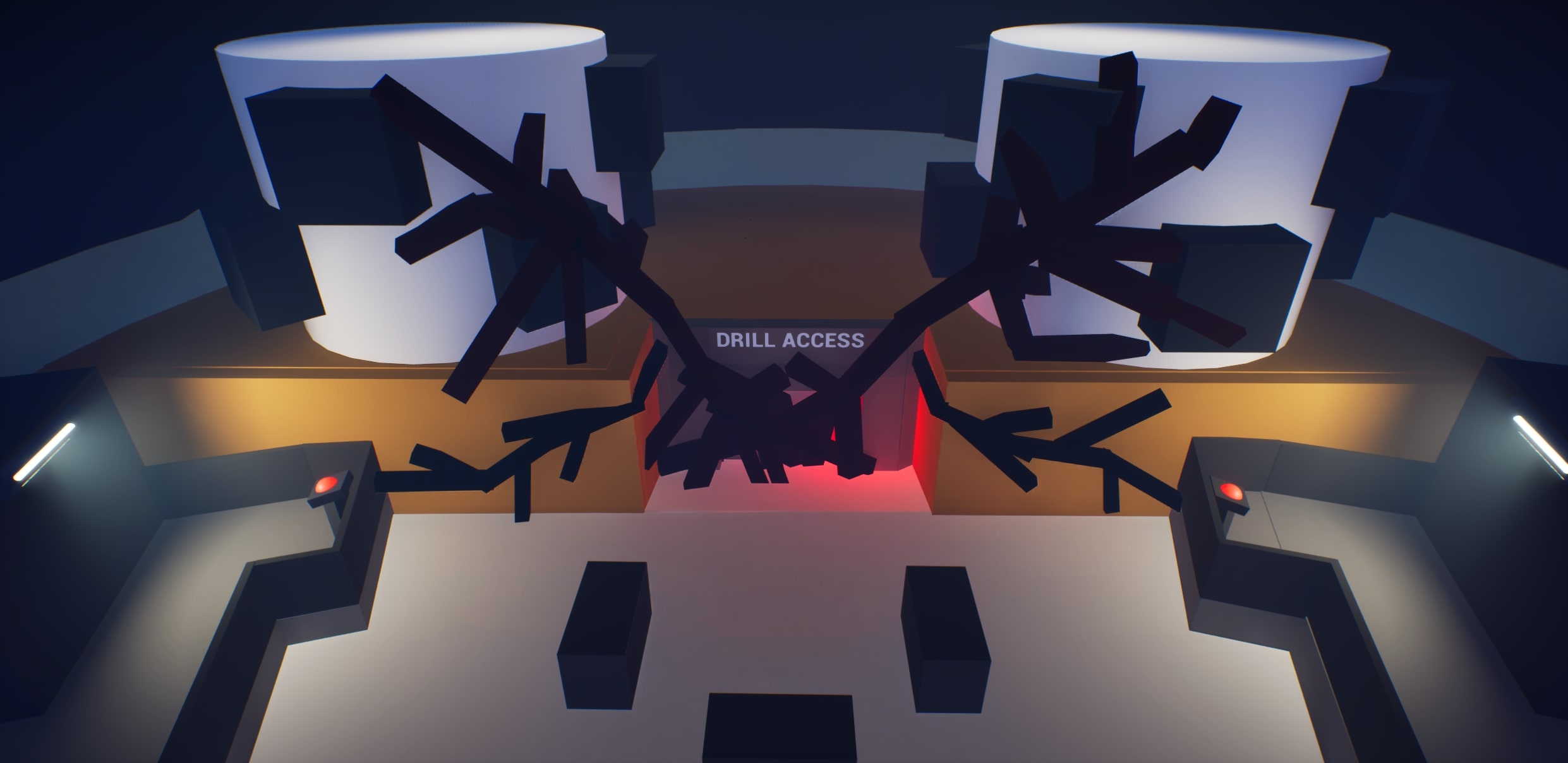
The player discovers that the entrance to the drill site is blocked by multiple sets of pod tendrils. They must burn 3 pods to open the door, progressing through a boathouse, radar station, and research lab. With combat, traversal, and stealth, the player must use everything they have learned so far.
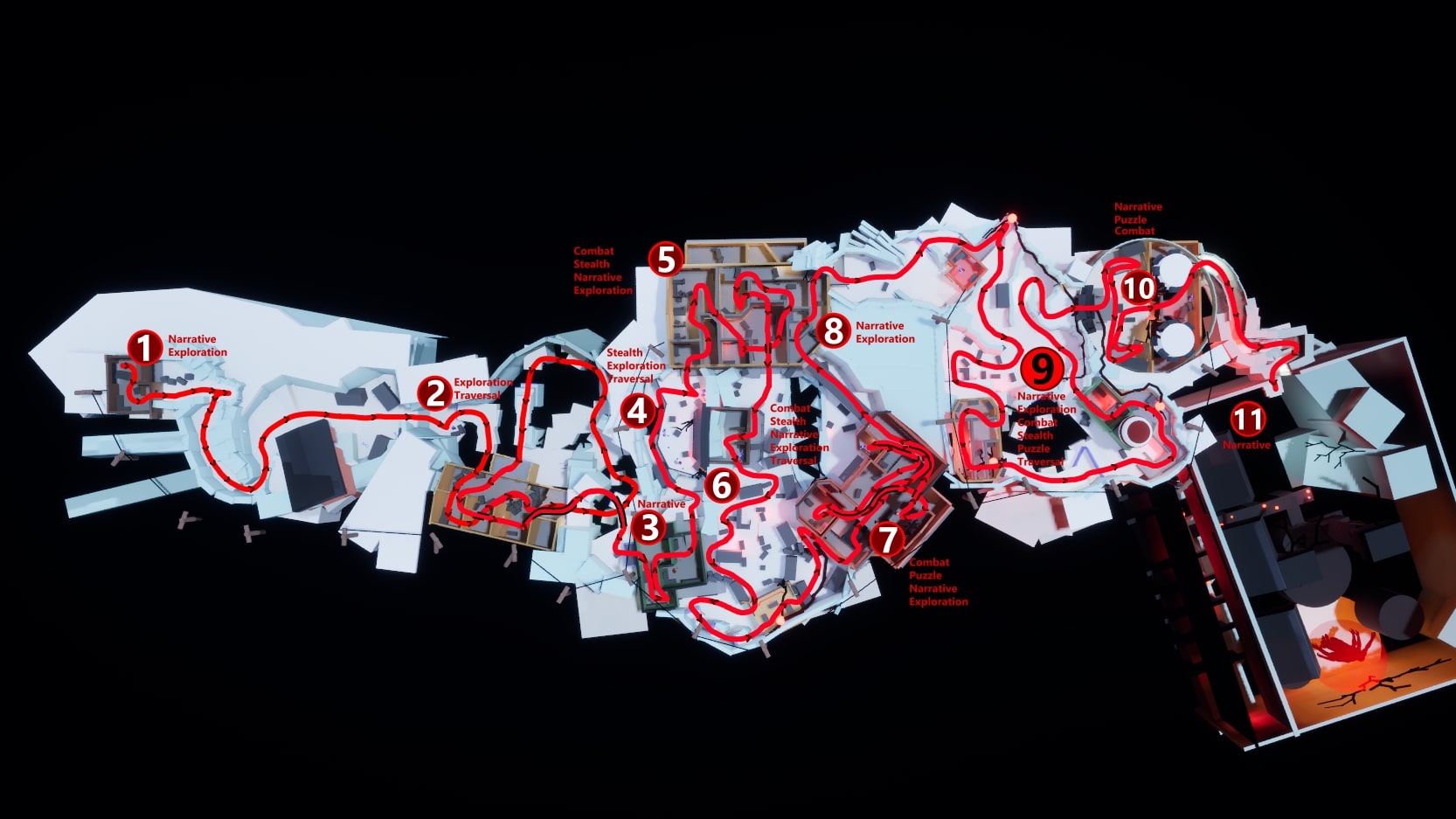
Beat 10: Drill Site Interior
The final objective is to make it into the end chamber through the drill site, to discover the cause of the corruption. The path is blocked by tendrils that are attached to the disabled drills. The player must combat waves of enemies as they activate the drills to open the path.
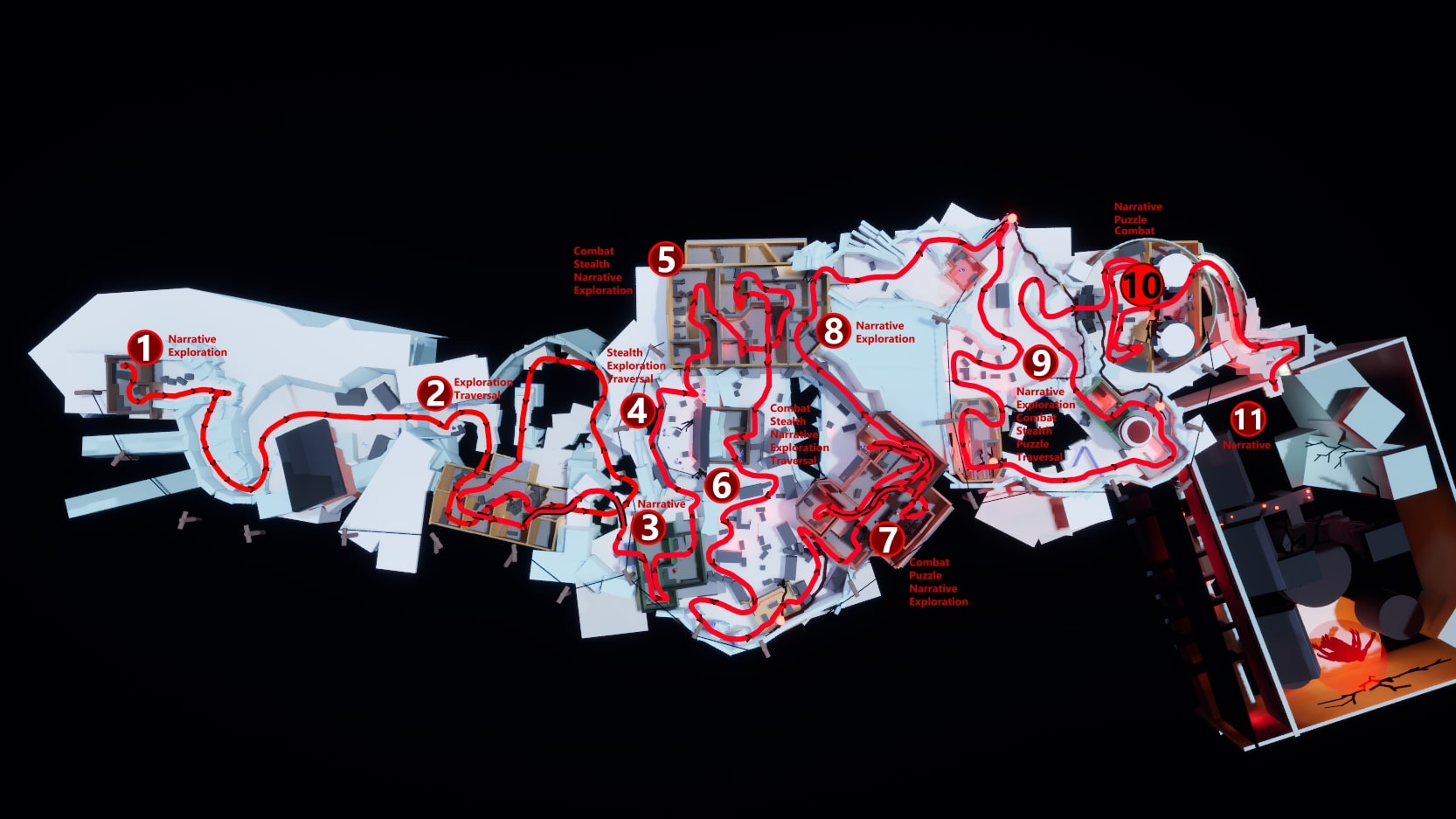
Beat 11: Corrupted Tomb
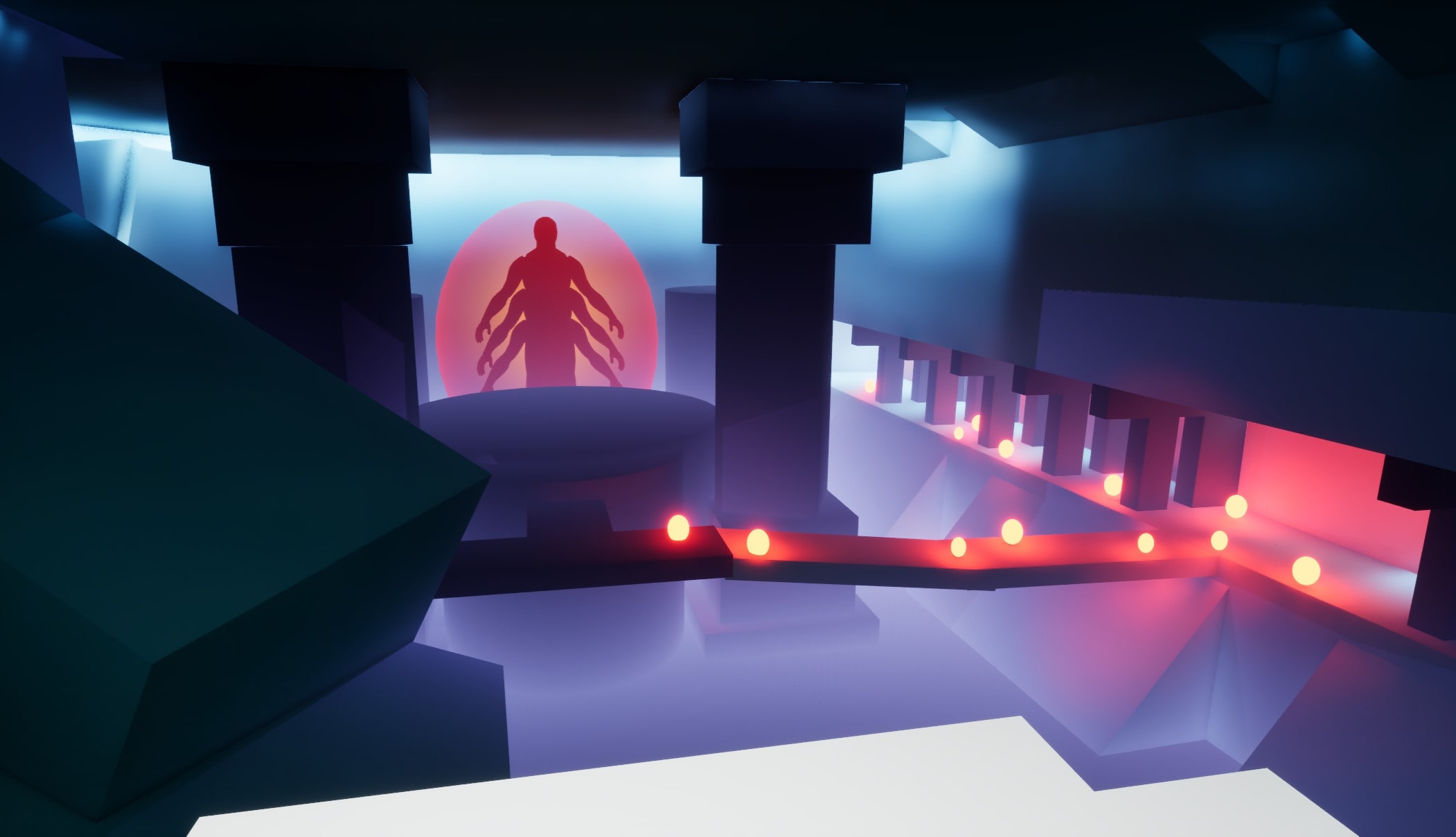
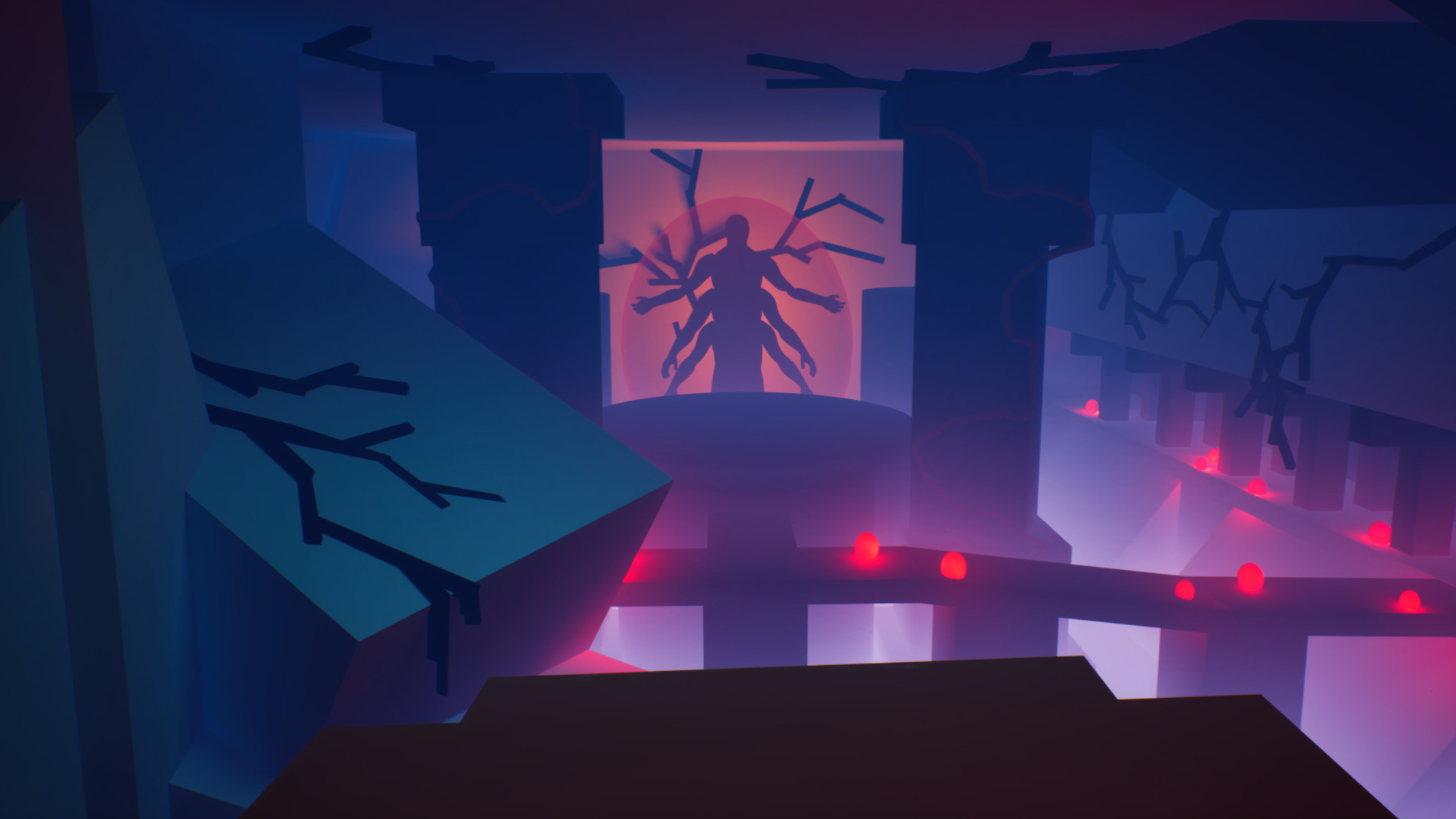
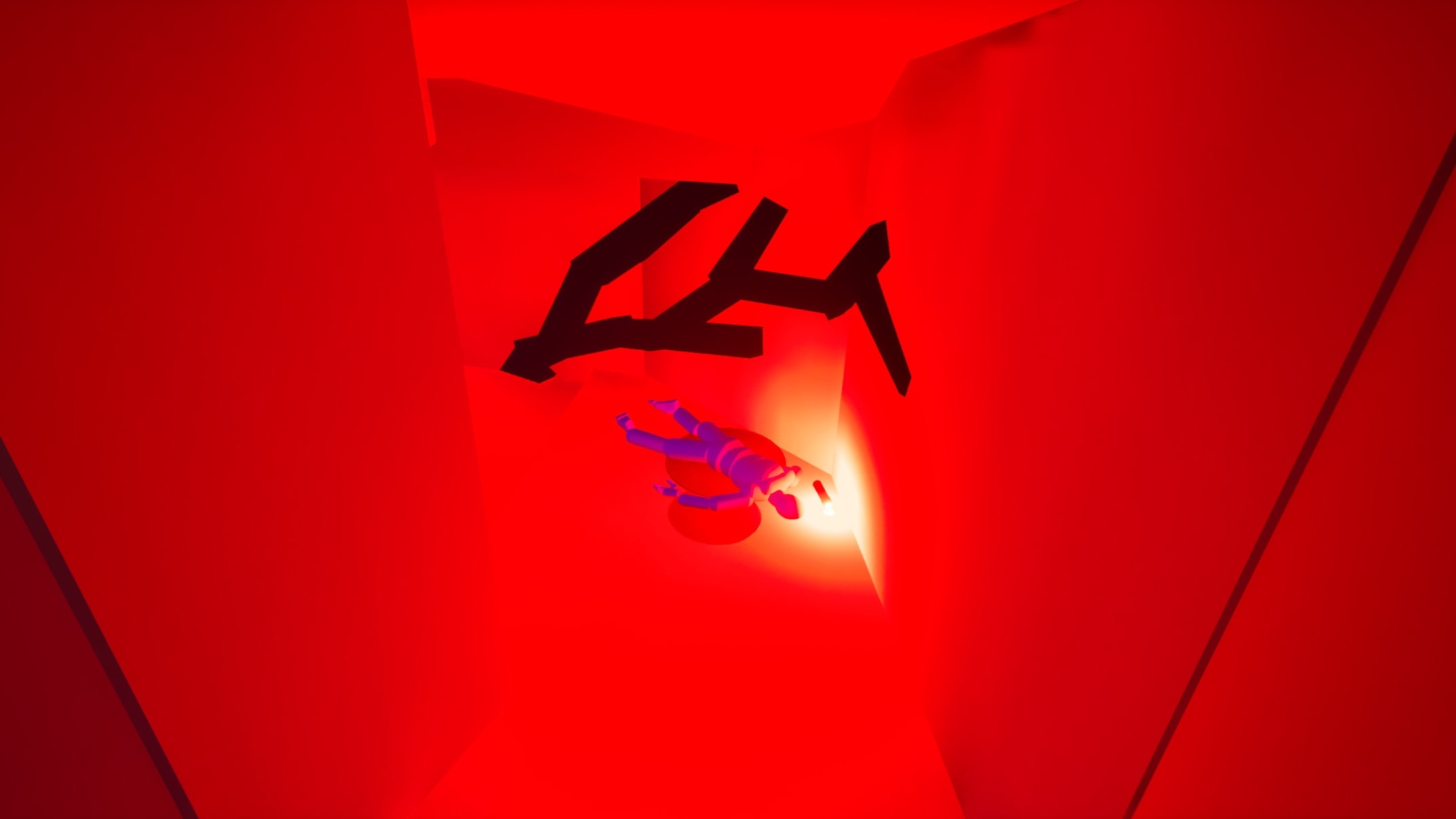
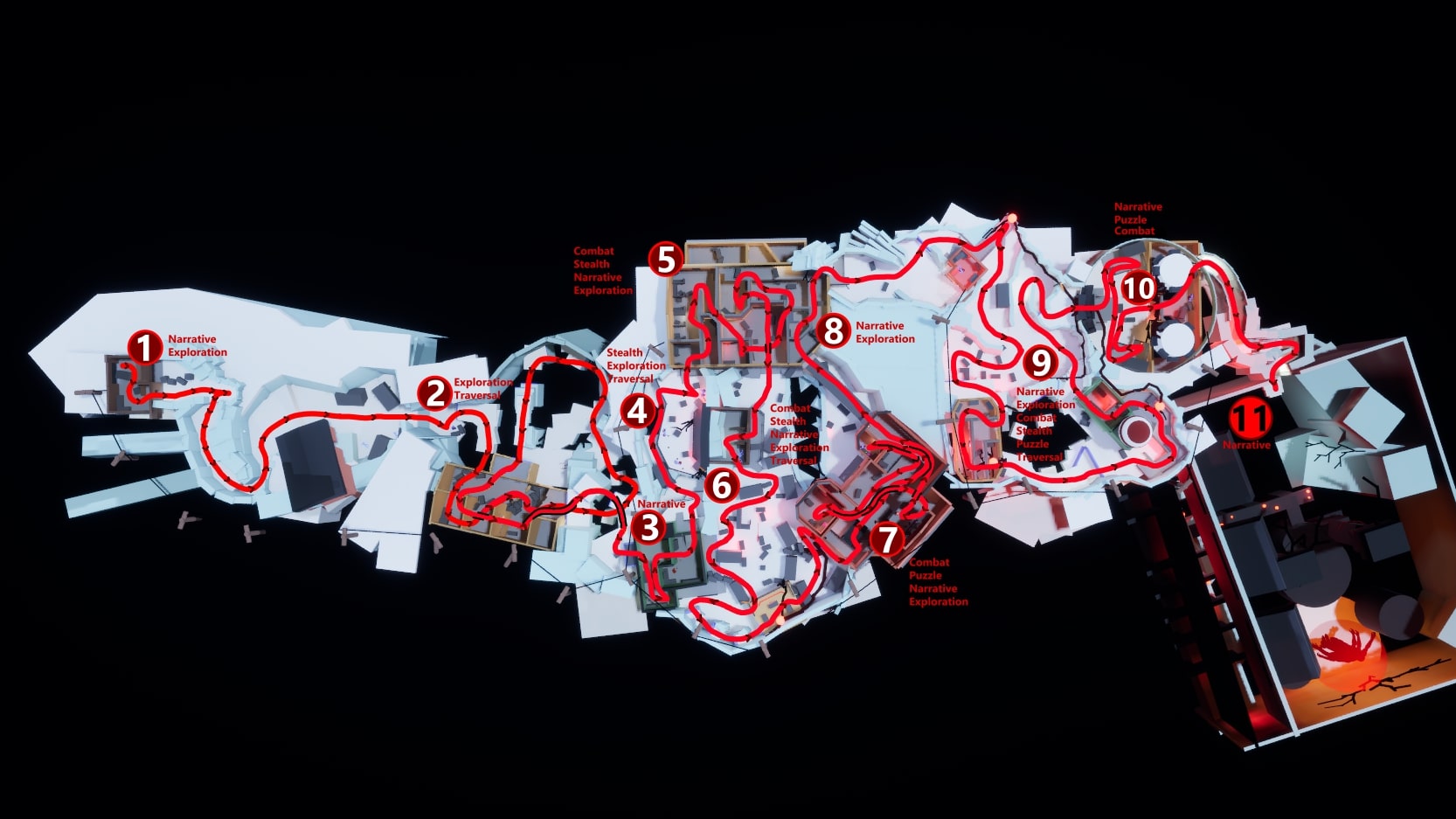
Finally, the player has completed all objectives of the level. They must now delve deep into the tunnels under the outpost, and discover the root cause of what happened. Passing by dead soldiers, with the corruption spreading on the walls, a grand vista reveals the main enemy, and its massive tomb where the player would go next.
Process Breakdown
Overview
1. Research, Ideation & Planning
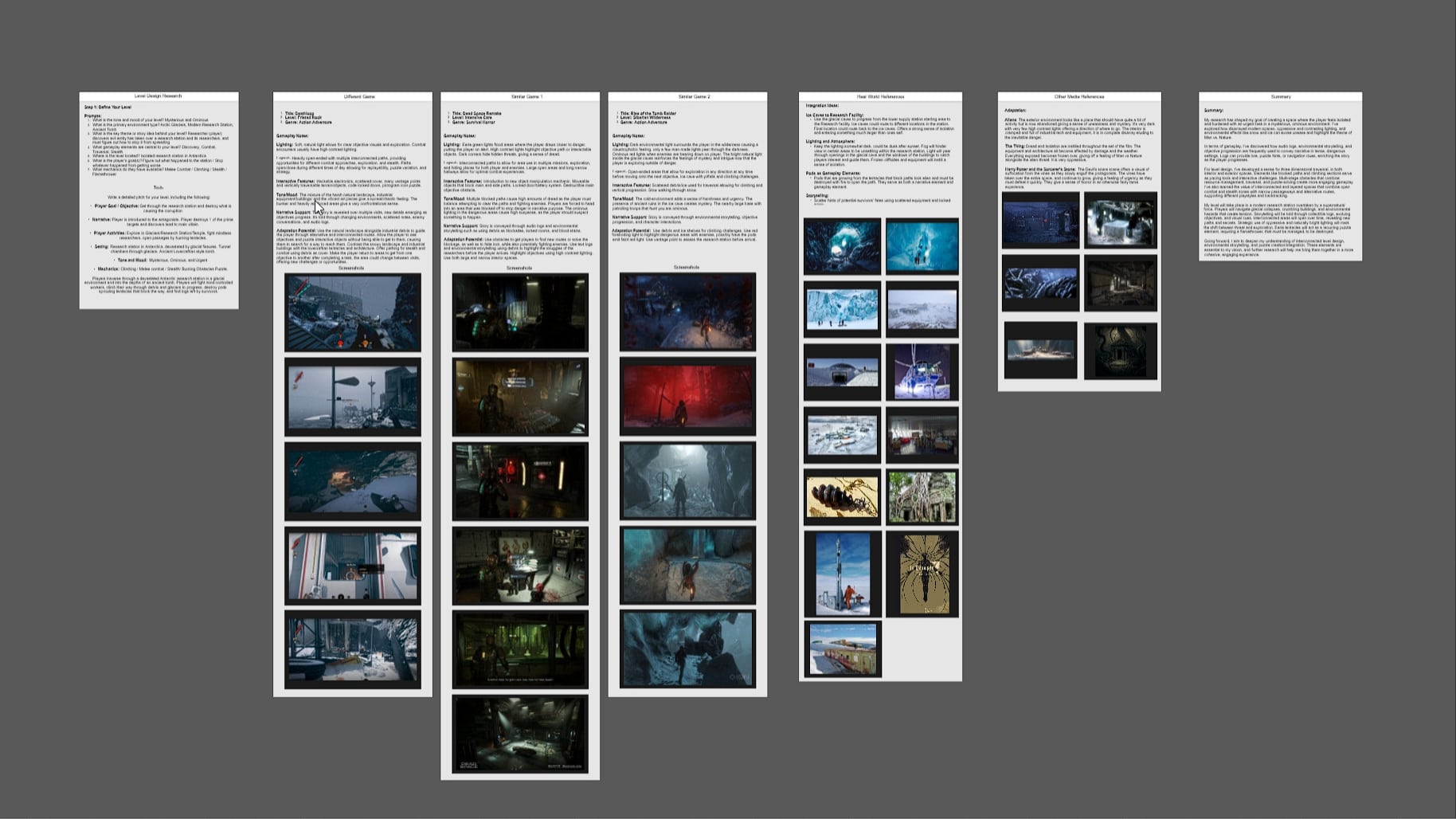
I researched multiple games, real-world references, and other media as sources of inspiration and context for my Antarctic level concept Black Ice. This research informed the process of creating gameplay beats, a 2D layout, and a Level Design Document (LDD).
- Analyzing Games: Rise of the Tomb Raider, Dead Space, and Deathloop are the games I originally analyzed to gain inspiration for my level design.
- Researching Real-World References: I researched glacial caves and real world Antarctic research stations for insight into creating realistic spaces.
- Exploring Other Media: I reviewed imagery from The Thing, Aliens, Harry Potter, and multiple concept art pieces for ideas on how to make a space feel isolated and oppressive.
2. Level Design Document
LDD: I developed a comprehensive Level Design Document to centralize and organize all aspects of the project. This document covered the Project Overview, Level Objectives, Narrative and Setting, Core Gameplay Mechanics, Level Beats, Spatial Layouts, Enemy Encounters, NPC placements, Technical Requirements, and Design Principles. It served as a foundation for aligning the vision and maintaining design consistency throughout development.
Beat Sheet: To visualize the player experience and track progression, I created a beat sheet outlining key gameplay moments such as major objectives, story events, and level transitions. These were placed in chronological order and categorized using a color-coded system to distinguish between narrative, combat, exploration, puzzle, and other gameplay types. This helped in understanding pacing, flow, and balance.
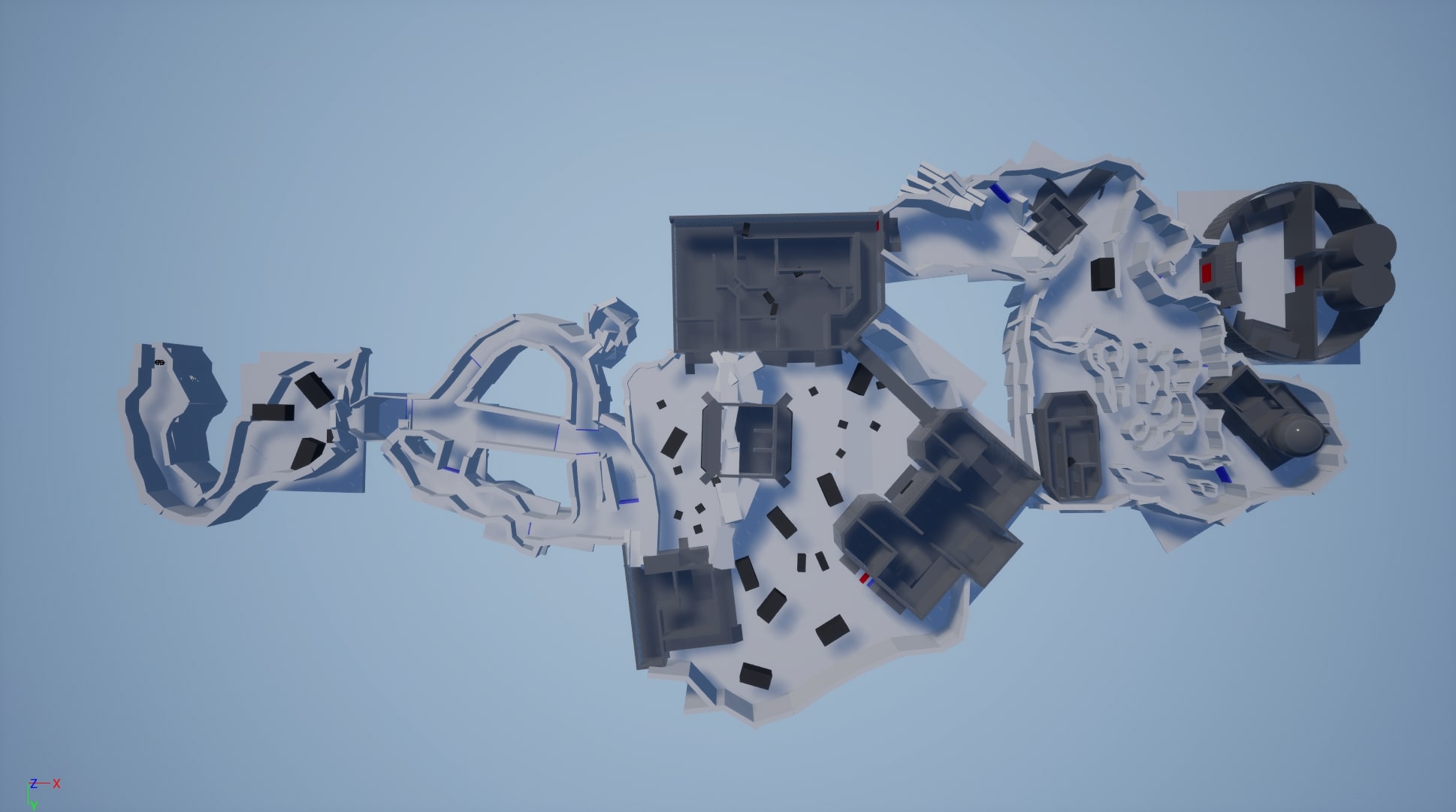
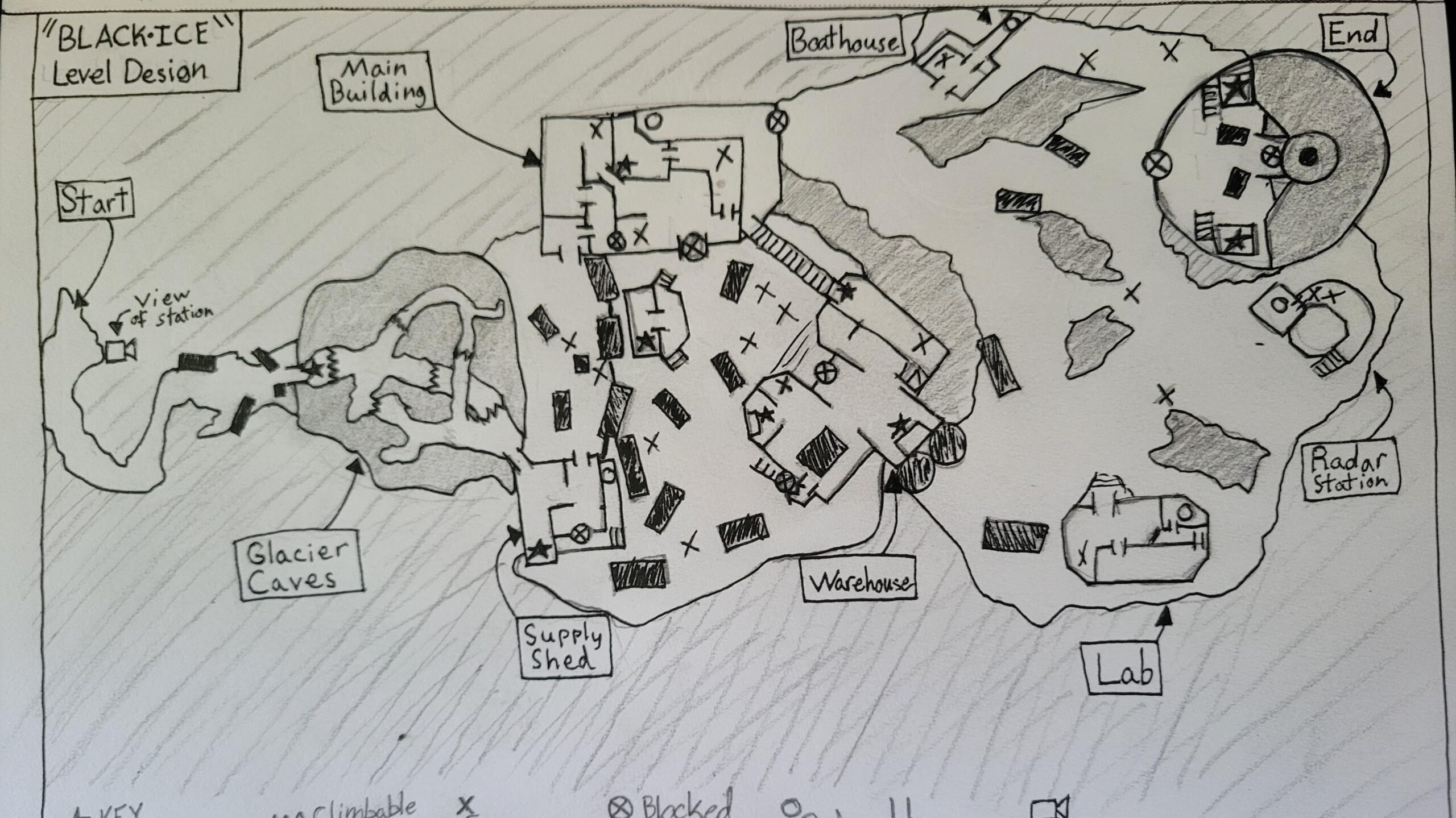
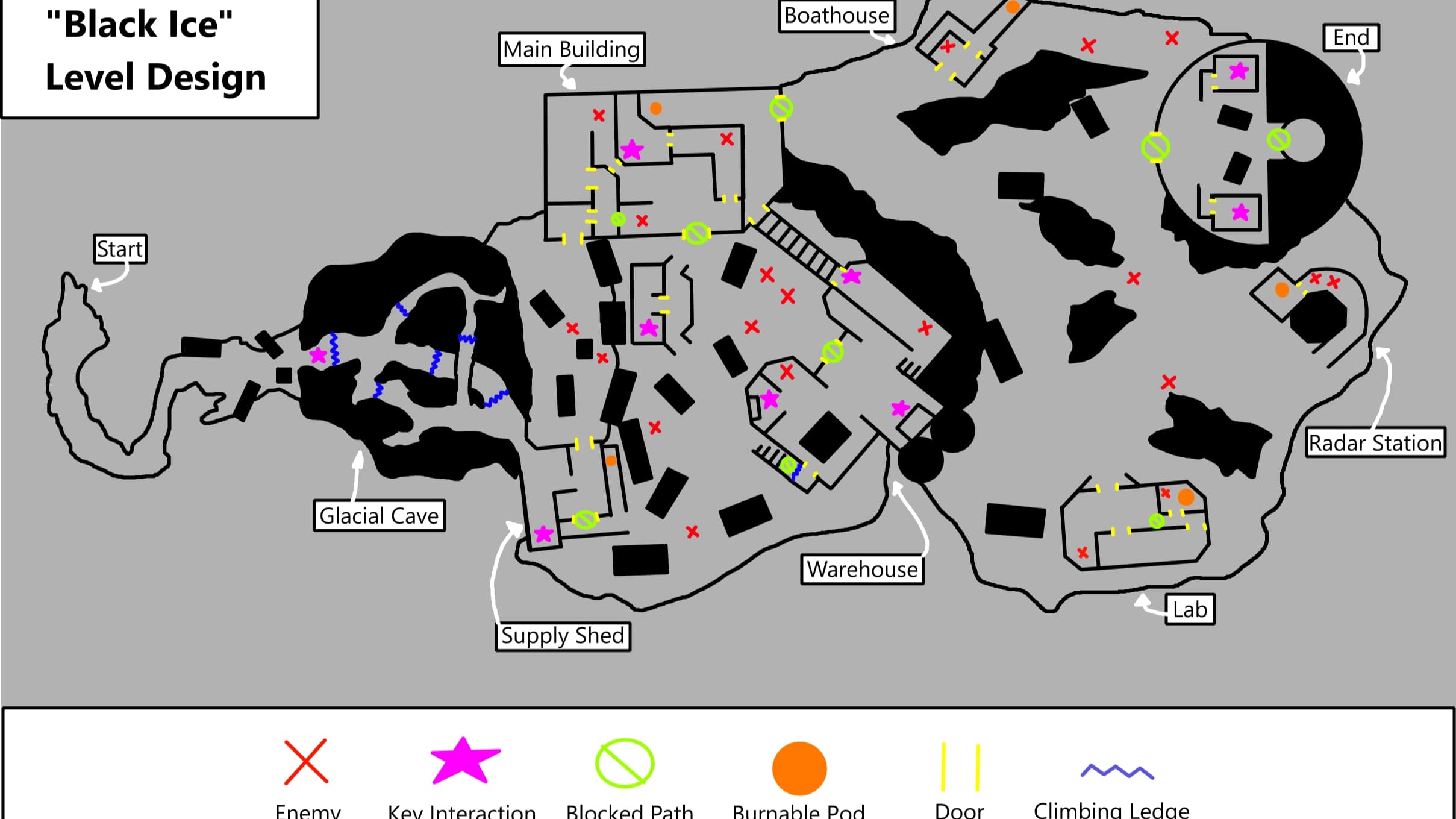
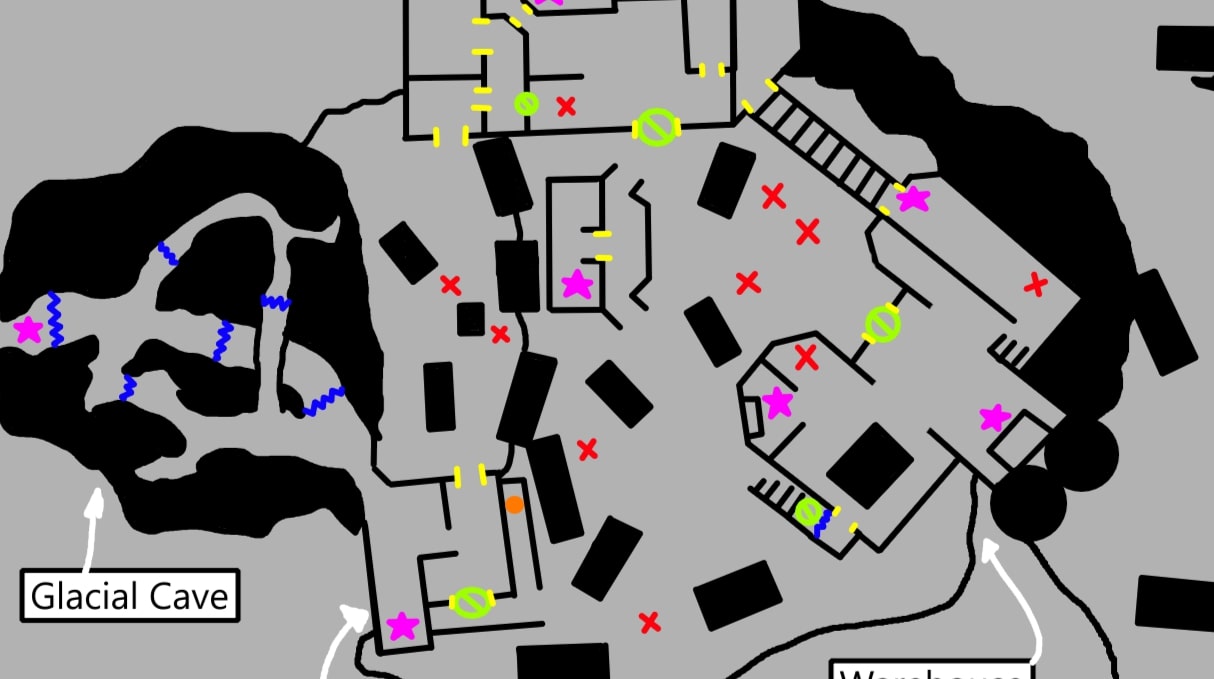
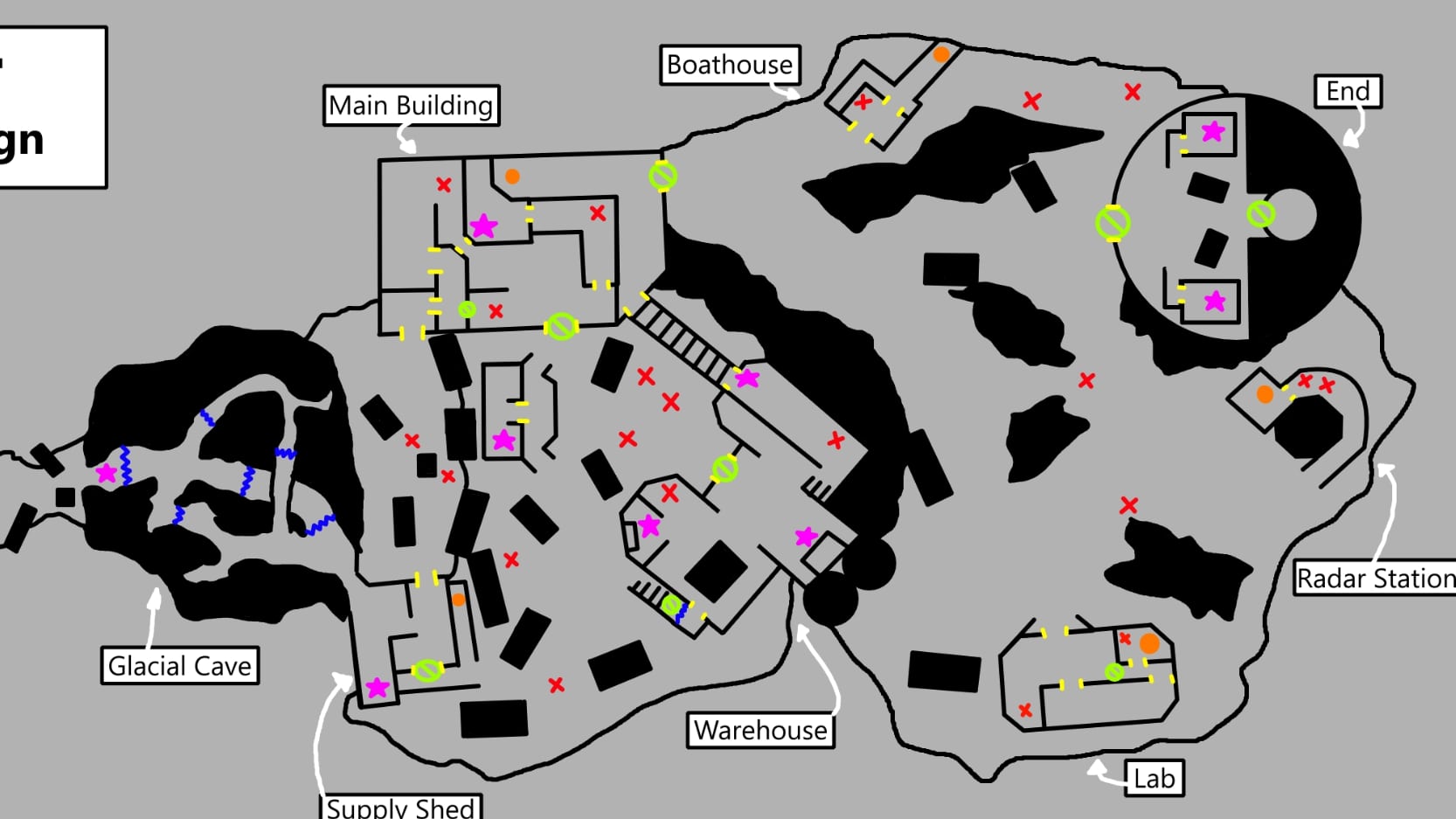
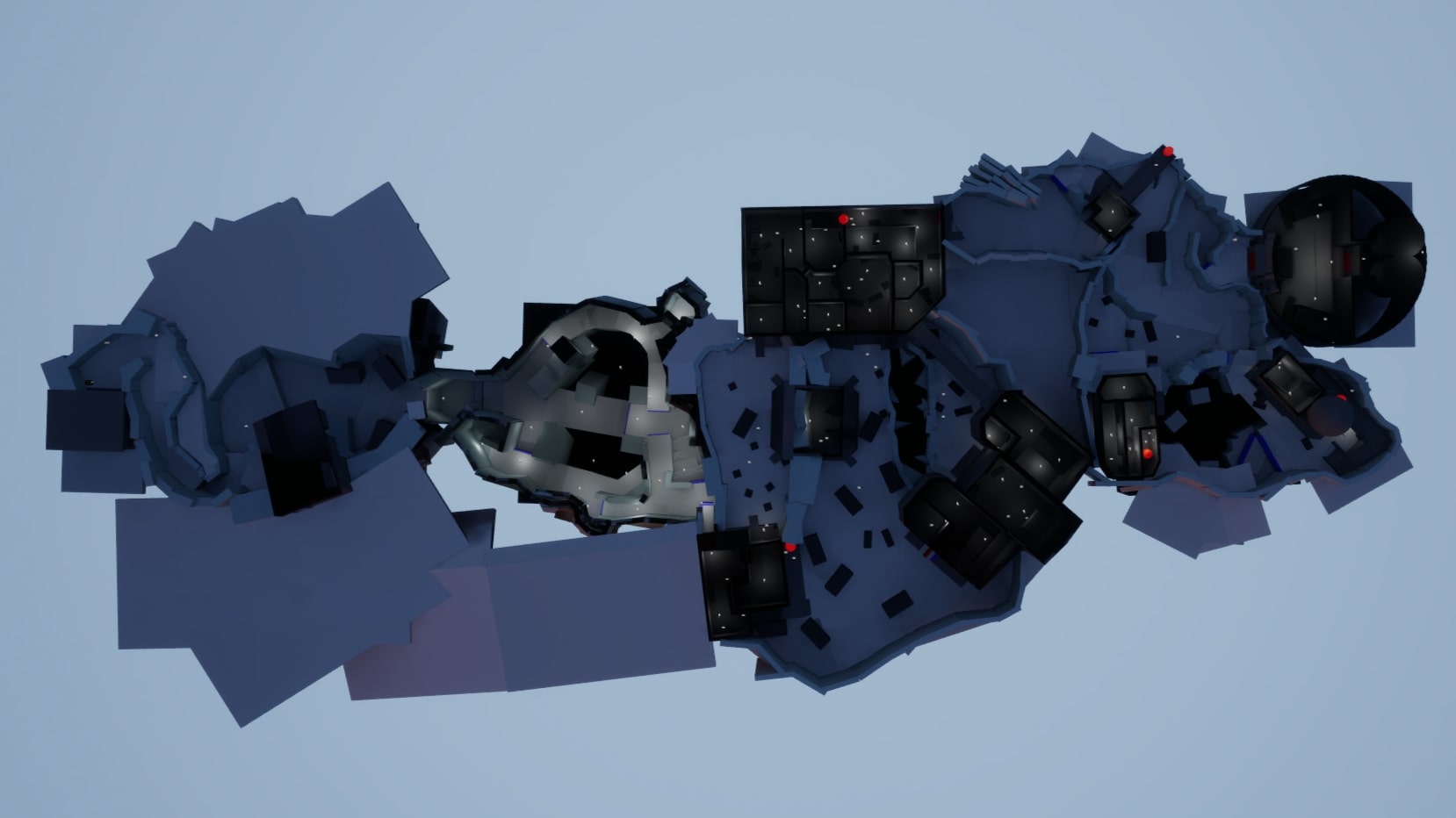
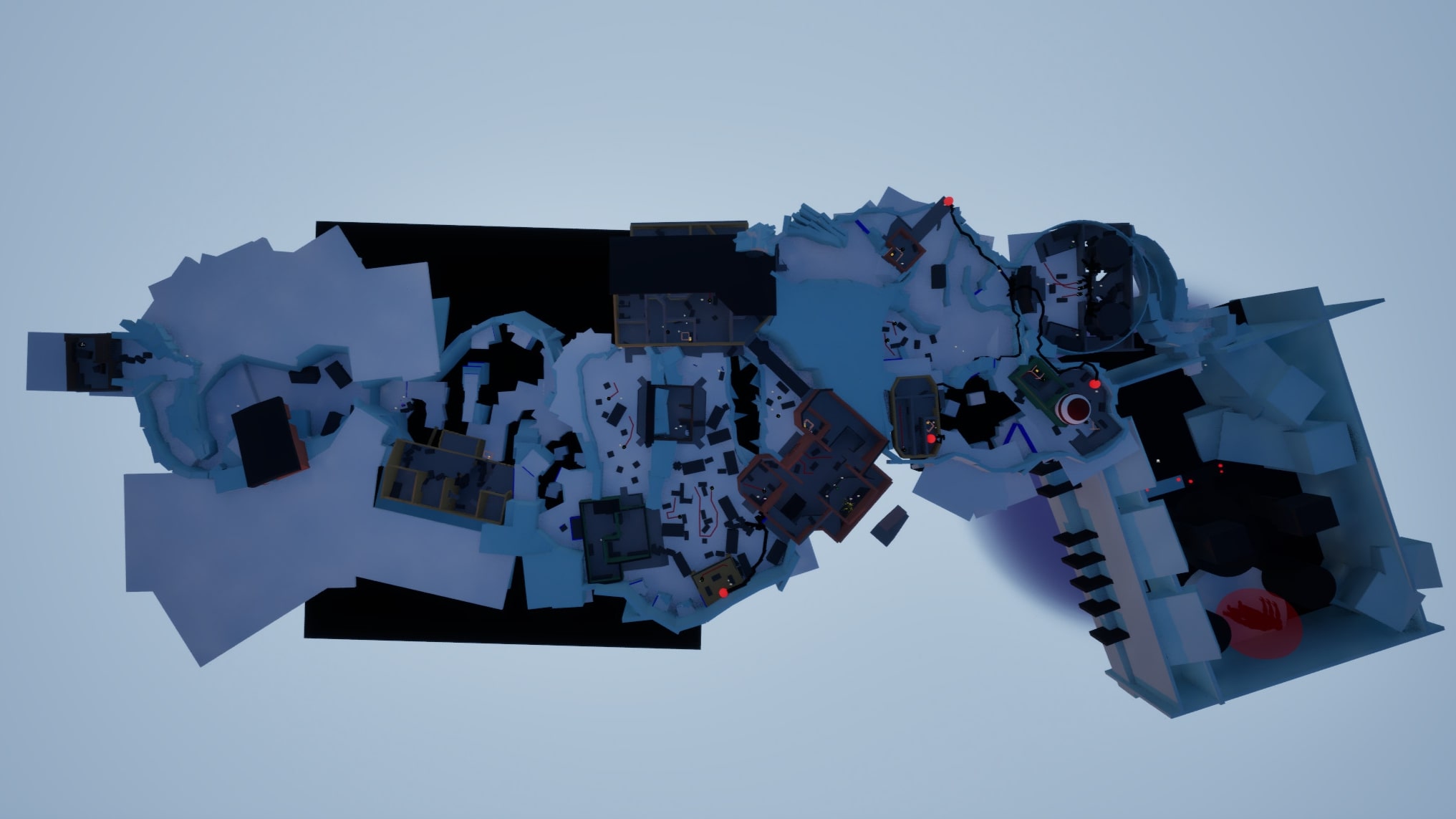
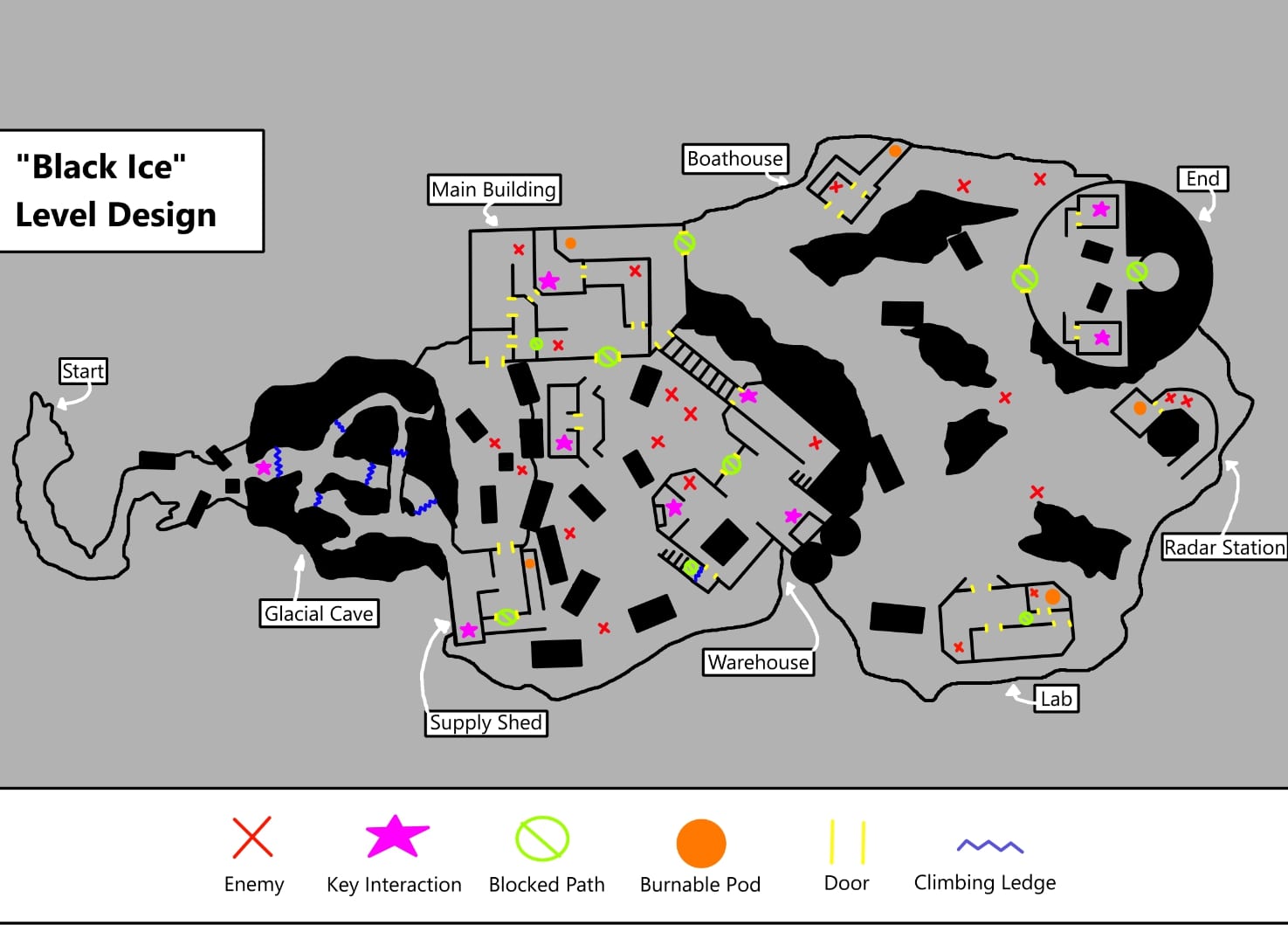
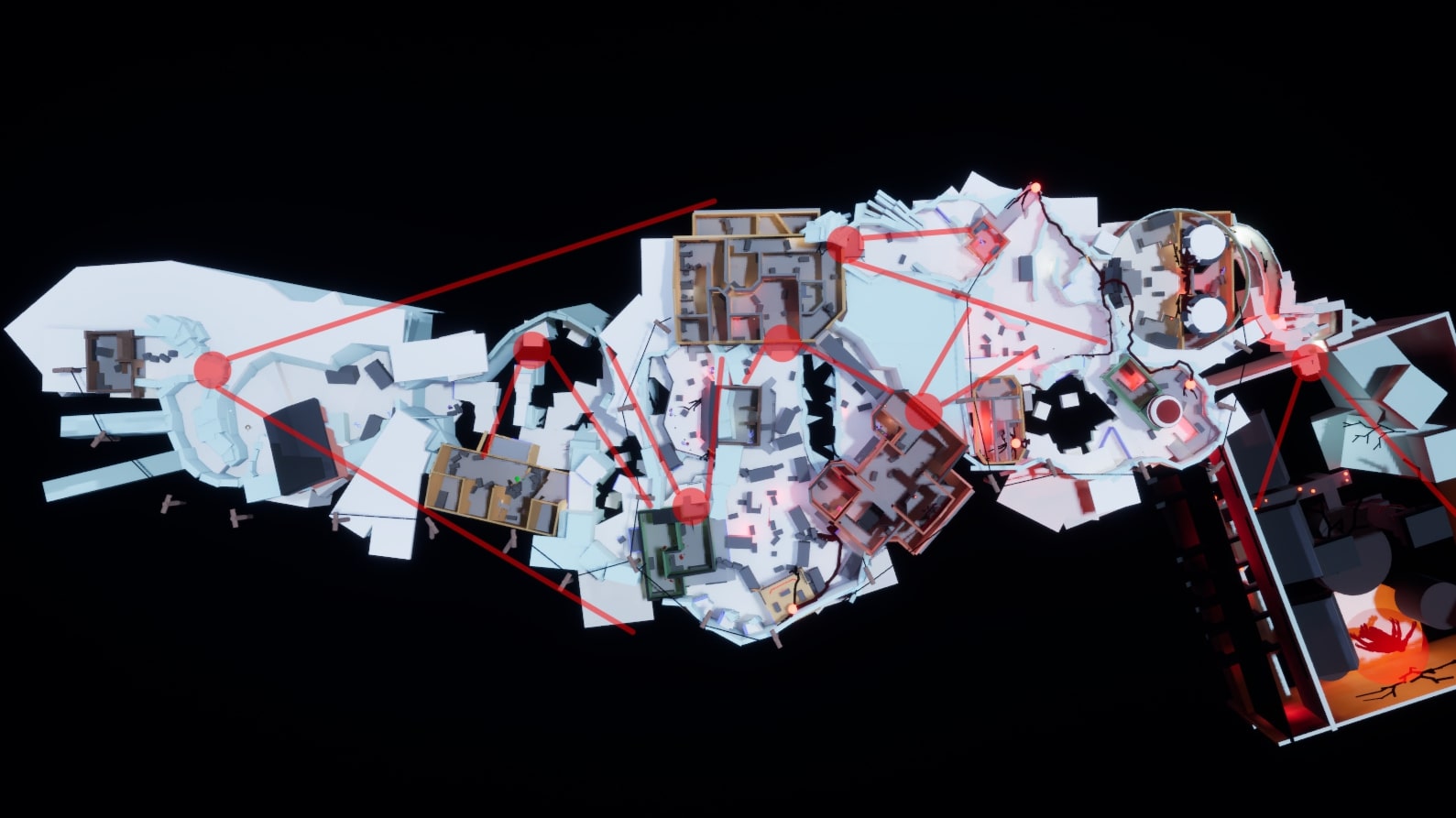
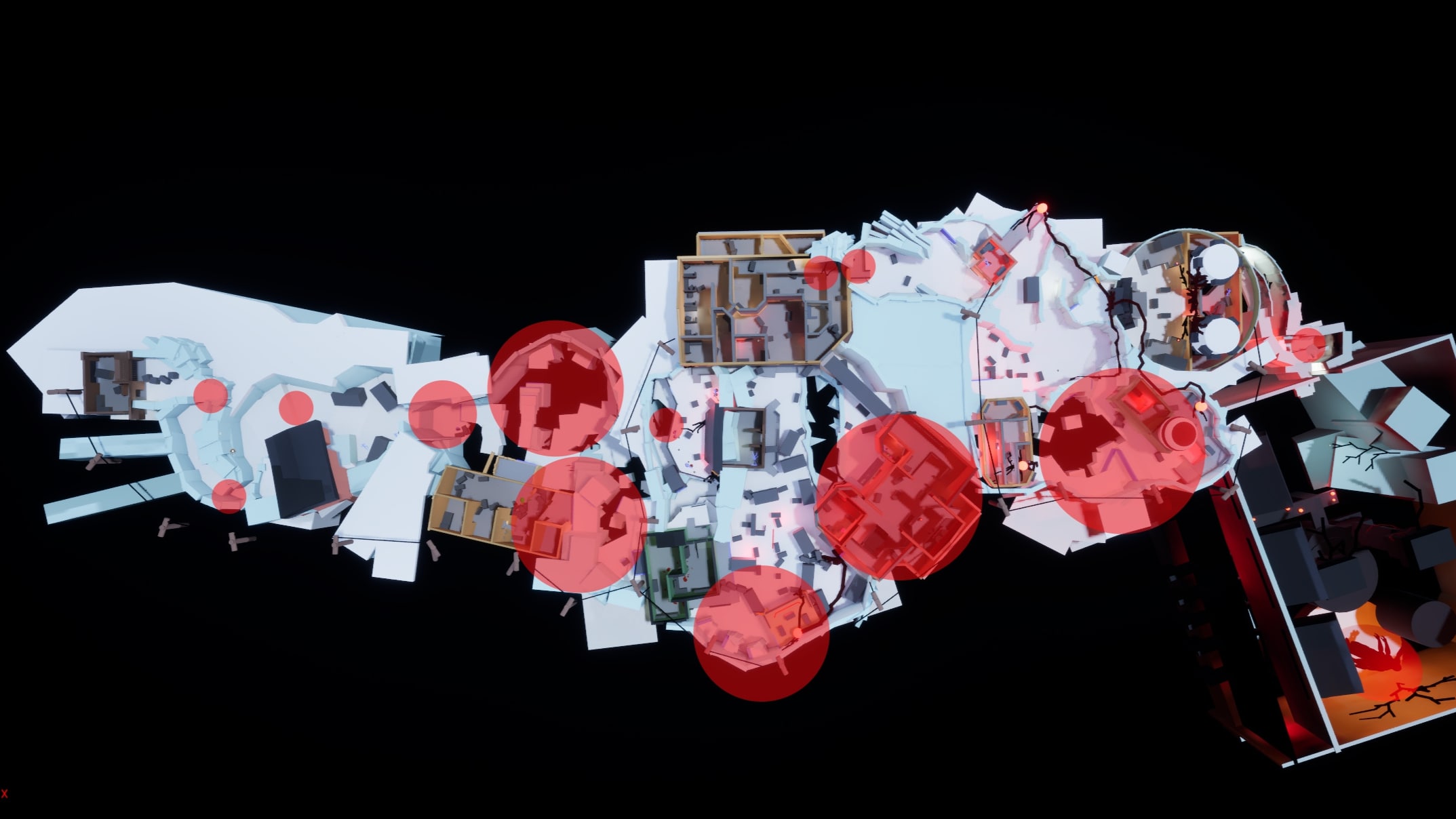
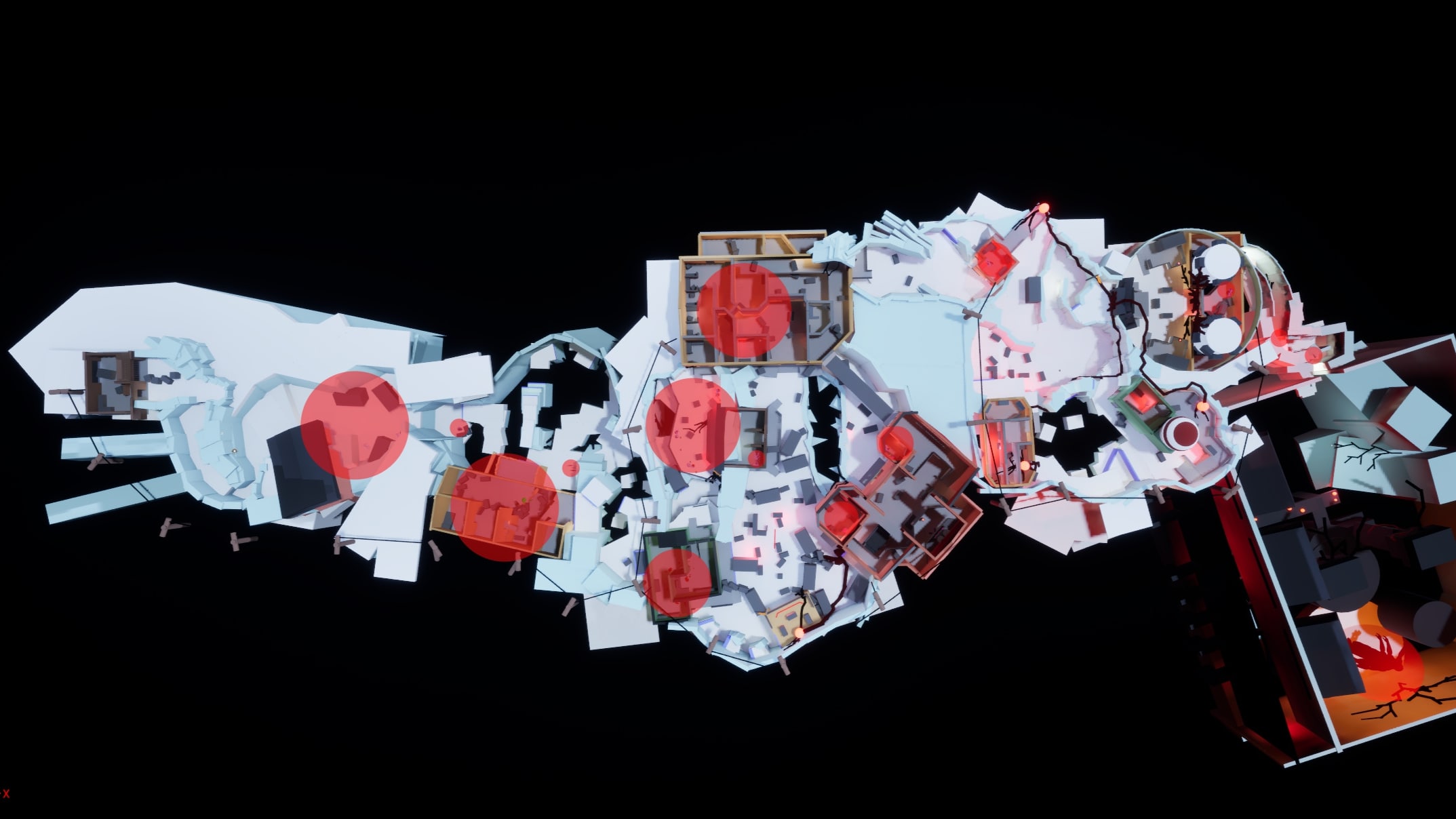
2D Map layout: I began with a hand-drawn 2D map to explore initial ideas for level structure and player flow. This early sketch helped establish the placement of key beats, enemy encounters, interactive elements, NPCs, items, and cover. Based on feedback, I then created two refined digital iterations to improve clarity, pacing, and spatial logic. Each version built on the last to better support the intended gameplay experience.
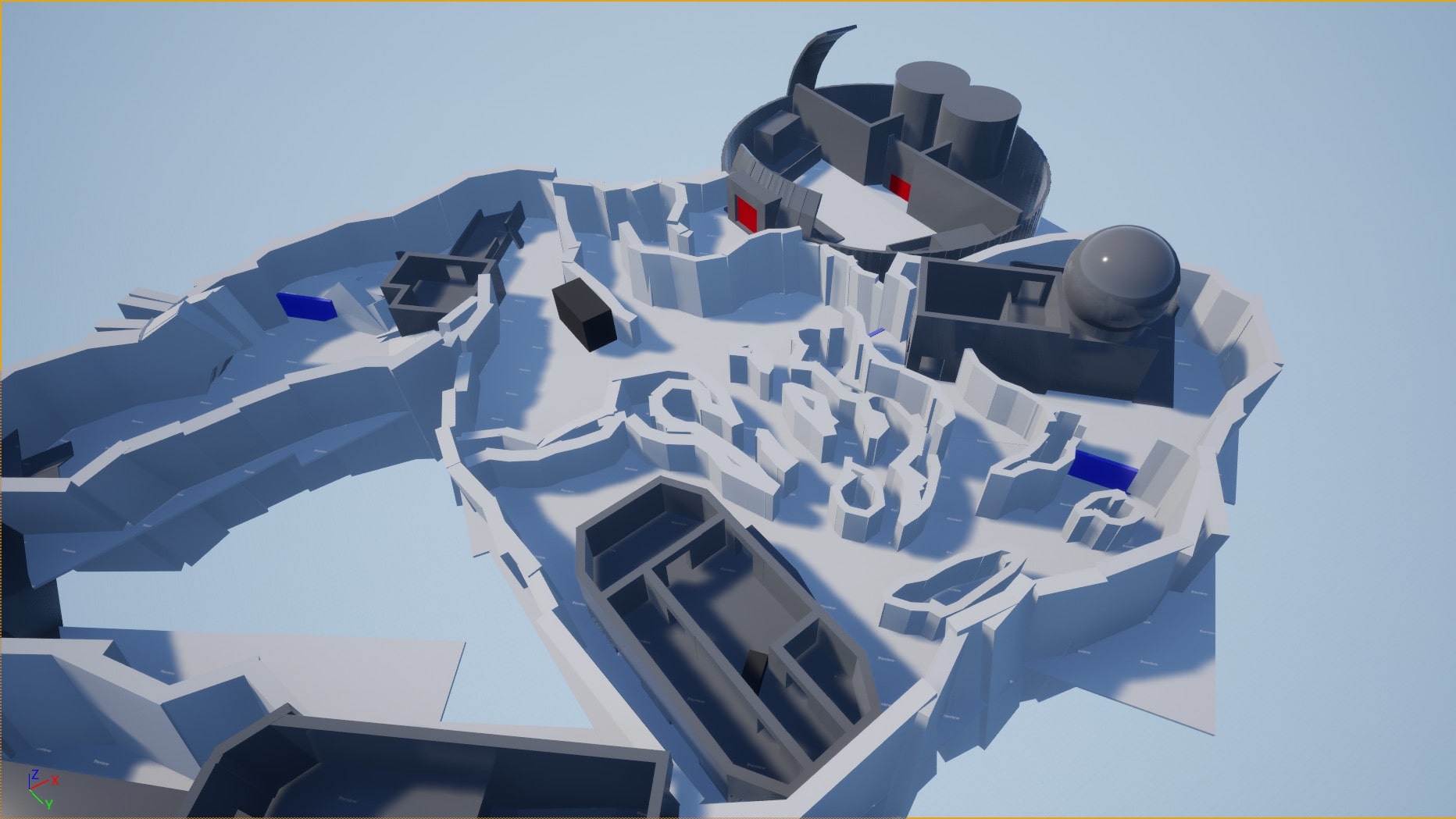
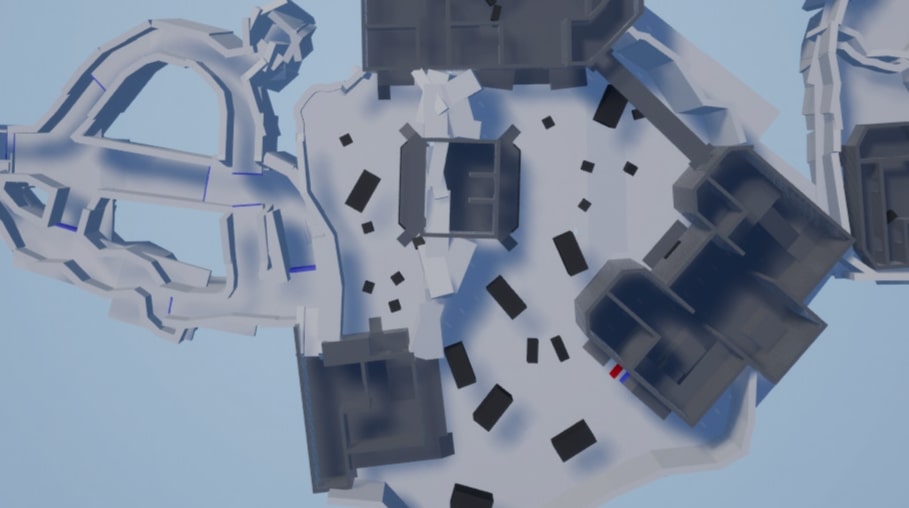
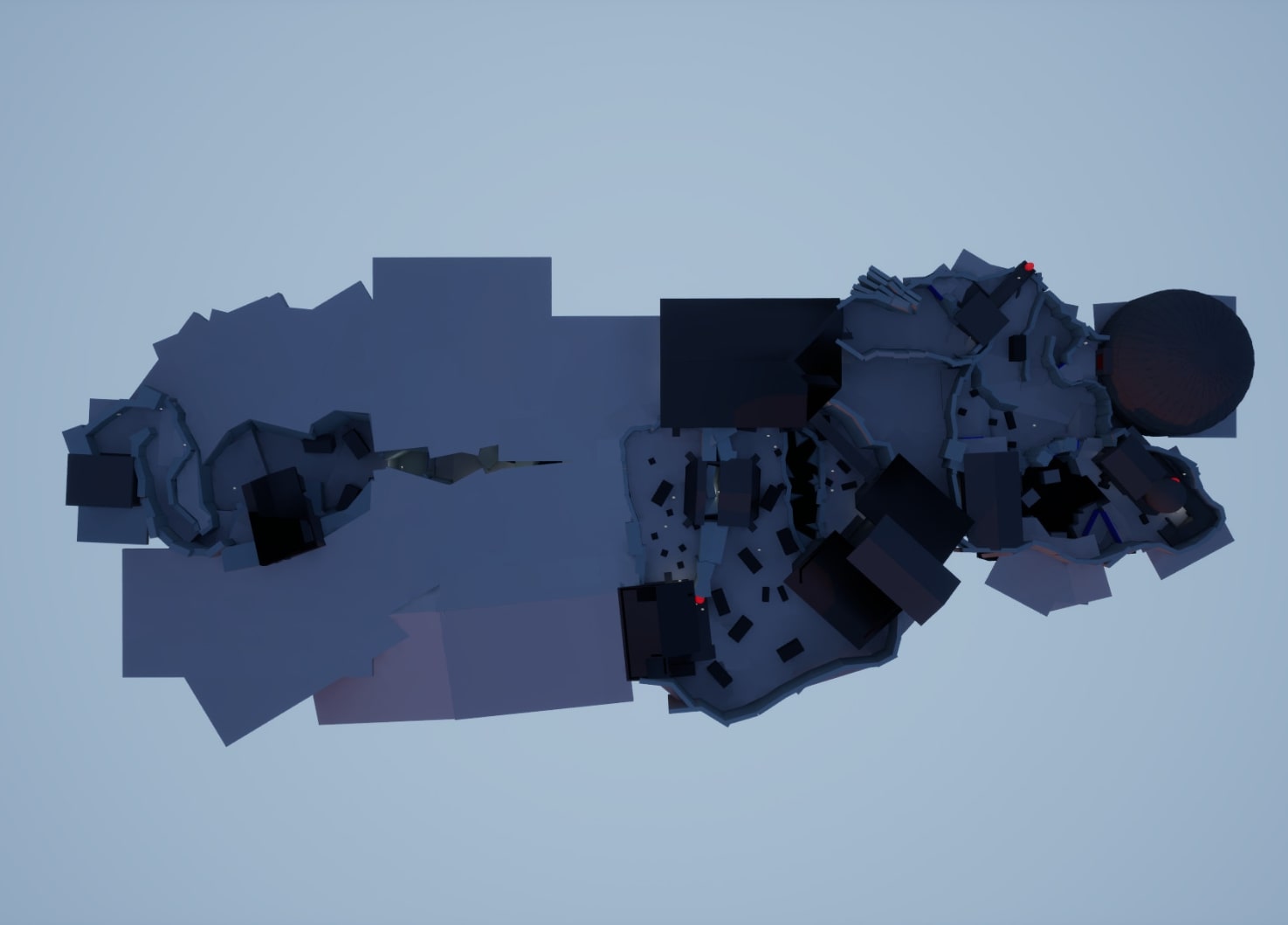
3. Roughout 1
Results: Created an easily iterable and defined space containing the level’s core geometry, platforms, and gameplay beats. This was a solid framework to continue developing the level’s flow, tone, and atmosphere.
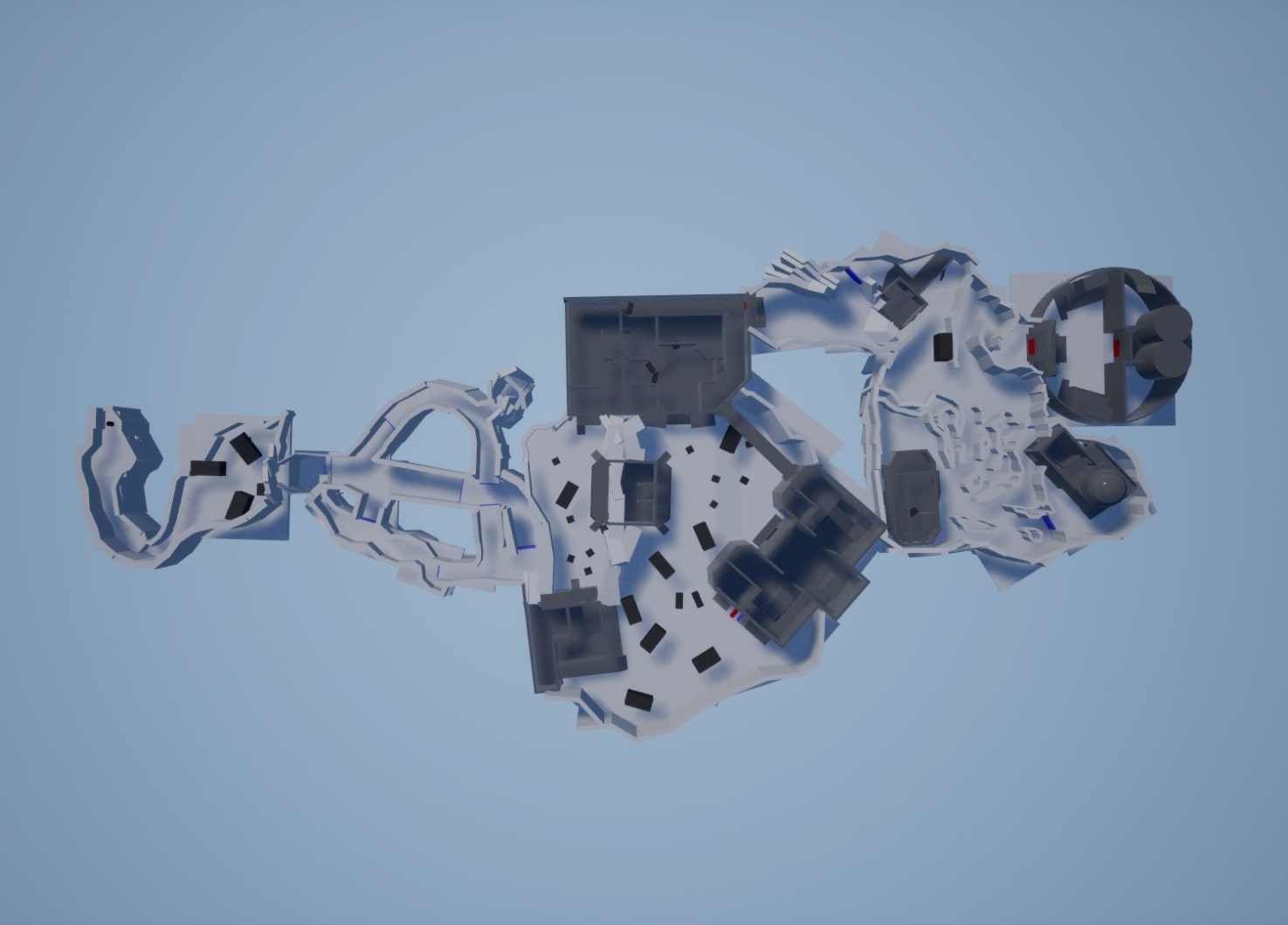
Goal:The beginning objective was to take the 2D layout, iterate on what needed fixed, and use it to create a fully playable basic 3D level that’s identifiable as the target setting, with entertaining traversal.
Implementation/execution:
- I drew inspiration from games like Tomb Raider, Dead Space, Deathloop, and later The Last of Us to inspire the level’s structure.
- I studied real Antarctic research stations top help guide the creation of my level, especially the interior spaces.
- I reviewed imagery from The Thing, Aliens, Harry Potter, and multiple concept art pieces for ideas on how to make a space feel isolated and oppressive.
- Reworked specific sections to have a better sense of play in a 3D space.
4. Playtest & Iteration 1
Highlight 1

Results: Creating a digital version of the 2D map before making the level in engine offered a clear visualization and understanding of the level’s layout.
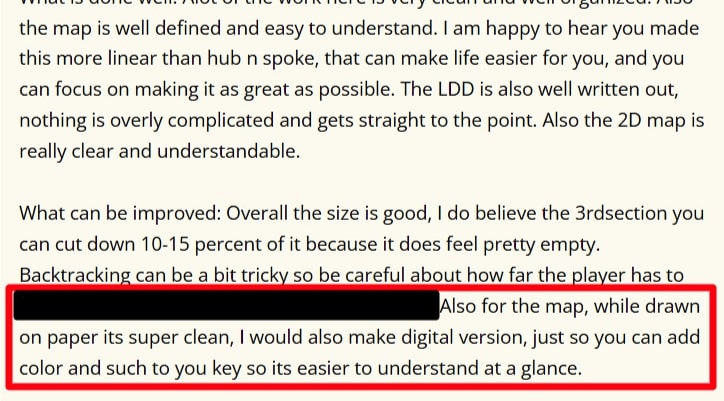
Feedback & Problem: The 2D layout of the level was on physical paper, and only in one color. I couldn’t easily update the spaces before creating them, and a lack of colors made it hard to identify different interactions
Solutions:
- Created a 2D version of the map using a photo editing software.
- Organized all interaction types by using multiple colors.
Highlight 2
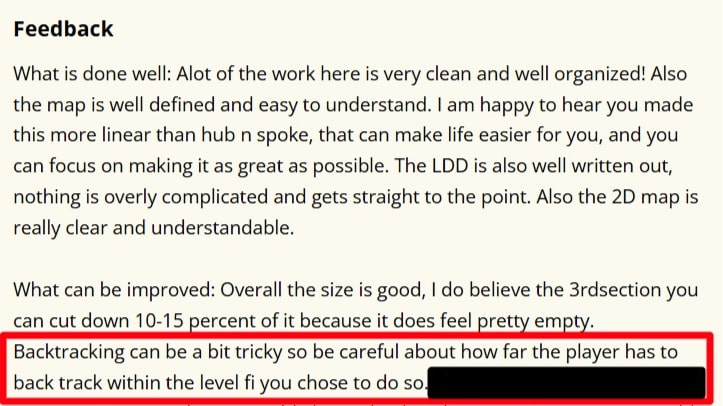
Results:Removing backtracking allowed focus on the beat by beat storytelling flow, and the level remained within scope.
Feedback & Problem:The level was intended to have optional backtracking. However, there was no reason to backtrack and the level was already showing to be longer than intended.
Solutions:
- I did not develop the option to return to certain areas after opening blocked paths.
- Forced the door to the main building to fall behind the player upon exiting, blocking optional backtracking.
Highlight 3
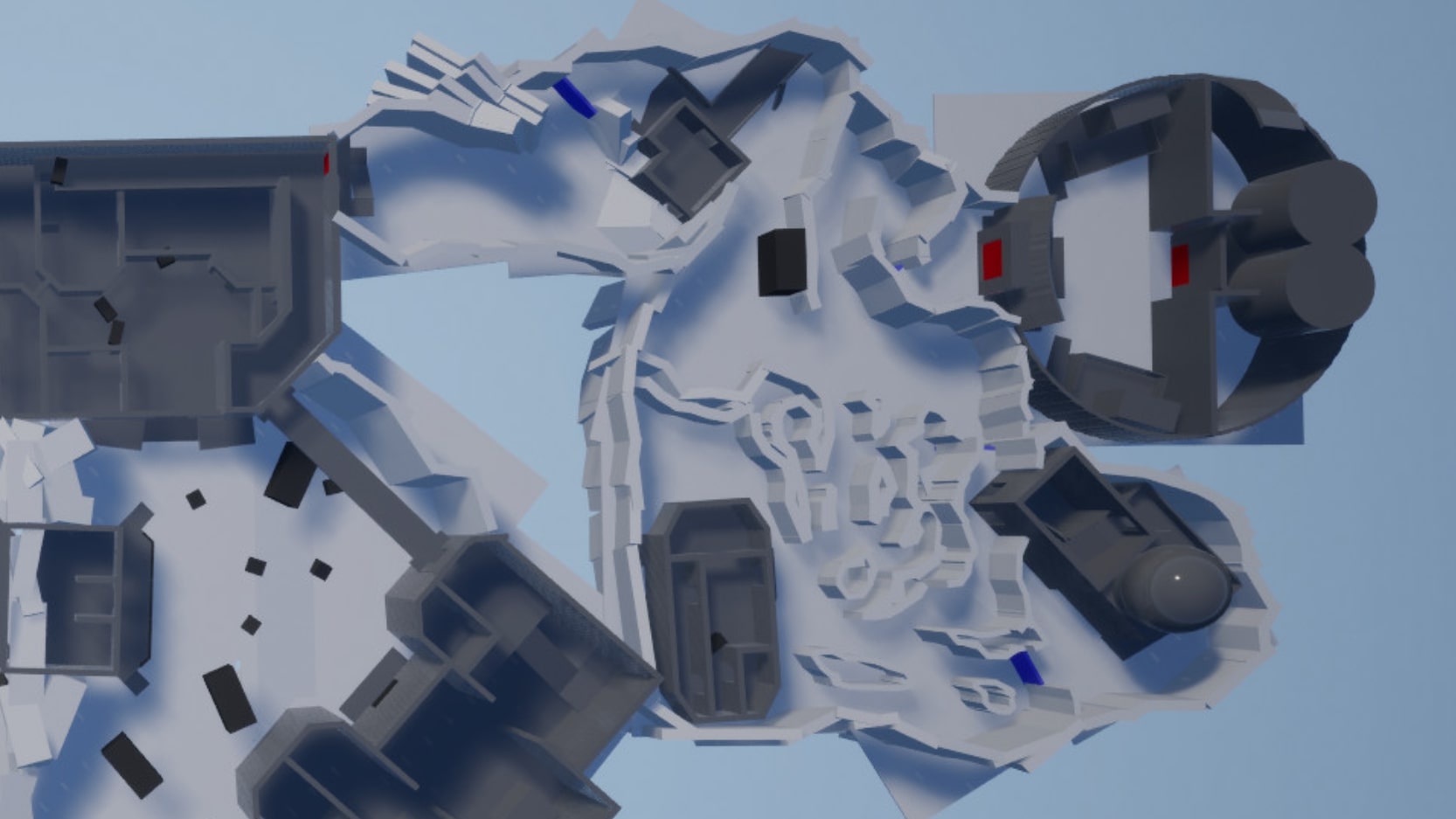
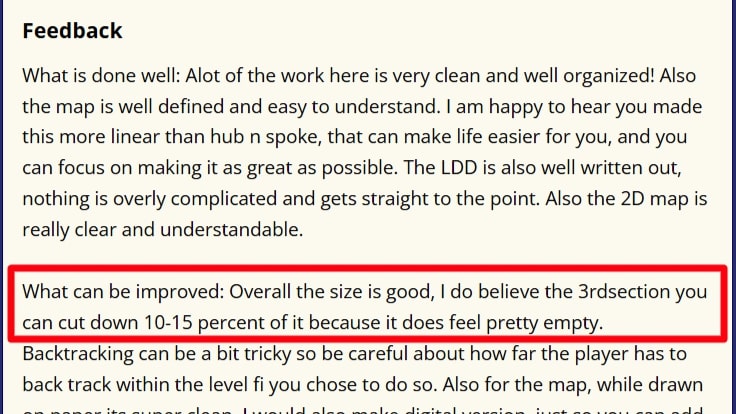
Results: Reduced size of the last third of the level, decreasing time to complete, and creating direction for the player.
Feedback & Problem:The end section of the level was empty, large, and lacked direction. It put the level out of scope on length of time.
Solutions:
- Brought all building and walls closer together.
- Made all buildings in the section larger to fill the space.
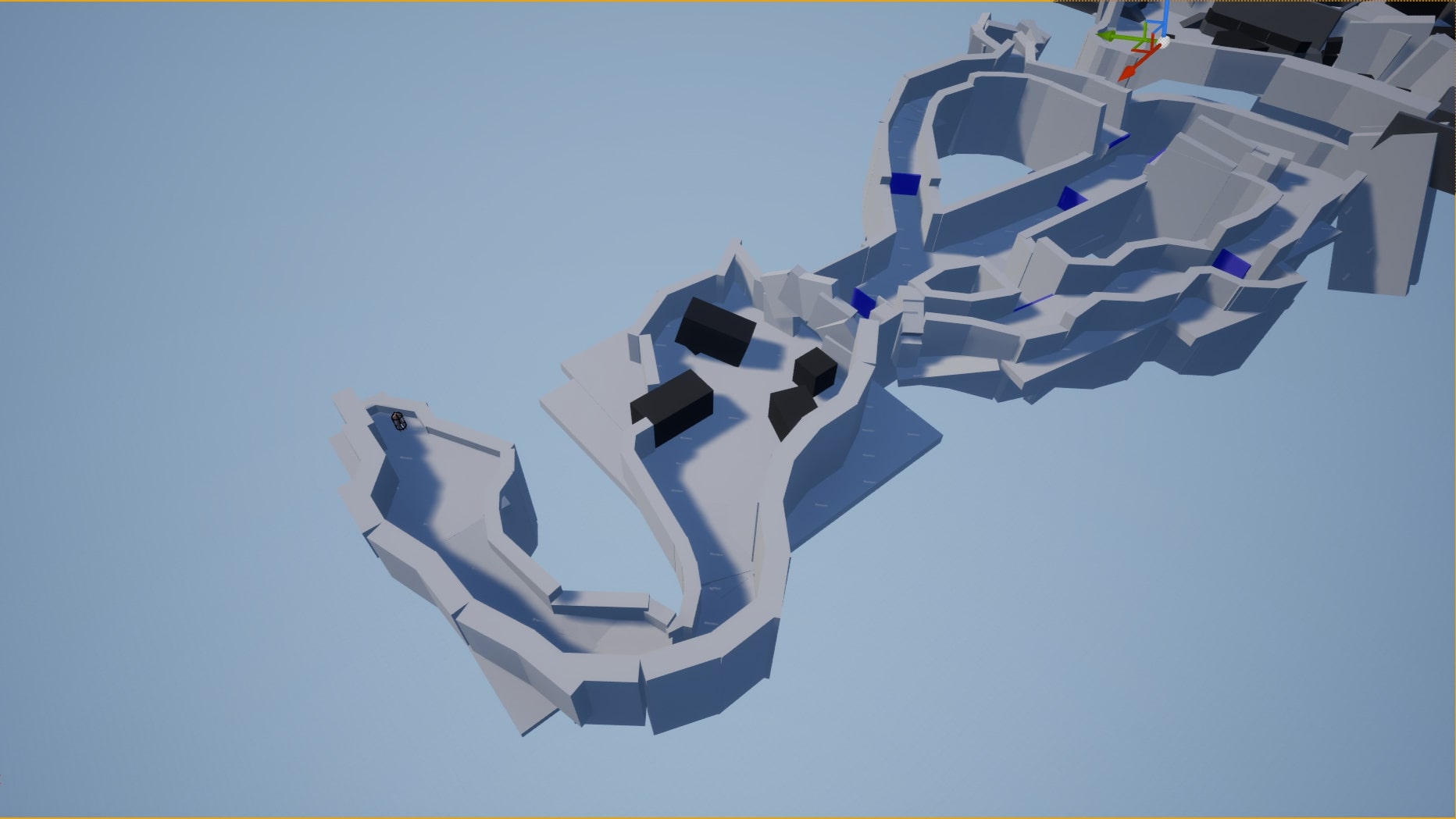
- Added more ice walls and a maze to give the space a sense of direction.
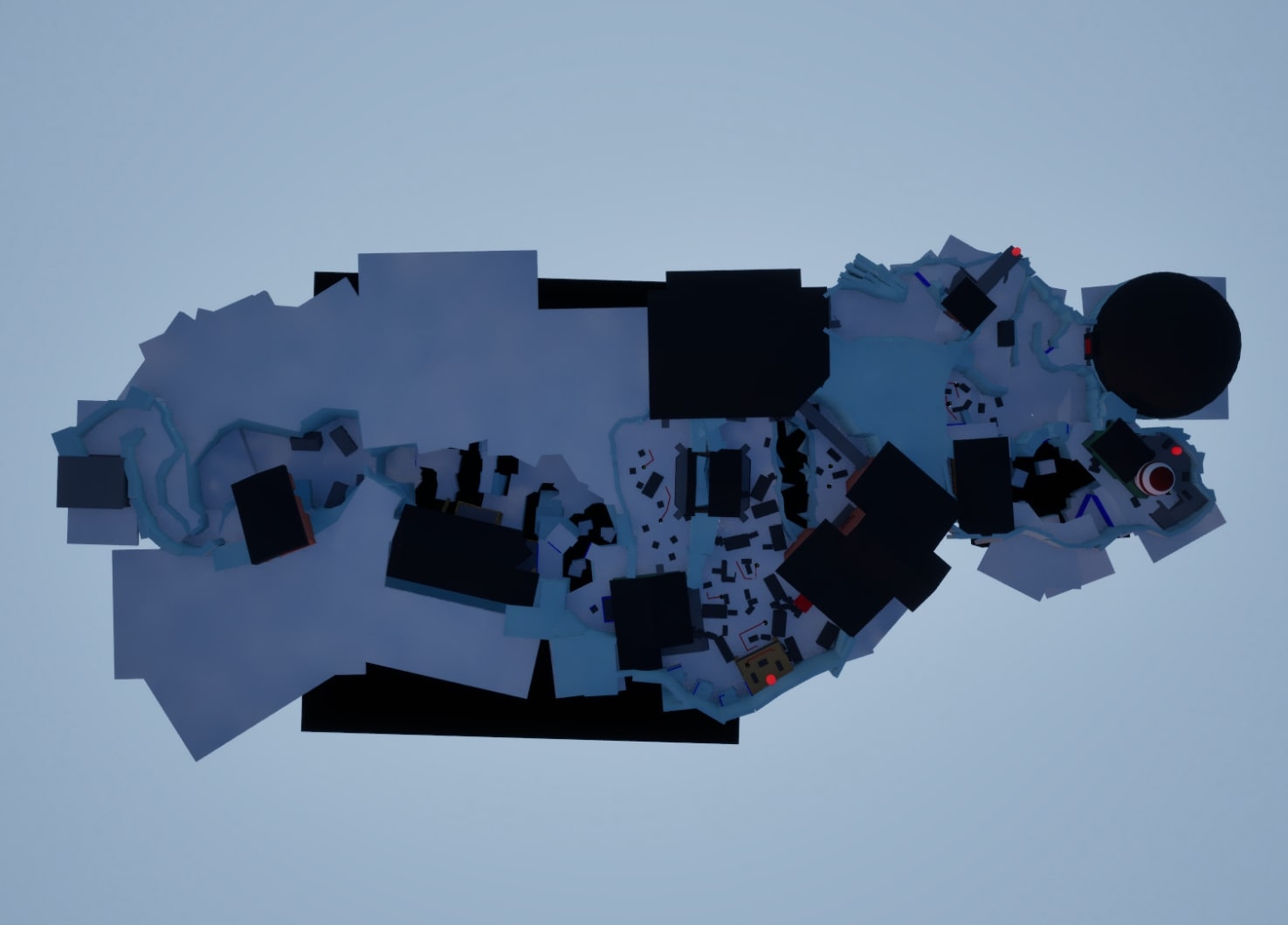
5. Roughout 2
Results: Further developed all spaces to better match the intended setting and tone, as well as defining them. Improved gameplay through changes from feedback. Developed story moments using narrative barks.
Goal:This iteration was for fleshing out the level’s structural design, making everything easily identifiable, and ironing out the levels flow. Additionally I wanted to implement character narrative/barks to set the story in motion.
Implementation/execution:
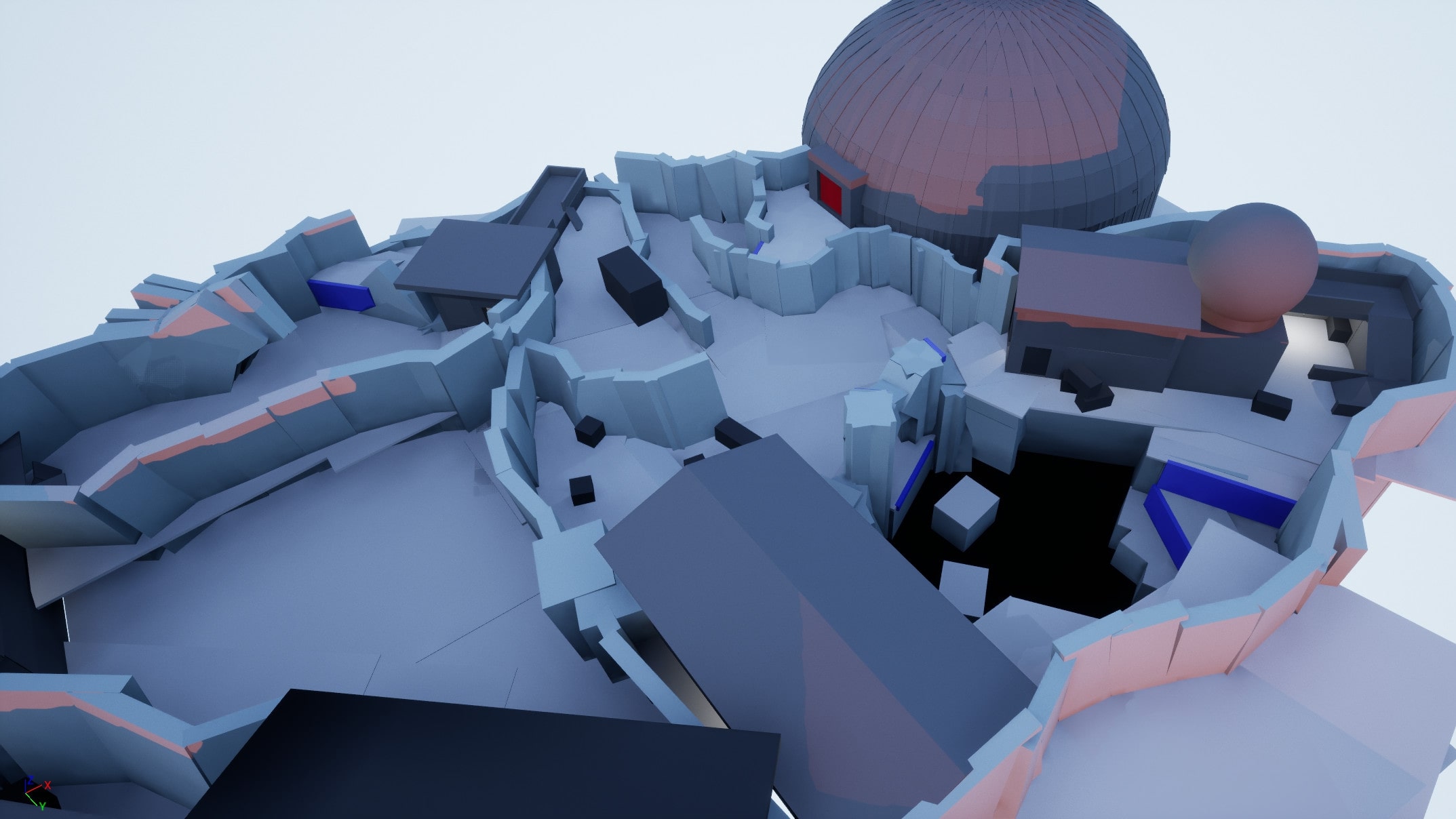
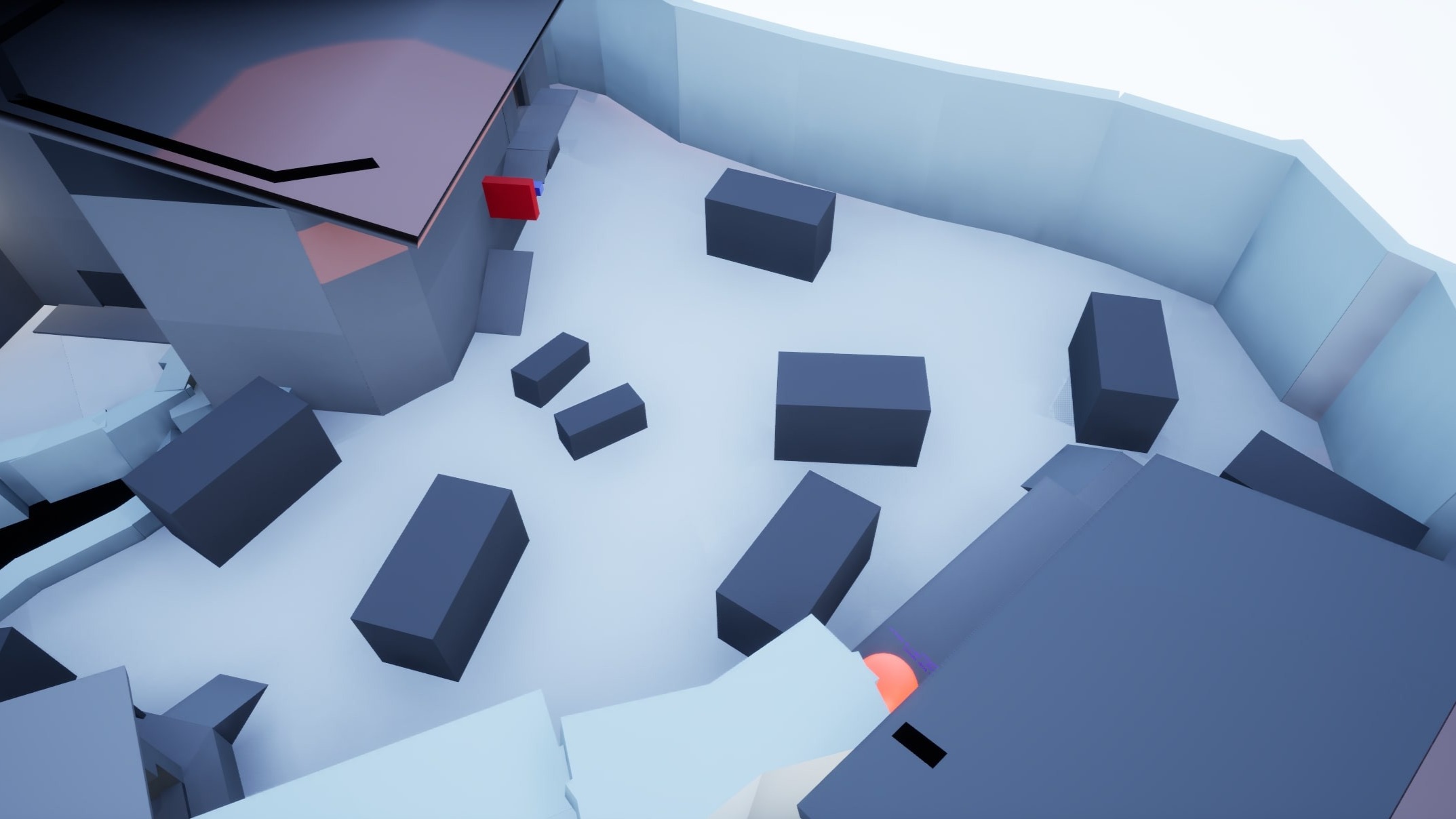
- Implemented basic colors to contrast between the snow floors, ice walls, and buildings.
- Updated all walls and objects throughout the level to fill and define spaces to be more realistic and engaging.
- Created roofs for all buildings to help them feel like separate spaces.
- Put lights in all spaces to make the level visible.
- Added player character monologue barks for hints, story, and guidance.
- Added enemy zombie speech barks for threat and location tracking as well as tone setting.
- Added NPC barks and short dialogue for story and guidance.
- Implemented changes in response to previous feedback.
6. Playtest & Iteration 2
Highlight 1

Results: Being at the same height as the outpost created a better vista. Defined buildings and a cave allow for easy identification of the player’s goal.
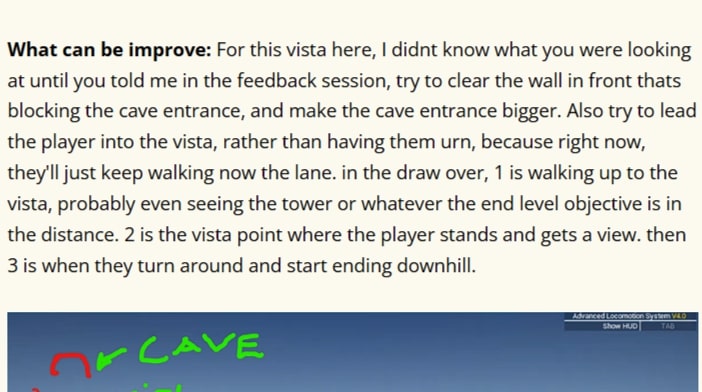
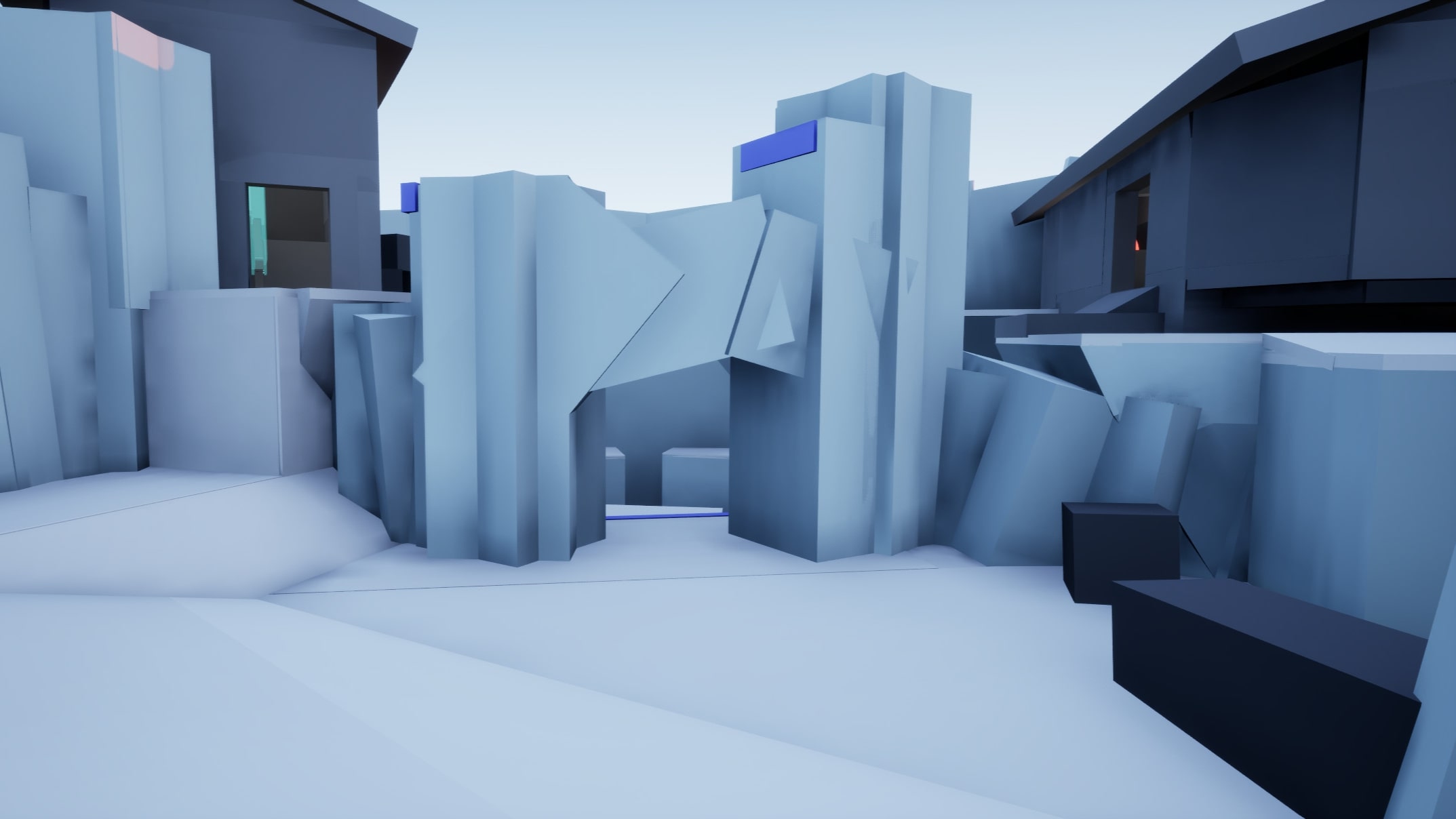
Feedback & Problem: The intro vista for the level did not clearly portray the landmarks ahead. The view of the outpost was blocked and the the cave was not identifiable as the intended next objective location.
Solutions:
- Raised the vista height to be the same as the outpost.
- Pushed back the starting location for more time to see the vista.
- Defined the structures of the buildings.
- Added “ground” and ice crack to make cave obvious.
Highlight 2
Results: The final exterior now has a better sense of direction and flow, keeping the players engaged without confusion.
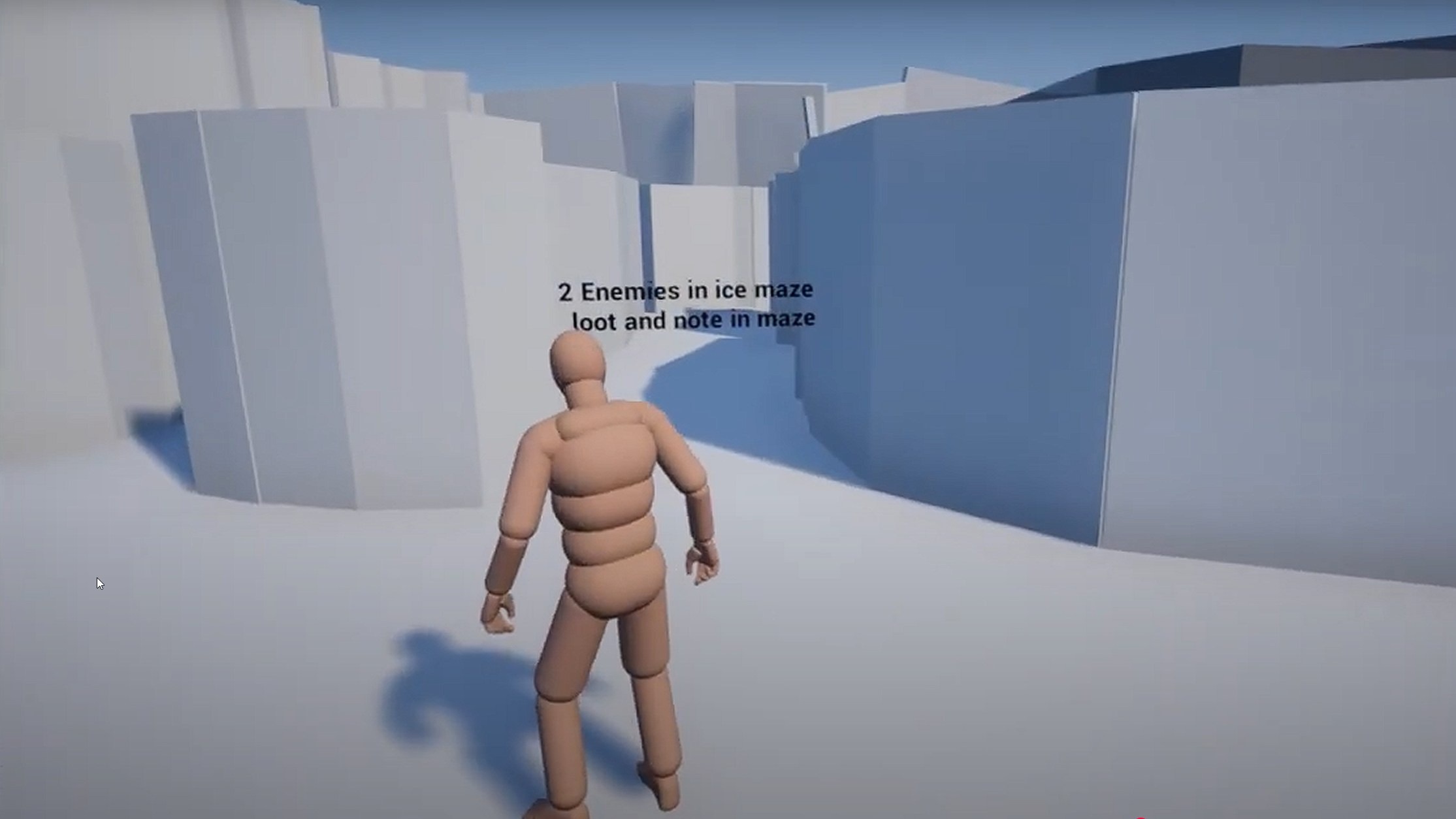
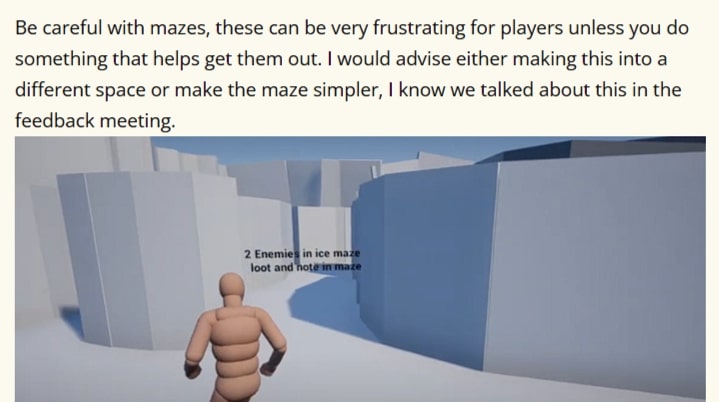
Feedback & Problem: Players would lose their direction in the Ice Maze, and didn’t understand the purpose. Combat here would be difficult in such a confined space.
Solutions:
- Redefined exterior space to have more verticality.
- Removed Ice Maze.
- Replaced with traversal jumps, and multiple routes.
- Made paths to each building direct.
- Combat was moved to another path.
Highlight 3
Results: The combat areas in the final exterior space were made better for melee combat, and allowed avoiding combat.
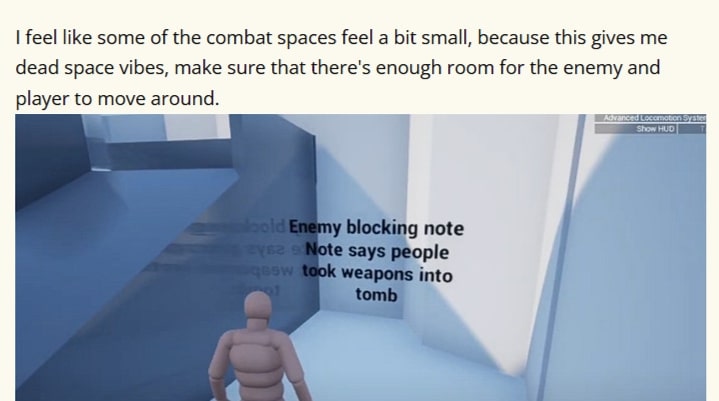
Feedback & Problem: A few of the combat areas were impractically small. They restricted player and enemy actions and only allowed for direct combat.
Solutions:
- Moved maze combat to a larger space.
- Increased and updated the area leading to the radar station
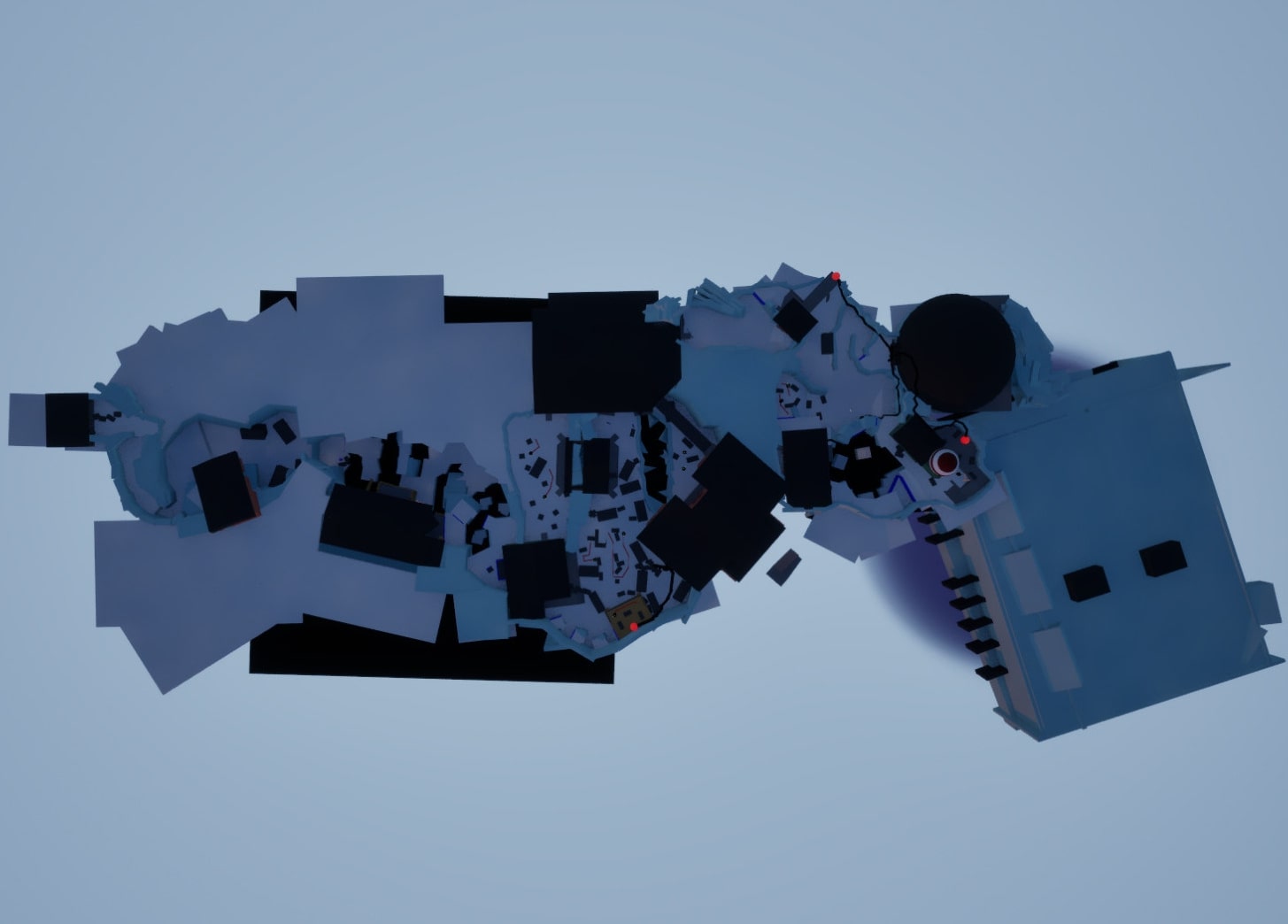
7. Roughout 3
Results: Implementing interactable mechanics and enemies transformed the level into a better gameplay experience. Player flow throughout the level was now fully realized and can be further improved.
Goal: My goals for this iteration were to rework areas that had vital flow issues and to implement the main mechanics of the level required for combat and level progression.
Implementation/execution:
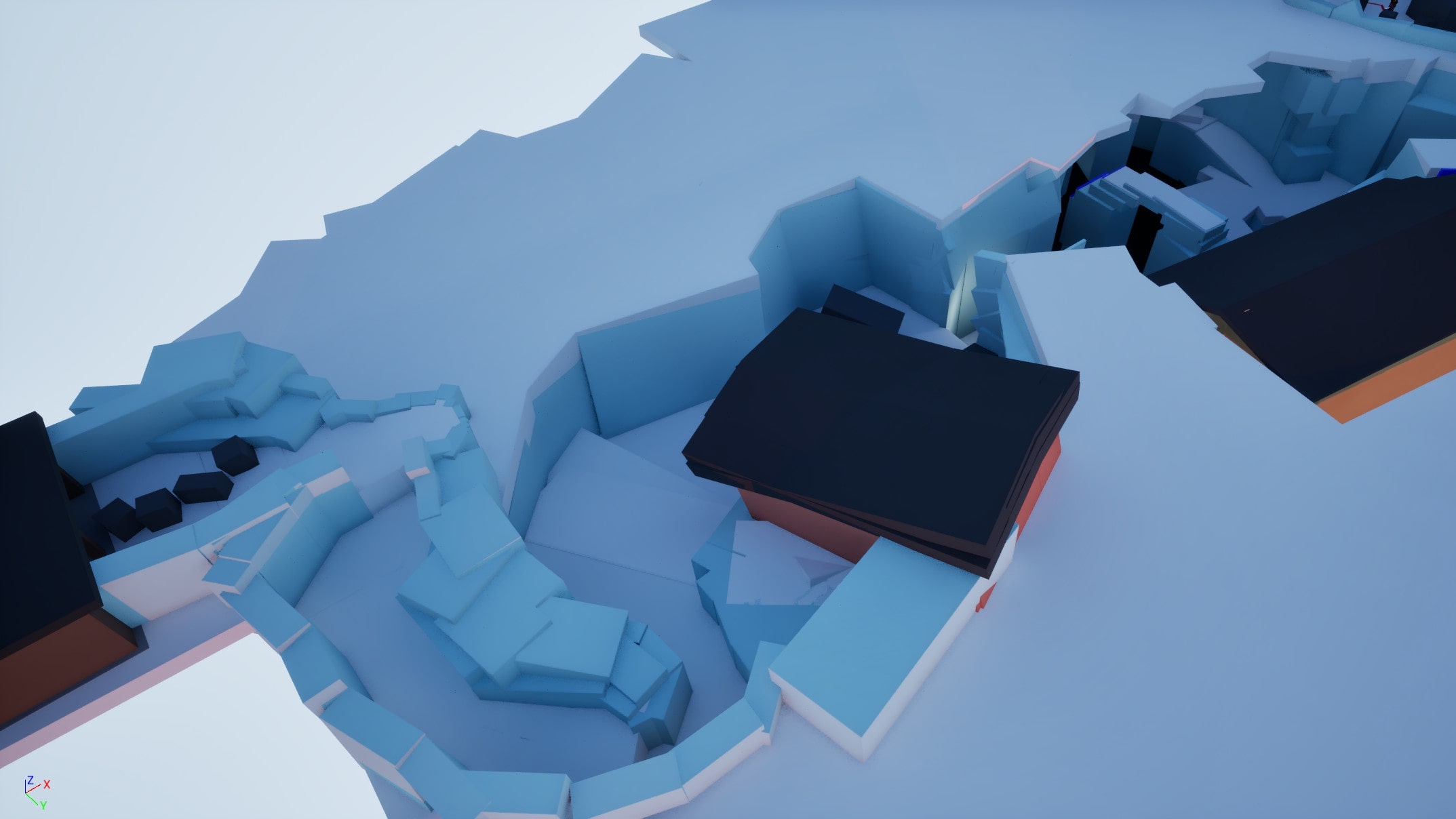
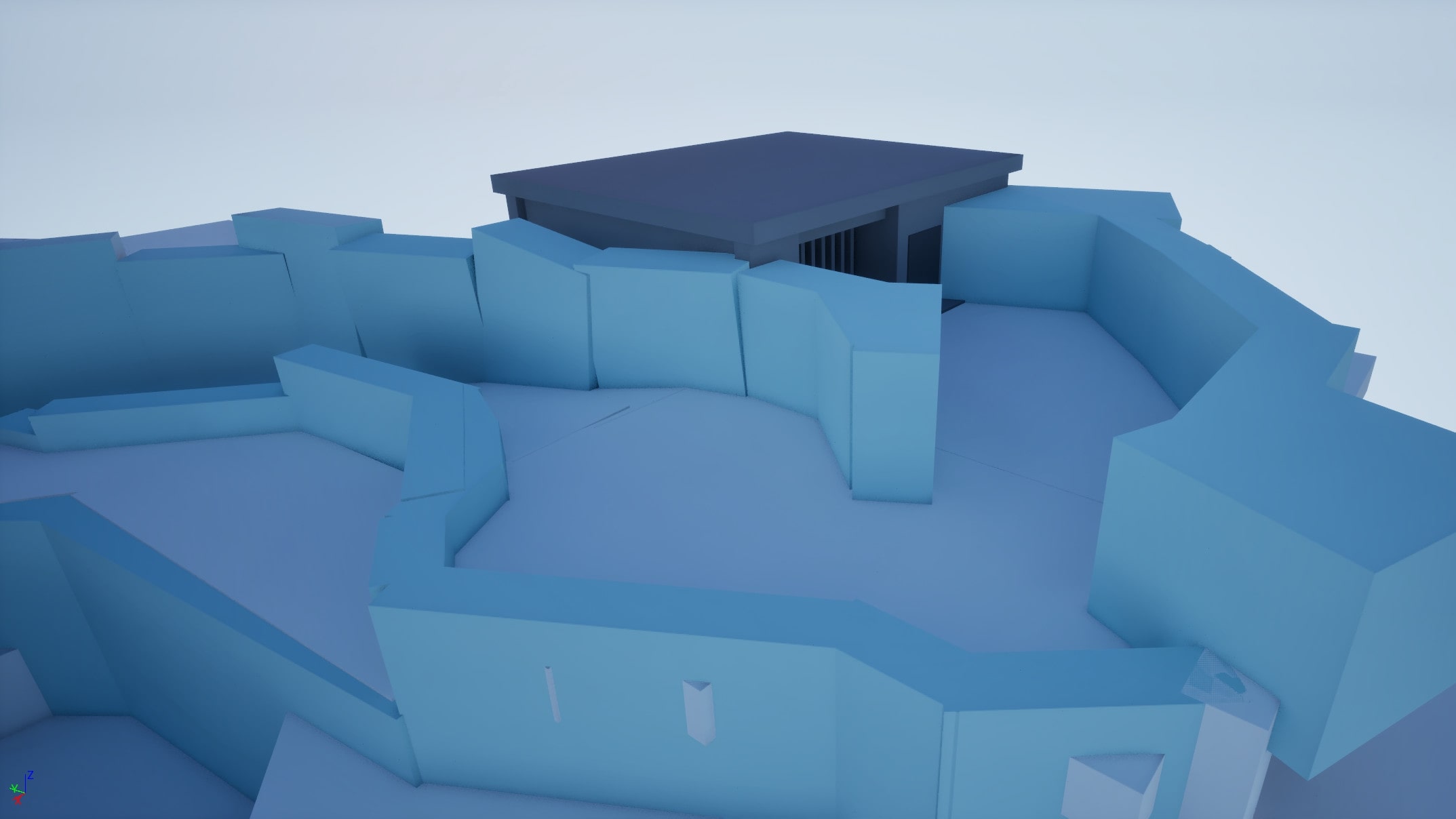
- Redefined the Ice cave into a new space, teaching traversal mechanics.
- Reworked Main building to flow better.
- Changed the exterior of the garage entirely for more direct flow, objective visibility, and verticality.
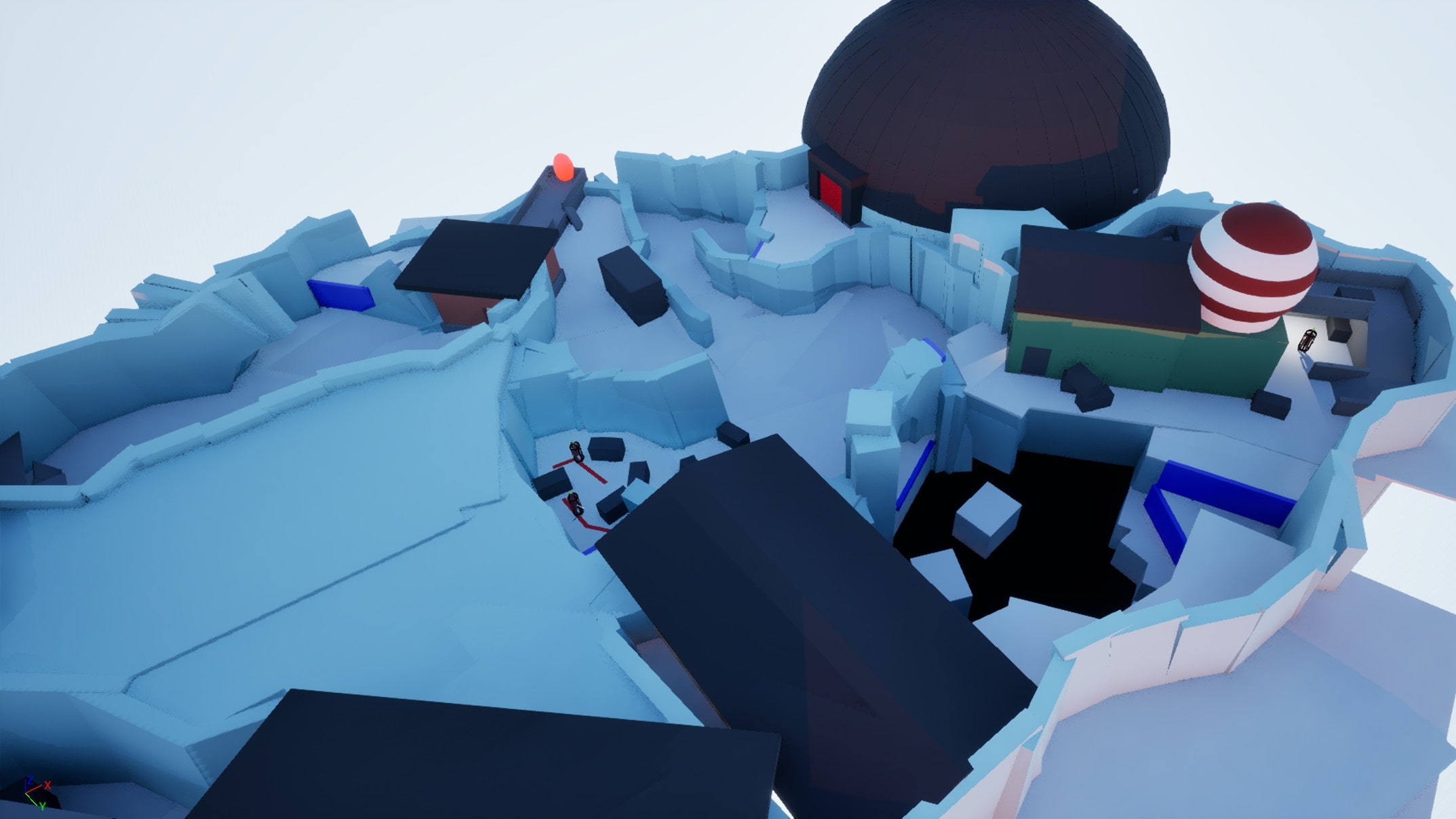
- Added colors throughout level to better visually differentiate between different floors, walls, buildings, and exterior/interior spaces.
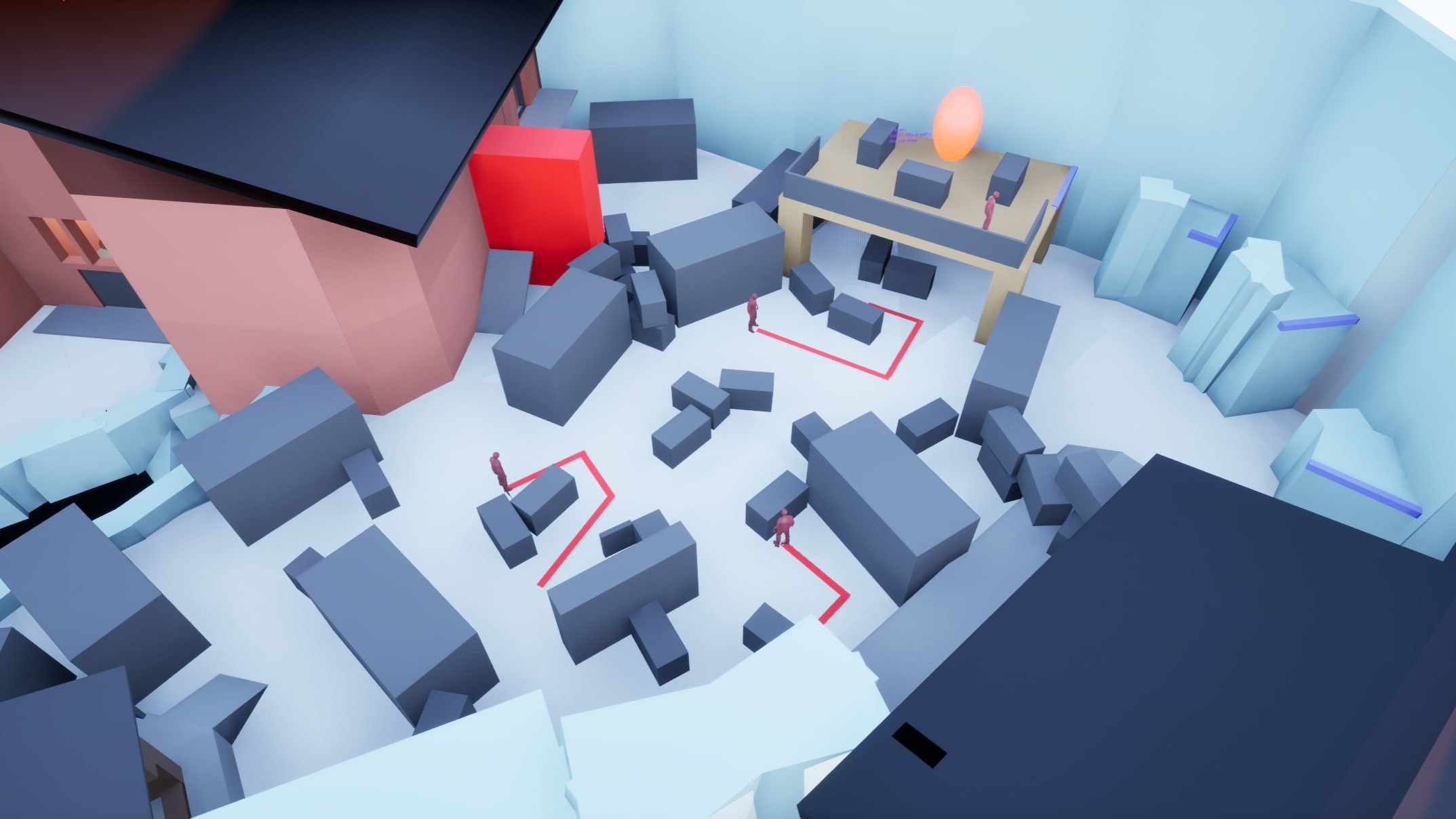
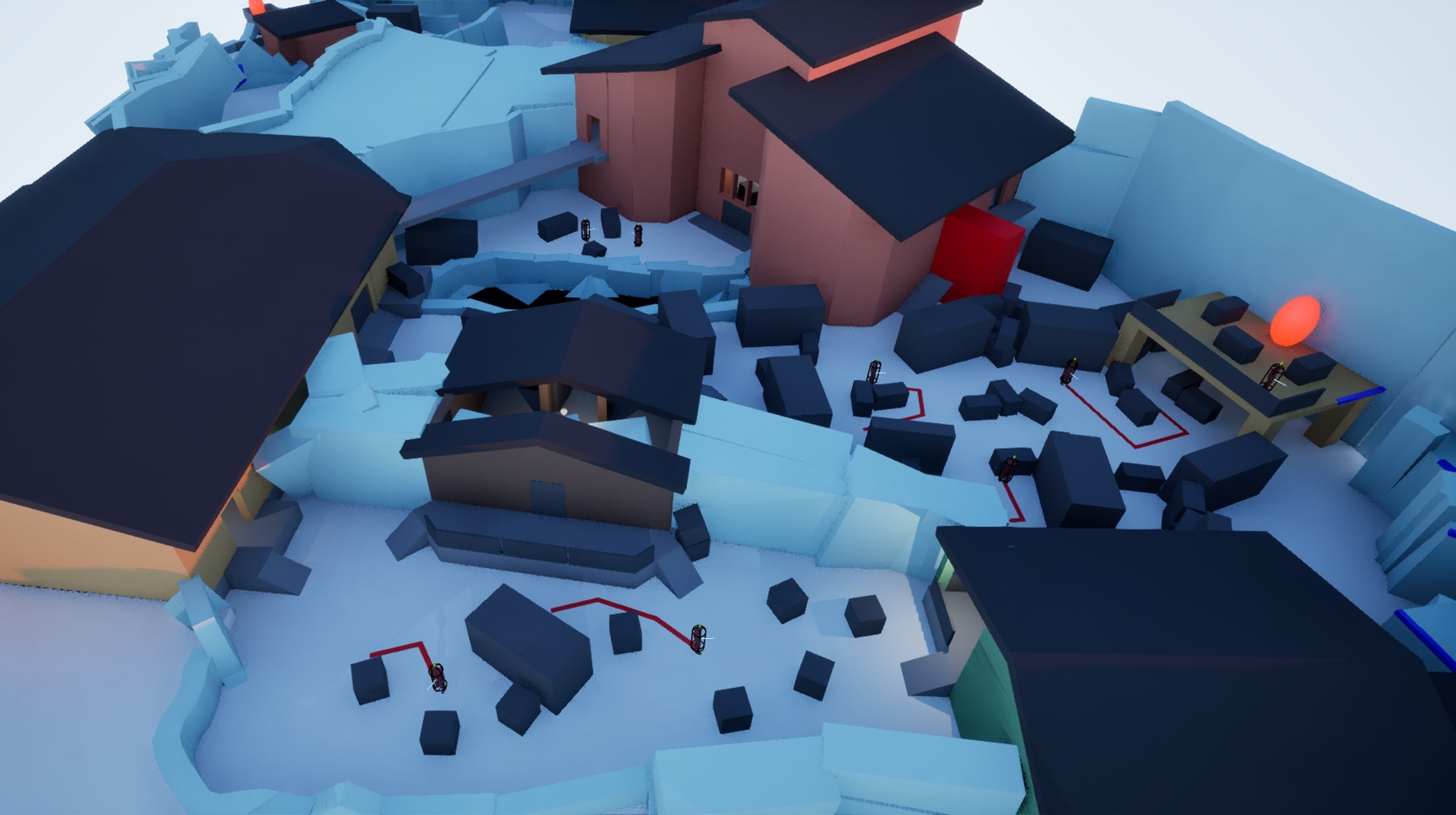
- Implemented basic enemy zombies that stand stationary, and can be fought in melee combat.
- Added enemy routes in red lines.
- Created interactable objects that must be engaged with to progress, being the pods, terminals, and doors.
8. Playtest & Iteration 3
Highlight 1

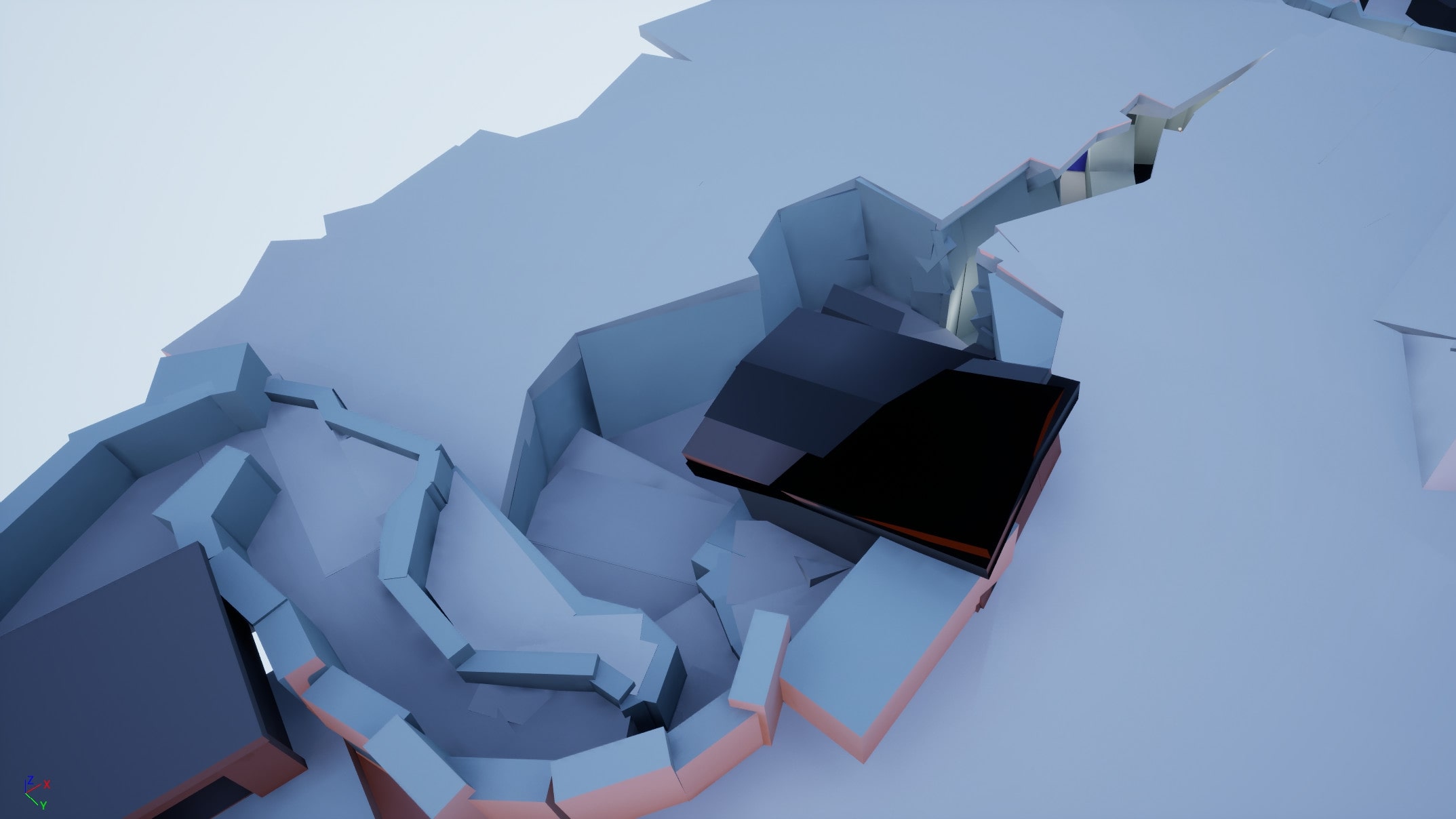
Results: The cave was given a new purpose both in storytelling and teaching traversal mechanics. It now has a mostly linear direction, with no confusion.
Feedback & Problem: The Ice Cave’s paths did not offer any reason to choose one over the other. It offered a confusing sense of direction to players. Players also expressed not understanding the purpose of it.
Solutions:
- Removed the internal structure of the cave and exterior “roof”.
- Made the cave follow only one path.
- Made the cave introduce most of the traversal mechanics.
- Added a collapsed building for story and atmosphere.
- Added more verticality.
- Made it so player could not return to cave after entering supply shed.
Highlight 2

Results: Better sense of direction in the main building, and clear view when objectives cause changes in the building.
Feedback & Problem: Players were not understanding the objective within the main building, and getting lost.
Solutions:
- Added enemies that help guide the player towards objectives.
- Added a “terminal” to catch players attention.
- Reworked the pathing in the back room, making players enter from the back, with a more obvious entrance.
- Made window to objective room bigger.
Highlight 3
Results: Sense of direction was greatly bolstered throughout the entire level. Objective confusion was further decreases.
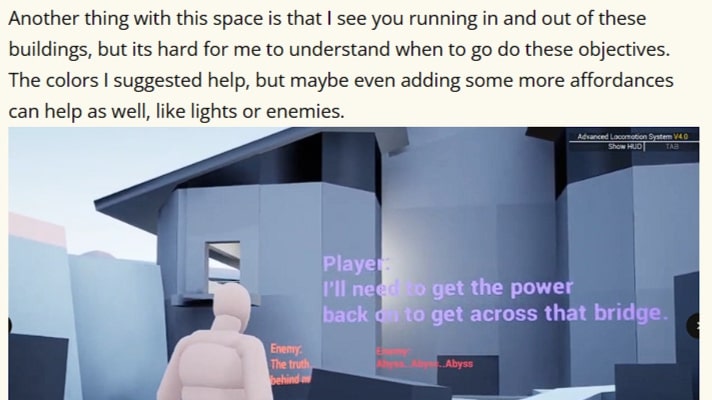
Feedback & Problem: Throughout the entire level there was a lack of direction, players got lost and easily turned around. It was hard to tell where objectives are, and buildings apart.
Solutions:
- Moved certain objectives to more visible locations.
- Added “terminals” throughout level for interactions.
- Added colors to all buildings to make them identifiable.
- Made colors on walls contrast the floor.
- Reworked some open paths to be more linear.
9. Roughout 4
Results: Developed level to it’s fully functional state, getting through all objectives with pacing that matched final intentions. Mechanics and interactions worked as functionally intended for progress.
Goal: For this iteration I needed to get the level’s spaces to their finalized shapes, and add in any that were still needed. Any confusion from structural guidance needed to be addressed.
Implementation/execution:
- Created much needed fully realized level ending.
- Refined vistas to better set tone and objective guidance.
- Improved pacing and clarity of objectives throughout level.
10. Playtest & Iteration 4
Highlight 1

Results: Intro vista now engages the player from the very beginning, slowly revealing the setting and story. It pushes the player to see the next objectives.
Feedback & Problem: The intro vista is good, however the starting area to get to it, is not set up well. The player needs to be forced to view the vista.
Solutions:
- Updated positioning of starting building.
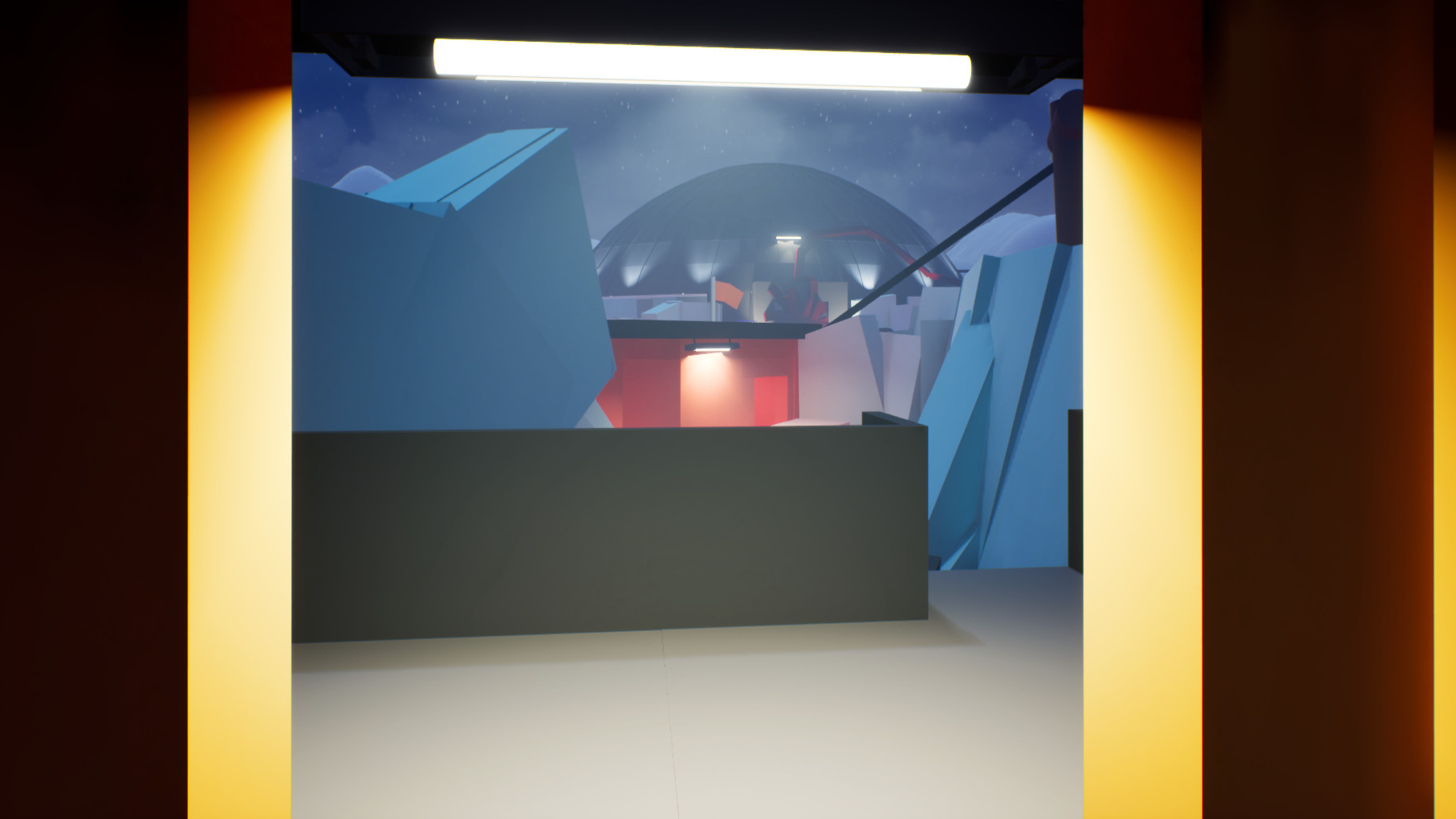
- Made player start in building, with a window viewing the outpost.
- Added walking path to vista, that slowly reveals cave and destruction.
- Player is forced to go to the edge of the vista to go down next path.
- Updated view from the vista to see more of the path ahead.
- Notes were added.
Highlight 2
Results: Garage objective is much more clear as players have a better understanding of how to complete the fuse system.
Feedback & Problem: The idea of getting to the garage and collecting fuses to repair the generators was not clear to players. The structure of the garage was cramped and did not flow well.
Solutions:
- Made a cinematic and bigger window to show the generator blowing, and bridge retracting.
- Added leading lines with the tendrils.
- Reworked garage interior space to be more open with more verticality.
- Made the generator system more obvious with spent fuses on the ground
- Made players find fuses in specific order with hints leading from one to the other.
Highlight 3
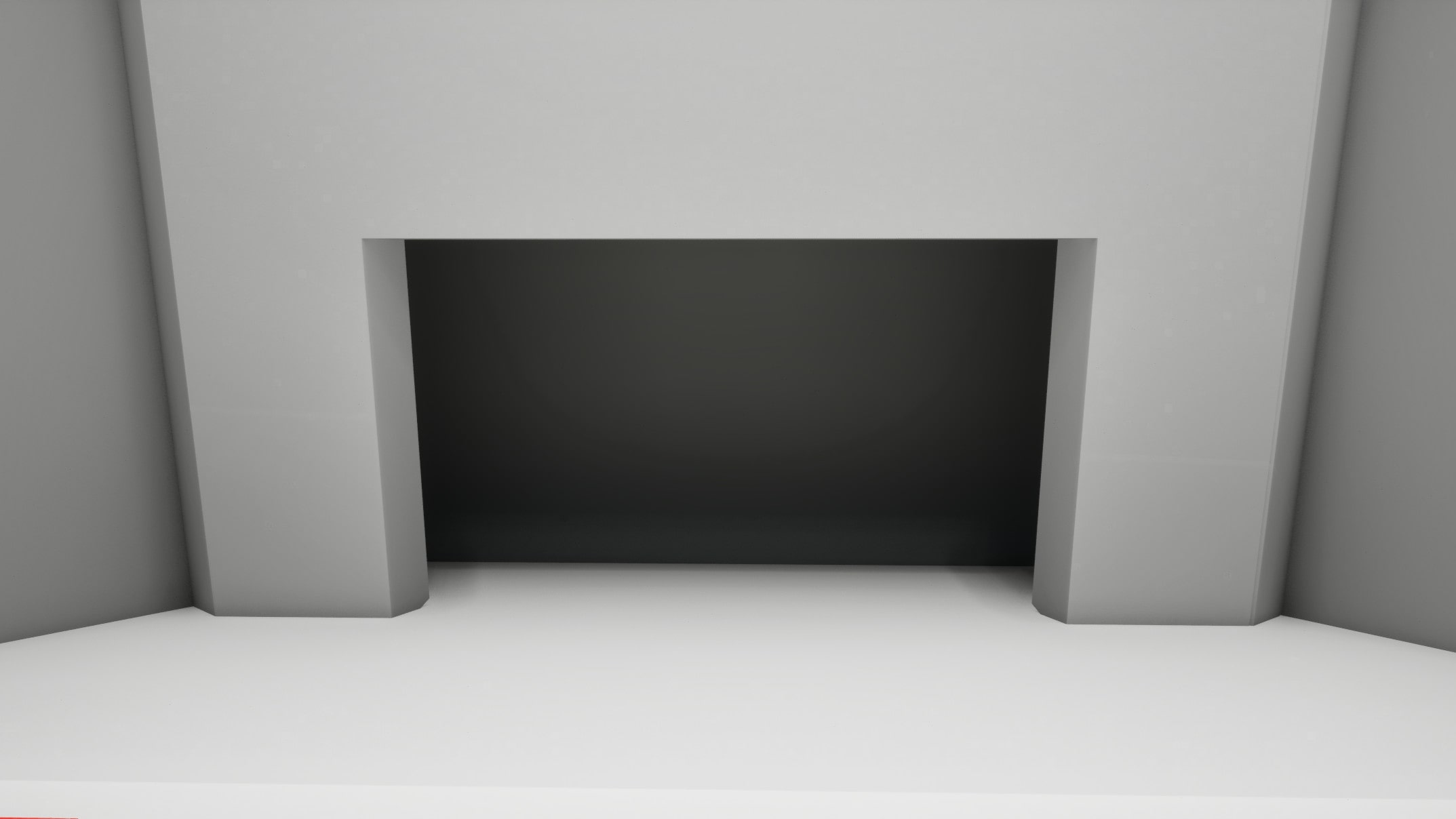
Results: Level now ends with a grandiose vista that pushes the story and hints at what may come next.
Feedback & Problem: The level ended with a dull scene which came abruptly after completing the final task. It did not push the story or intrigue players.
Solutions:
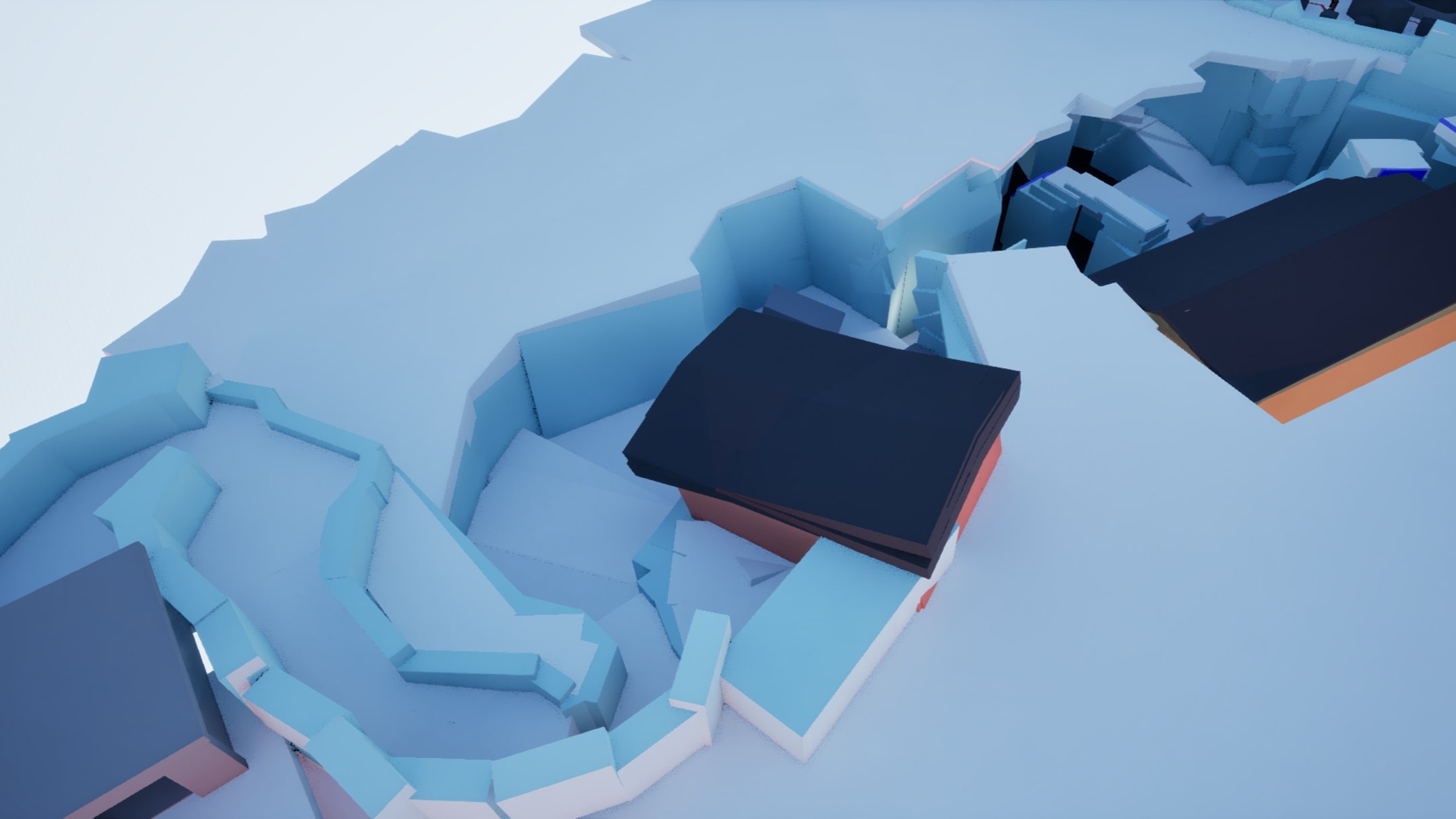
- Created a large ending chamber to have a with a grand vista.
- Updated the previous end area to become a maintenance area for the drills
- Created a tunnel going from maintenance area to the new end space.
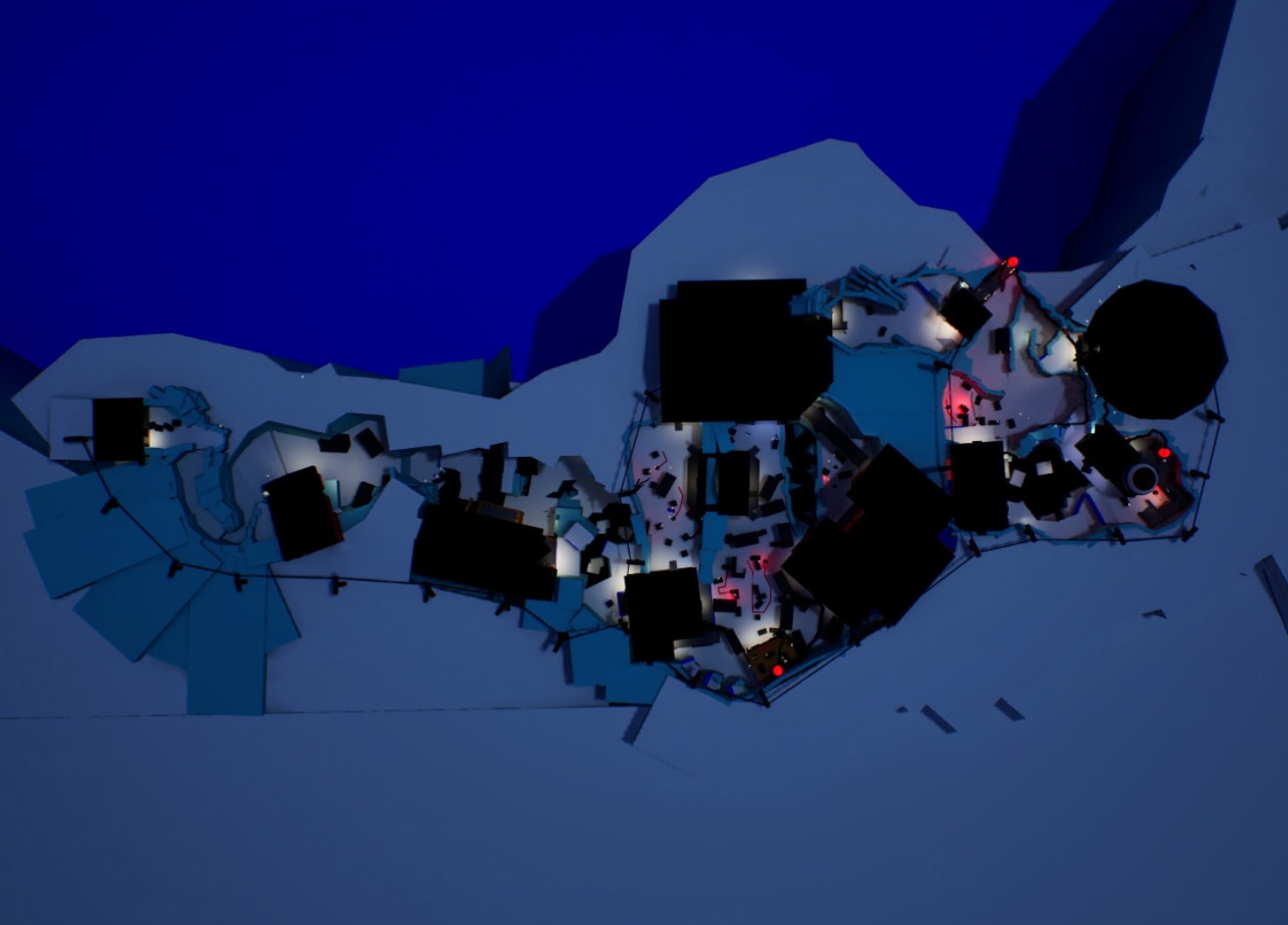
11. Roughout 5
Results: The level was now at the intended state for visual design to clarify tone, setting, and guidance. Players fully understood the space they were in and how to interact with the environment.
Goal: The level needed a pass to focus on player guidance through cinematics, lighting, dynamic actions, breadcrumbs, and leading lines. Tone and atmosphere needed to be established and the environment finalized.
Implementation/execution:
- Made the level present as nighttime.
- Added necessary guiding lights throughout level.
- Made lighting differentiate for exploration, tone, and combat/danger.
- Added affordances for interactions like locked doors and terminals to attract player attention.
- Leadings lines with tendrils, power lines, and flags were added, pointing to objectives.
- Environmental storytelling was used alongside breadcrumbs using trails to guide player toward objective.
12. Playtest & Iteration 5
Highlight 1

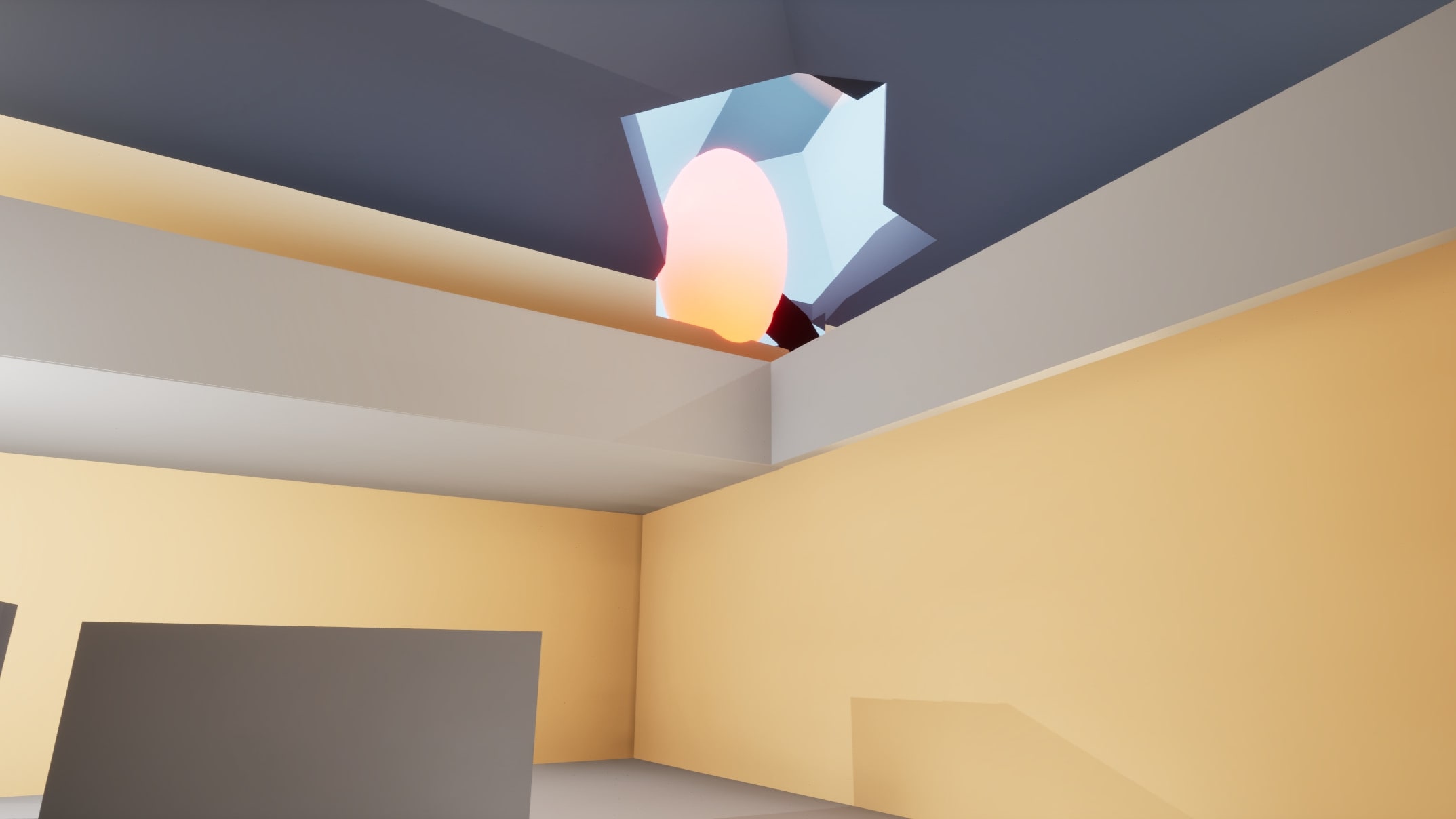
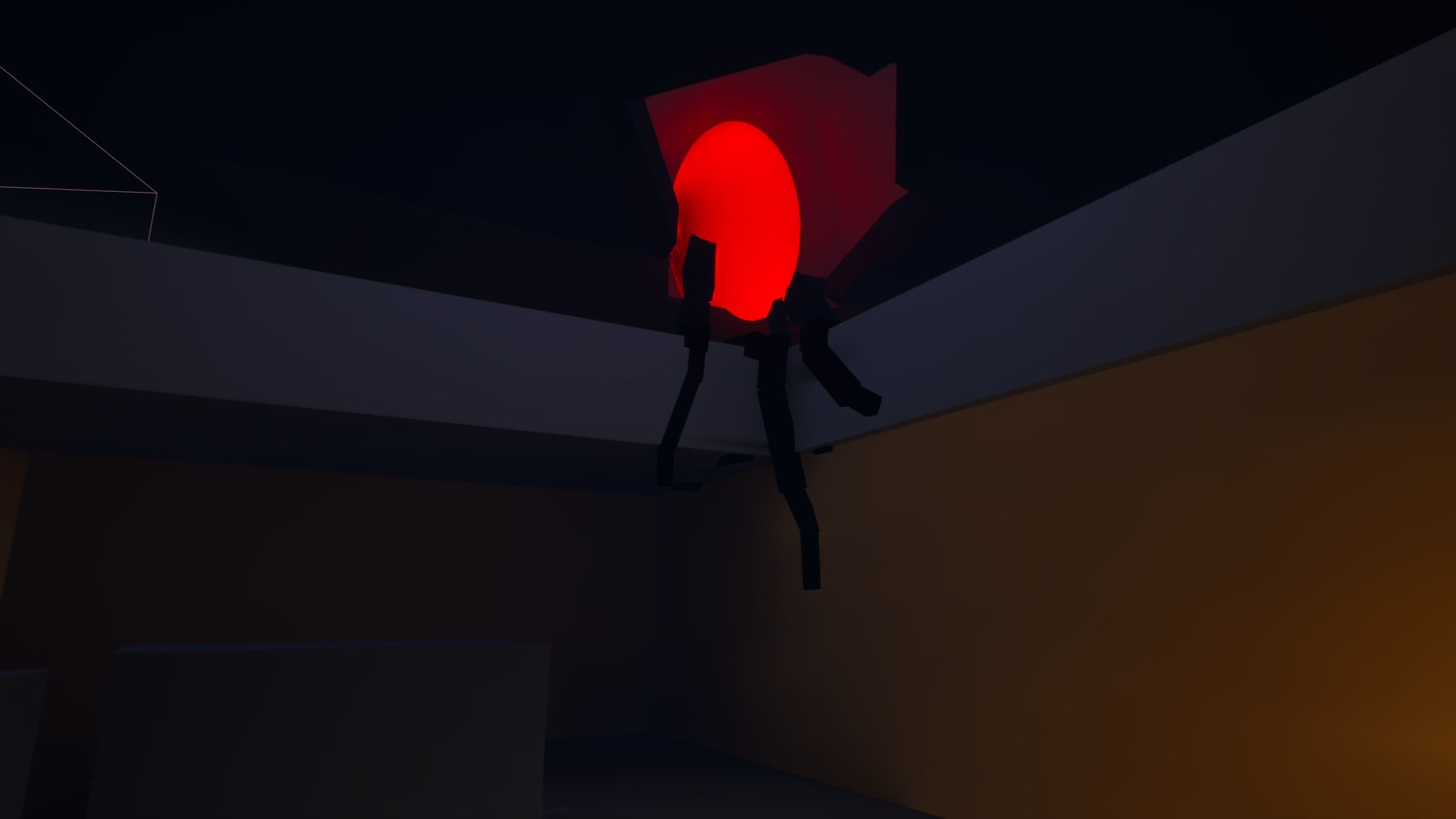
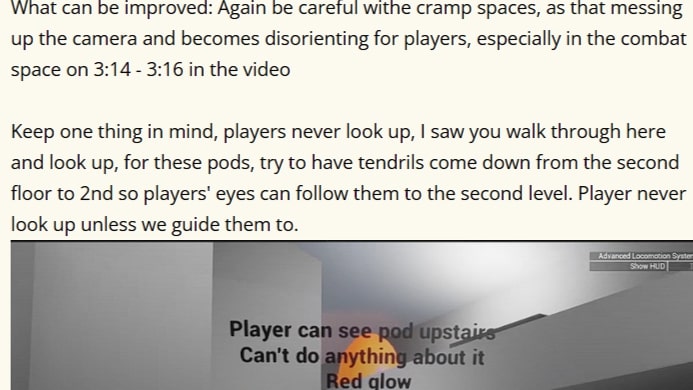
Results: Players are now almost always drawn to look up at the pod, witnessing the atmospheric scene, being introduced to the pods.
Feedback & Problem: Players’ views were not drawn to the tone setting scene of the first pod visible upstairs in the main building.
Solutions:
- Updated lighting to make the pod stand out from the rest of the room.
- Added tendrils coming out of the pod, reaching down the wall.
Highlight 2

Results: Players now know exactly where they need to go after destroying all 3 of the last pods.
Feedback & Problem: Players were losing where to go next after destroying the 3 last pods. Due to the routing between buildings, they kept looping, thinking they missed something.
Solutions:
- Added a cinematic that highlights the opening into the drill site after destroying the last pod.
- Updated the ground outside the radar station, tapering to the ground, to guide player to go towards the objective.
Highlight 3

Results: Players now almost always watch the effect of the doors opening after hitting the terminal triggers.
Feedback & Problem: Players were still not always noticing when using terminals caused doors to open.
Solutions:
- Added lights above doors that open from the terminals.
- Made the lights spin to grab player attention.
13. Roughout 6
Results: The level’s structure, gameplay, setting, and tone had now been developed to a finalized state. Players progress through the level experiencing the story and gameplay beats as engaged as intended.
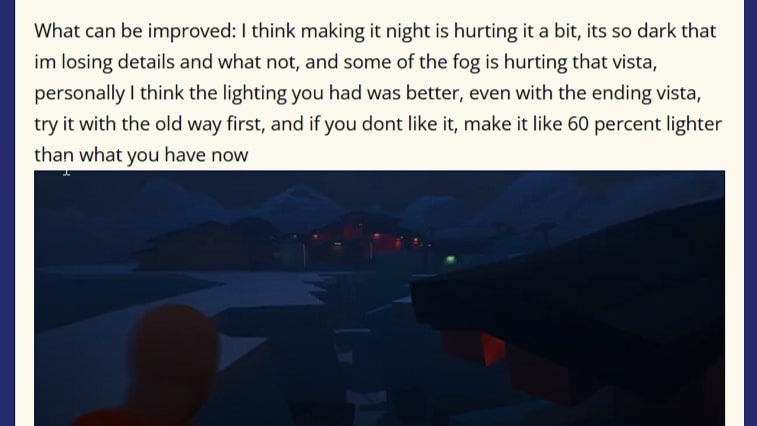
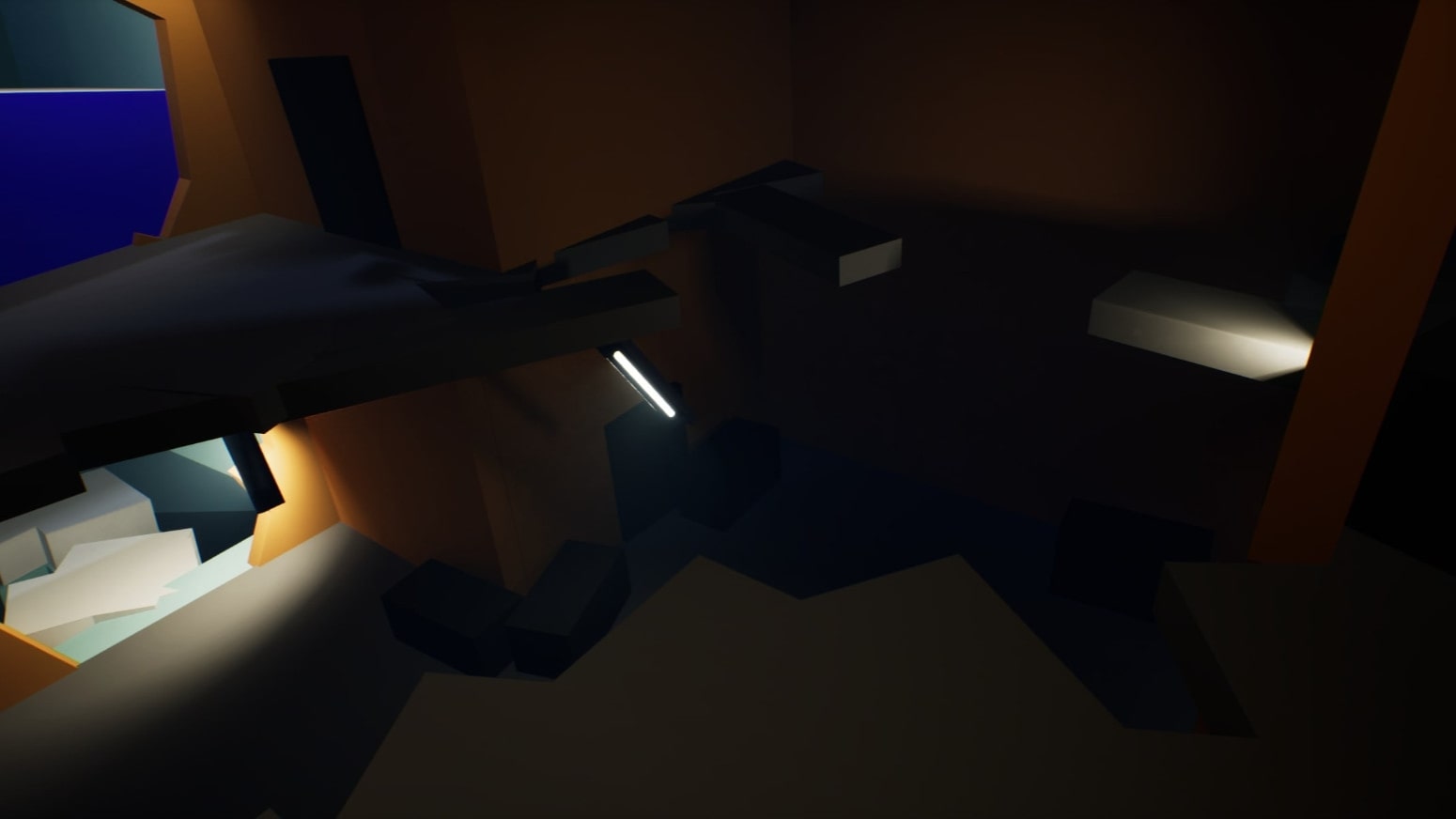
Goal: Finally, everything that was holding the level back needed to be refined, underselling experiences needed to be fixed. Lighting was far too dark, players struggled, and key moments were not as fun as they needed to be.
Implementation/execution:
- Increased exposure and contrast while keeping lights dark to keep the setting night, the tone oppressive, and visibility clear.
- Reworked first enemy introduction area to be memorable, raising fun and tension levels.
- Added more visual cues for pod tendrils and terminals to help guide players attentions.
- Made unintended difficulties regarding combat spaces and traversal easier.
14. Playtest & Iteration 6
Highlight 1

Results: Lighting has brighter clarity while retaining it’s oppressive tone, night setting, and isolated atmosphere.
Feedback & Problem: The new lighting was far too dark, much of the level lost a level of detail, and it was hard for players to see where to go.
Solutions:
- Increased all contrast.
- Increased all exposure.
- Added more lights throughout the level.
- Switched back to dynamic lighting.
Highlight 2

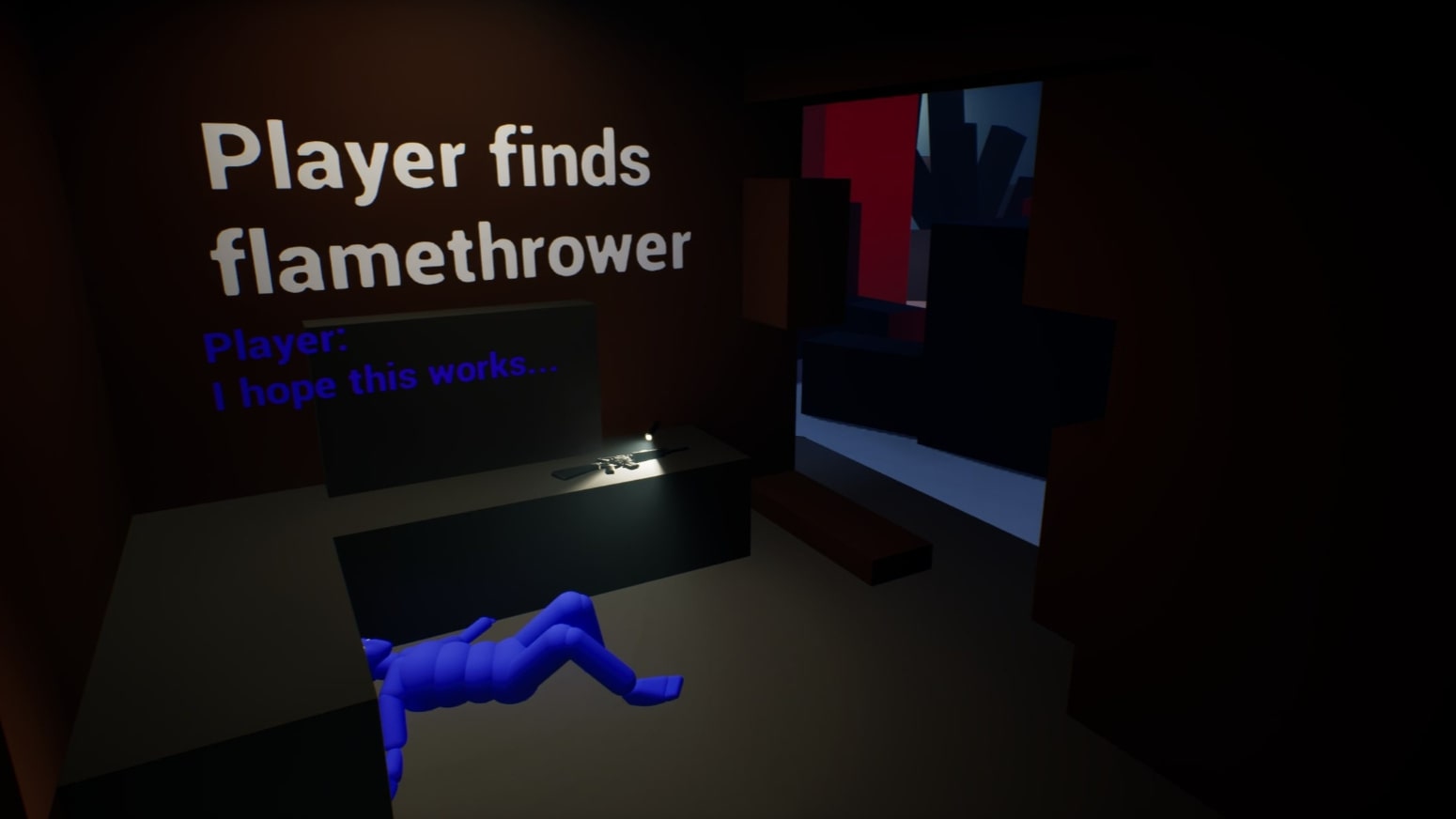
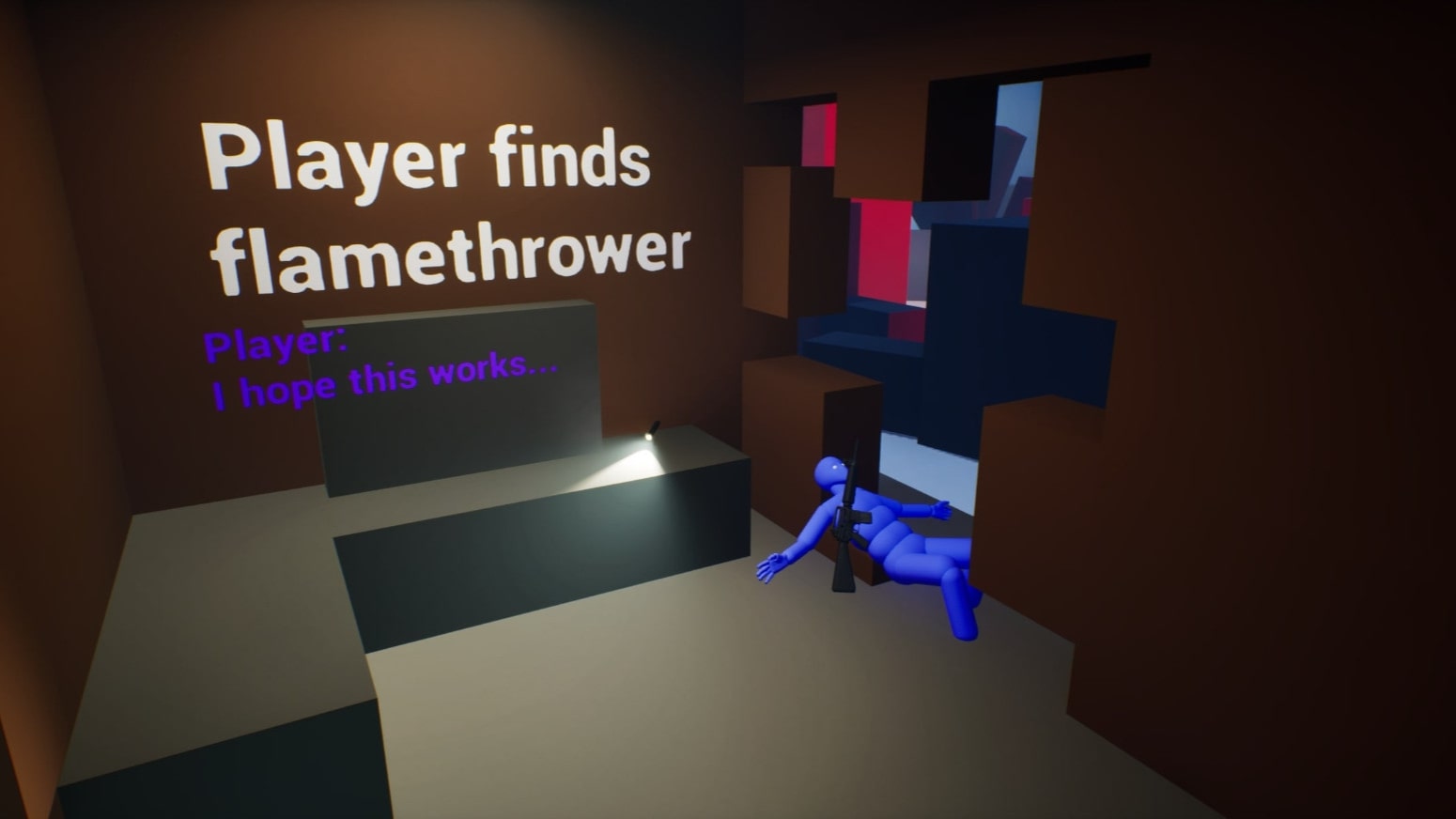
Results: Players must now pick up the flamethrower to continue, no longer accidentally missing it. This also sets up a story interaction scene.
Feedback & Problem: Players were not required to pick up the flamethrower, despite it being needed mechanically to kill pods. Some players would just walk past and not see it.
Solutions:
- Increased overall lighting, making everything in the space more visible.
- Made opening slightly smaller.
- Moved body and flamethrower into the opening.
- Added invisible wall that blocks opening until flamethrower is picked up.
- Body is moved out of the way after picking up flamethrower.
Highlight 3

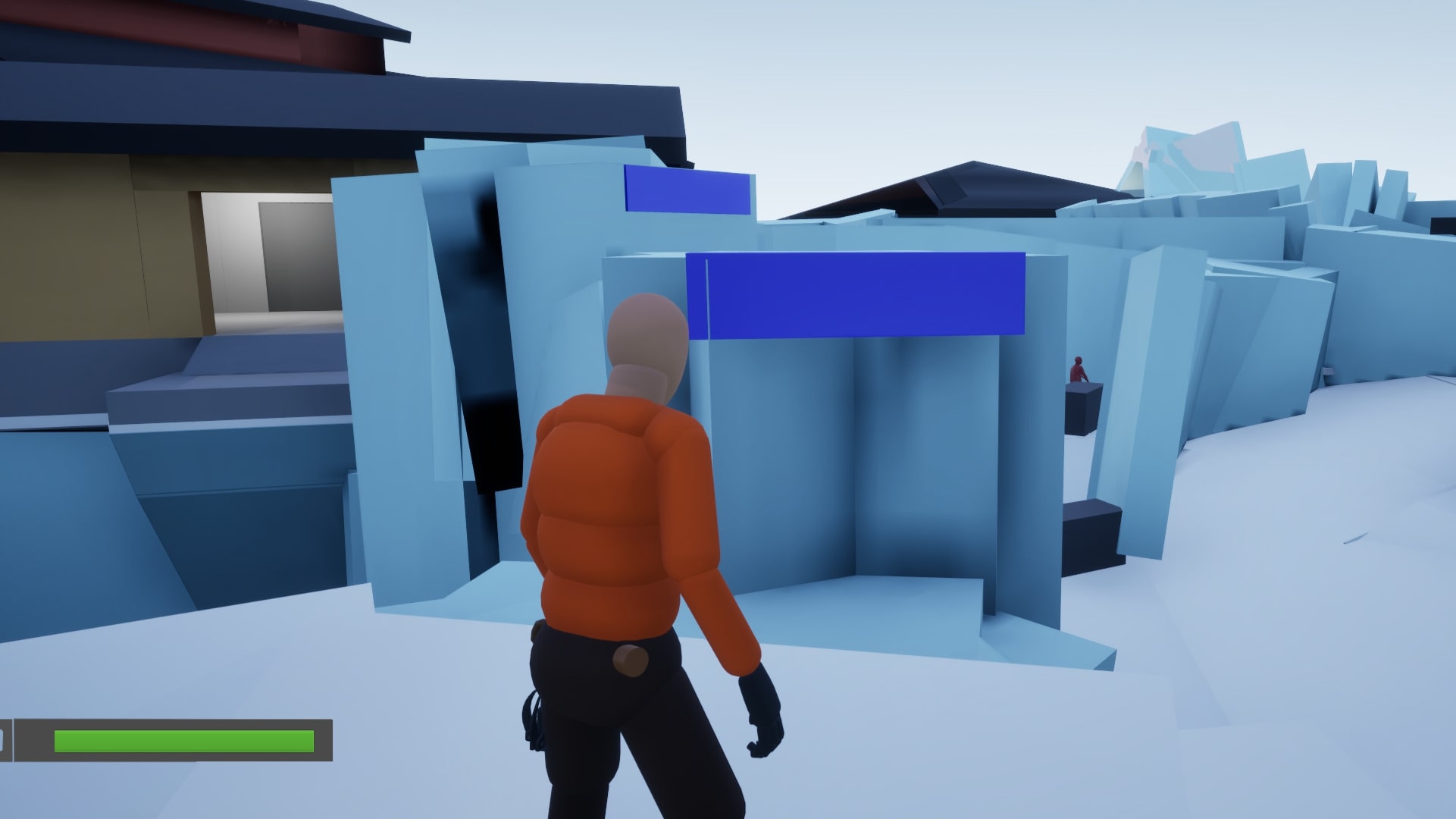
Results: Increased visibility of jumps and obvious markings made traversal easier. Players no longer have to traverse long stretches of spaces again after failing jumps.
Feedback & Problem: Many of the jumps throughout the level, specifically the beginning, were somewhat unforgiving. It was hard to tell that some were the path ahead, and failing caused a lot of renavigation.
Solutions:
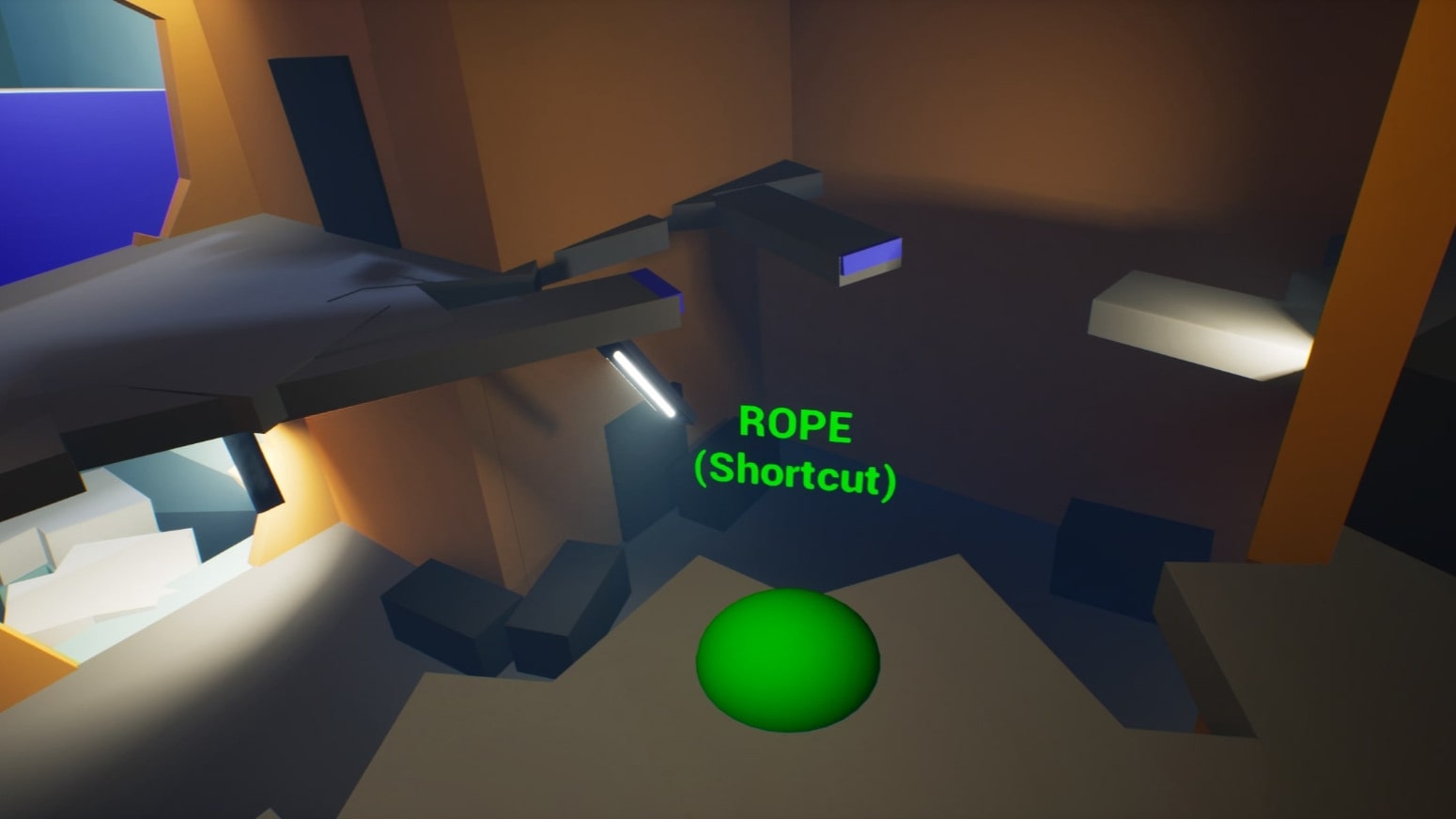
- Increased lighting in the area made jumps more obvious and traversal easier.
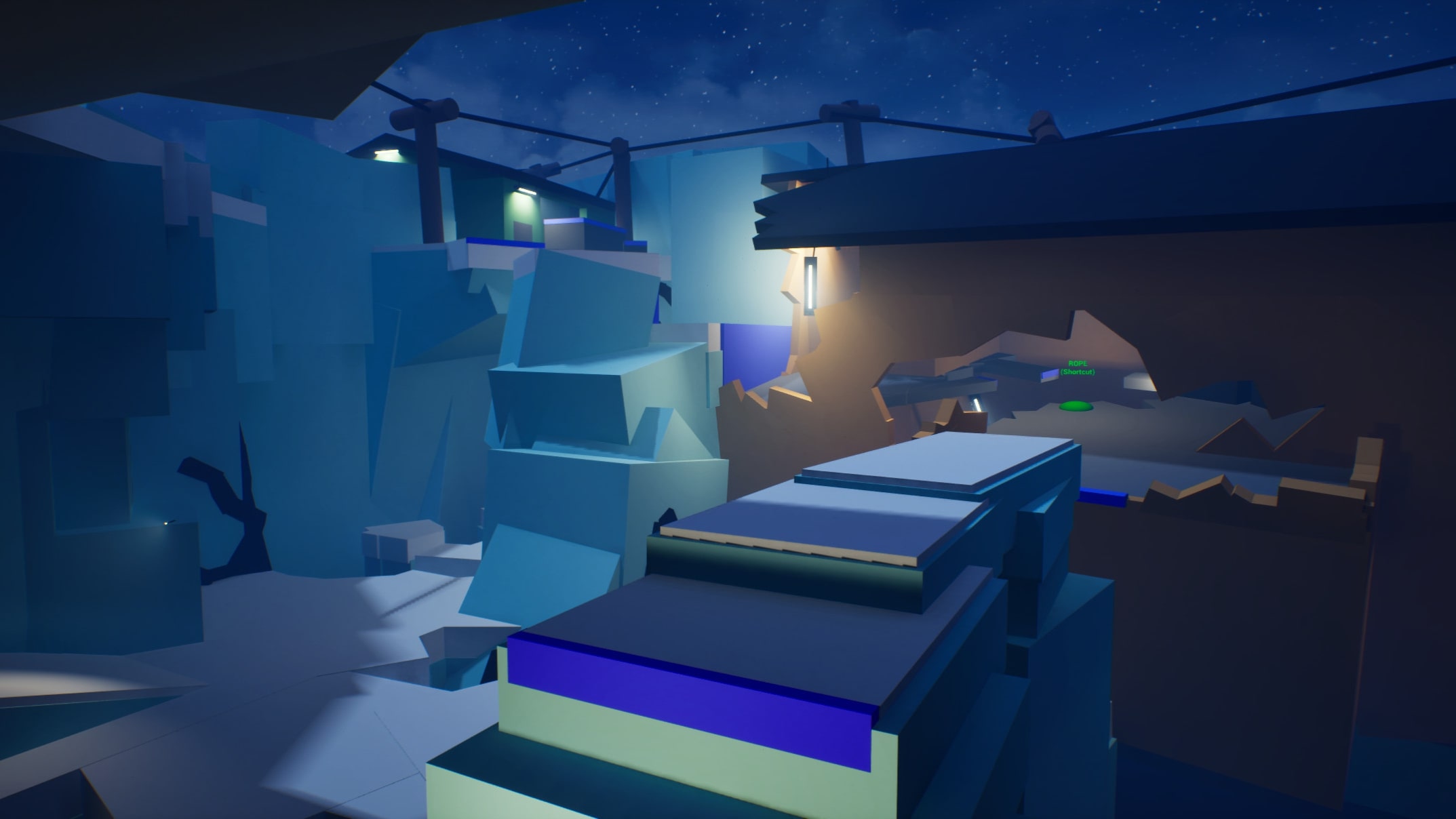
- Added blue “ice” lines onto every edge throughout the level that is used for climbing and jumps.
- Updated respawn positions for failing jumps to be more forgiving.
- Added a interactable rope shortcut that allows for a quick way up if players fail when jumping across the beams.